France is currently undergoing a delicate transition from the traditional model of Françafrique towards a postcolonial approach focused on diplomacy, technical cooperation, and symbolic reparations. This shift has become particularly evident in 2025, with several West African countries, such as Chad, Senegal, and Ivory Coast, demanding the withdrawal of French troops from their territories. In turn, various former African colonies have initiated processes of critical review of the colonial legacy and are demanding not only recognition of the abuses committed, but also the restitution of extracted cultural property.
According to various experts, the new diplomatic approach championed by Emmanuel Macron reflects a desire to build a more horizontal relationship with the African continent. His strategy seeks to promote a more cooperative France, one that fosters sustainable development projects. Examples of this include the recent official visits to Madagascar, the first since 2005, and the growing attention given to Mauritius.
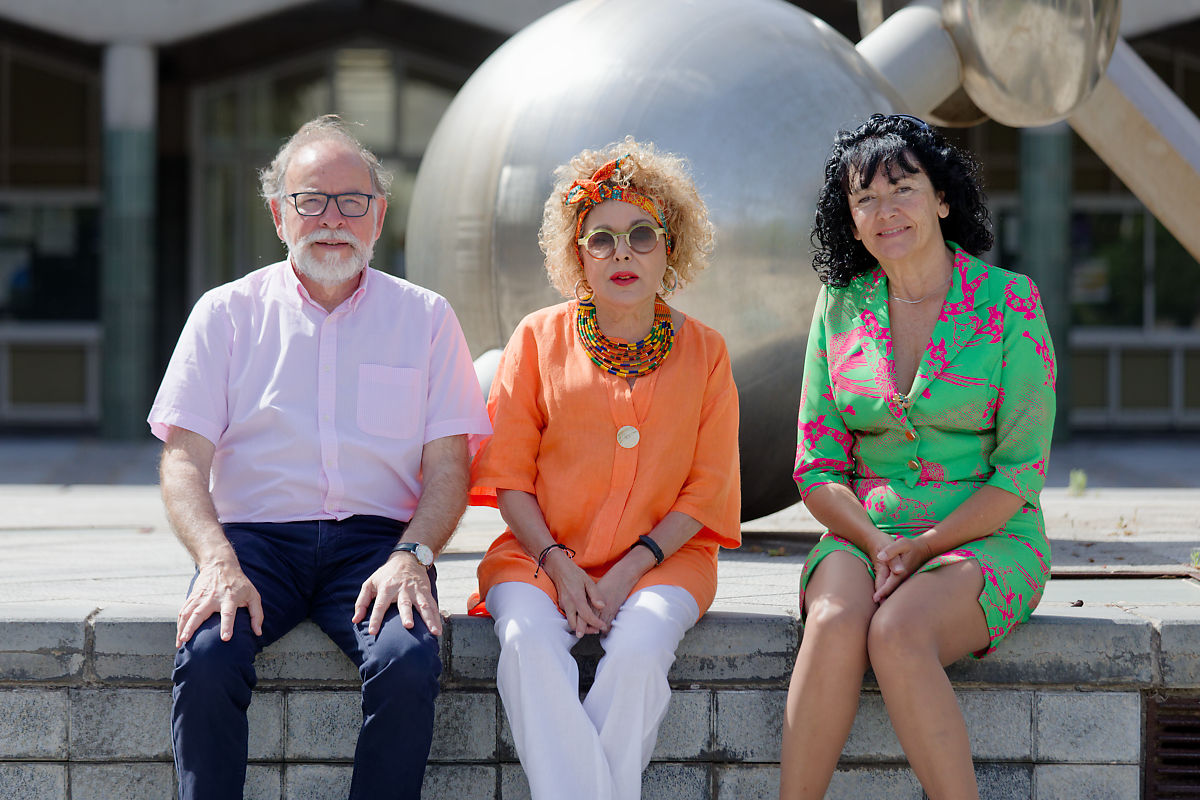
For specialists like the tenured professor at the University of La Laguna José Adrián García Rojas, lecturer of the subject “Political Systems of the Francophonie” of Degree in Applied Francophone Studies, This stance by France also represents an effort on the part of the country's leaders to maintain the position of dialectical link between world axes represented by the spirit of “The Grandeur of France”According to García Rojas, France seeks to emerge, beyond its role in the European Union, as an agent of interest and influence in an international geopolitical context in which Europe has lost relevance compared to other major powers such as Russia, the US, and China.
In this context, the Degree in Francophone Studies at the University of La Laguna stands out for offering a unique educational program in Spain, focused on Francophonie in a broad sense and with special attention to the African continent. The Professor of French Philology Dulce María González Doreste It emphasizes that, thanks to the Canary Islands' geographical location, this degree program has been enriched by its focus on Francophone culture in post-colonial territories, both in the Antilles and in Africa. This orientation is further strengthened by the links established between the research staff and various academic institutions in countries such as Senegal and Mali.
The close relationship of the University of La Laguna with the African Francophonie became especially visible this year with the conferral of the honorary doctorate a Ken Bugul, A Senegalese writer considered one of the most prominent figures in Francophone African literature, with a solid international career. In addition, professors in the area of French Philology such as María del Carmen Marrero They develop important lines of work in the field of international cooperation, especially in Senegal, through transnational projects such as Agrofem, which It concluded in 2024..
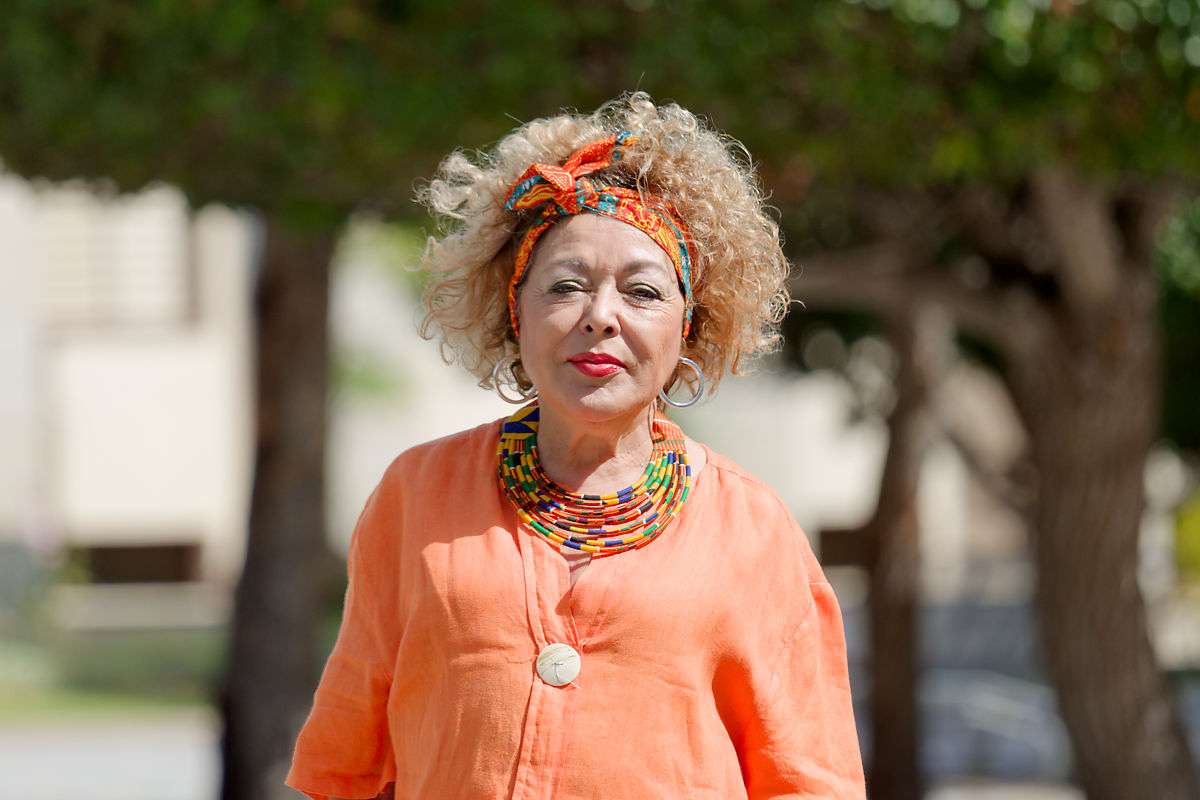
Dulce María González Doreste.
The ideals of the Enlightenment and the shadows of its legacy
The French national holiday of July 14th commemorates the Storming of the Bastille in 1789, considered the first major victory of the people of Paris against a symbol of the Ancien Régime. This event marked a turning point in the French Revolution, representing the beginning of the end of absolutism, as well as the affirmation of the Enlightenment values that would define the political and social thought of the 18th century, summarized in the motto "«Liberté, Égalité, Fraternité».
González Doreste emphasizes that French language and culture have undoubtedly contributed to global enrichment. However, he also underscores the profound dissonance between these universal principles and the way France exercised its dominance in colonized territories, imposing not only economic power but also a cultural hegemony that suppressed the languages and worldviews of these peoples.
In this sense, González Doreste highlights the literature that has emerged in these countries, especially since the independence movements, as a powerful tool for making this contradiction visible. For the professor, it is particularly relevant to study the work of contemporary postcolonial Francophone writers, who, in many cases, have chosen to use French, the language of the colonizer, as their means of literary expression. “It thus becomes the tool that allows them to denounce the abuses of this shared history and reach a wider audience than they would if these denunciations were made in their own languages,” she states.
In any case, González Doreste believes that a certain sense of cultural superiority persists within the Francophonie, on the part of France, towards its former colonies. García Rojas shares this view, highlighting the role of "soft power" wielded by the European country and how this has allowed France, despite the gradual loss of its colonies throughout the 20th century, to maintain a significant international presence and projection as a cultural power, with an influence that continues to be recognized globally.
In his opinion, this capacity for cultural influence constitutes one of the pillars of the neocolonial attitude that France still maintains in certain regions of Africa. However, García Rojas warns that this position is now seriously threatened by China's growing economic penetration of the continent.
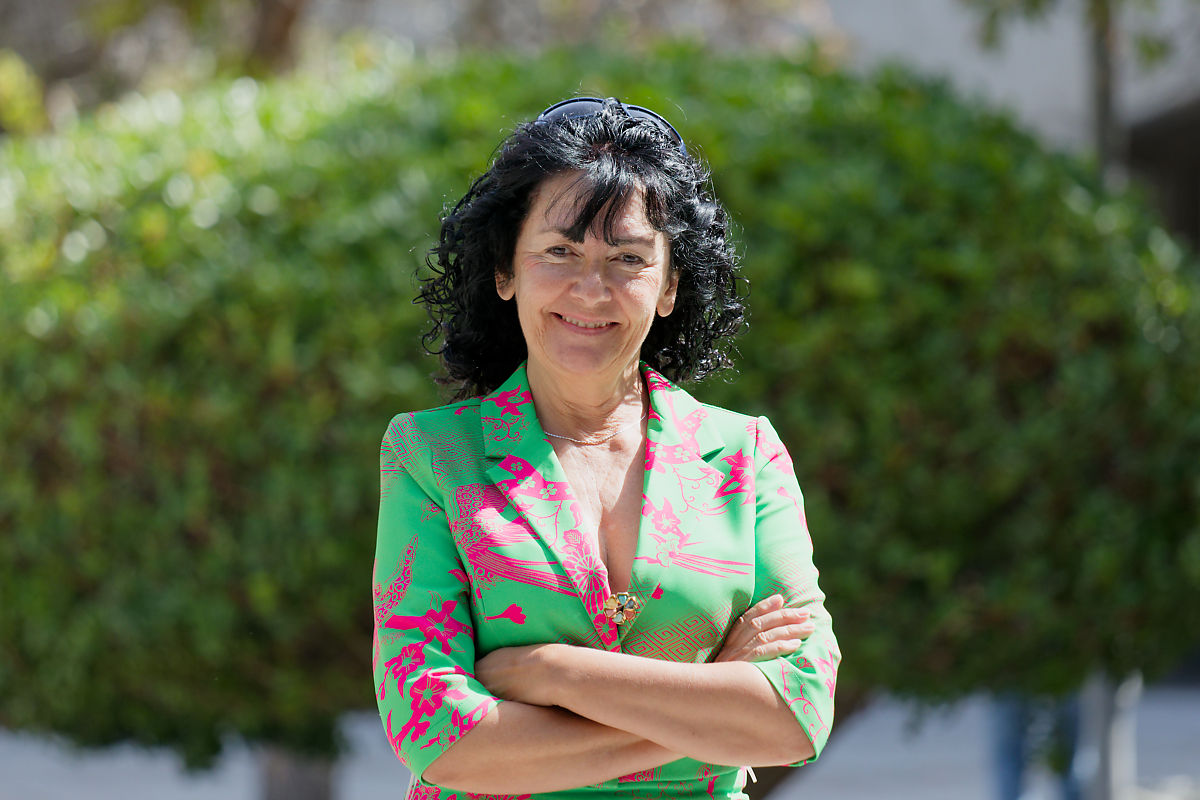
María del Carmen Marrero.
Education and cooperation for sustainability
For María del Carmen Marrero, who has been traveling to Senegal for more than a decade through a collaboration with the Gaston Berger University In Saint Louis, France's postcolonial presence in West Africa remains very palpable and continues to significantly shape the complex identity of its inhabitants. However, while European cultural influence is deeply ingrained in the country's daily life, the French language has been relegated to ceremonial and academic use in the sub-Saharan region. Instead, local languages are increasingly playing a more prominent role in daily life and in the construction of collective identity, with Wolof as the primary lingua franca.
Marrero has maintained a close collaboration with Senegalese academics, but her cooperation work has focused especially on working with women in the country's agricultural sector. In this context, she actively participated in the Interreg-MAC Agrofem project, 'Marketing and adding value to agricultural products from the Canary Islands and Senegal through the empowerment of women in cooperatives in each region and the exchange of experiences', together with professors José Manuel Cruz, from the Department of Classical, French, Arabic and Romance Philology, and Manuel Antonio González, from the Agricultural Engineering Section of the Higher Polytechnic School of Engineering.
Thanks to this development cooperation project, it was possible to work with some forty women from three of the country's main agricultural cooperatives, assisting them in accessing various modernization tools and strategies to improve the marketing of their products. For Marrero, these cooperation initiatives go beyond the academic sphere, as they "allow us to offer interdisciplinary assistance based on our expertise and help create on-site collaborative networks that respond to the real needs of these communities.".
Currently, Marrero is also conducting research on female genital mutilation, an illegal practice that remains widespread in the north of the country due to cultural and traditional reasons. At the same time, she continues her collaboration with agricultural cooperative movements, aiming to strengthen women's empowerment in rural areas and advance toward a more effective model of community development, in line with the United Nations Sustainable Development Goals (SDGs). The objective, she emphasizes, is to provide sustainable alternatives that open new perspectives for them and reduce the need to leave their territories to migrate.
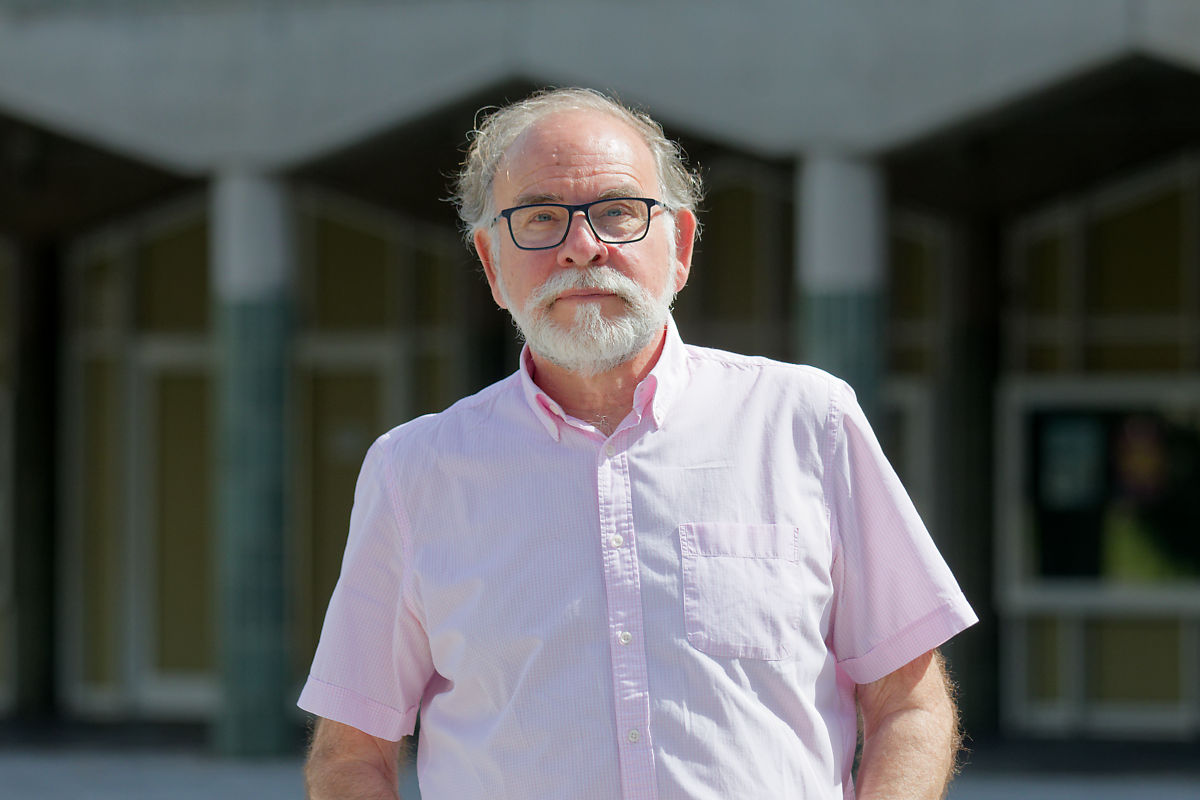
José Adrián García Rojas.
The voices that narrate present-day France
Contemporary French literature also reflects the postcolonial reality of the European country, profoundly marked by migration processes. According to Professor González Doreste, since the 1980s a groundbreaking literary movement has emerged, spearheaded by authors from the second and third generations of migrant families, born and raised in France. She considers this body of work especially valuable, as it brings to light the problems of exclusion faced by many communities that have not been fully integrated into French society. Furthermore, it allows us to understand the contrast experienced by many young people between different aspects of their lives, such as family, school, and work.
For his part, García Rojas emphasizes that the failure of the French state's assimilation policies has given rise to phenomena such as isolated peripheral zones, known as suburbs, not only in Paris but throughout the country. According to the expert, these marginalized environments, where many migrant communities are concentrated, have become breeding grounds for social unrest, the breakdown of the community fabric, and, consequently, the rise of certain political extremisms.
García Rojas insists that this is a complex reality and warns that these tensions favor a shift in votes toward options like the National Rally party, particularly noticeable in working-class areas where the vote has traditionally gone to left-wing parties. Given this social landscape, he emphasizes the need to strengthen inclusive educational policies that promote the integration of current and future generations.
González Doreste believes that, to truly understand contemporary French reality, it is also essential to pay attention to literary movements such as that spearheaded by Annie Ernaux, winner of the 2022 Nobel Prize in Literature. Her work, characterized by its simple prose and autobiographical approach, reflects the social transformations France has undergone over the last half-century. According to the professor, Ernaux represents a break with the mid-20th-century literary canon, dominated by elitist and self-indulgent authors. In contrast, her writing introduces narratives with which readers, especially female readers, can identify, by placing the everyday and the intimate at the heart of the narrative discourse.
This focus on the representation of women in literature is one of the cornerstones of González Doreste's research. A specialist in medieval French literature and director of the Institute of Medieval and Renaissance Studies Researchers at the University of La Laguna have recently focused their studies on so-called instruction books for women, texts of a normative rather than literary nature that offered guidelines on the behavior women should follow in the Middle Ages. These treatises are essential for understanding a context of change in which some noblewomen began to access positions of political power, sparking an intense social debate about the appropriateness of this new role. It is within this framework that the well-known Querelle des Femmes, or the querelle des femmes, an intellectual controversy that began in the late 14th century that questioned women's ability to participate in public life.
For González Doreste, this climate of discussion is especially relevant today, at a time when certain schools of thought are resurfacing that attempt to impose traditional models of femininity. A clear example is the phenomenon of the well-known tradwives On social media, a movement is emerging that promotes a return to traditional domestic roles. A debate that seemed rooted in medieval France is thus gaining momentum again in the 21st century, revealing how the study of history and literature can contribute to a better understanding of many of today's social, political, and economic dynamics.
(This report is an initiative framed within the InvestigaULL Commemorations Calendar, a scientific dissemination project promoted by the University of La Laguna).
Scientific Culture and Innovation Unit (Cienci@ULL)

 Spanish
 English
 French