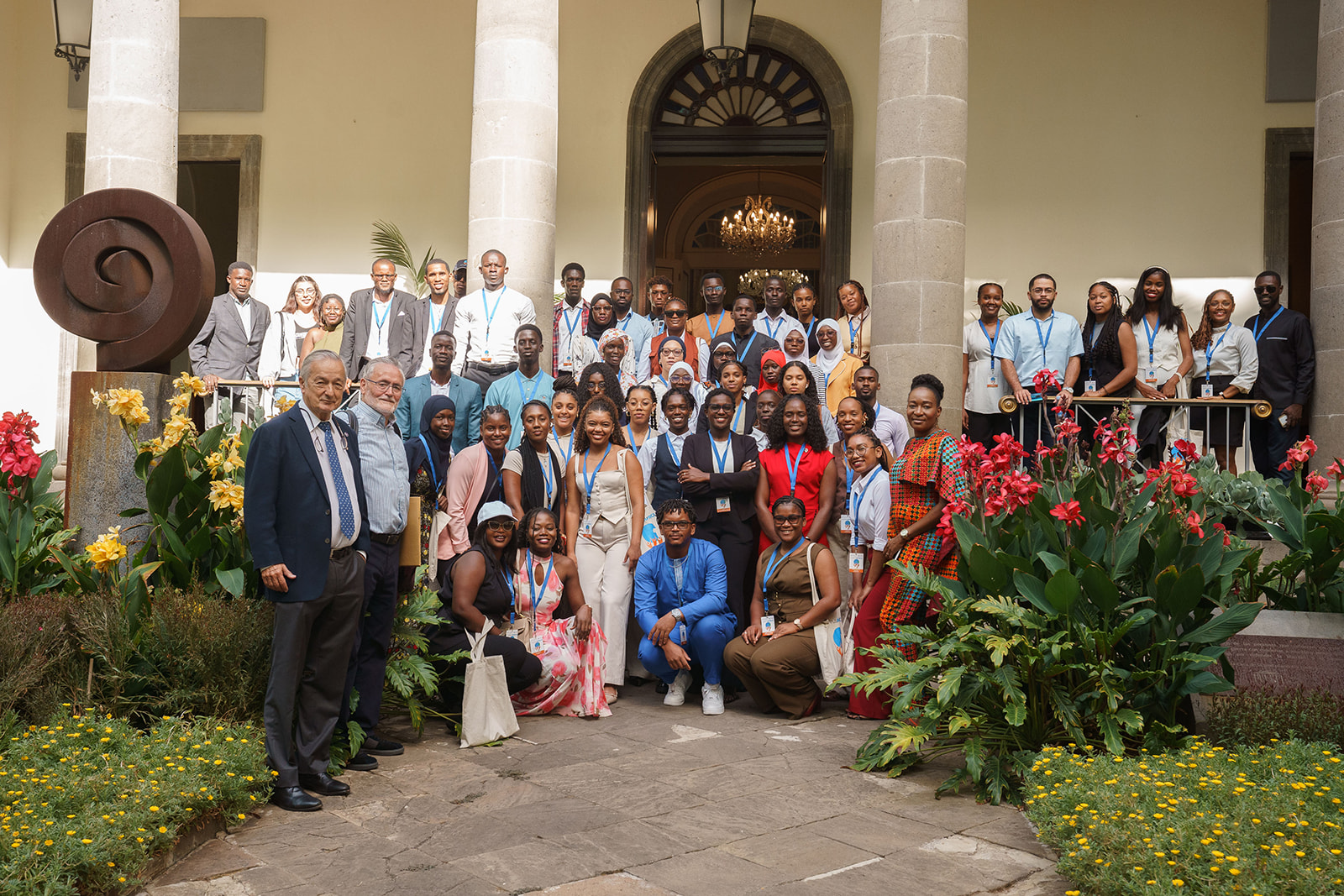
This morning's special session at Africa Campus, The institutional visit to the Parliament of the Canary Islands, which has become a traditional part of the program, allowed the scholarship recipients to learn firsthand about the workings and internal organization of the islands' highest legislative body. This initiative promotes student involvement in the development of democratic structures in their home countries.
As Professor and co-director José Gómez Soliño pointed out, the aim is to offer a cross-cutting view of the functioning of this public institution, highlighting the parliamentary and political work in the development of key areas such as education, employment, the environment, and equality.
During the visit, activist and CEO of the Karibú Association, Nicole Ndongala Nzoiwid, gave a presentation titled "Migration from a Gender Perspective," a personal account that highlighted the additional difficulties of being a migrant woman. "There are countries where women's strength is beginning to emerge, but it's true that a significant gap remains between rural and urban areas. We continue to see girls being used to work in mines and denied the opportunity to attend school. There is still much to be done," she stated.
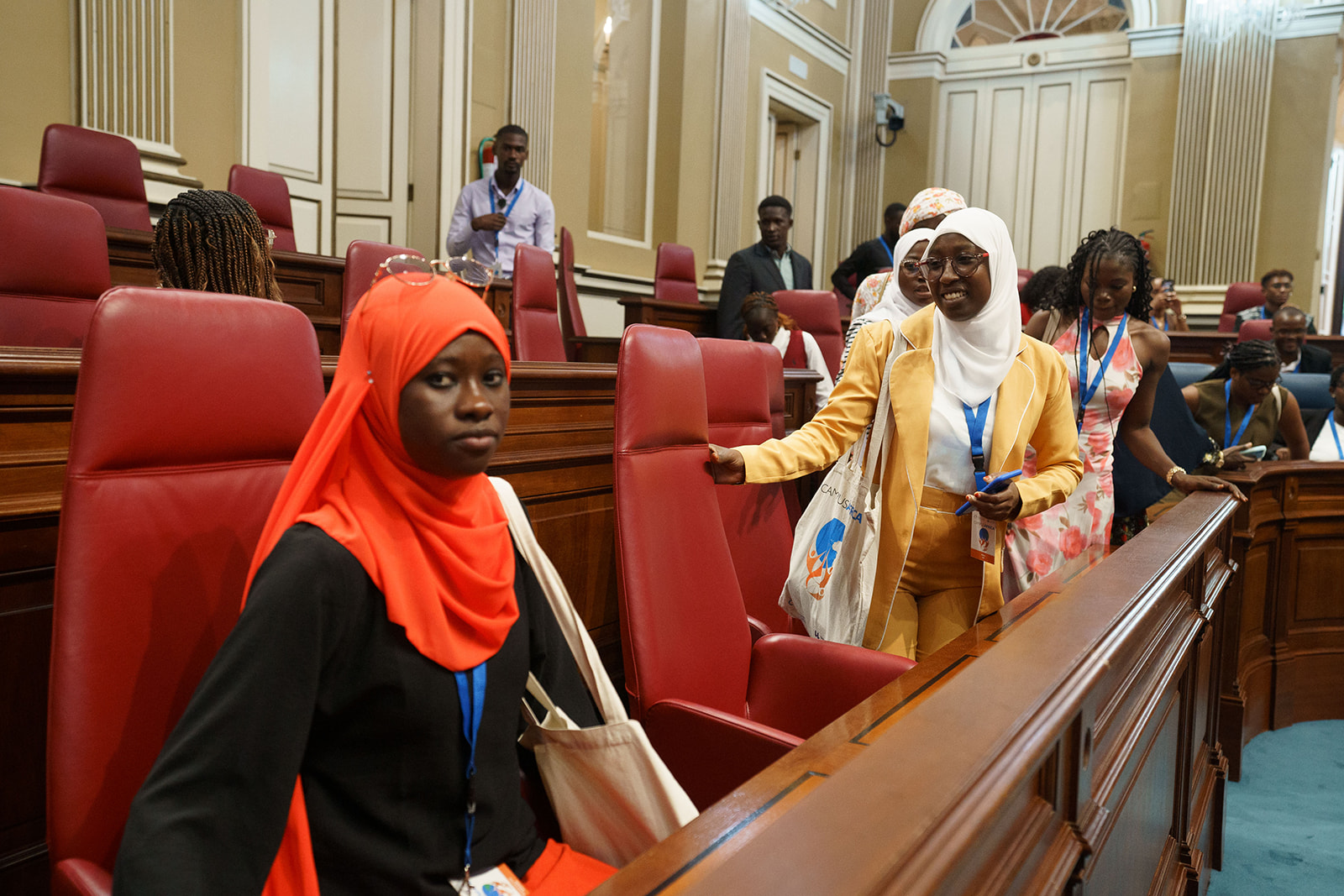 “Africa has powerful women,” she affirmed, “and they are achieving great things, especially in eliminating degrading practices against women, such as female genital mutilation. There are cultural elements that we must eradicate, but we know it is a long, internal process.” A path that, as Ndongala pointed out, requires citizen participation, with a special focus on African women who must become “architects of their own emancipation.”.
Gender-based violence, lack of human rights, forced marriage, and climate change are some of the main reasons that drive African women to risk their lives and leave their countries. “Added to all this is economic violence, which is more silent but creates significant inequalities within the African population. All of this triggers migration, but the vast majority of these movements are internal. It's true that we are starting to see women arriving in small boats, but these cases remain in the minority,” she explained. She added that “many of these women reach Europe after a seven-year journey within the country.”.
A long journey through the desert where the differences between men and women are accentuated, with women being enslaved and raped. “A pregnant woman,” the activist explained, “has to pay double to board a small boat, and if she is in an advanced stage of pregnancy, they are abandoned.”.
“No person is illegal,” concluded Nicole Ndongala, who recalled the need to adapt current protocols to the reality of migrant women by integrating, for example, cultural codes that facilitate the process.

 Spanish
 English
 French