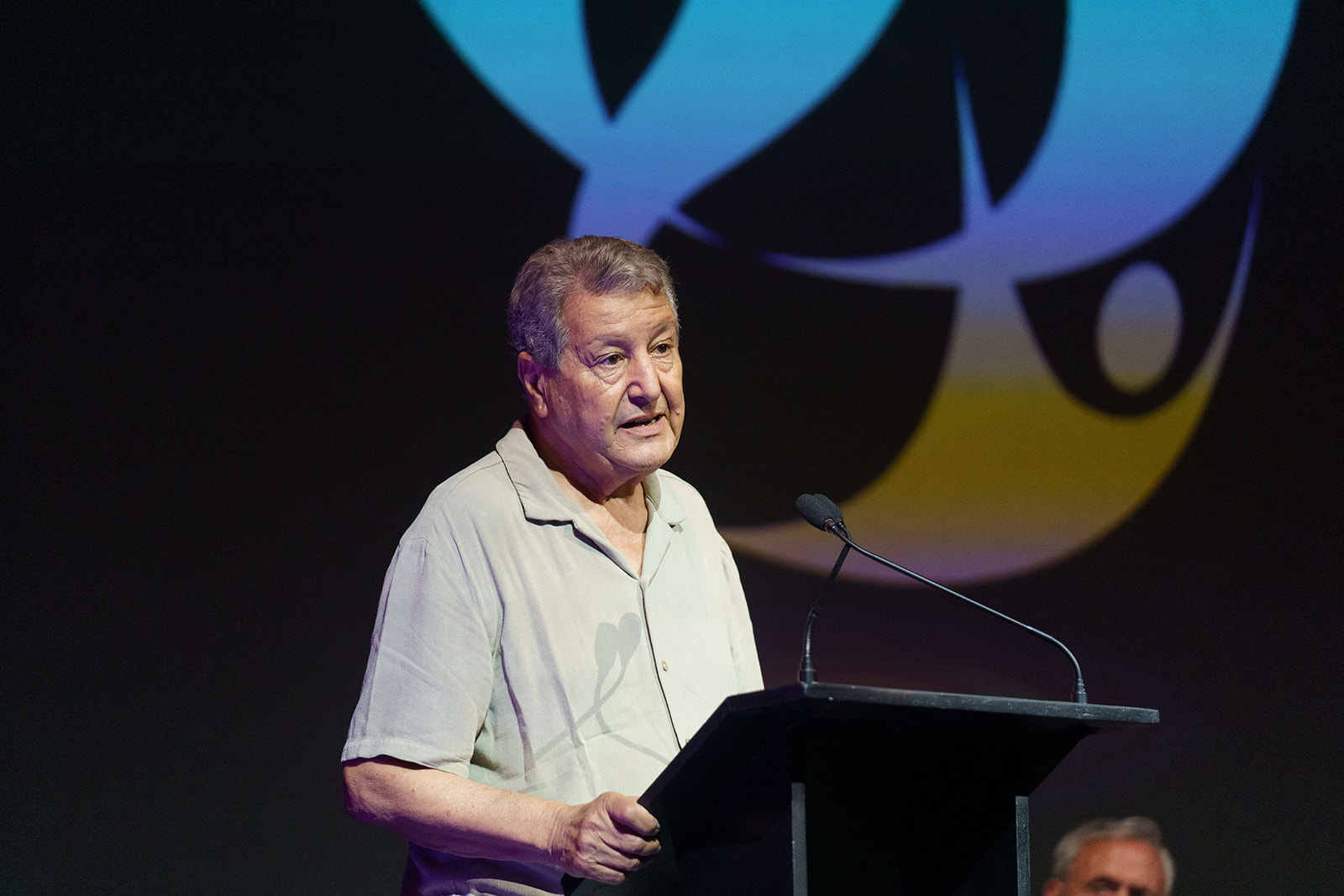
Campus Africa anticipated the official commemoration of Mandela Day, established by the UN on July 18, yesterday afternoon, July 16, with a session that invited deep reflection on the phenomenon of migration, led by political scientist and philosopher Sami Naïr, with the lecture: ‘'Myths, realities and challenges of African migrations: creator of the concept of co-development'’.
The event began with a welcome address by José Gómez Soliño, who spoke on behalf of the other co-directors of Campus África, Basilio Valladares and Inmaculada González, to highlight the importance of Mandela as a leading figure in the fight for human rights. For his part, Pedro González, Director of Foreign Action and Institutional Relations for the Tenerife Island Council, emphasized the “solidarity” repeatedly demonstrated by the people of the Canary Islands in the face of migration, “serving as an example for the rest of the world.”.
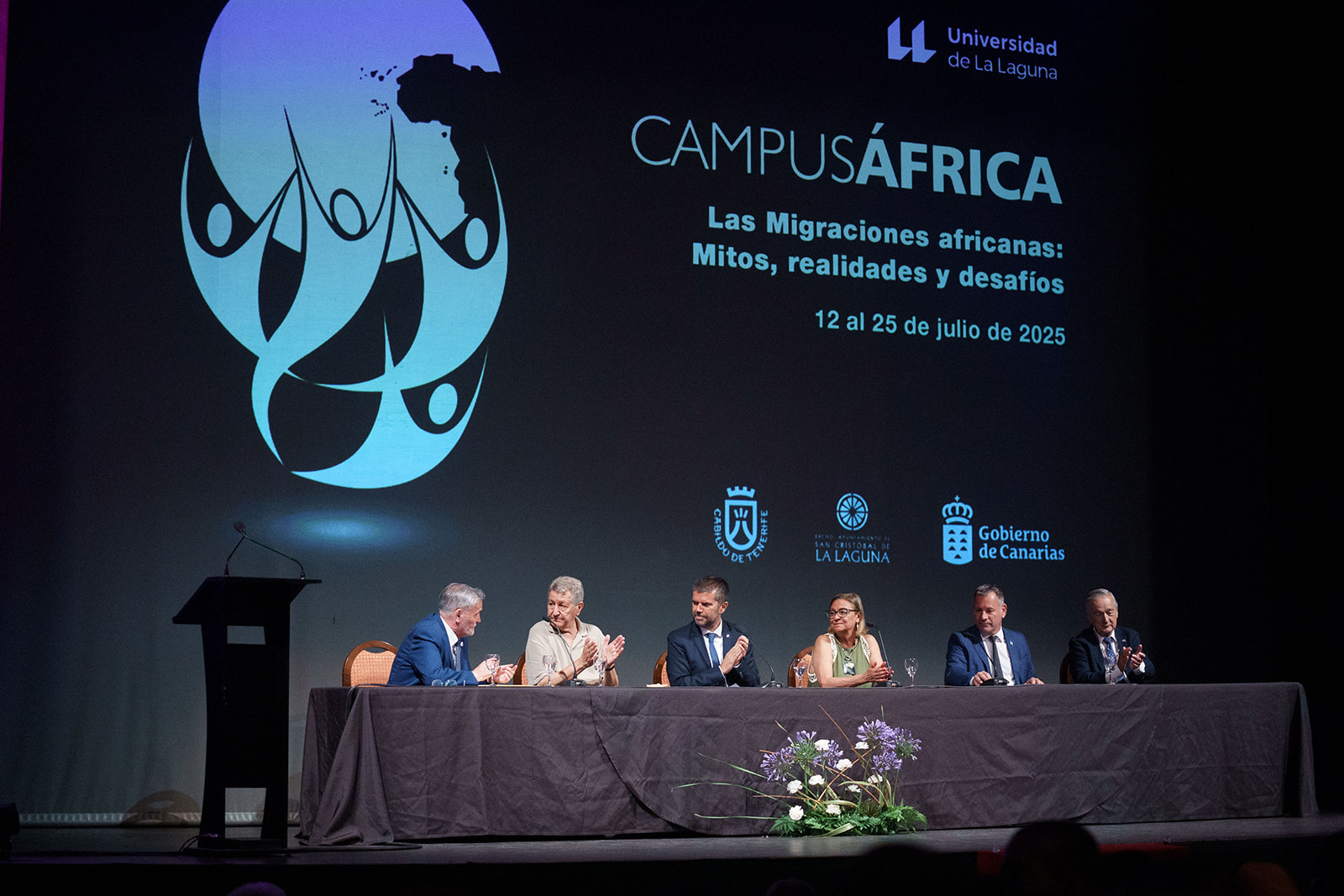 The Rector of the University of La Laguna, Francisco García, emphasized the importance of continuing to support a program that has trained 400 young people over its seven editions and highlighted its role in generating science and knowledge. “This year, a new feature is a specific program that brings together researchers from here and from Africa to continue building networks of understanding that will allow us to keep growing,” he stated. “We face the challenge of deconstructing the current view of migration, which is why I believe the mediating role of universities is fundamental in reclaiming a truth that seems to be in crisis,” he affirmed.
Sami Naír, current director of the Andalusian Mediterranean Center, began his presentation by acknowledging the value and impact of Campus Africa, stating, “This project is an example that fosters understanding and collaboration in such turbulent times as these.” He continued, “In the Canary Islands, migration management is crucial because Europe is watching what is being done here; I see it in the French media. If the forces of obscurantism prevail, it will be an eternal stain on the history of the Islands, but if, as I am convinced will happen, solidarity triumphs, the Canary Islands will be key to the development of a Euro-African, humanist, and compassionate society.”.
According to the expert, a lack of understanding of African realities is one of the major challenges facing Europe, a structural problem whose solution lies in education and outreach. Currently, Naïr noted, “Europe has entered a demographic winter“ with an increasingly aging population, a direct threat to European social systems. ”Europe is in crisis, but it seems unwilling to acknowledge it. Public funding is doomed to disappear in favor of privatizing services; we will see this with pensions, for example. Only those countries that have opened themselves up somewhat to immigration are managing to curb this phenomenon.“.
Naïr spoke of population growth in Africa, which he characterized as “normal,” a result of neglect by the developed world. This growth is linked to current migration patterns and, according to expert forecasts, will stagnate by 2050, as has already happened in China. “Today, the myth of an African migrant invasion persists, and this is shameful because it goes against truth and justice. The reality is that Africa is the continent that pays the highest price for immigration. Only 31% of Africans reach Europe, while the rest of the migration flow is internal,” the expert and analyst of migration patterns pointed out.
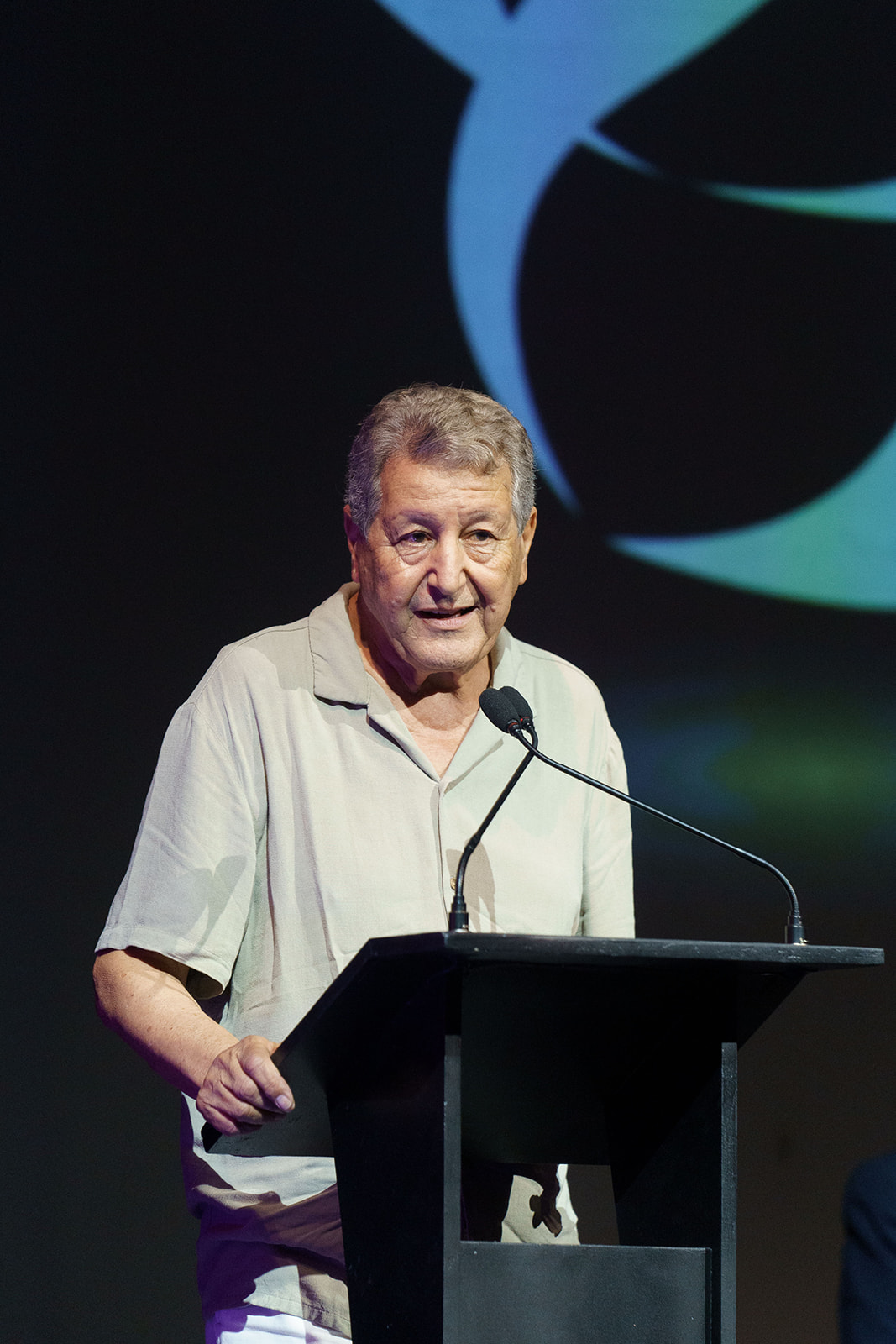 Ethnic and cultural identity, the philosopher pointed out, are factors directly influencing border closures, arguments being exploited to bolster far-right rhetoric and reinforce the misguided notion of a migrant invasion. “They prefer to see races instead of people integrated into society. The fear that exists and that has been amplified by the right is real, and we cannot ignore it; we must confront it and demystify it,” he added.
Among the challenges facing Europe, Sami Naïr highlighted the confrontational role that society must play in the face of the right-wing tide, as well as the strengthening of the democratic state through the articulation of strategies that include migrants, without overlooking young Spaniards, the strengthening of co-development policies between Europe and Africa, the implementation of employment programs, and the promotion of measures that focus on sustainability to combat the effects of climate change and its impact on migration flows.
Campus Africa Program
This international program maintains its commitment to contributing to the development of a dynamic knowledge community by involving scientific and higher education institutions in the continental and Atlantic regions. This year, a total of 54 scholarship recipients from Senegal and Cape Verde will benefit. Furthermore, as is customary, the organization offers the opportunity to share this educational and informational space with the public who wish to visit the various venues, thus creating an environment for interaction and reflection. The program can be found on the official Campus website: www.campusafrica.org. On July 25, Campus Africa will conclude this edition with the closing ceremony at the Royal Economic Society of Friends of the Country of Tenerife.

 Spanish
 English
 French