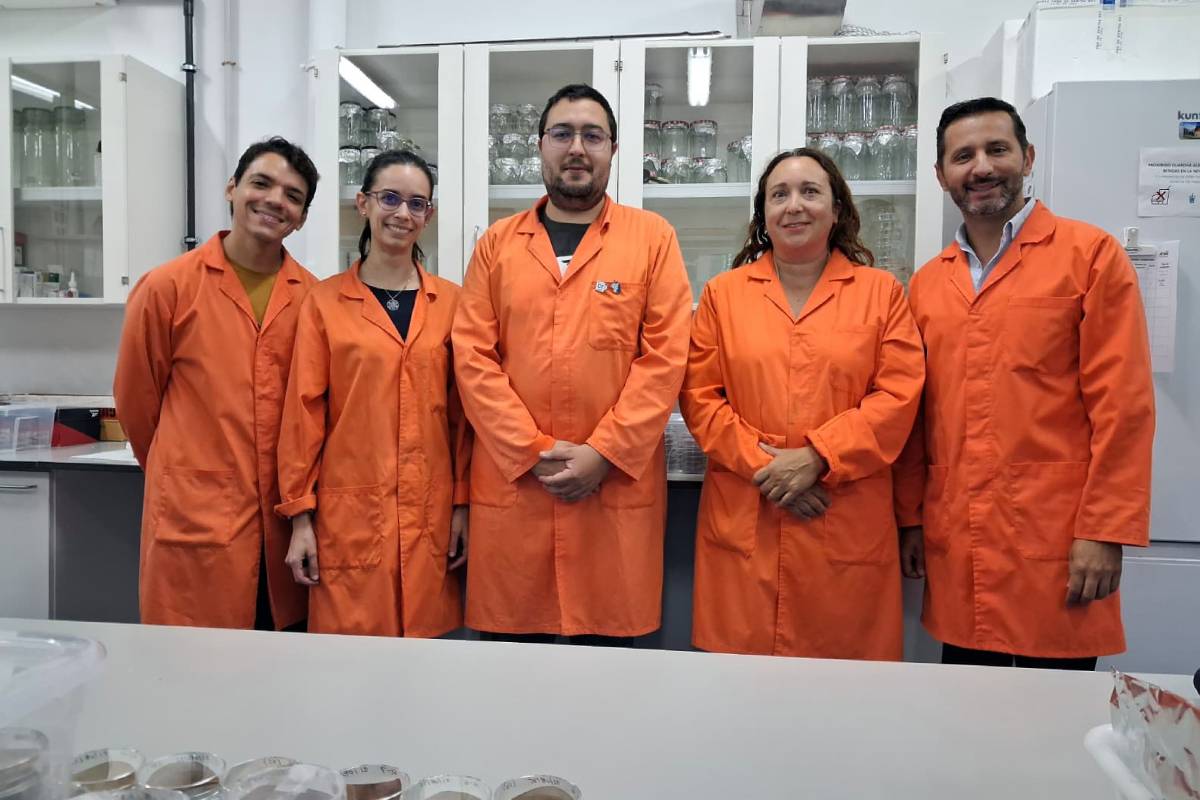
The University of La Laguna has launched a new Transfer Unit (U2T) called Polymer Analysis and Research (POLAR), specializing in the determination of microplastics in water. The laboratory, based in the Chemistry Section, has been promoted by the Research Group in Applied Analytical Chemistry who has extensive experience in this field, and is directed by the Professor of Analytical Chemistry Javier Hernández Borges.
Microplastics are tiny, water-insoluble solid particles composed entirely or partially of synthetic polymers or chemically modified natural polymers. They have become a global environmental problem. Their size, ranging from 1 micrometer to 5 millimeters, facilitates their entry into the food chain, and their resistance to degradation makes them highly persistent pollutants that, over time, can fragment into nanoplastics that are virtually impossible to eliminate. Recent studies on the subject warn of the numerous negative effects that micro- and nanoplastics can have on human health.
The European regulatory framework is already addressing this issue. Directive (EU) 2020/2184 includes microplastics on a watch list to assess their health risks and sets January 12, 2029, as the deadline for issuing a report on their presence in drinking water sources, making it necessary for member states to regularly determine their presence in these types of water.
On the other hand, the recently approved Directive (EU) 2024/3019 also establishes the obligation to determine microplastic concentrations in the influent and effluent of wastewater treatment plants (WWTPs), as well as in their sludge, whenever these are used in agriculture. The new POLAR transfer unit at the University of La Laguna was created precisely to anticipate the implementation of both directives in Spain.
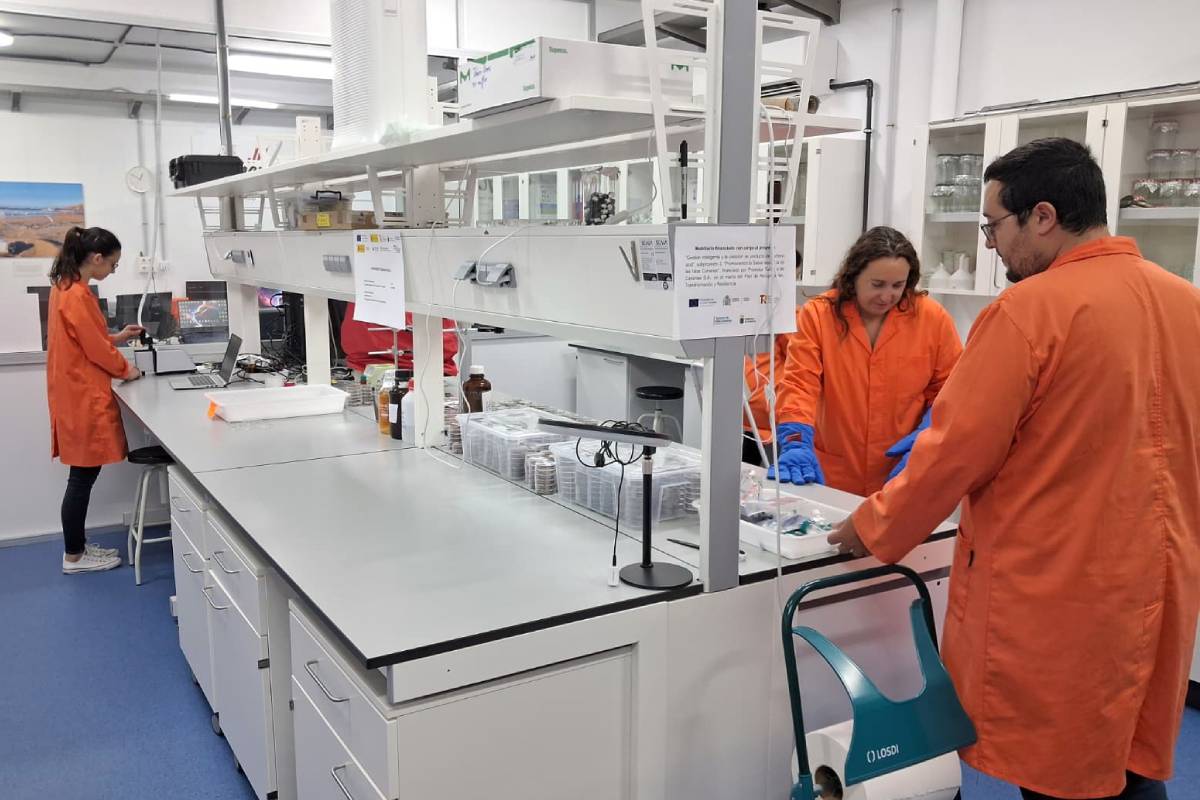 Versatile laboratory
Although this newly established laboratory specializes in the detection of microplastics in various types of water, its services also extend to the analysis of other substances and materials, such as table salts, soils, and beverages, among others. To carry out these analyses, advanced techniques are employed, including Fourier transform infrared microspectroscopy (µFTIR), pyrolysis coupled with gas chromatography-mass spectrometry (Py-GC-MS), and stereomicroscopy.
To ensure maximum reliability in the results, the POLAR team applies rigorous sample contamination control, as samples can be easily contaminated during handling with airborne microplastics, leading to false positives. This includes sample preparation and analysis in an ISO-6 cleanroom, the use of airtight chambers for sample handling, the continuous implementation of procedural and environmental blanks, and strict control of the reagents and solvents used, among other measures.
Individuals and entities interested in making inquiries or requesting a personalized quote tailored to their specific needs can contact this laboratory via email. polaru2t@ull.edu.es I am calling 922 31 86 70.
Transfer units
The creation of U2Ts like this one is part of the University of La Laguna's strategy to strengthen knowledge transfer and optimize the use of scientific and technological infrastructure. In addition to its research work, the unit aims to foster an entrepreneurial spirit within the academic community, offer practical training to students and recent graduates, and ensure the continuity of its technical team.
With this new unit, the academic institution reinforces its role in the investigation of these emerging pollutants and its commitment to environmental protection.

 Spanish
 English
 French