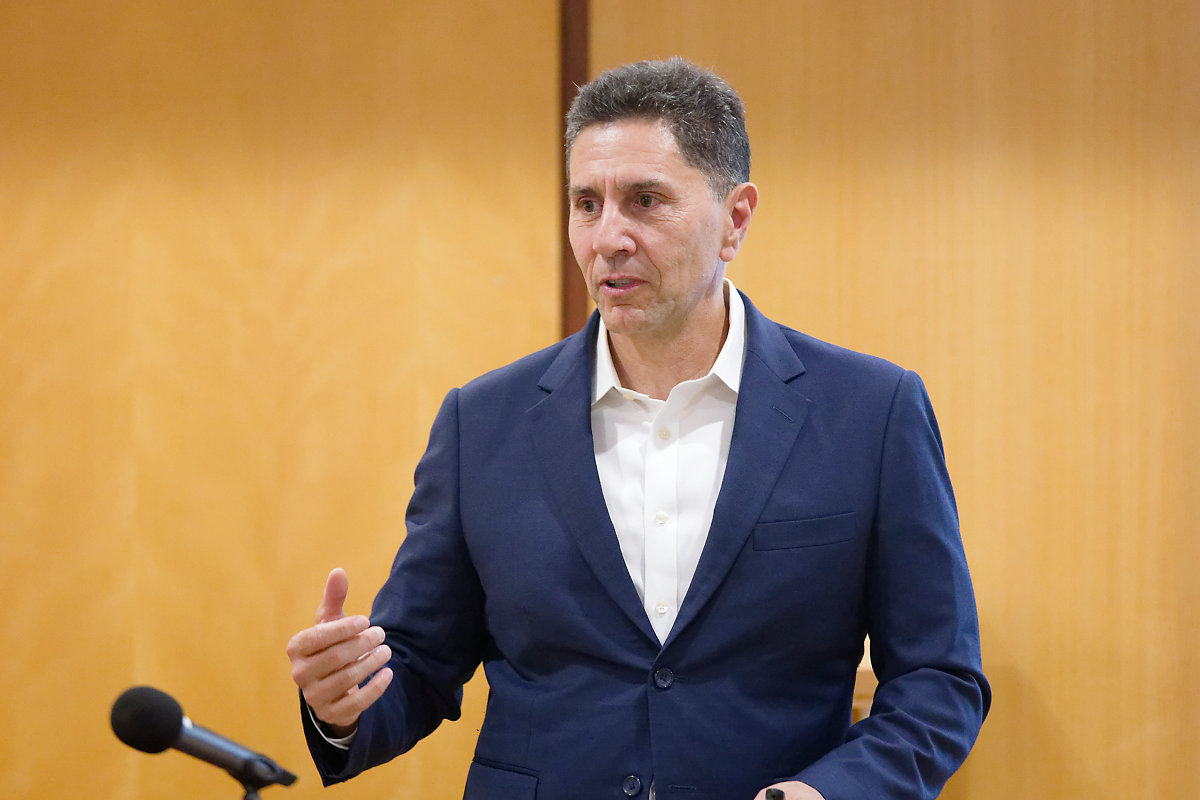
From September 18th to 20th, La Palma became the international epicenter of the debate on entrepreneurship with the celebration of the 10th International Workshop on Entrepreneurship organized by Global Entrepreneurship Monitor (GEM) Spain and the Entrepreneurship Section of the Scientific Association of Economics and Business Management (ACEDE)Among the invited speakers, the following stood out: Herman Aguinis, professor at the George Washington University, Avram Tucker, Distinguished Scholar and former president of the Academy of Management, who is considered one of the 100 most influential researchers in the world in Economics and Business, was also present. Just the day before the workshop, Aguinis also gave a talk at the Faculty of Economics, Business and Tourism.
With a career spanning more than three decades of teaching and research, Aguinis focused his presentation on the importance of human talent as the driving force behind any entrepreneurial initiative. “When I was a child collecting World Cup stickers from 1974, I realized something: the teams with the best players win. The same is true in companies today: the most valuable and difficult resource to acquire is people who are motivated and possess the right skills,“ he emphasized.
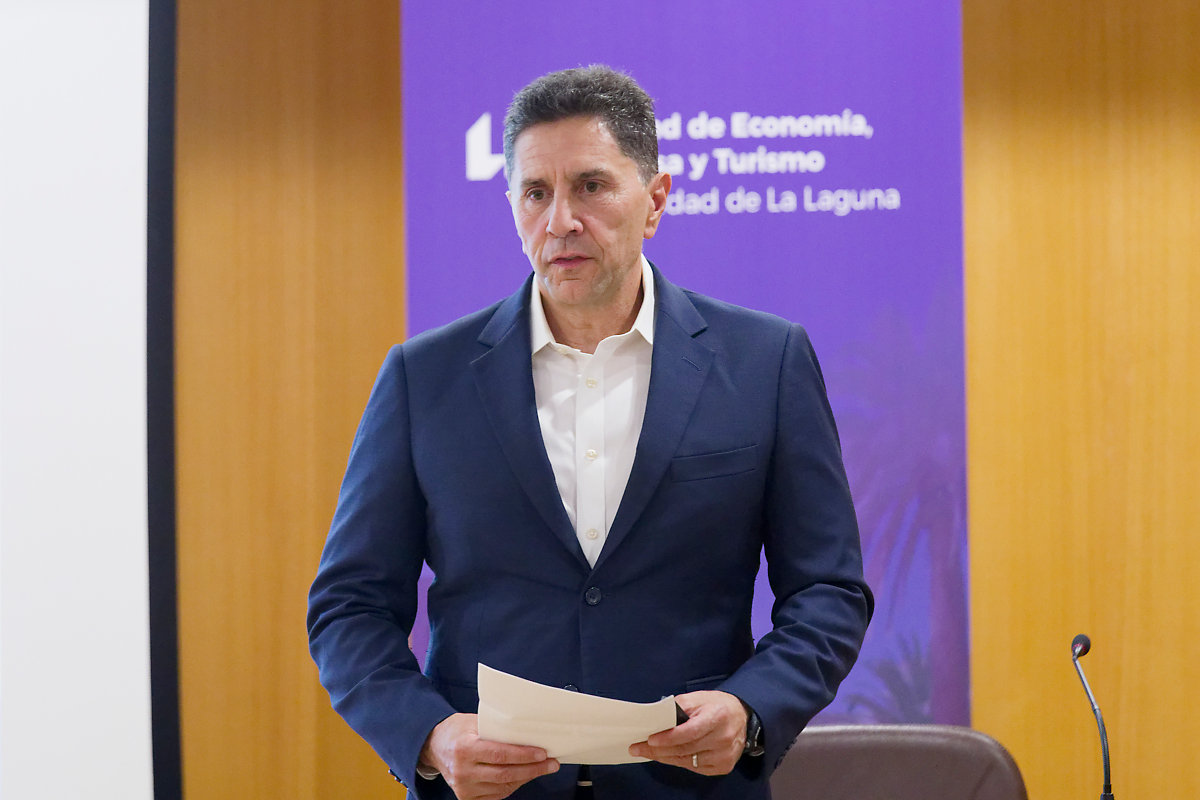 The academic warned about one of the most frequent mistakes in family businesses: hiring based solely on personal trust. “Trusting only someone close to you or someone you trust is a mistake. You have to analyze the job, identify the necessary skills, and train people. Trust alone is not enough,” he emphasized.
Another of Aguinis's key messages focused on the need to bridge the gap between academic research and business practice. “There is a disconnect: researchers feel frustrated because professionals don't use our research, and professionals feel frustrated because they think it's not useful. We need to translate our knowledge into something applicable, and at the same time, investigate relevant problems,” he noted.
In this sense, he proposed a direct approach between both worlds: “Invite a professor for coffee or a meal, tell them about your challenges. A joint research project can emerge that adds value to both science and practice.”.
Aguinis also shared his vision on the factors that make the difference on the entrepreneurial path. For him, success arises from the combination of technical knowledge and personal energy: “Mastering the product, knowing the customer, and understanding the industry are essential aspects, but equally important are motivation, persistence, and the ability to get back up after failure.”.
Along these lines, he offered an inspiring message to the entrepreneurial community: “Failure is not falling down: failure is not getting back up. All successful entrepreneurs have experienced setbacks, but what sets them apart is their passion for their idea, their service, or their product. That obsession is what ultimately leads to success.”.
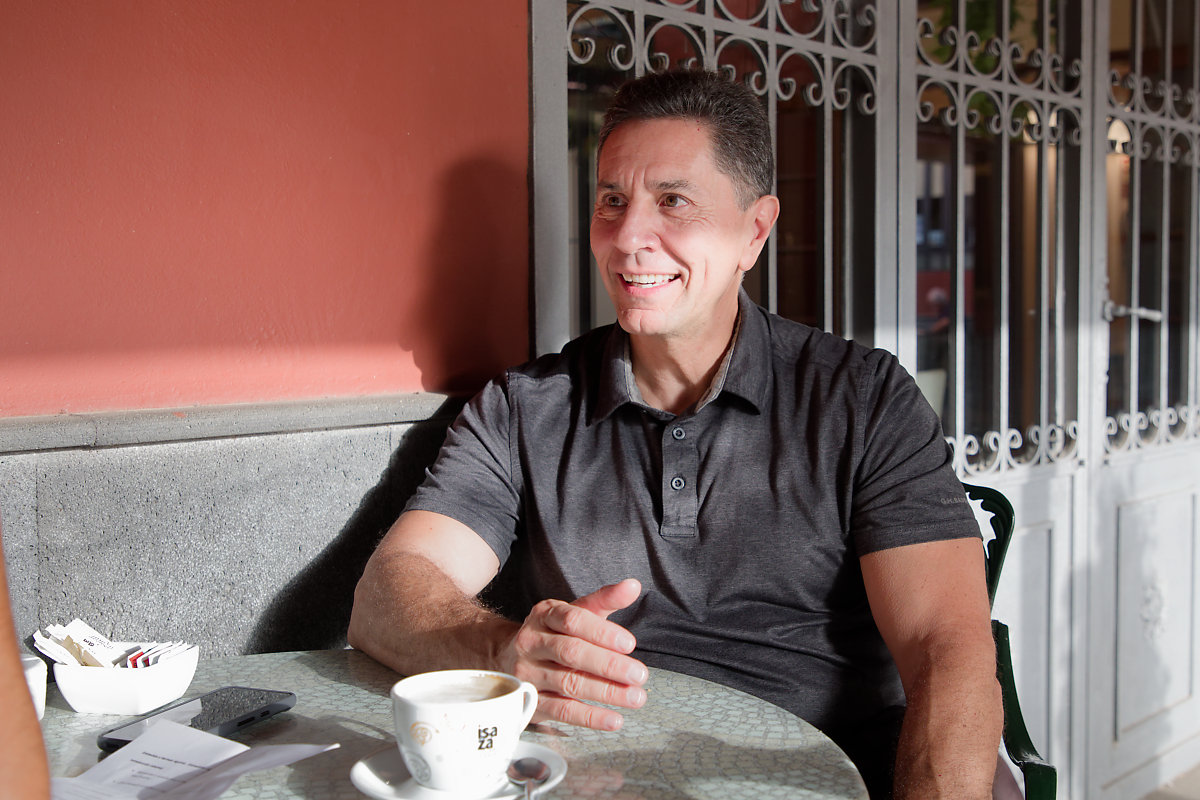 Furthermore, he emphasized that the rewards of entrepreneurship go beyond the financial: “People need to feel rewarded both financially and emotionally. When a project connects with values and purpose, it generates a genuine commitment to the community.”.
The choice of La Palma as the workshop venue had a strong symbolic component. Following the volcanic eruption, the island has become a symbol of collective resilience. Holding the event in this setting was intended to pay tribute to that capacity for overcoming adversity, reinforcing the idea that entrepreneurship can be a key tool for transforming challenges into opportunities.
Held at the H10 Taburiente Playa Hotel in Breña Baja, this workshop brought together researchers, educators, entrepreneurs, and professionals from various disciplines to reflect on the challenges facing territories and communities in a global context marked by uncertainty. The event highlighted entrepreneurship not only as an economic driver but also as a fundamental element for social cohesion, innovation, and territorial resilience.

 Spanish
 English
 French