A study from the University of La Laguna has identified an epigenetic index that links having suffered neglectful treatment to later becoming a neglectful mother. Child neglect is the most common type of abuse, in which the caregiver fails to meet the child's physical and emotional needs, creating risks to their life and cognitive and emotional development.
The identified marker, called the Epigenetic Maternal Neglect Index (EMN), does not imply genetic changes in these mothers, but rather modifications in gene expression as a result of environmental factors. In this case, these molecular changes make them more likely to reproduce the same neglect they suffered in the care of their own children.
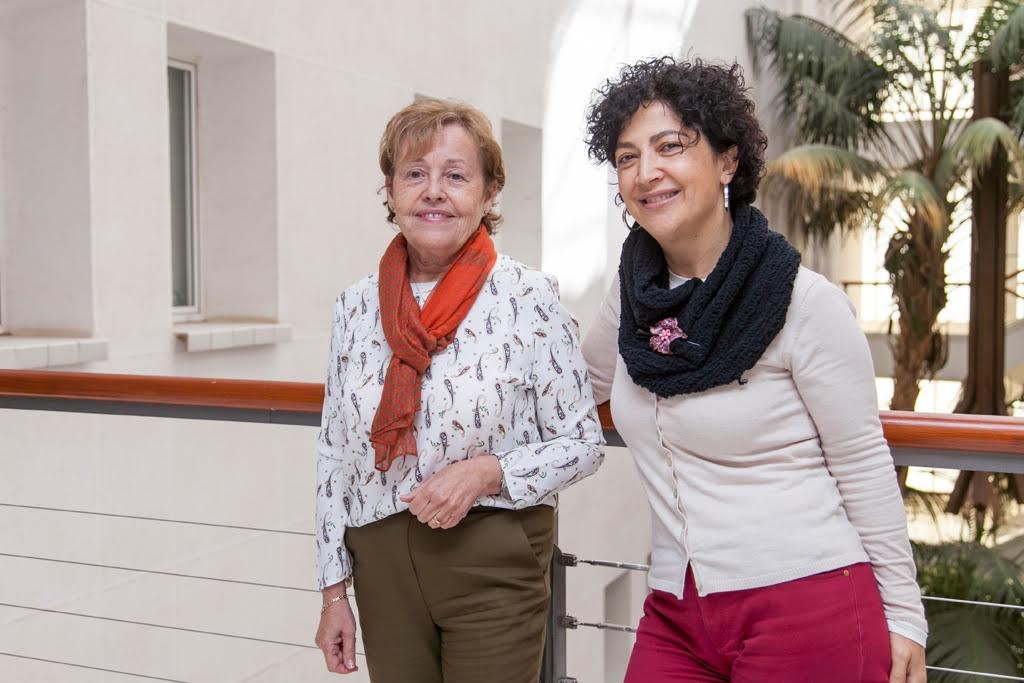
The investigation, published in the scientific journal Clinical Epigenetics, has been led by researchers from the University of La Lagna Immaculate Lion y María José Rodrigo. The work intertwines neuroscience, epigenomics, and psychology to create an index that quantifies the epigenetic footprint of childhood abandonment.
The study was conducted with 138 mothers of young children, 51 of whom were considered to have neglectful behavior, while 87 served as a control group. Using epigenomic analysis and artificial intelligence, an index was constructed that ranks each mother on a scale from healthy care to extreme neglect.
The researchers clarify that the sample was obtained through social services, requesting the most serious cases of neglectful behavior detected. In practice, these services typically have files on women, who make up the majority of those receiving assistance, which explains the focus on them. “We are not talking about negligent mothers, but rather parenting styles that could also apply to fathers,” they point out. They also acknowledge that further research is needed to analyze these cases in other parental profiles and that, in fact, in these cases the father figure is almost nonexistent.
The results show that mothers with neglectful care are the ones who have a much higher EMN, which corresponded to having suffered physical neglect in their childhood and presenting psychopathological symptoms in adult life, such as anxiety or depression.
In turn, a higher rate of maternal mortality (MMM) is associated with lower cognitive integrity and reduced emotional availability in interactions with their children, negatively impacting the emotional bond and the child's development. Genetic analysis corroborated that genes related to MMM are implicated in cognitive impairment and neuropsychiatric disorders, biologically validating the clinical symptoms observed in these mothers.
According to the authors of the study, the EMN makes it possible to explain how the epigenetic imprint of having suffered abandonment then has its effect on motherhood itself, acting as a risk factor in the intergenerational transmission of abuse.
Identifying maternal neglect presents an opportunity to develop early detection strategies for mothers who have experienced adverse childhood experiences. This allows for the identification of this biological profile and facilitates the implementation of prevention programs, psychological support, and maternal sensitivity training, all of which are essential for improving the mother-child relationship and breaking the intergenerational cycle of neglect.
These findings are complemented by another study A recent study by the same team, which examines the epigenetic similarity between mothers and children, revealed that the transmission of methylation profiles is not based solely on biological inheritance, but also on environmental factors. Specifically, it was observed that greater adversity in the mother's life was associated with lower epigenetic similarity with her children, while a longer period of cohabitation increased this similarity. These results underscore the importance of the Child Protection System's recommendation to intervene "the sooner, the better.".
The study involved researchers from the universities of La Laguna, Maastricht, California (Los Angeles, UCLA), Michigan-Ann Arbor and the Montreal Neurological Institute, through the McConnell Brain Imaging Centre and the Ludmer Centre for Neuroinformatics and Mental Health.
Scientific Culture and Innovation Unit (Cienci@ULL)

 Spanish
 English
 French