Asthma is a chronic respiratory disease that affects approximately 300 million people worldwide. While a significant proportion of patients achieve adequate symptom control through medication, a considerable number do not respond well to treatment and experience severe episodes known as asthma attacks or exacerbations. These attacks can significantly impair quality of life, even to the point of being life-threatening in the most severe cases. In fact, according to the latest global reports, it is estimated that nearly 500,000 deaths annually are due to asthma.
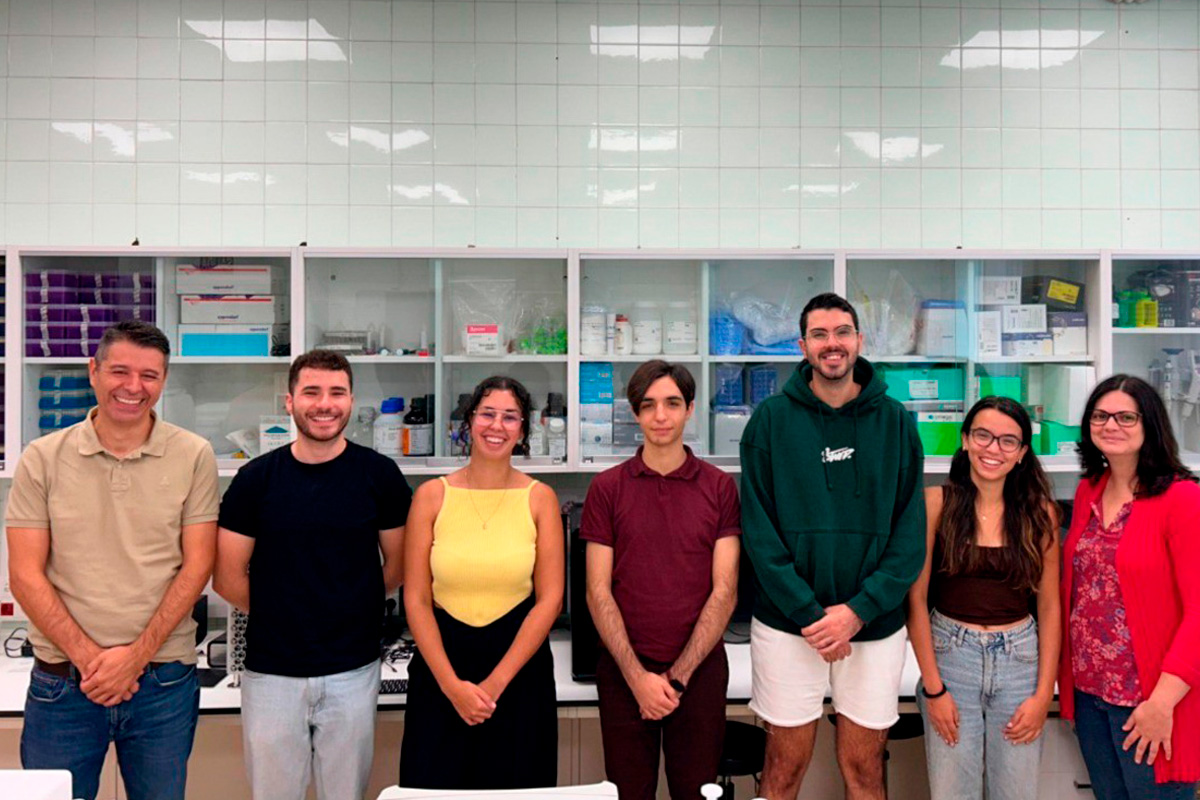
Researchers from the group of Genomics and Health Two articles from the University of La Laguna have recently been published in the magazine Allergy focused on the search for epigenetic markers that affect DNA methylation and that are associated with asthma exacerbations.
Asthma exacerbations not only directly impact the health and well-being of those who experience them, but also pose a challenge to healthcare systems. These episodes often require emergency room visits, hospitalizations, and intensive treatments, such as oral corticosteroids.
The complex nature of exacerbations stems from the interaction of multiple genetic and environmental factors. In this context, a particularly promising line of research has emerged: epigenetics, which is shaping up to be a key element in understanding the mechanisms underlying the development of exacerbations.
Epigenetics encompasses a set of molecular mechanisms that regulate the ability to use the information contained in our genome without altering the underlying sequence. Among the different epigenetic mechanisms, DNA methylation has been the most studied in the context of human health. However, the role of epigenetics in asthma attacks had barely been studied until a couple of years ago.
These studies have been developed as part of Elena Martín González's doctoral thesis, within the framework of a national research project funded by the Ministry of Science, Innovation and Universities, and directed by María del Mar del Pino Yanes, researcher in the Genetics area of the University of La Laguna.
The project has benefited from the collaboration of several participating research centers and hospitals, including the University Hospital of the Canary Islands, the University Hospital Nuestra Señora de Candelaria, and the University Hospital of Donostia. International institutions such as the Karolinska Institutet (KI, Sweden) and the University of California, San Francisco, have also contributed, along with the SysPharmPediA consortium, whose participation has been key to the development of this research and which includes researchers from the Netherlands, Germany, and Slovenia.
The first article presents the first epigenomic study on asthma attacks conducted in a European population. This study analyzed a total of 628 blood samples and 155 nasal swabs from patients in various European countries (Spain, Germany, Slovenia, the Netherlands, and Sweden). Analysis of these samples allowed for the identification of individual epigenetic marks and DNA regions with multiple epigenetic modifications, whose methylation levels were associated with exacerbations. Furthermore, it was observed that some of these epigenetic markers were shared with various phenotypes, including a biomarker of airway inflammation (the exhaled fraction of nitric oxide), insulin resistance, immune-mediated diseases and mortality, as well as prenatal conditions (preeclampsia, maternal body mass index) and environmental exposures (smoking and NO₂ exposure).
On the other hand, the second publication represents the largest epigenomic study focused on asthma exacerbations published to date, including more than 1,400 asthma patients from populations of European, Latin American, and African American descent. The inclusion of populations underrepresented in other studies allowed researchers to confirm the findings observed in European populations and discover new epigenetic markers associated with exacerbations.
Finally, these studies have helped identify several genes that are therapeutic targets for drugs under development or already approved for other diseases. Consequently, these drugs could be considered for reintroduction in the treatment of asthma and the prevention of exacerbations. However, longitudinal studies and the exploration of other epigenetic mechanisms are needed to advance toward personalized medicine that allows for more accurate prediction, prevention, and treatment of asthma attacks.

 Spanish
 English
 French