He Interreg-MAC program 2021-2027 A year ago, it launched an experimental call for capitalization projects in the field of climate resilience; that is, projects that consist of funding products, models, or methodologies that can be adopted and adapted by new actors, territories, or sectors. The objective is to provide a means of building upon or implementing the initiatives of the previous program (2014-2020).
The call for proposals was carried out in two phases. In the first phase, the capitalizable results corresponding to the previous period were identified, as mentioned, where 36 capitalizable proposals out of 54 passed the first cut (some of them belonging to the same project), and a second phase in which those selected in the first phase formulated more complete projects.
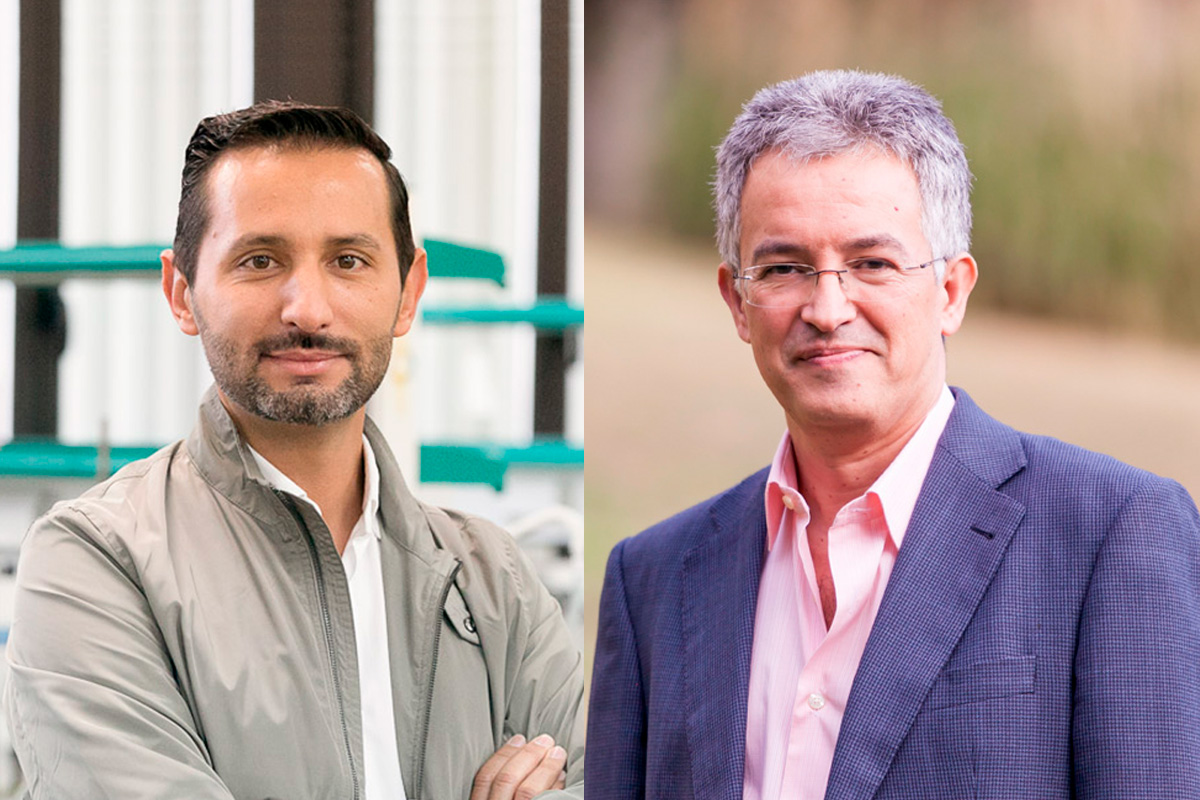
Following the final evaluation, only 16 projects were funded, including two led by the University of La Laguna, IMPLAMAC_Cap on 'Strengthening and implementation of microplastic monitoring methodologies in Macaronesia and their territorial transfer' (with a budget of 764,649.55 euros), coordinated by Professor Javier Hernández Borges, Professor of Analytical Chemistry, and those of the ECOTÚNIDOS_Cap project relating to 'Adding value to local artisanal fishing products: capitalizing on the ecotúnidos initiative in school canteens' (with a budget of 531,699 euros), coordinated by Professor José Jaime Pascual Fernández, Professor of Social Anthropology.
IMPLAMAC_Cap, which involves, in addition to the University of La Laguna, the University of Las Palmas de Gran Canaria, the Regional Agency for the Development of Research, Technology and Innovation of Madeira, the Regional Directorate of Maritime Affairs of the Azores, the University of Cape Verde and the Gaston Berger University of Senegal, aims to scale up and transfer the scientific methodology developed for monitoring microplastics in coastal areas, both on the surface and at depth, consolidating a regional observation system that allows for comparing data and strengthening environmental governance.
The methodology, validated and in use by various entities (in some cases only partially), will be adapted through the development of digital tools, automation of analytical processes, and training initiatives targeting new sectors and strategic audiences. The project aims to consolidate a shared and sustainable environmental observation model capable of generating comparable data across regions and contributing to more effective public policies against marine pollution, thus taking a further step in the fight against microplastic pollution in the Atlantic.
For its part, the ECOTÚNIDOS_Cap project, led by the University Institute of Social Research and Tourism of the University of La Laguna, has the participation of the Regional Secretariat of Agriculture and Fisheries (Regional Directorate of Fisheries) of the Government of Madeira and the Technological Institute of the Canary Islands as FEDER partners, in addition to the Institute of the Sea as a third country partner, along with six associated institutions from the Canary Islands.
The initiative aims to transform the value chain of artisanal fishery products in Macaronesia, promoting local processing, sustainability, and improved incomes for the sector. ECOTÚNIDOS_Cap builds on a pilot project launched in Tenerife in 2018, with organizations such as Islatuna and Pescarestinga, to optimize processing, deep-freezing, and marketing strategies focused on supplying local tuna cuts to school cafeterias. Recognized by the EU and FAO as an innovative best practice, the project is preparing to expand to more schools in the Canary Islands and adapt to Madeira and Cape Verde, with the goal of establishing itself as a regional leader in food sustainability.

 Spanish
 English
 French