
The Canary Islands have historically been home to fishing communities whose livelihoods depend on the sea. Today, aquaculture, alongside traditional crafts, is emerging as a key ally, since these two activities, far from competing, can complement each other to provide society with healthy and sustainable products.
In recognition and support of responsible fishing practices, the Food and Agriculture Organization of the United Nations (FAO) established World Fisheries Day in 1998, celebrated every November 21, to highlight the importance of sustainable management of marine resources and the efforts of those who depend on them.
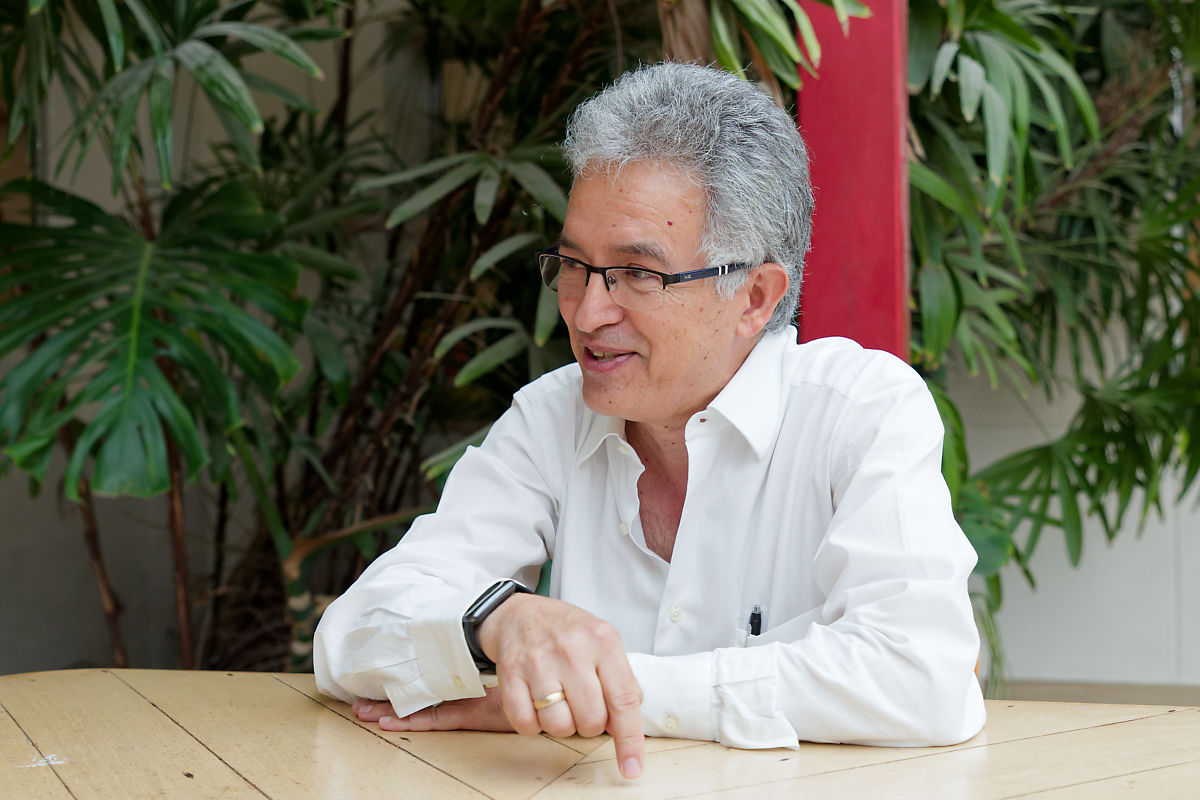
Artisanal fishing in the Canary Islands has undergone significant changes, from technology and the market to regulations. "Everything has become much more formalized," he says. José Jaime Pascual Fernández, professor of the research group “Fishing, tourism and natural resource management” (FISHING“We’ve gone from an administration tied to the naval commands to civilian management,” he points out. “Currently, the administrative complexity has generated an overload of regulations that, from my point of view, is affecting the generational renewal of the sector,” he explains. “In the early 1980s, the communities were very vibrant, with many young people joining the sector. Today, that’s much rarer, and the entry of young people is concentrated in certain communities,” he adds.

José Pascual.
Despite the changes, the Canary Islands' fishing fleet remains largely artisanal compared to other regions of Spain. "Tuna boats use traditional techniques, such as lines, rods, and hooks, which is uncommon in other parts of Spain, where methods like trawling or longlining are particularly prevalent," he explains.
Furthermore, the active participation of fishermen in the design and creation of marine reserves and protected areas has proven fundamental. “In general, those that have involved local stakeholders in their design have ended up working much better,” says Pascual Fernández. “Fishermen can help prevent opportunistic behavior,” he adds. Conversely, when measures are imposed from above, without the agreement or participation of local stakeholders, the attitude tends to be passive.
Another aspect to consider is the slowness of the process for creating these designations. “If you want to establish a marine reserve or a protected area overnight, the situation becomes complicated, because there isn't enough time to develop the participatory processes and bottom-up decision-making,” she points out.
The role of women
Women have always played an important role in fishing. Traditionally, they were in charge of marketing the fish, such as taking it to markets, exchanging it for other products, and making sure it reached families. “It was complicated and very hard work: because of the distances, the weight, and because on many occasions they didn't sell the fish and had to exchange it for potatoes or other vegetables,” she says.
“In all the fishing communities I studied, there have always been cases of women who regularly went to sea with their partners or fathers when necessary, even though it wasn't socially acceptable. They broke the taboo 'that skirts weren't allowed on boats, neither priests' nor women's,' because it was necessary,‘ the researcher explains.
Today, their role is much more diverse and significant. Many hold key positions in the management of fishing guilds, fishing companies, and coastal action groups. There are also women who regularly go to sea, asserting their right to fish like any other member of the community.
The challenge of food
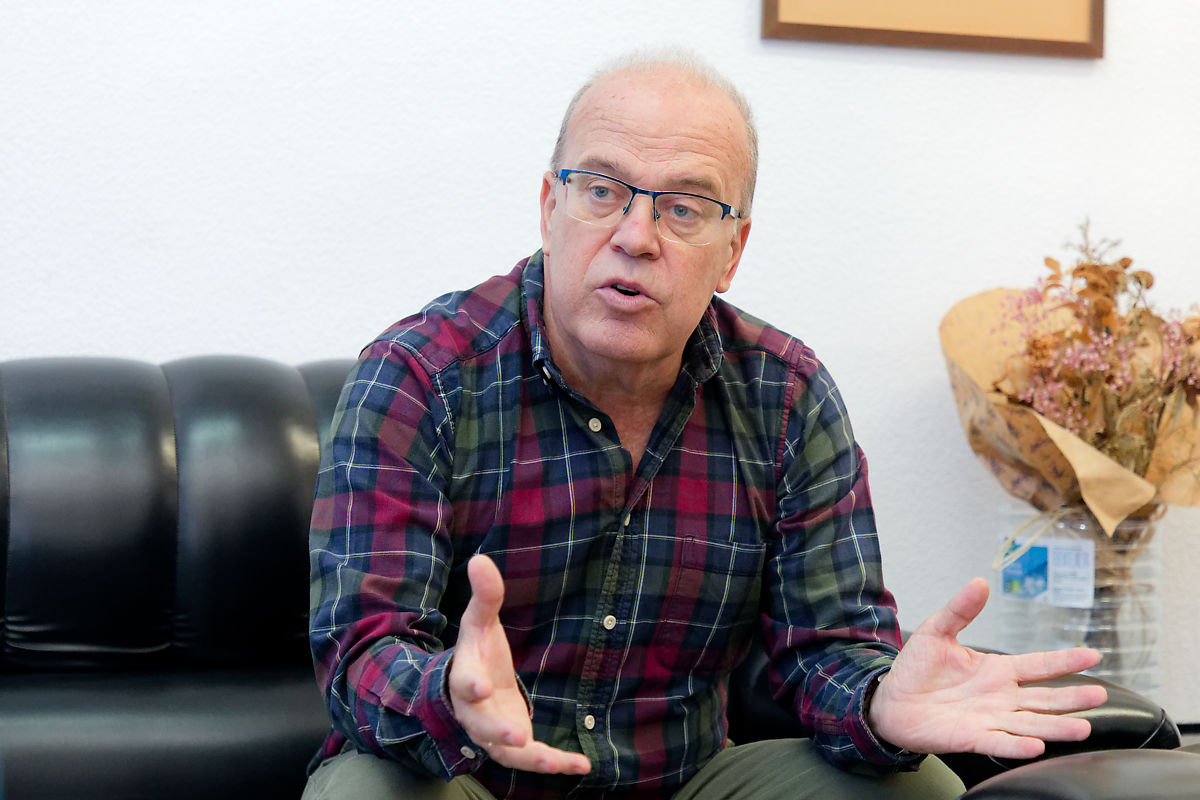
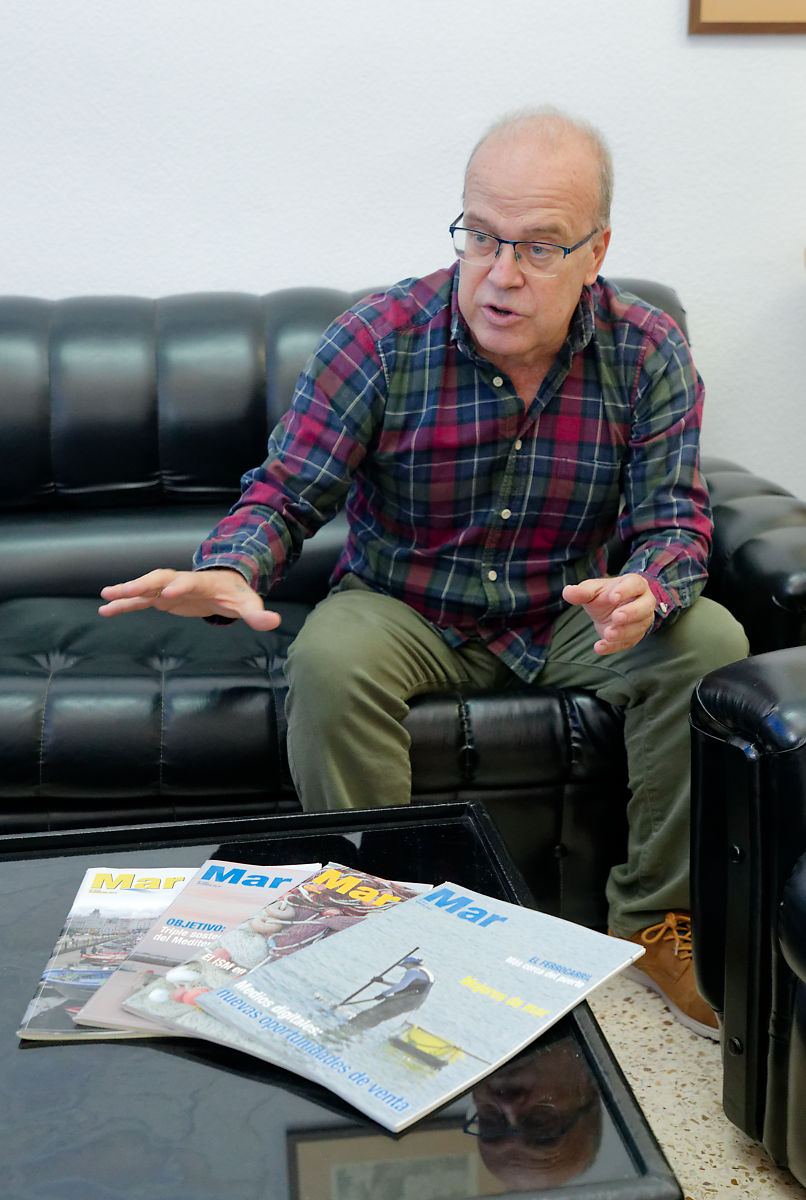
José Antonio Pérez.
Despite the strong cultural connection to the sea, fish consumption among younger generations is surprisingly low. “People over 65 consume about five times more fish than those under 35, and children consume very little,” he states. Both Pascual Fernández and José Antonio Pérez Pérez, PhD lecturer in the research group. “Physiology of lipids and their derivatives in animal and human nutrition” (NUTRAHLIPIDSThey consider it a serious problem, since seafood is one of the most important sources of long-chain omega-3 fatty acids, vitamins and minerals.
According to Pérez Pérez, omega-3 fatty acids offer benefits for cardiovascular health, neurodegenerative diseases, and the cognitive and visual development of infants. Their absence in children's diets can pose a risk to public health. Furthermore, tuna, which has been the backbone of artisanal and semi-industrial fishing in the Canary Islands since the 19th century, continues to be exported only to be re-imported already processed, frozen, or chilled.
To reverse this situation, a pilot project was launched in 2018 in collaboration with fishing organizations such as Islatuna and Pescarestinga, with the aim of optimizing processing, deep-freezing, and marketing strategies focused on supplying local tuna cuts to school cafeterias. “Throughout this time, we have relied on various research projects, such as MACAROFOOD, FOODE, and THINKINAZUL, to keep it going,” explains Pascual Fernández.
Currently, the team has a specific InterregMAC project, ECOTÚNIDOS_Cap, which reinforces this work. The group has also created an informative fanzine about local fish in school cafeterias, published in the magazine Frontiers for Young Minds, which has proven very useful for a wide variety of audiences, both children and adults.
 External impacts on artisanal fishing
In addition to the challenges inherent to the sector, fishing communities have had to adapt to external phenomena such as mass tourism and urban development pressures. “We began studying this in the 1980s,” recalls Pascual Fernández. “We started with a project led by Alberto Galván, analyzing how fishing activity was transforming in different areas of the Canary Islands.”.
In places with more nascent tourism, such as San Miguel de Tajao in Tenerife or Puerto de Las Nieves in Gran Canaria, the effects were minimal. However, in areas with significant tourism development since that time, such as Mogán in Gran Canaria, tourism was already beginning to displace the traditional inhabitants. “The impact on the use and ownership of the coastline was very visible. The traditional inhabitants were simply being displaced because other actors, with greater economic means, could acquire the prime beachfront properties,” he explains.
This phenomenon has also influenced the composition of the workforce: “This situation has led to job offers linked to tourism attracting many young people, who are leaving the primary sector, agriculture and fishing,” he points out.
Aquaculture
Meanwhile, aquaculture has become a key element in ensuring the supply of healthy, high-quality seafood without further increasing pressure on the oceans. In the Canary Islands, the arrival of aquaculture in the 1990s generated misgivings among the artisanal fishing sector.
However, the evolution of the activity and scientific evidence have shown that no such rivalry exists. On the contrary, in the Canary Islands, it has become clear that artisanal fishing and aquaculture strengthen each other. “It has been demonstrated that they are not competitors. They are complementary activities,” Pérez Pérez emphasizes.
In fact, the Canary Islands foster this coexistence. Aquaculture works with species and processes that are not part of artisanal fishing. Furthermore, many Canarian aquaculture companies employ fishermen as boat captains or net menders, creating synergies between the two activities.
It's worth noting that Spain is the leading aquaculture producer in Europe. "We are pioneers in mussel production," says Pérez Pérez. Furthermore, the Canary Islands are among the autonomous communities with the highest aquaculture production, thanks to their highly favorable marine and temperature conditions for the sector's development. "The ocean's year-round temperature stability improves growth and reduces disease in the organisms," the marine biologist explains.
Sustainable Blue Economy
These activities fall within the concept of the blue economy, an approach that seeks sustainable economic development linked to the sea. According to Pascual Fernández, this concept first emerged in a 2012 European Union communication under the name "blue growth," focused on activities with high expansion potential, such as marine mining, maritime tourism, and offshore wind energy. However, the document overlooked traditional sectors like artisanal fishing and maritime trade, which have historically generated employment and wealth. "Therefore, there was significant rejection of that document and its arguments," recalls the sociologist and anthropologist.
More recently, in 2021, the European Commission presented the concept of a sustainable blue economy, which integrates all economic activities linked to the sea in a more balanced way, including the most traditional ones. “The document addresses how to organize the uses of the sea in a context where there are ever-increasing demands on space and territorial resources,” explains Pascual Fernández. He warns, “Often, management and planning have not been done properly, neglecting activities that have been carried out for centuries, such as artisanal fishing, and this is something that is now being addressed.”.
 Algae and invertebrates
Research projects like THINKINAZUL are currently working on developing new products based on algae—both macro and microalgae—and marine invertebrates, such as sea urchins and sea cucumbers. “Algae have immense potential,” says Pérez Pérez. Microalgae, for example, are cultivated on land using highly efficient production systems, which reduces pressure on ocean resources. “It seems illogical that to feed a fish, the ingredient has to be obtained from the sea,” he points out.
Given their exceptional nutritional composition, algae and other marine-derived ingredients are used not only in aquaculture but also in terrestrial livestock farming, such as poultry and swine, and in pet food. Their richness in omega-3 fatty acids, vitamins, and minerals opens up a new horizon of applications in sectors such as food, cosmetics, pharmaceuticals, and even bioenergy.
Both algae and invertebrates are biological resources with enormous potential as functional foods. This is a very new sector, one that the NUTRAHLIPIDS research group entered less than five years ago and which is offering the opportunity to diversify species production, as demanded by the European Union.
Along these same lines, the group has developed a research program for the comprehensive valorization of blue shark heads, with the aim of moving towards a zero-waste model. “The oils extracted from sharks contain compounds that are very important for health,” he points out.
The Canary Islands combine fishing tradition, aquaculture expertise, and marine research, giving them the potential to drive the transition to a sustainable marine model. In this way, artisanal fishing and aquaculture are working together to achieve this goal.
(This report is an initiative framed within the InvestigaULL Commemorations Calendar, a scientific dissemination project promoted by the University of La Laguna).
Scientific Culture and Innovation Unit (Cienci@ULL)

 Spanish
 English
 French