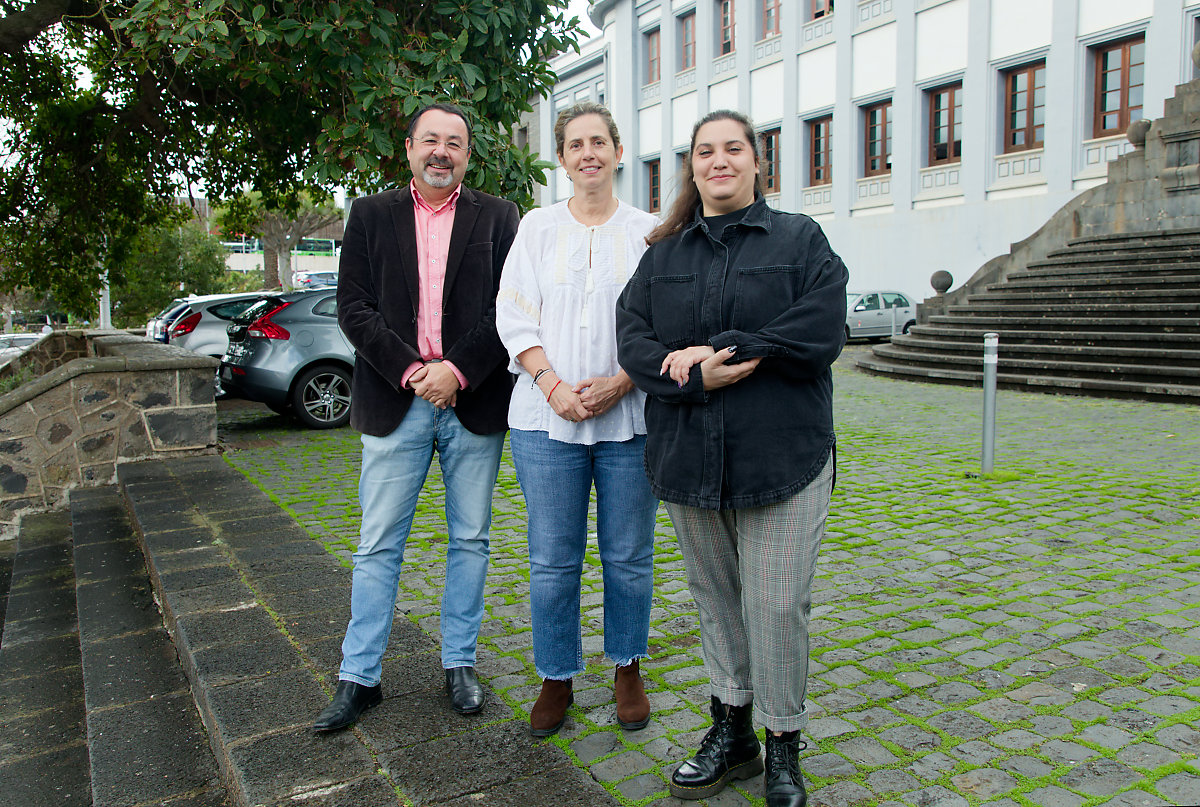
The United Nations Convention on the Rights of Persons with Disabilities, adopted in 2006, has in recent years driven a shift in focus from the traditional medical model, centered on welfare, towards a Social Model of Disability. This new model emphasizes rights, autonomy, and the elimination of physical, social, and attitudinal barriers that limit the full participation of people with disabilities in society. We spoke with several professors at the University of La Laguna (ULL) to learn more about this approach.
For María del Carmen Rodríguez Jiménez, professor at the University of La Laguna and director of the Institutional Chair in Research and Innovation in Hearing Impairment and Accessibility, Disability enriches society: “We all have some kind of difficulty or disability in our daily lives.” Recognizing that we are all different, she affirms, allows us to understand that each individual needs responses or adaptations tailored to their reality. However, she warns that the social debate on full accessibility and inclusion still lacks the necessary resources to be fully effective, especially regarding the training and awareness-raising of professionals in various fields, so they can provide appropriate support to people with different types of disabilities.
For their part, David Pérez Jorge, Professor of Didactics and Educational Research and head of the Research Group on Diversity, Health and Education (DISAE), He emphasizes the importance of raising awareness throughout society, and especially among those in political positions, so that they adopt measures that guarantee equal access and opportunities, the elimination of barriers, and full inclusion, regardless of each person's condition, without creating selective or discriminatory spaces. "If a society needs to provide places where people with disabilities can stay when they are not in school, this is clear evidence that we are not an inclusive society, but a segregating one," the specialist points out.
Both researchers at the University of La Laguna (ULL) focus their work on key aspects of advancing the normalization of disability and achieving the UN's theme for this international day: fostering inclusive societies for social progress. Rodríguez Jiménez, in particular, directs his work, both in research and as chair of the university, towards improving accessibility in all areas for people with different sensory disabilities.
Furthermore, as a member of Research Group for Education in Diversity (GIED), Her research focuses on educational inclusion, diversity, and quality of life for people with disabilities. Meanwhile, Pérez Jorge's research centers on inclusive education and how to improve the response of schools to these realities.
Sensory accessibility and innovation
The Research Chair in Hearing Impairment and Accessibility, launched earlier this year by the University of La Laguna and the Tenerife Island Council, works to promote training, innovation, and dissemination in the fields of hearing impairment, visual impairment, and deafblindness. To this end, various initiatives are being developed to improve professional practices from a multidisciplinary perspective. The work of this platform extends to all sensory disabilities, as reflected in the various working groups in which researchers and specialized professionals from several universities collaborate, including Valladolid, Complutense and Autonomous University of Madrid, International University of Valencia, and the University of Extremadura.
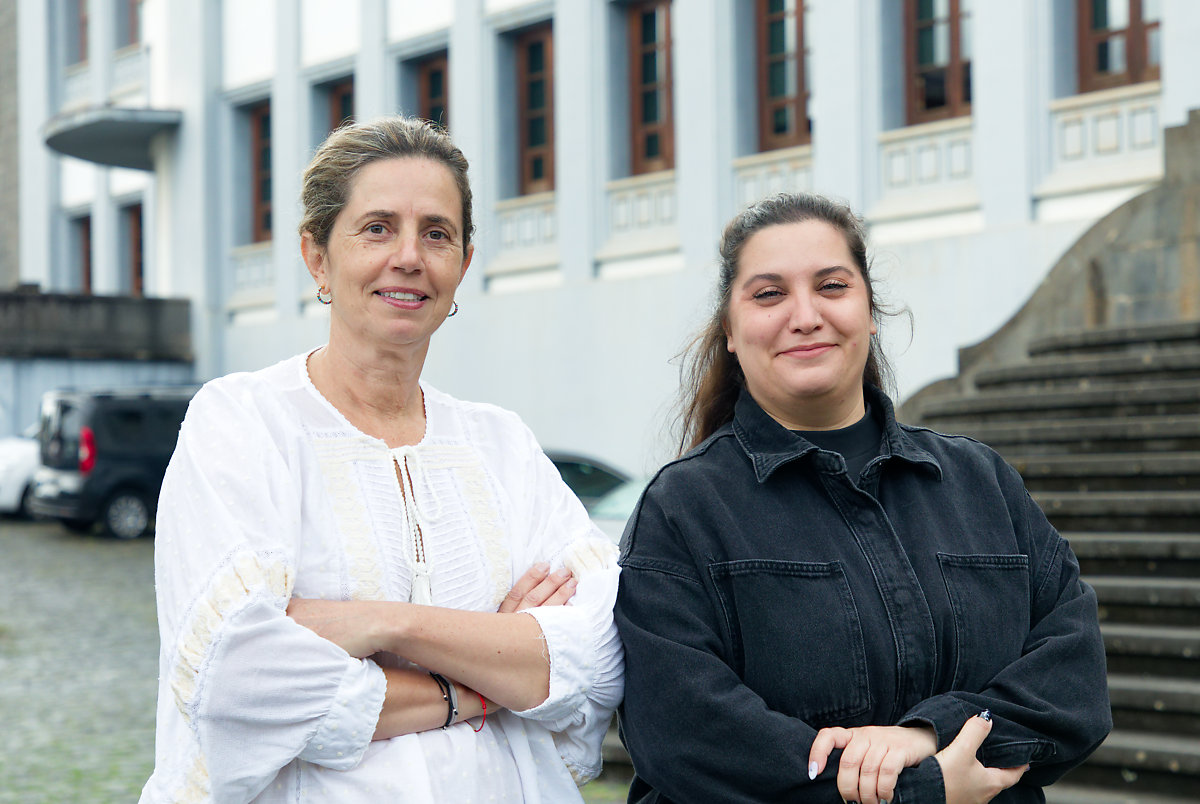
María del Carmen Rodríguez Jiménez and Irene Puerta.
The Chair's director emphasizes that an essential aspect of their research is collaboration with associations working with people with disabilities, such as the Association of Deafblind People of the Canary Islands. Recently, in collaboration with this organization, they conducted a study on the quality of life of deafblind people in the Canary Islands, a project that was presented The study was presented by the chair's secretary, Irene Puerta Araña, at the 1st National Academic and Professional Congress on Social Services and Social Inclusion, organized by the La Laguna City Council. Based on this research, they emphasized the importance of continuing to collect data to inform public administrations' actions aimed at improving the living conditions of this group. "We collaborate with these organizations to identify needs and develop research projects that can offer them solutions and tools," Rodríguez Jiménez noted.
The results of this research were also presented at the 1st International Congress on Deafness, Hearing Impairment and Deafblindness: Advances, Challenges and Future, celebrated Last October at this university, this meeting provided a space for dialogue between specialists from different research organizations and allowed them to share updated information on the latest advances in areas such as education, sign language, accessibility, auditory rehabilitation and habilitation, as well as the technologies applied to these fields.
In the case of deafblindness, Rodríguez Jiménez points out that it is one of the least visible disabilities in our society and that the lack of resources is especially limiting. Without communication mediators or family members who can provide support, for these individuals, “the world ends where their hands can reach,” the researcher emphasizes. Furthermore, she underlines that numerous accessibility barriers still persist in everyday services, such as public administration or banks.
Along these lines, research projects focused on innovation are also gaining importance, such as the ongoing study on sound quality perception in people with cochlear implants and its impact on their quality of life. Rodríguez Jiménez also highlights the start of a collaboration with the University of Cambridge to develop new technologies applied to this field, using tools such as virtual reality.
Expert advice
The chair also develops other initiatives, such as the publication of the book Speech therapy and educational approach for students with cochlear implants, by Rodríguez Jiménez and Irene Puerta Araña. Training activities are also being promoted, including practical sign language courses and workshops aimed at fostering inclusive communication in the university classroom.
In this ongoing advisory work, the chair's director emphasizes that small steps toward inclusion are also being taken within the university setting. One example is the installation of hearing loops in the Paraninfo and the Blas Cabrera Felipe Auditorium of the Physics and Mathematics Department, which allow hearing aid users to connect via Bluetooth to the audio feed of lectures and other events held in these spaces, thus facilitating a more accessible listening experience.
Among the outreach initiatives developed during these first months of work, the researcher highlights the organization of inclusive workshops for deaf and/or hard-of-hearing individuals and deafblind people, in which children and their families participated, along with sign language interpreters and social integration workers. Rodríguez Jiménez emphasizes that it is essential to involve families in these kinds of activities, as they promote social and educational integration. She also points out that this area of work continues to be one of the essential pillars of the Chair, which seeks to provide support to both students with various disabilities and professionals in training.
In recent years, the ULL has made a significant effort to support students with disabilities and specific educational support needs (SEN) through the Program for Attention to Students with Specific Educational Support Needs (PAED). In the current academic year, this service has seen an increase in the number of enrolled students, reaching a total of 273 individuals requesting some form of assistance, the vast majority of whom are enrolled in undergraduate studies (95%). In addition to serving students with certified physical, mental, or sensory disabilities, the program also offers support to those with difficulties in social interaction or specific learning difficulties. Among the adaptations provided to PAED participants are assistance in removing architectural and communication barriers, as well as proportional extensions of time for assessments.
The program works in constant coordination with the Special Educational Needs (SEN) tutors, professors from different faculties who support students enrolled in each center and foster an inclusive environment that guarantees their rights. It also collaborates closely with the Support Services Office, which is responsible for managing technical assistance such as the presence of Spanish Sign Language interpreters, access to FM systems for hearing aids and implants, and transportation assistance for these students.
Inclusive educational design
For his part, Professor David Pérez Jorge, a specialist in inclusive education, emphasizes that the university must play an active role in social transformation, especially in aspects such as the promotion and development of inclusion and in the training and qualification of those who will implement these changes in educational centers.
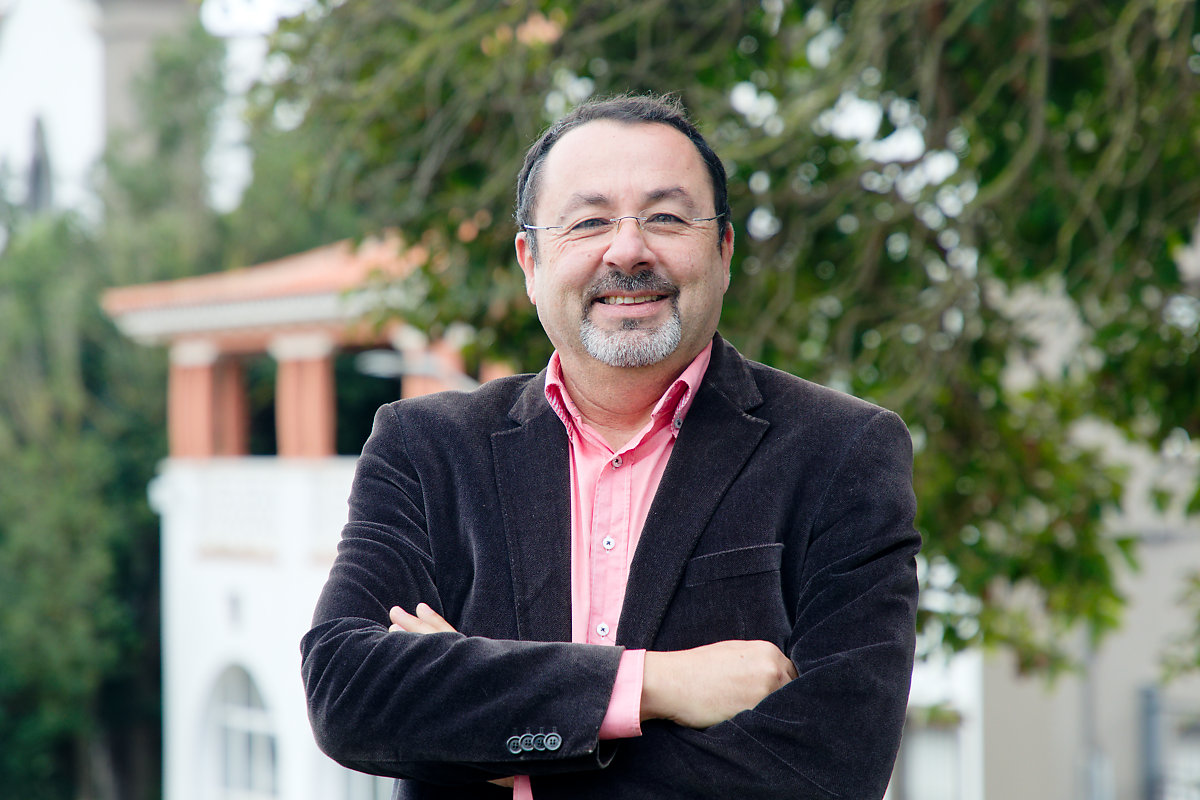
David Pérez Jorge.
In his case, and due to his previous professional experience as a teacher and counselor, he develops his research in collaboration with professionals in the educational field, with the aim of understanding their needs and addressing those aspects in which the results can generate tools transferable to his daily practice.
The specialist points to two main lines of inquiry guiding his group's work: firstly, strengthening teacher training in disability and in responding to special educational needs and specific educational support needs. According to Pérez Jorge, addressing diversity must be supported by policies that enable schools to have teachers trained in disability and specialists capable of detecting and responding early to learning difficulties associated with it.
However, with increasingly high ratios of students with different types of disabilities and educational needs in classrooms, many teachers feel overwhelmed and unable to adequately address the individual needs of each student. “It’s about adopting a more preventative model, not one focused solely on intervention.”.
Jorge Pérez argues that schools must move towards practices based on cooperation among the various educational stakeholders, understanding diversity as a value and not as an organizational problem, and adapting the educational system to individuals, not the other way around. These practices form the basis of the Universal Design for Learning (UDL) model. However, the expert warns that there is still resistance to recognizing educational needs as a non-exceptional condition. The researcher explains that "education has historically operated with formulas, applying one-size-fits-all strategies that don't work equally well for everyone," but insists that resorting to general intervention models is a mistake and that it is essential to train teachers with skills in addressing diversity, capable of adapting educational resources to the profile and characteristics of each student.
On the other hand, Pérez Jorge develops lines of research focused on school health and the situation of children with disabilities in educational centers. In this area, he analyzes both the psychological well-being of students and the processes of dehumanization that can arise surrounding the reality of inclusion in schools. The results show that, despite the general intention to move from a medical model to a social model of integration based on values, significant shortcomings and limitations persist in schools. Along these lines, in 2024 the IECVAD-COVID19 research project was completed, which evaluated educational inclusion and the quality of life of students with disabilities, as well as the impact of COVID-19 on the educational response of students with special educational needs (SEN) in the Canary Islands. This project was led by the individuals featured in this report.
Furthermore, Pérez Jorge is currently involved in a project aimed at supporting teachers in the early detection of convergence insufficiency in younger students. This condition of the eye muscles makes it difficult for the eyes to focus correctly on near objects, which can lead to vergence problems, associated with convergence insufficiency or exophoria. Affected students often have difficulty maintaining attention in the classroom and are sometimes misdiagnosed with Attention Deficit Hyperactivity Disorder (ADHD), without medication proving effective.
The project, supported by the Canary Islands Health Research Institute Foundation, aims to provide schools with a simple tool for the early detection of attention deficits. This would allow for the implementation of early interventions to help students overcome attention difficulties at a crucial stage of their learning.
Towards full inclusion
Both professors agree that there is still a long way to go to achieve full and effective inclusion, guaranteeing all people, with and without disabilities, the opportunity to live their daily lives and pursue their goals without barriers or limitations. They emphasize that the research to which they dedicate their careers aims to generate tools, evidence, and protocols that contribute to reducing existing gaps in social participation, access to employment, and quality education.
They also emphasize that inclusive education is not only a desirable goal, but a fundamental right that requires continuous collaboration between professionals, specialists, administrations and families to design comprehensive strategies that address all dimensions of the life of a person with a disability.
In this process, they highlight the crucial role of universities as drivers of social change: institutions capable of training future teachers in truly inclusive practices, promoting applied research that transforms educational and social environments, and adapting their own spaces to become models of accessibility and coexistence. With this, they affirm, progress is made not only toward inclusion, but also toward a more just, open, and diverse society.
(This report is an initiative framed within the InvestigaULL Commemorations Calendar, a scientific dissemination project promoted by the University of La Laguna).
Scientific Culture and Innovation Unit (Cienci@ULL)

 Spanish
 English
 French