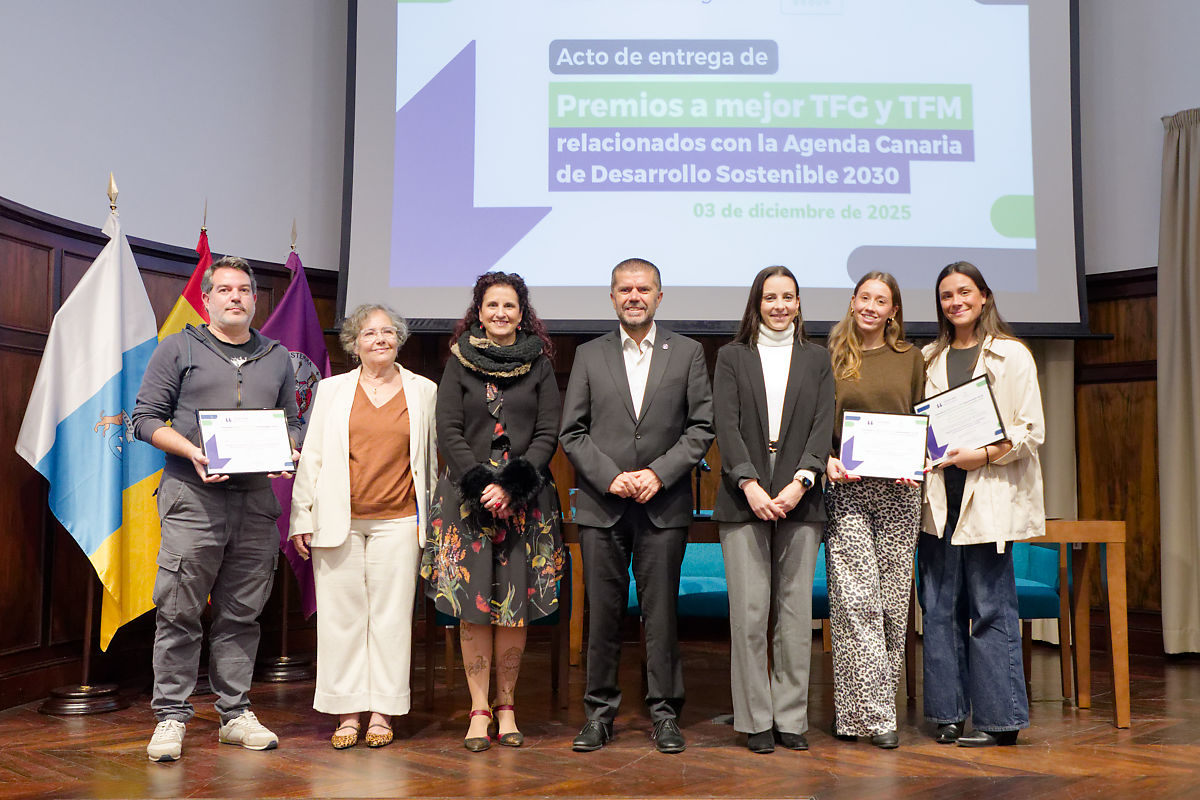
The prevention of childhood obesity and the recovery of burned pine forest soil after fires have been the topics awarded, respectively, as the best Final Degree Project (TFG) and Final Master Project (TFM) of the University of La Laguna related to the Canary Agenda for Sustainable Development 2030 in the call sponsored by the consultancy Plan B Group.
Marta Pérez Hernández and Nerea Sánchez Filippini, from the Bachelor's Degree in Primary Education, were awarded the prize for best Final Degree Project, while Víctor García Tagua, a graduate of the Master's Degree in Terrestrial Biodiversity and Conservation in Islands, was awarded the prize for best Final Master Project.
The awards ceremony was presided over this morning by Francisco García, rector of the University of La Laguna, accompanied by Isabel K. León, vice-rector of Culture and University Extension; Cynthia Albelo, coordinator of corporate culture projects of Plan B Group and president of the awards evaluation committee; and Leticia Rodríguez, from the Island Center for Quality and Responsible Consumption of the Tenerife Island Council.
Last year, a total of 3,764 undergraduate and postgraduate students successfully completed their final degree projects (TFG and TFM) at this academic center. The rector emphasized the importance of these awards, as they directly connect research with crucial challenges such as sustainable development. “As a university, we must continue to contribute knowledge and recognize the talent of our students, especially in an era where misinformation cannot outweigh verified research.”.
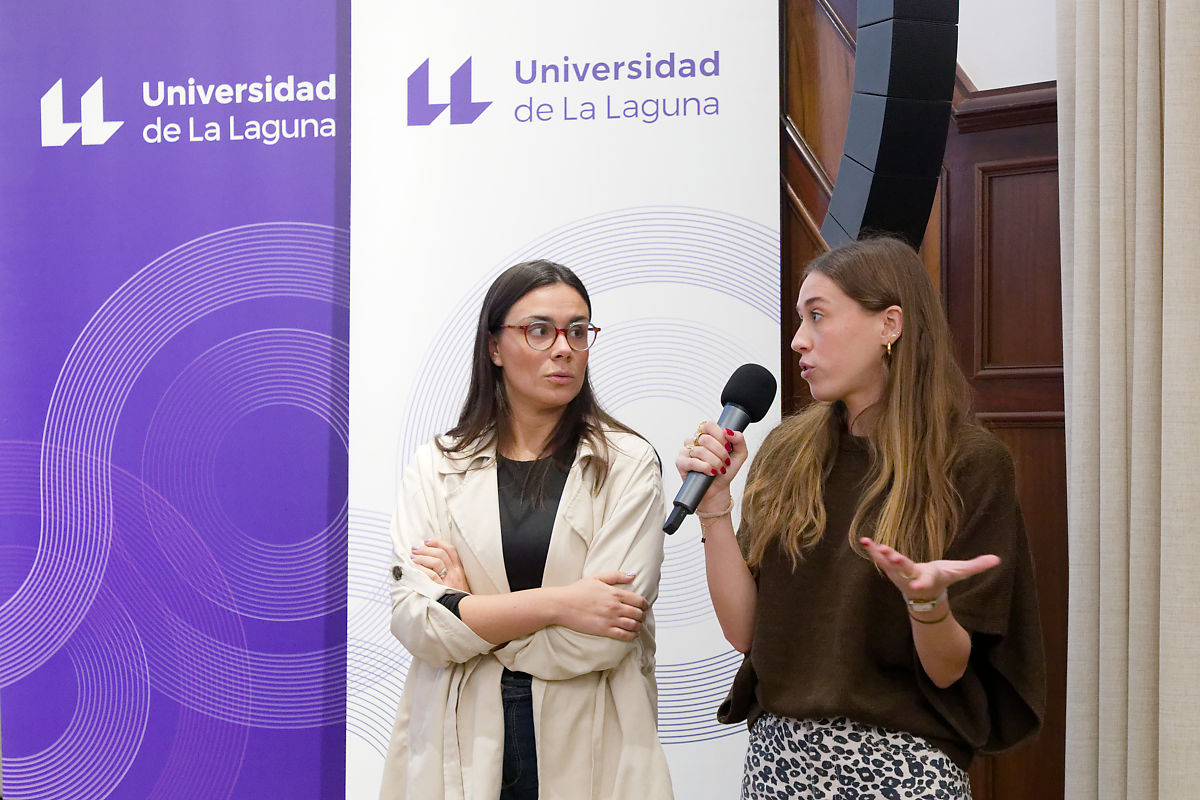
Marta Pérez and Nerea Sánchez.
Cynthia Albelo introduced Marta Pérez Hernández and Nerea Sánchez Filippini, winners of the award for their work, “Impact of Physical Activity and Nutritional Education in the School Setting.” The students argued that the concern about childhood obesity demands concrete and contextualized responses, which is why the award recipients decided to focus their project on two key areas: sports and nutrition.
For this study, they contacted three primary schools: one public, one semi-private, and one private. First, they reviewed the regulations on childhood obesity prevention and then interviewed the management team of each school and administered a questionnaire to 148 students. They concluded that, regarding physical activity, all three schools offer extracurricular activities and adhere to the established time limits, but none of them implement new initiatives such as movement breaks or breaks during the school day to combat sedentary behavior. Furthermore, the teachers lack specific training in this area.
Regarding nutritional education, the students concluded that, although the minimum regulatory requirements for legumes, fruit, vegetables, meat and fish are met, and practices such as the fruit counter that counts the number of fruits that children bring to school are carried out, there is no mechanism to evaluate whether the practices being carried out are truly effective or if they have any real impact on the lives of the students.
The overall conclusion was that regardless of the resources, management or organization of the centers, what matters most is the vocation and involvement of the teachers, and in this case, the public center was the one that had the most initiative and the most innovative projects.
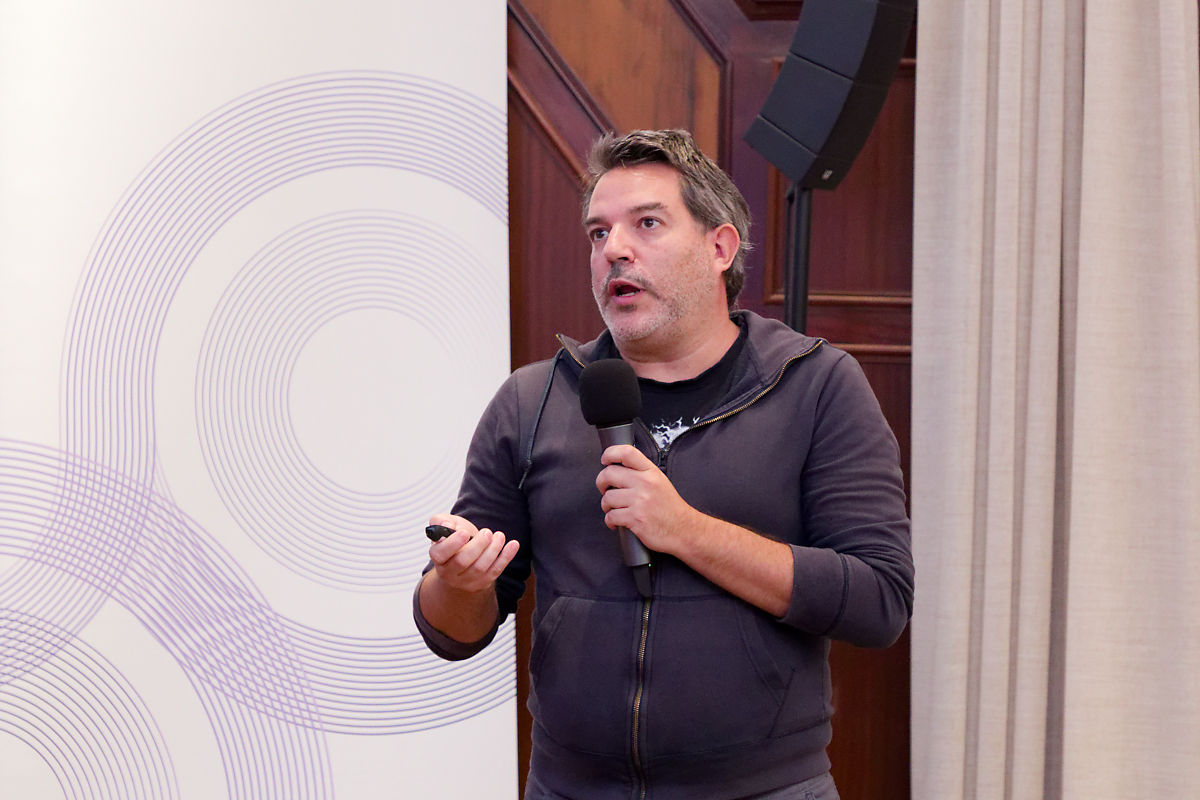
Victor Garcia.
Víctor García Tagua, from the Master's Program in Terrestrial Biodiversity and Island Conservation, was awarded for his work, "Metagenomic Study of Bacterial Diversity in a Burned Pine Forest After the Arafo-Candelaria Fire." The objective was to describe the bacterial communities present in an area near Risco de La Fortaleza by identifying bacteria in soil samples collected from 18 plots and performing genetic sequencing.
In addition, the microbial diversity of the samples was evaluated nine months after the fire and their resilience was studied, determining their recovery capacity by identifying bacterial species resistant or adapted to the post-fire conditions.
During the study, more than seven thousand different species of bacteria were detected in the 18 pine forest samples. The most abundant bacterial genera were pyrophilic microbes, which have beneficial properties for plants, as well as other bacteria that are plant growth-promoting microorganisms.

 Spanish
 English
 French