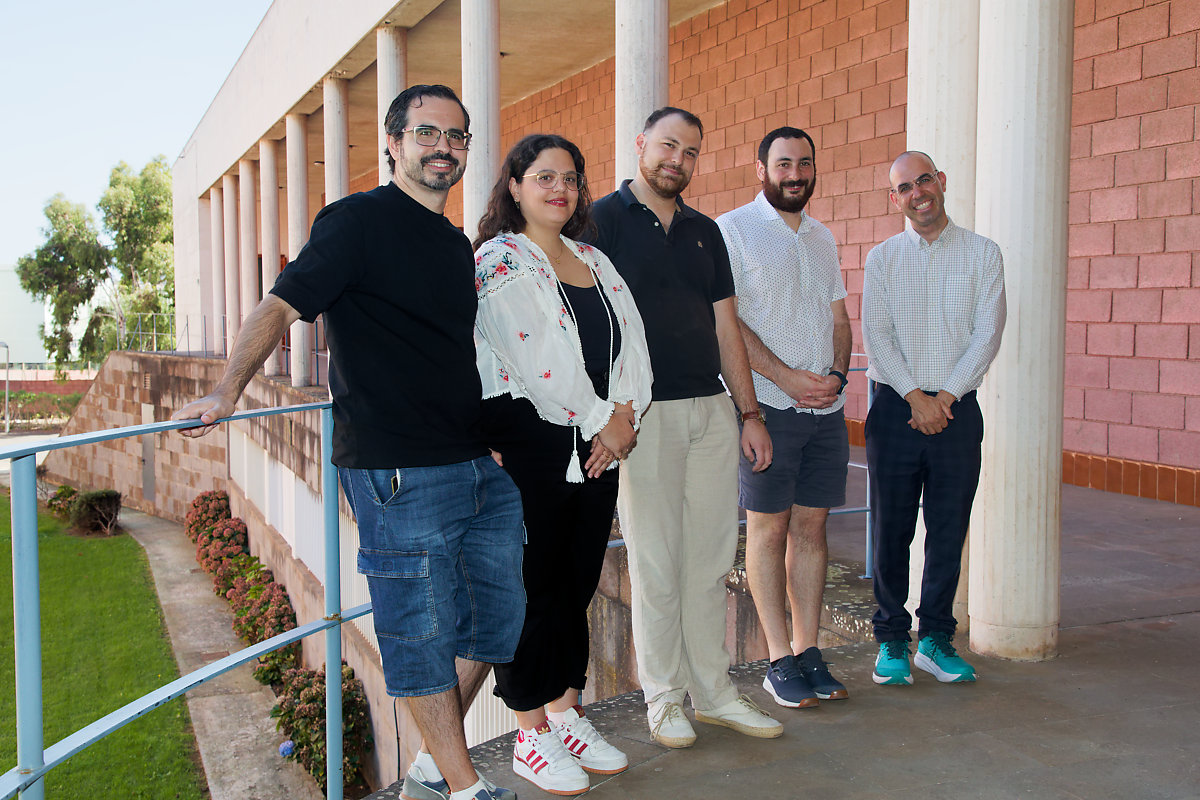
The University of La Laguna is adding seven new researchers this academic year. and postdoctoral researchers thanks to the Ramón y Cajal Program, representing a significant improvement in the indicators for this call compared to previous editions. This initiative of the Ministry of Science, Innovation and Universities, which celebrated its 25th anniversary this year, aims to attract and retain research talent in Spanish centers, with the ultimate goal of promoting the stabilization of scientific personnel within the national research system.
Ramón y Cajal contracts usually last five years, a period in which The researchers who benefit from this funding can develop their projects with stable financing and under conditions that foster the consolidation of their lines of work. Currently, the selected projects cover areas as diverse as astrophysics, psychology, and analytical chemistry.
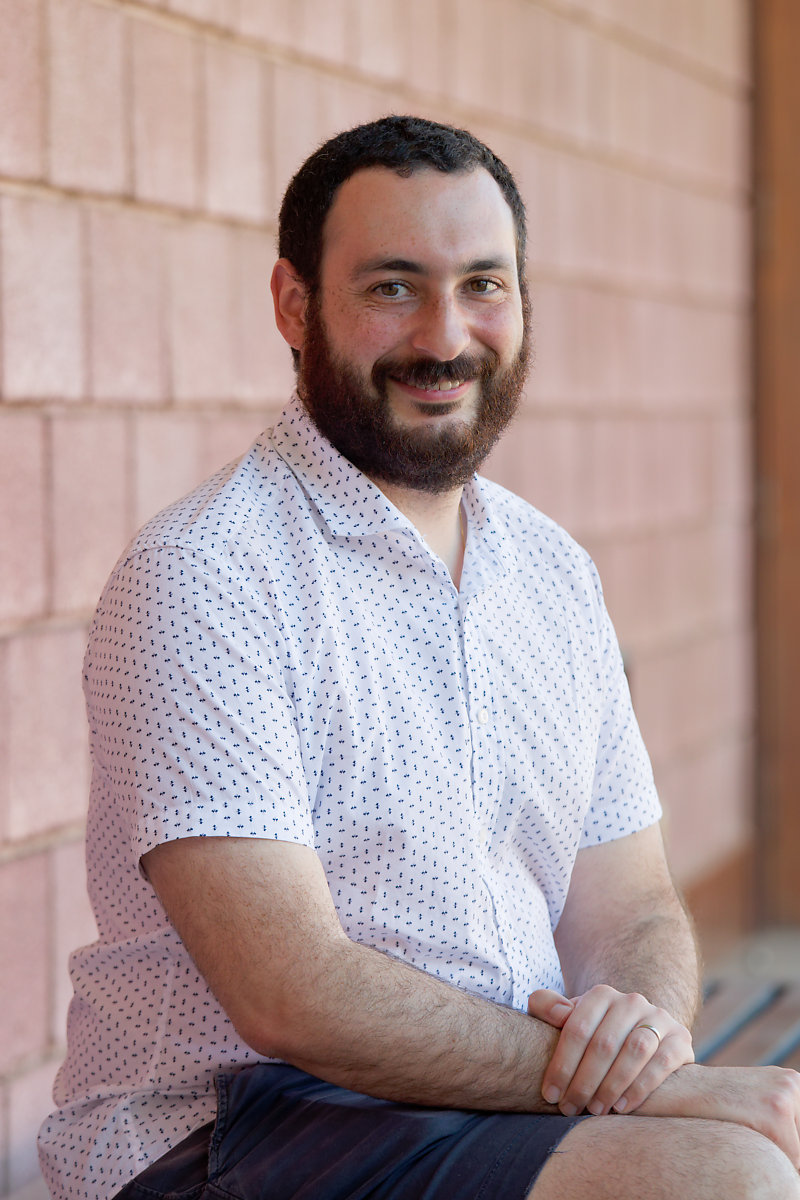
Michael Abdul-Masih.
Advances in astrophysics
The investigation of Michael Abdul-Masih In the area of Physical Sciences, the focus is on the study of massive binary star systems, specifically those pairs of massive stars that are so close they almost touch, known as contact binary systems. While it is believed that around 25% massive stars go through a contact phase at some point in their lives, only 13 such systems are currently known. Therefore, the objective of the research that Abdul-Masih intends to carry out during his Ramón y Cajal contract is to contribute to expanding this sample of known contact binary stars, so that the discrepancy between observations and theoretical predictions can be better discerned in terms of their occurrence rates, properties, and future evolution.
For the researcher, this field of study has the potential to completely transform our understanding of the contact phase that occurs between stars in massive binary systems and their evolution. From a strategic perspective, he notes that this contract will allow him to begin forming his own research group and attract funding from various calls for proposals to continue exploring the complexities of the evolution of massive binary systems. Abdul-Masih also points out that the University of La Laguna was a natural choice for his Ramón y Cajal fellowship, due to its focus on teaching, its close relationship with the observatories in both Tenerife and La Palma, and its collaboration with the Canary Islands Institute of Astrophysics (IAC).
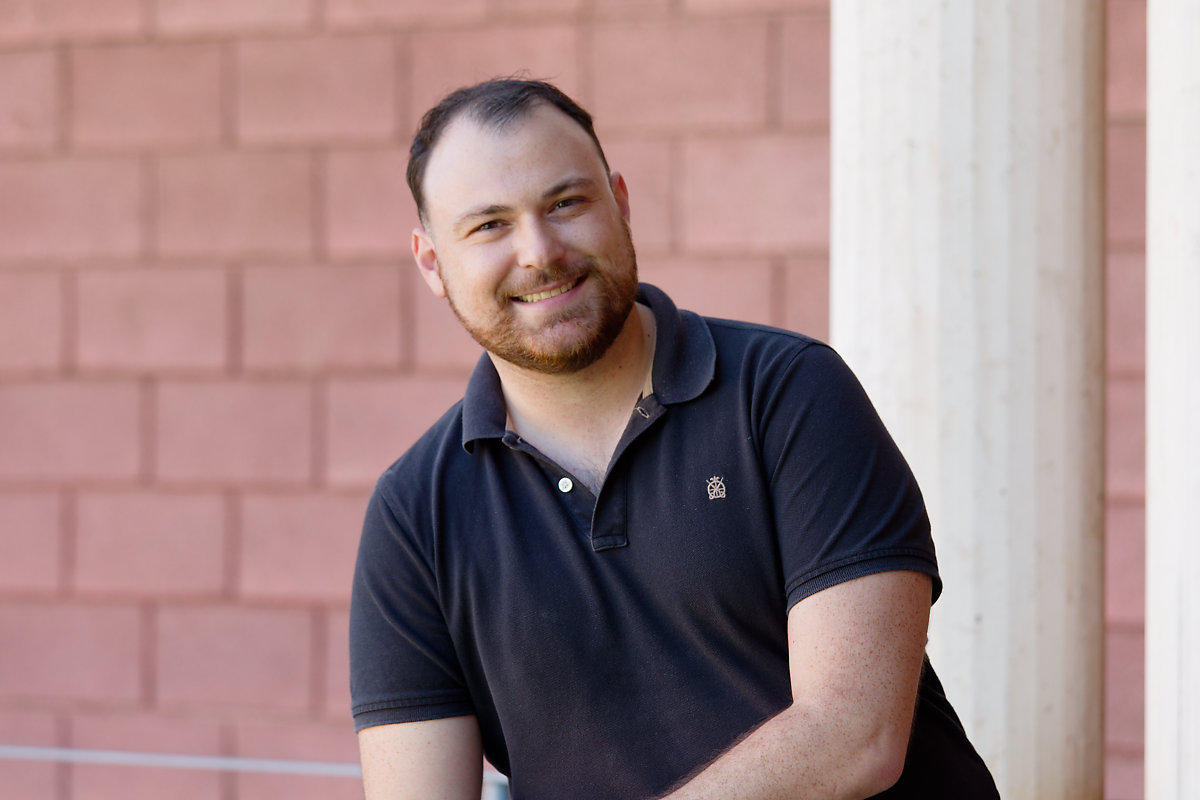
Guillaume Thomas.
Also based in the Astrophysics Department at the University of La Laguna, Guillaume Thomas's research has two closely related objectives: to understand the formation of the Milky Way by identifying the remnants of smaller galaxies that have accumulated throughout its history; and to study the distribution of matter, especially dark matter, within this galaxy, particularly in its periphery. To achieve this, he will use state-of-the-art astronomical observations, including spectroscopic data obtained with the WEAVE spectrograph on the William Herschel Telescope (WHT) in La Palma. The researcher will thus join the research groups of the Astrophysics Department. Stellar populations in galaxies y Cosmic Evolution of Galaxies Analogous to the Milky Way.
Thomas believes that these types of studies are essential not only for tracing the history of the Milky Way, but also for shedding light on the fundamental nature of dark matter itself. His Ramón y Cajal contract will thus allow him to continue his long-term efforts to understand the formation and evolution of our galaxy and to develop a detailed map of the dark matter it contains. On a personal level, the researcher particularly values the opportunity to continue collaborating with an exceptional group of highly talented researchers at an academic institution that enjoys widespread international recognition in the field of astronomy.
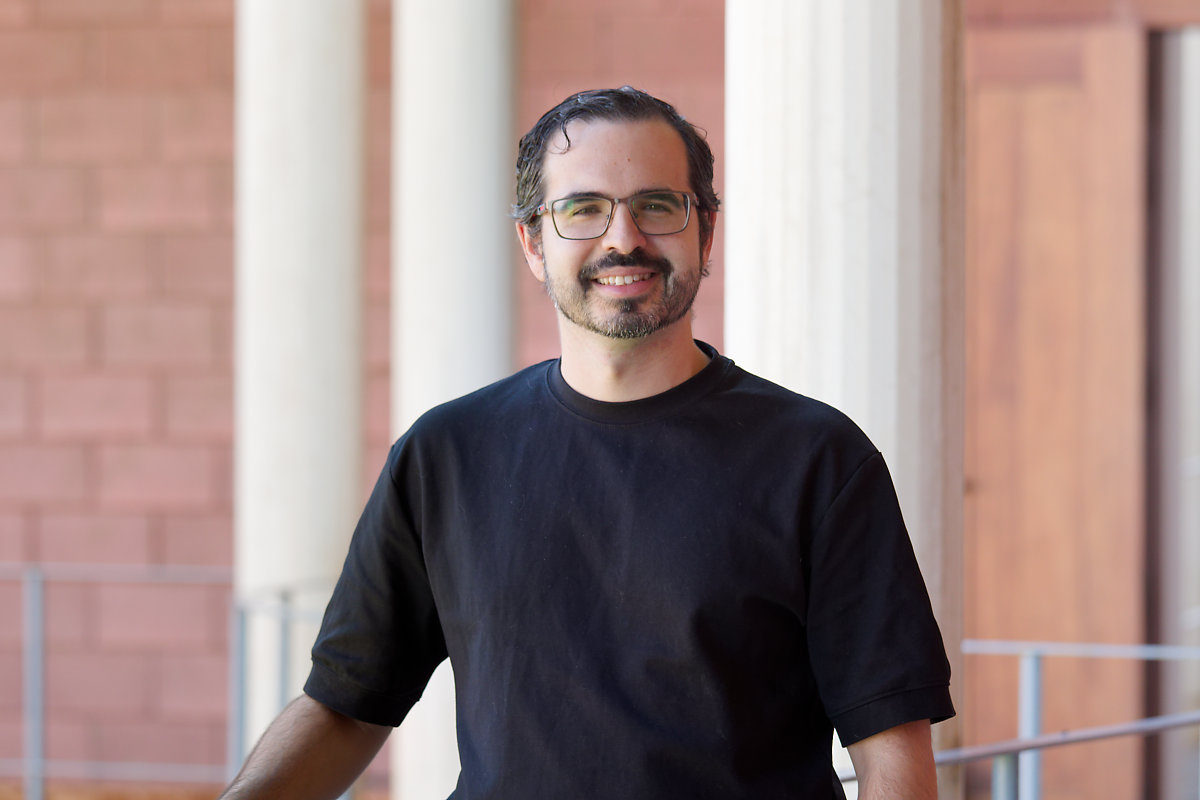
Alejandro Suárez Mascareño.
On the other hand, the investigation of Alejandro Suárez Mascareño His research focuses on the search for and characterization of exoplanets using radial velocity techniques, as well as the study of the stars that host them. His work places particular emphasis on understanding the characteristics of Earth-like planets orbiting nearby stars, as it is expected that, in the future, it will be possible to study them in detail with powerful telescopes and space missions to determine if they could be habitable.
The researcher emphasizes that the University of La Laguna, in conjunction with the IAC (Canary Islands Institute of Astrophysics), constitutes a unique scientific ecosystem that provides direct access to some of the world's best telescopes, in addition to having highly experienced teams in instrumentation, observation, and data analysis. Currently, some of their research is carried out within the framework of international collaborations, such as the NIRPS project, led by the Universities of Geneva and Montreal, and the Terra Hunting project, directed by Didier Queloz, Nobel Laureate in Physics. The latter is based on observations made with instruments like HARPS-3, which is being installed on the Isaac Newton Telescope at the Roque de los Muchachos Observatory.
Suárez Mascareño emphasizes that the Ramón y Cajal contract will allow him not only to continue developing international projects from the Canary Islands, but also to define his own lines of research and contribute to the training of new researchers in this field. Among his short- and medium-term objectives, he highlights the creation of a team focused on detecting habitable planets and developing new techniques for their study. In this way, the Canary Islands will be able to play a leading role in future projects dedicated to the search for worlds similar to our own.
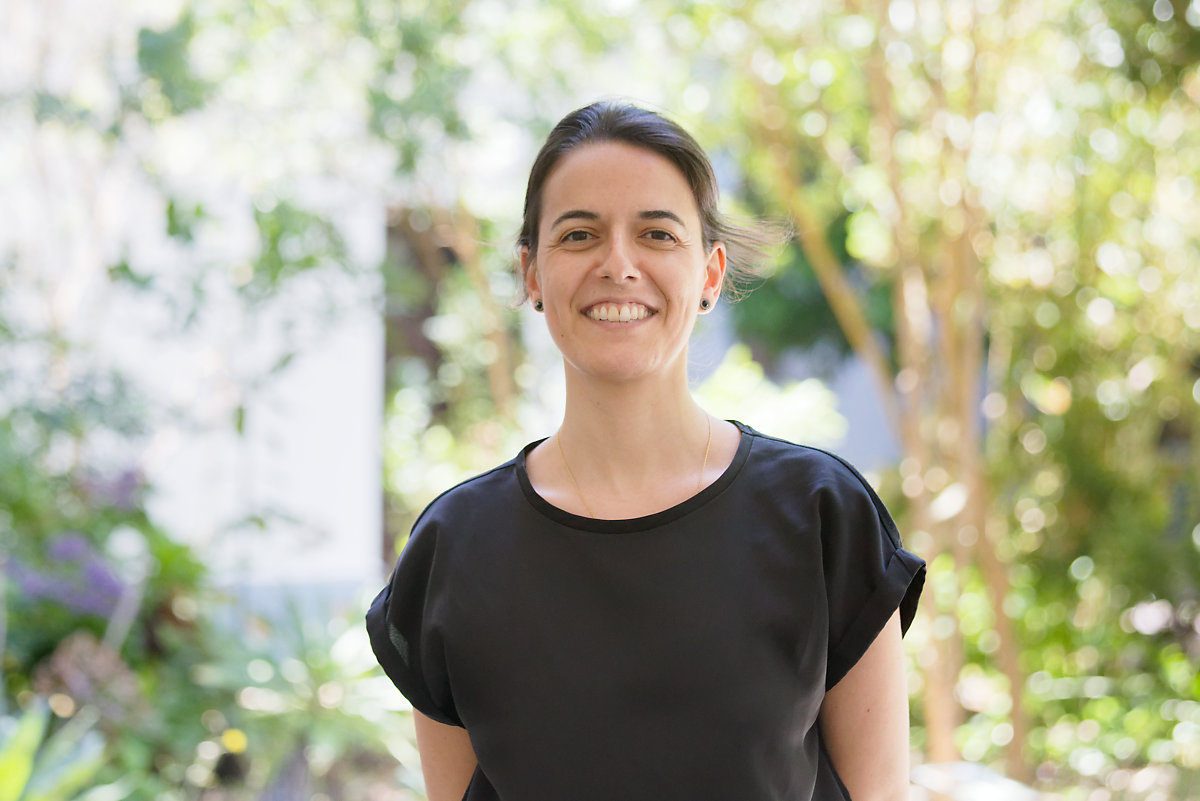
Emma Fernández Alvar.
Exploring the Milky Way
For Emma Fernández Alvar, This Ramón y Cajal contract represents an opportunity to continue his research on the formation of the Milky Way. His interest focuses particularly on the physical processes that have occurred over time, which have left their mark on the chemical and dynamic properties of its stars. Therefore, his work places special emphasis on the information provided by the chemical abundances of stars and how the galaxy has been chemically enriched over time, with the aim of identifying populations of stars with diverse origins.
Fernández Alvar's research is part of the Resolved Stellar Populations research group in the Department of Astrophysics at the Faculty of Sciences, which he describes as a leading center of Spanish science. He also points out that the opportunity to teach, especially in the Master's Degree in Astrophysics, provides a chance to transfer to students the knowledge generated through research, in contact with the instrumentation and telescopes of the Teide and Roque de los Muchachos Observatories.
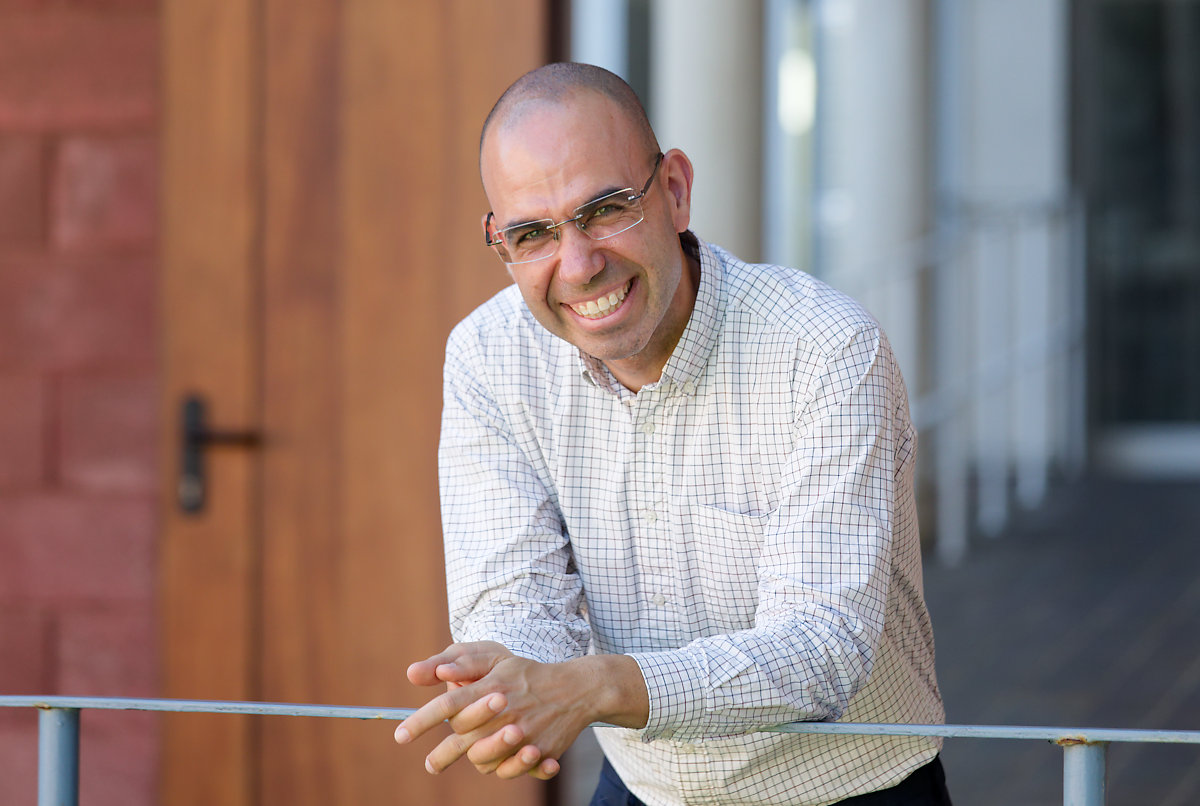
Carlos Cristo Quintero Noda.
Carlos Cristo Quintero Noda, a researcher with the Solar Spectropolarimetry (EPSOL) research group, is studying the magnetic field properties of the diverse and fascinating structures observed in the Sun's atmosphere. His analysis ranges from the tiniest elements—granules and intergranules roughly the size of a country—to immense sunspots, which can be larger than Earth itself. The Sun is characterized by intense magnetic activity and a wide variety of related phenomena, so his research aims to improve our understanding of the solar magnetic field and the mechanisms that drive this activity.
The astrophysicist chose the University of La Laguna because of its pioneering role in multiple areas of international solar physics, especially in the development of advanced instrumentation for high spatial and spectral resolution spectropolarimetric observations, as well as observations with maximum polarimetric precision. These tools are essential for studying the magnetic field of solar phenomena. Furthermore, the Department of Astrophysics has developed numerical tools that allow scientists to extract the full potential of observations using so-called inversion codes, which can infer the properties of the solar atmosphere from spectropolarimetric measurements.
From his perspective, the research contract represents a great opportunity to work closely with some of the world's leading specialists in the development of astronomical instrumentation, numerical codes, and realistic simulations of solar plasma. "It's very difficult to find a research group that is a world leader in so many diverse fields, so I'm very excited about the prospect of working side-by-side with several of the top international experts in solar physics," he says.
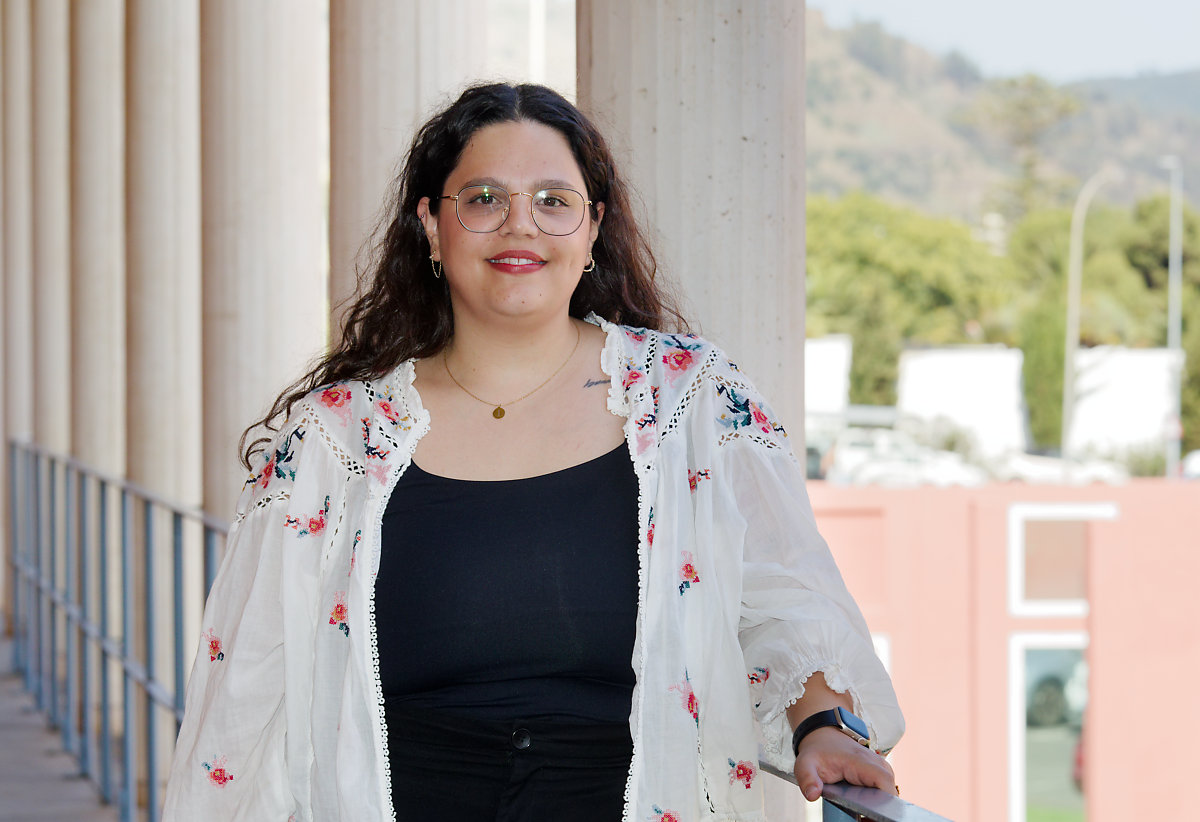
Idaira Pacheco Fernández.
Materials and emotions
In the field of Materials Science, chemistry Idaira Pacheco Fernández Her research focuses on developing microguide-type devices for the microextraction of metabolites from interstitial fluid, with the aim of improving disease diagnosis and monitoring. Her project combines very small-scale analytical techniques with the use of metal-organic frameworks as extraction materials, which increases the sensitivity of the methods and reduces their invasiveness.
The study will be carried out in the Materials for Chemical Analysis Research Group (MAT4LL), led by Verónica Pino, a multidisciplinary team that includes specialists in Analytical Chemistry and Materials Science, with access to regional and national funding, as well as synthetic and analytical infrastructures for the development of the project.
Pacheco Fernández has chosen the University of La Laguna, where she completed her undergraduate, master's, and doctoral degrees, because it has the necessary scientific and human resources to develop her research career. After four years as a postdoctoral researcher in Japan and the Netherlands, she returns with a fresh perspective and the intention of integrating the knowledge she has acquired to make the most of the resources of the MAT4LL group.
The funding from the Ramón y Cajal program, together with the university's commitment to stabilizing research staff, allows it to initiate its own long-term lines of work, participate in the training of young scientists, and seek new national and European sources of funding.
Psychologist Anna Wlodarczyk's research seeks to analyze how self-transcendent emotions, such as awe, compassion, and kama muta, among others, can foster greater identification with humanity as a whole and promote global prosocial attitudes in diverse contexts marked by contemporary challenges. To this end, she will employ a combination of methodologies, including experimental studies, psychophysiological measurements, and international collaboration, in order to examine the mechanisms that link collective emotions and inclusive identities with forms of engagement oriented toward global well-being.
The study will take place in the Social Cognition Laboratory (HuMindLab), directed by Naira Delgado. Its objective is to advance the line of research on identity and social emotion, from a perspective that fosters continuous learning and methodological integration, and that can open the door to complementary approaches in the field of cognitive neuroscience.
Wlodarczyk chose the University of La Laguna because of its well-established social cognition research group. “The Ramón y Cajal contract represents a key step in consolidating my profile as an independent researcher, leading an international line of research on global emotions, identity, and collective well-being,” she says. Furthermore, her plan includes strengthening interdisciplinary networks in Europe and Latin America, as well as publishing in high-impact journals.
The addition of the seven postdoctoral researchers through the Ramón y Cajal Program reinforces the University of La Laguna's commitment to research excellence, allowing research staff to consolidate their lines of work and ensuring their stability within the institution.
Scientific Culture and Innovation Unit - Cienci@ULL

 Spanish
 English
 French