
Amid the murmur that precedes the start of class and the rustling of tables and chairs as students search for their places, a voice rises with a touch of curious timidity. “Shall we pretend we’re in the center?” a student asks as the rest of the group finishes pairing up. The professor insists: it’s not just an exercise, but a simulation. They are psychology students about to begin their internships in a prison.
To bring the scenario to life, a student who works as a prison officer as well as a student transforms into a gallery of possible profiles: first a withdrawn and cooperative inmate; then a know-it-all who questions everything; later someone closed off, almost impervious to dialogue. In front of her, each pair of aspiring psychologists rehearses with increasing seriousness, refining their questions, gestures, and tones, preparing for the real world that awaits them in just two days.
But the students, who in forty-eight hours will go from simulation to reality, have already had the opportunity to visit the Tenerife II prison. The first thing their tutor does at the start of class is ask them about their experience. What did they think of the prison? Most admit that they entered the facility with fear and prejudices acquired from movies and television. “I thought I was going to enter a dangerous, dark, and gloomy place,” one student commented. However, they all admitted that their experience was better than they expected.
The University of La Laguna has been working with prisons for many years on numerous projects, always aiming to make its knowledge available to them. From fields such as Psychology, Sociology, and Education, several researchers have carried out their scientific work in this area. This is the case with our next protagonists.
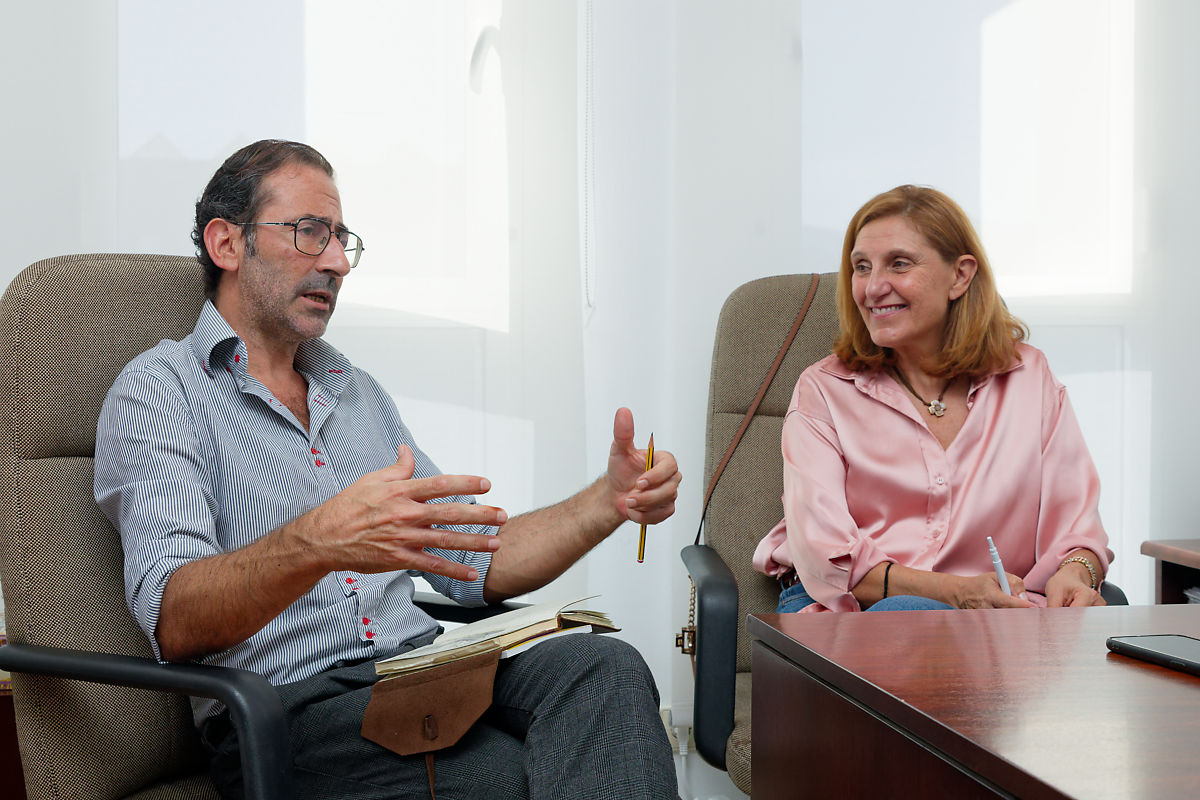
Andrés González Novoa, Angela Esther Torbay Betancor y María Lourdes González They have forged a path of hope and transformation within the prison system. Their experiences, rooted in pedagogy and psychology respectively, not only challenge entrenched prejudices about prisons, but also illuminate the potential of collaboration between academia and prison institutions to foster reintegration and human dignity.
 Challenging the prejudices
For many, their first foray into the prison system is an encounter with the unknown, a space laden with preconceptions and fears. Torbay Betancor, a researcher at the Ddepartment of Developmental and Educational Psychology Torbay, from the University of La Laguna, with nearly two decades of experience taking students on internships to the prison, vividly recalls her first visit. "It impressed me greatly," she confesses. "However, I expected it to be much worse than what I saw." This honest admission underscores the gap between the idealized or feared image of prison and the reality on the ground. Nevertheless, Torbay highlights a positive evolution at the Tenerife prison over the years, noting significant improvements in infrastructure, culture, staff, and management. This opening of the prison to society, she believes, is a crucial step in demystifying and humanizing the environment.
Their entry into the prison was facilitated by a former student and the arrival of the institution's first female director, who demonstrated a remarkable willingness to collaborate with the university. This initial, fluid, and well-received conversation laid the foundation for a fruitful relationship, exploring what the university could contribute and what the prison could offer the students.
Andrés González Novoa, from the Department of History and Philosophy of Science, For his part, he approached his first visit with a curiosity that outweighed any prejudice. His previous experience as an international aid worker in conflict zones and high-risk areas, from favelas to the Amazon, had given him a unique perspective. "The prison seemed to me, therefore, like another place to explore," he says, putting into perspective the image of violence and extreme profiles often associated with prisons through literature and film. His foray into the prison system came about through the Storytelling Festival «Los Silos»,"An event with a strong social dimension. The idea was to work with inmates through words, making their stories visible. Thus was born "Prisoner Words," a program that, for 15 years, has transformed the lives of many.
 Imprisoned Words and Psychological Intervention
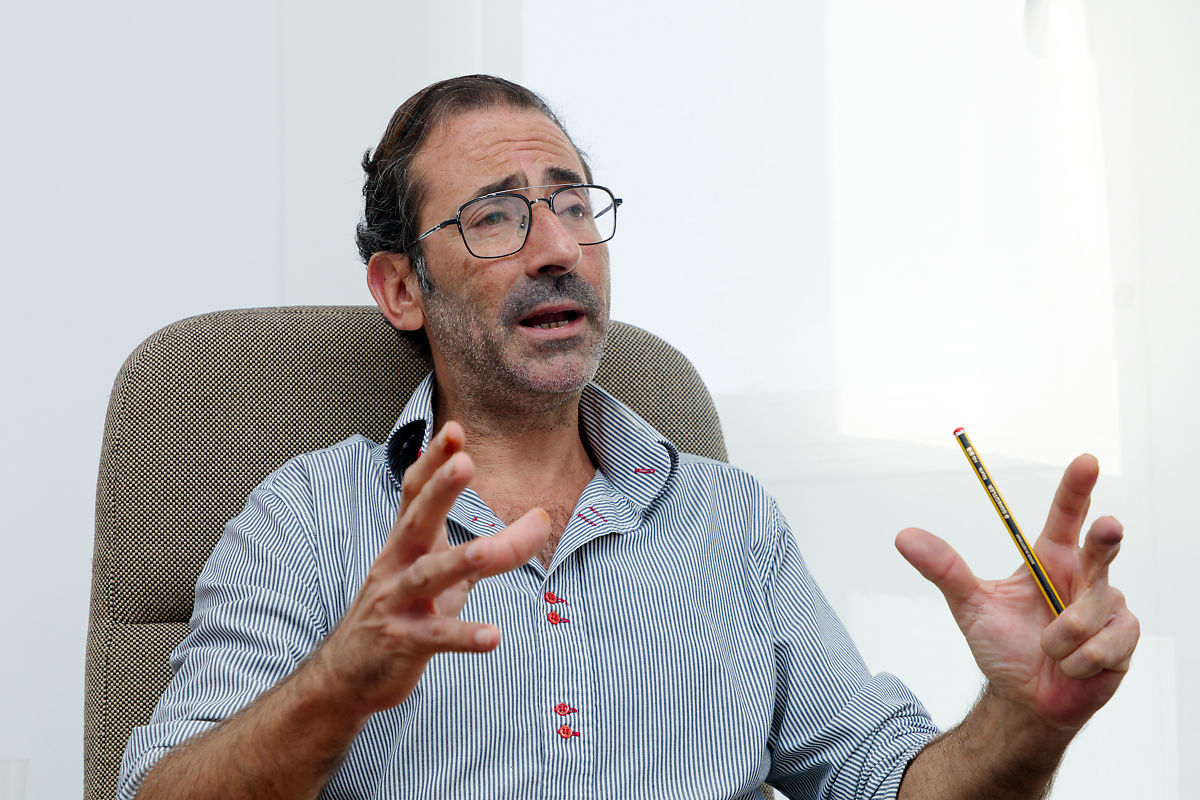
The "Prisoner Words" program, coordinated by González Novoa, began with a group of male and female inmates preparing to share their autobiographical stories in a performance. The impact was "brutal," according to Andrés. The audience's reaction, applauding and valuing their stories, forged a deep connection and shattered stereotypes. Seeing that they were not despised but listened to and respected, the inmates began to rebuild their dignity. This seminal experience led Andrés to the conviction that the university should build bridges between these closed spaces and society, fostering dialogue and breaking down prejudices through "shared positive experiences."«
The program is based on a weekly circle where inmates share their writing. This act of writing and reading has a dual effect: it allows them to reframe their experiences and rethink the past, and by being heard and respected by others, the inmates rebuild their self-esteem. Writing, which for many was a punishment, becomes a tool for "rethinking, rebuilding, and reinventing themselves." The "avalanche of creativity" generated by the program is manifested in the creation of fiction, radio programs, theater productions, and films, with the ambition of disseminating these works beyond the prison walls. The website under construction and the books currently being developed bear witness to this creative flourishing.
González Novoa emphasizes that the program has boosted inmate participation in educational pathways, with 90% of the prison involved in primary, secondary, and even university education. Writing, by ceasing to be a punishment and becoming a tool for expression and creation, allows them to "take control of their lives" and "rebuild their dignity."«
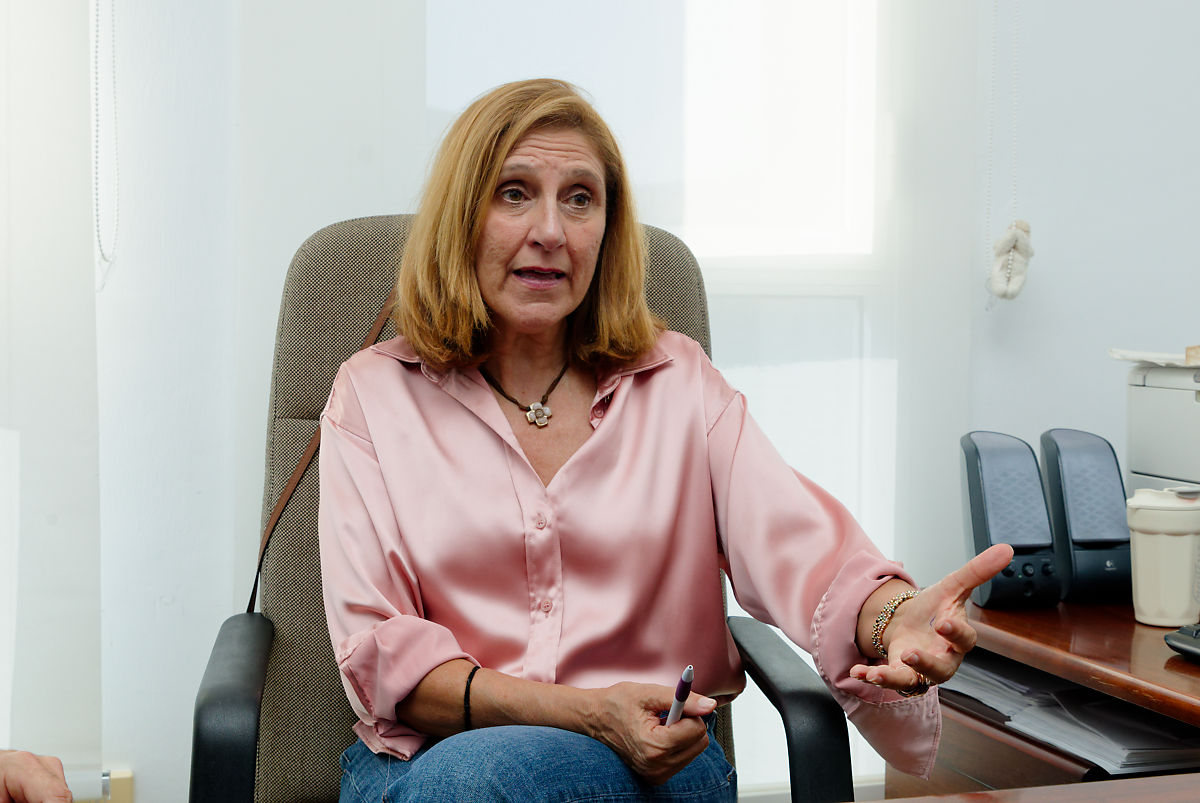
From a psychological perspective, Ángela Torbay Betancor emphasizes the transformative role of university students in prison. Inmates, seeing young people who voluntarily choose to accompany them on their journey of change, break down their own stereotypes about the outside world. "Society is giving me the opportunity to be a better person, to change and improve," is the reflection that arises in them. Torbay underscores the importance of resilience, helping inmates make sense of adversity, their mistakes, and the harm they have caused, so they can give themselves another chance.
The "Personal Growth and Resilience" workshops led by the researcher don't follow a fixed schedule; instead, they are tailored to the needs and interests of each group. The goal is for the inmates to understand that they can change and that they have the capacity to do so. Topics covered include fears, future plans, and how to cope with toxic environments. These workshops are designed based on the needs, interests, and aspirations of each group of inmates, with a primary focus on resilience.
The aim is to help inmates make sense of adversity and understand that they can give themselves another chance. They also offer specific workshops, such as "Regenera" for those convicted of gender-based violence, applying the principles of resilience to existing programs. Flexibility and adaptation to the inmates' needs are key to the success of these workshops. The psychologist emphasizes that prison doesn't work miracles, but rather that the changes are "small but significant," the result of "small adjustments, reflection," and the ability to get back up after a relapse.
 Addictions
Both researchers address addiction, a pervasive problem in the prison system. González Novoa frames it within a broader social context: “We are an addicted society,” he argues. According to him, addiction is not limited to drugs, but extends to gambling, compulsive shopping, and other behaviors that seek to fill an inner void. He estimates that 851% of inmates at the Tenerife prison are there for reasons directly or indirectly related to addiction. The reasons are numerous: the search for immediate gratification, the escape from a difficult reality, the need for social interaction, or the ambition to acquire quick money and material goods that confer status.
Ángela Torbay agrees that drugs "depersonalize" people, but emphasizes the importance of inmates taking responsibility for their actions, recognizing that drugs don't come to them, but rather that they go looking for them. She highlights the existence of the Therapeutic and Educational Units (UTE), drug-free modules where inmates commit to abstaining from drugs and participating in therapeutic activities and workshops. These modules, with their "high level of rigor," aim to prepare inmates for reintegration, although she acknowledges that the outside world, with its contacts and customs, can be a challenge that leads to relapse. The psychologist underlines that rehabilitation is not only physical but also psychological, and that continuous support, even offering a "seventh chance" if necessary, is crucial to prevent relapses and support the process of change.
 Collaboration, a delicate balance
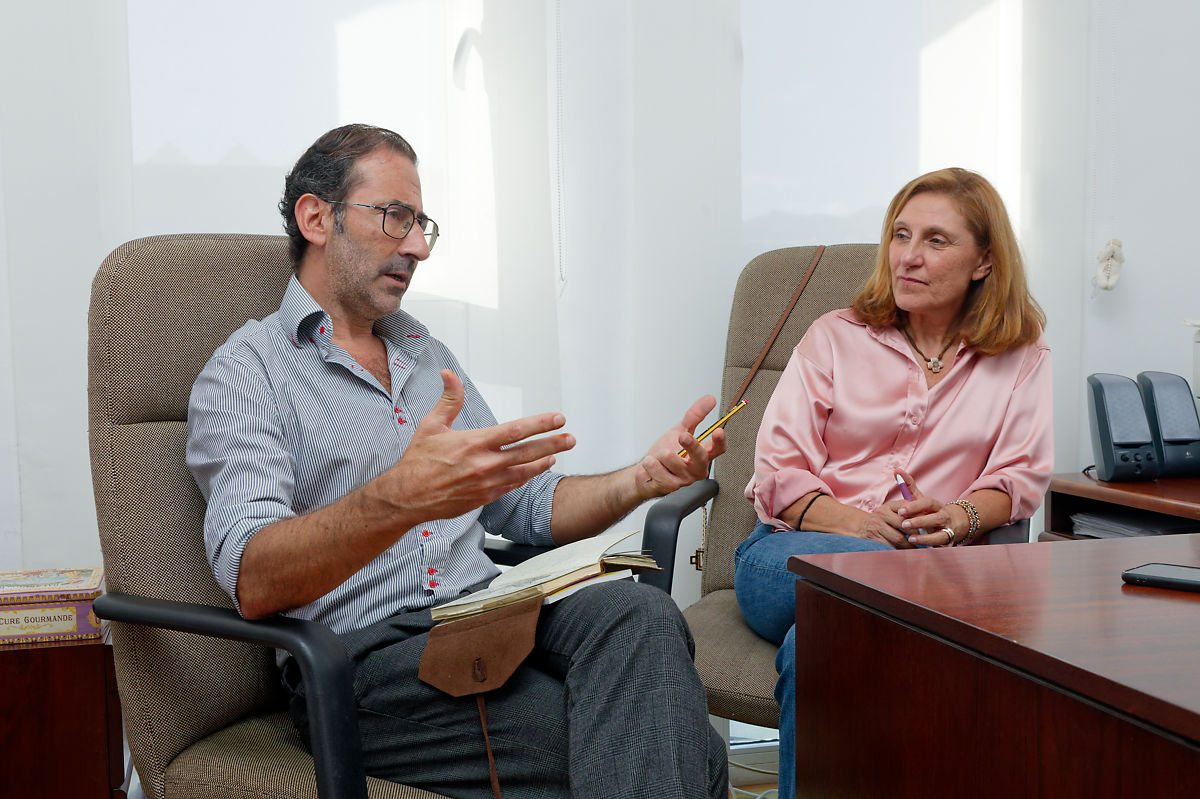
Collaboration with the prison administration is a fundamental pillar for the success of these programs. González Novoa emphasizes the importance of gaining the institution's trust through patience and dedication. The university, with its established track record and trained professionals, is perceived as a complement and a support, not a threat. It is crucial to adapt to the center's regulations and schedules and to establish cordial relationships with all staff members, from educators to guards. The instructor makes an effort to learn their names, their lives, and even invites them to participate in workshops, thus creating a sense of community.
For his part, Torbay Betancor points out that, unlike other organizations that collaborate with prisons, the university was not initially involved. He attributes this to the complexity of establishing agreements, training students, and adhering to the rules of an institution like the university. However, he emphasizes the need for the university to enter with "great humility," sharing knowledge and learning from prison culture. He believes that the university should open its doors to all these individuals, as its role is to prepare and train them for life outside of prison.
Both researchers agree that reintegration is a complex process requiring multiple approaches. Novoa emphasizes that it is not just therapeutic support or writing, but the integration of all these dimensions that generates real change. He highlights the importance of formal education, since leaving with a university or high school diploma increases the chances of success. He mentions the case of a female inmate who, after obtaining a law degree and a master's degree in criminology, now works in prison rehabilitation programs—a testament to the transformative power of education.
Betancor emphasizes that reintegration is a systemic process, where all the support networks that inmates can build are fundamental. If the family network fails, there may be a network of colleagues or work that supports them. The psychologist insists that changes are gradual and that the key lies in the ability to get back up after a relapse.
The work of Andrés González Novoa, Ángela Esther Torbay Betancor, and María Lourdes González in the prison system is a testament to the University of La Laguna's commitment to society. Their work not only seeks to break down prejudices and bring realities to light, but also to offer tools for reintegration and the building of a new dignity. Through dialogue, psychology, and education, they are opening paths of hope for those who, in confinement, seek a second chance. Their vision of an open university, committed to all sectors of society, is a beacon of hope for a more just and inclusive future.
Communications Office

 Spanish
 English
 French