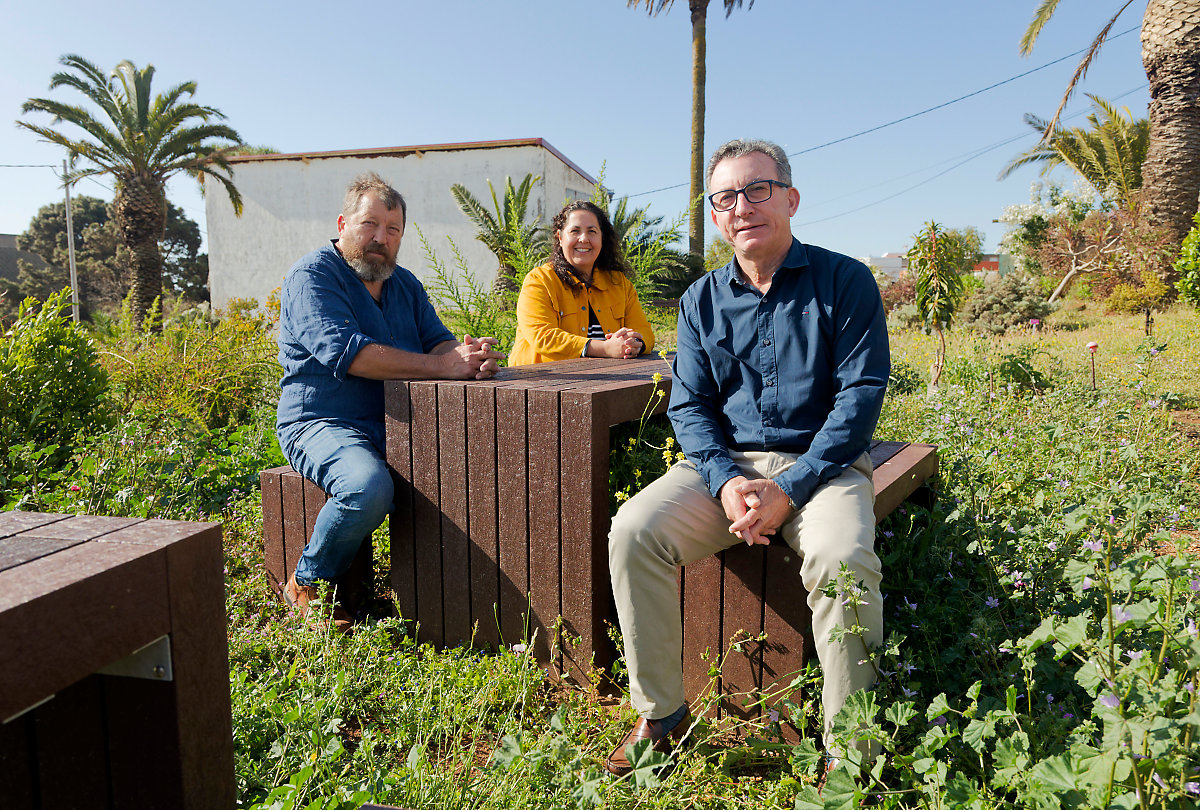
The white and black Azucena potatoes, the black potato, the Torrenta, and the various types of Bonita potatoes are some of the heirloom varieties cultivated in Tenerife. This tuber was introduced to the Canary Islands from the Americas. “Varieties arrived here from the two centers of origin of the potato in the Americas: the Andes Mountains and Chiloé Island in Chile, during the 16th century and subsequent centuries. From the Canary Islands, potatoes were taken to Europe,” he explains. Domingo José Ríos Mesa, researcher at the Department of Agricultural and Natural Environment Engineering of the University of La Laguna.
This phenomenon wasn't unique to the potato; it also occurred with many other crops that arrived from the Americas or originated in Europe. Thus, the Canary Islands played a fundamental role as a strategic point in the agricultural exchange between continents. In fact, May 30th, Canary Islands Day, is also celebrated as International Potato Day. In December 2023, the United Nations General Assembly designated this date to raise awareness of the potato's multiple nutritional, environmental, and cultural values, as well as its contribution as a source of food and income for many families and rural producers worldwide.
According to Ríos Mesa, the traditional potato varieties of Tenerife bear a certain resemblance to those found in the Andes and on the island of Chiloé. However, some of these have evolved into a group of heirloom varieties unique worldwide. Thus, the Canary Island varieties constitute a distinct group, separate from the rest of the world's potatoes.
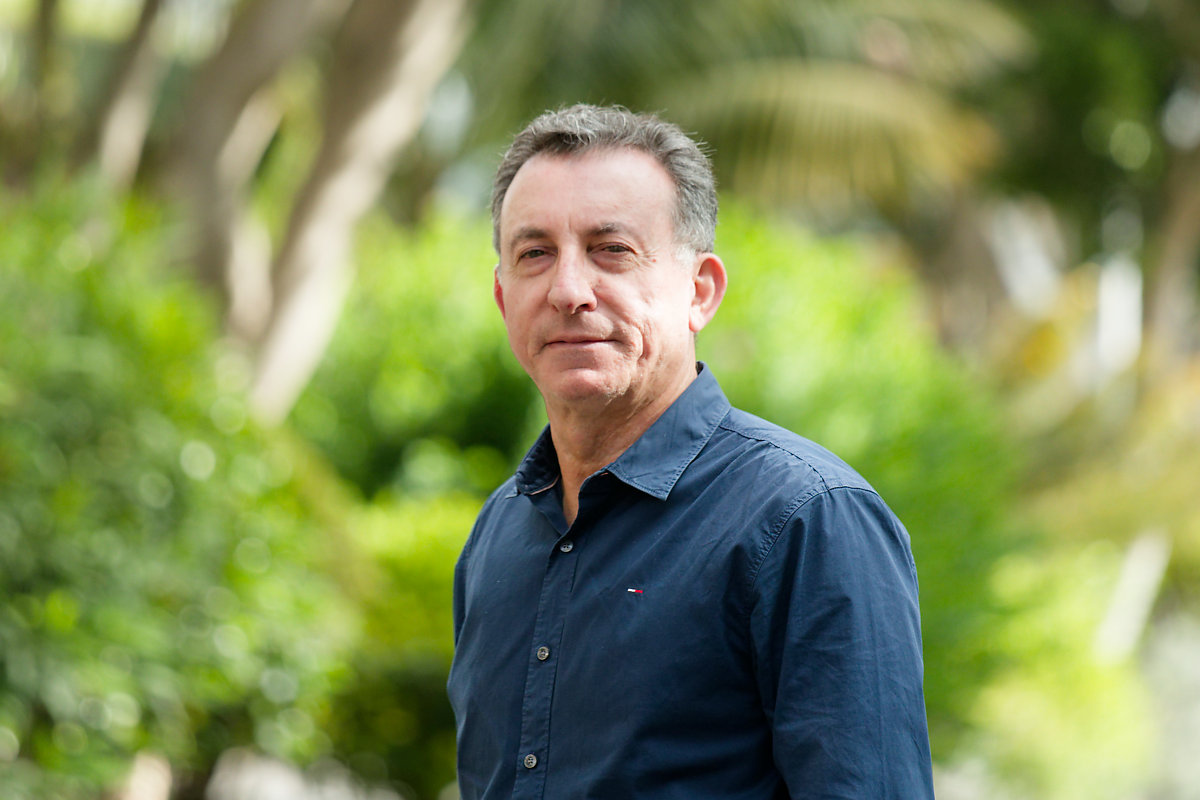
Domingo José Ríos Mesa.
In this regard, Ríos Mesa explains that various genetic studies have demonstrated that Canary Island potatoes represent a biodiversity that evolved from the varieties that initially arrived in the archipelago. This has led to the islands being considered a possible secondary center of origin for this tuber. In fact, some research indicates that certain potato varieties from Tenerife are hybrids of unknown origin or possess genetic and phenotypic characteristics unique worldwide.
The Agricultural Diversity Bank
Regarding genetic uniqueness, the work of the Tenerife Center for the Conservation of Agricultural Biodiversity (CCBAT), which Ríos Mesa directs, is crucial. This center acts as the main guardian of the archipelago's agricultural diversity, and in particular, of the potato. "It is the most important agricultural germplasm bank in the Canary Islands and one of the most important in all of Spain, also serving as a national reference bank for the conservation and study of potato varieties," explains Ríos Mesa. Currently, the CCBAT conserves more than 120 accessions of this tuber, many of them unique not only regionally, but also nationally and even globally.
However, the preservation of this genetic wealth does not depend solely on its preservation in banks like the CCBAT. Its conservation is also fundamental. in situ, This means the active maintenance of these varieties by farmers, who cultivate, select, and market them in their local areas. “Their conservation depends on the competitiveness of the sector and the adoption of special measures that protect both the farmers and the agricultural biodiversity of the mid-altitude regions,” Ríos Mesa points out. One of the main challenges is climate change, which could lead to the displacement of some of this biodiversity. Even so, Ríos Mesa states that many local varieties have demonstrated a better capacity to adapt to these environments.
In addition to environmental pressure, farmers who choose traditional varieties over commercial ones face economic and social challenges. “From my perspective, commercial and local potato varieties in Tenerife, and in the Canary Islands, can complement each other, provided we are able to conserve them, either by cultivating them or in germplasm banks like the CCBAT,” he states. Furthermore, commercial and local varieties differ in their uses and the market segments they target. “In many cases, they serve distinct markets,” he maintains.
The dryland mid-altitude areas of the Canary Islands exemplify how local potato varieties play a vital role in the sustainability of traditional agricultural systems. These varieties are not only an essential part of the agricultural landscape but also demonstrate a high degree of adaptability to changing climatic conditions. This adaptability makes the local potato a strategic crop for addressing the challenges posed by climate change. However, Ríos Mesa acknowledges that potatoes exhibit strong genotype-environment interactions, meaning their performance depends directly on the specific location and growing conditions.
The fight against the Guatemalan moth
The Guatemalan potato moth, introduced to the Canary Islands at the end of the 20th century, has become one of the most destructive pests for potato cultivation and storage in the Canary Islands. Unlike the moth that was previously (Phthorimaea operculella), whose aerial phase facilitates chemical control, the Guatemalan moth (Tecia solanivoraIt develops almost its entire cycle in the soil or inside the tuber, making the use of conventional pesticides difficult, he says. Raimundo Manuel Cabrera Pérez, researcher at the Department of Botany, Ecology and Plant Physiology of the University of La Laguna.
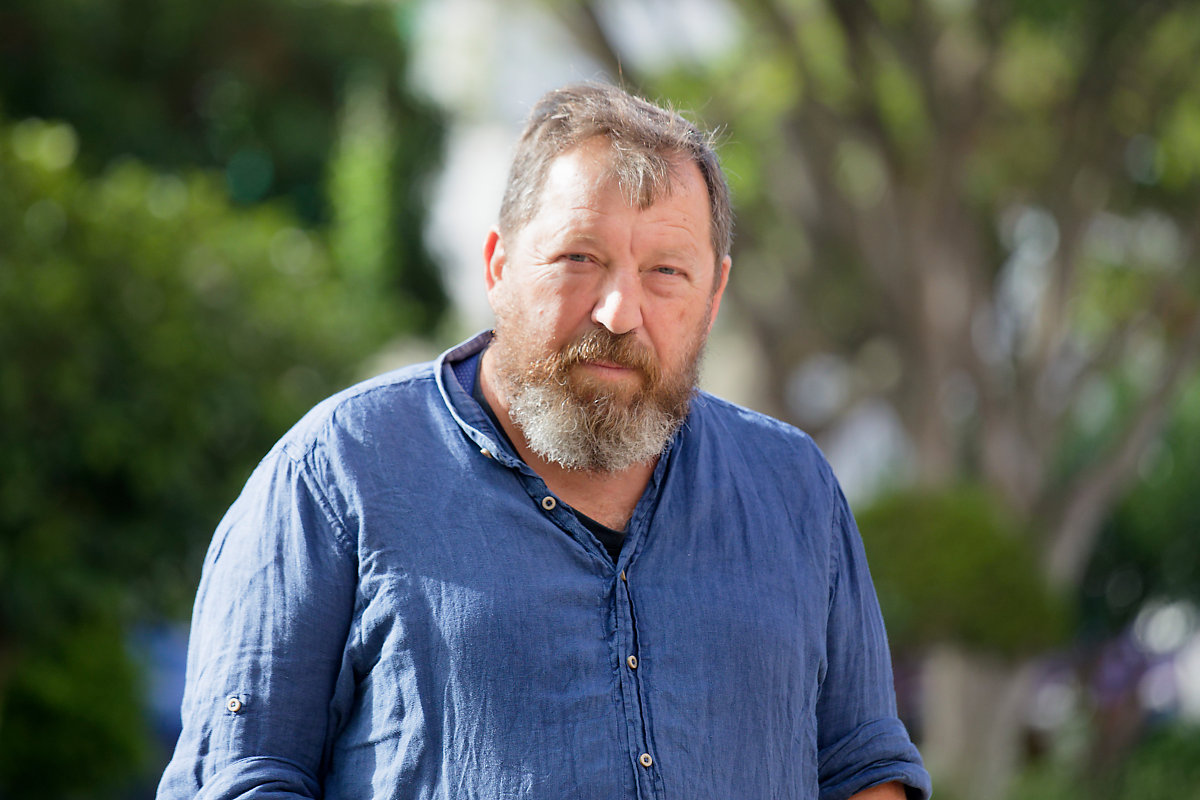
Raimundo Manuel Cabrera Pérez.
Therefore, Cabrera Pérez points out that when they began investigating this pest, they decided to focus on integrated pest management methods, with a strong emphasis on biological control. Among the strategies employed are the use of pheromone traps to attract and capture these moths, the application of natural products, such as neem oil, to repel the pest, and the introduction of natural enemies, such as parasitoid wasps, which affect the moth's eggs.
These methods, tested in areas such as La Juncia (Tierra del Trigo) and Icod el Alto, significantly reduced total potato losses to less than 51% (compared to approximately 50-60% previously). “In the Icod el Alto area, nearly 100 farmers participated. We released copidosoma insects, carried out mass trapping in the fields, and implemented cultural practices recommended by the Tenerife Island Council,” explains Cabrera Pérez. However, the persistence of areas where no control measures were implemented hindered the program's overall success. “Some farmers left infested potatoes on the ground, and that created a new infestation,” says Cabrera Pérez.
Aside from the Guatemalan moth, farmers in the Canary Islands have learned to manage other problems such as aphids and viral diseases through consistent management and careful selection of healthy seeds. In this regard, the Island Council has played a vital role by offering advice and technical support to farmers.
Finally, phytosanitary surveillance is crucial to prevent the entry of pests, such as the Colorado potato beetle, which has not yet reached the Canary Islands thanks to strict quarantine measures that prevent potatoes from entering from affected areas. “So far, that has worked,” says Cabrera Pérez.
The rich nutritional value of potatoes
Canary Island potatoes are known for their nutritional value, especially the quality of their protein. Although they aren't high in protein overall, they do provide free amino acids which, while improving their nutritional value, promote the formation of acrylamide (a toxic substance considered potentially carcinogenic) when fried. "That's why these potatoes are best eaten boiled or wrinkled," he says. Beatriz Rodríguez Galdón, researcher at the Department of Chemical Engineering and Pharmaceutical Technology of the University of La Laguna.
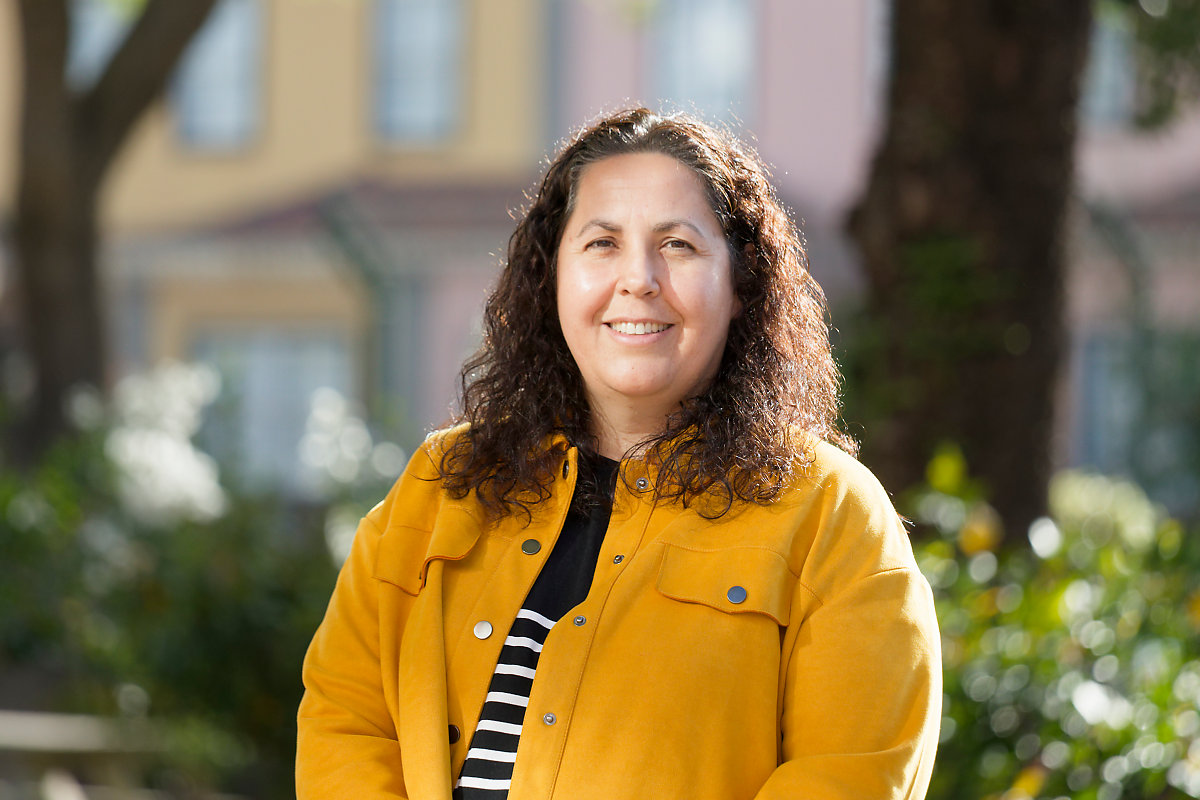
Beatriz Rodríguez Galdón.
The type and quantity of amino acids also allow us to estimate its nutritional quality. “Potatoes have a medium-to-high quality compared to other plant proteins,” he states. “Animal-based proteins are better because they contain all the essential amino acids, while plant-based proteins are often deficient in some of them,” he adds.
“Among the varieties grown in Tenerife, the black egg yolk potato is the richest in protein, amino acids, and starch, and is also very creamy,” the researcher points out. Others, such as borage, have lower levels. The chemical composition varies depending on environmental factors such as soil, climate, and cultivation.
Rodríguez Galdón points out that local potatoes have less water and more nutrients than commercially grown ones. “Although potatoes from elsewhere are known for having more vitamin C, Canarian potatoes provide more antioxidants and phenols, which are beneficial against diseases such as cancer, diabetes, and Alzheimer's,” he maintains. He adds, “They even have very high levels of vitamin C, higher than those of a banana or an apple.”.
Know them in order to protect them
All these studies have served to strengthen the Protected Designation of Origin (PDO) for the heirloom potatoes of the Canary Islands. “The objective was to identify the varieties, classify them agronomically, and determine their nutritional value,” he states. “All of this helped to create a quality brand and prevent their abandonment, ensuring their continued cultivation,” explains Rodríguez Galdón.
Furthermore, chemical analyses help protect consumers against fraud, an increasingly common phenomenon. “There are many potatoes from elsewhere that are sold as if they were from here. They are imported, packaged here, and sold as Canarian potatoes,” he explains.
With projects such as “Design and experimental development to characterize the fingerprint of potatoes grown in the Canary Islands in order to certify their authenticity and geographical origin, to protect producers and consumers from potential fraud”, developed in collaboration with the Technological Institute of Renewable Energies (ITER), the research team is working on the creation of a chemical fingerprint that allows verification of the real origin of the crop.
Finally, Rodríguez Galdón reflects: “The potato is a very complete food, but it's somewhat forgotten. It has less than 0.11% fat, provides vitamins, phenolic compounds, and starch, which is a complex carbohydrate. It should be a staple food in our diet, and yet it's being sidelined in favor of ultra-processed products.”.
(This report is an initiative framed within the InvestigaULL Commemorations Calendar, a scientific dissemination project promoted by the University of La Laguna).
Scientific Culture and Innovation Unit (Cienci@ULL)

 Spanish
 English
 French