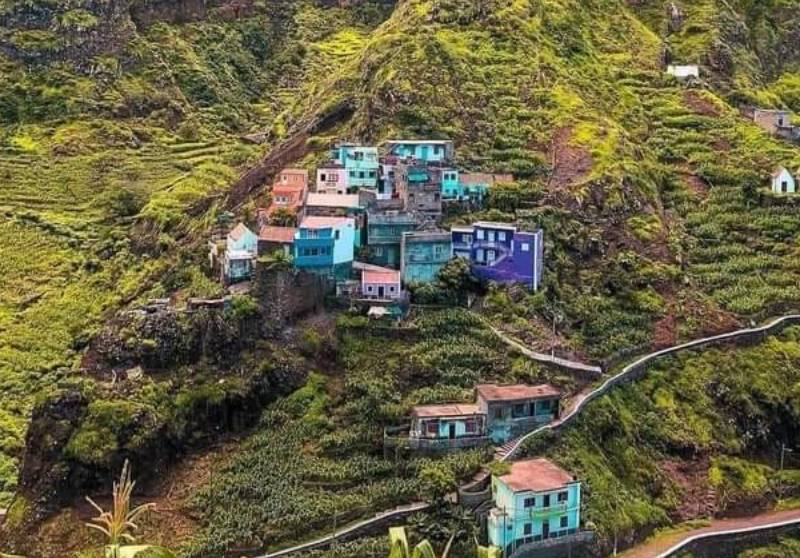
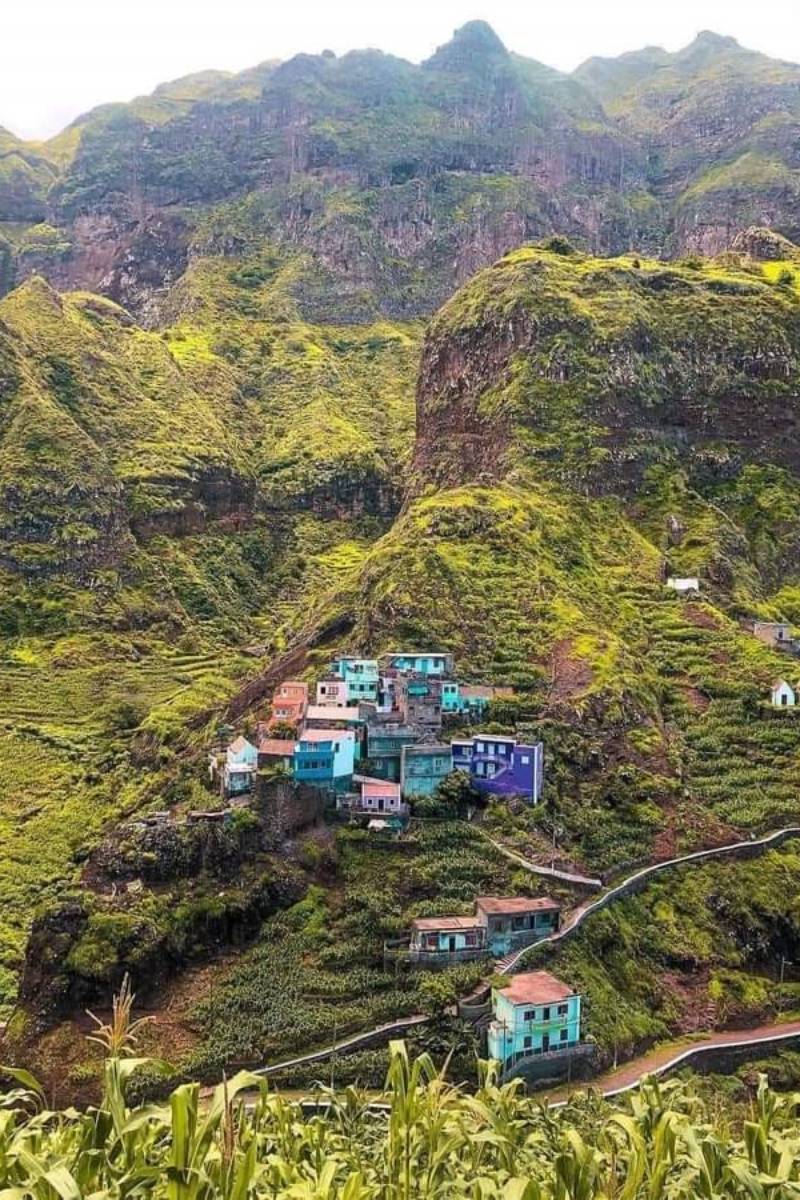
Santo Antão Island.
A team of researchers from the University of La Laguna, led by the tenured professor in the area of Applied Economics and Quantitative Methods Flora Díaz Pérez It has analyzed how, as a result of the COVID-19 pandemic, rural and sustainable tourism continues to register much lower levels in Cape Verde compared to the sun and beach tourism model promoted by the authorities.
He article “Analysis of the perspectives of the local population on sustainable island tourism in the Cape Verde Islands”, The study, published in the journal Environment, Development and Sustainability, underlines that this situation reveals a profound gap between the demands of the local population and institutional decisions regarding tourism development.
The research argues that tourism has great potential for the development of island nations with fragile economies, such as Cape Verde. In fact, the study reveals how tourism activities have generated significant economic growth, contributing to a reduction in the poverty level to 19.31% by 2022. However, statistical analyses and interviews conducted by the researchers demonstrate that the sector's expansion has been channeled by institutions toward mass sun and beach tourism.
In response, the planning of a sustainable, rural tourism model has been neglected, leading to overcrowding in many areas of the archipelago. Furthermore, the article emphasizes that this growth has failed to reduce the unemployment rate, one of the country's main structural problems. Even from an environmental perspective, the dominant model is not viable, as it generates large volumes of hotel waste in a context marked by a lack of effective management and recycling systems. In other words, the increase in tourism in the archipelago has not translated into substantial improvements for the local population in rural areas.
The article highlights the urgent need to implement effective sustainable tourism strategies, since, according to Díaz Pérez, government proposals have been developed but never implemented. In this regard, interviews with local residents reflect clear discontent with the lack of concrete measures to mitigate the environmental and social consequences of tourism.
The participants in the study, all of whom are familiar with the island of Santo Antão and its potential, agree that it has the necessary resources for the development of rural tourism, which would allow for the diversification of the local economy and reduce dependence on mass tourism.
The study highlights the need to create new strategic instruments for tourism in Cape Verde and, especially, to strengthen the participation of the local population in tourism planning processes. The authors conclude that Cape Verdean citizens are proud of their country and recognize the importance of tourism for its development and the tourism potential of their archipelago, but at the same time advocate for a more diversified and environmentally responsible economic model for their islands.

 Spanish
 English
 French