
Depression is one of the leading mental health problems today and a major cause of distress, disability, and reduced quality of life worldwide. It is a complex disorder involving the interaction of psychological, biological, social, and cultural factors. More than 280 million people worldwide live with depression. Between 10% and 20% of the population may experience a depressive episode at some point in their lives.
Its impact is such that depression ranks as the fourth leading cause of disability worldwide, not so much due to its mortality rate, but because of the enormous loss of productivity and daily functioning it entails. Research from the fields of psychology, psychiatry, and economics offers insights into what depression is, why it occurs, and how it can be addressed more effectively.
“Depression is a mental state characterized by negative affect that leads to disinterest in daily tasks, including those that were previously rewarding,” he says. Wenceslao Peñate Castro, Professor of Personality, Assessment and Psychological Treatment at the University of La Laguna. He also clarifies that it is usually accompanied by a series of somatic, neurovegetative and cognitive symptoms.
Among the somatic symptoms, sleep problems, changes in appetite, and loss of sexual interest stand out. Cognitive symptoms, on the other hand, usually manifest as complaints of mental dysfunction: “It’s identified as a complaint, since sometimes it’s not real. There are people who say they can’t perform, when in reality they can,” explains Peñate Castro.
One of the most characteristic features of depression is anhedonia, that is, a loss of interest in daily activities. Furthermore, these symptoms can be diminished or, in some cases, intensified. “Insomnia is common, but some people may experience hypersomnia,” explains Peñate Castro. “The intensity and duration of the symptoms are key. Feeling sad for a few days is normal, but when sadness persists for two weeks or more, it constitutes a depressive episode that, depending on its severity, may require professional attention,” the expert points out.
Depression also has a high comorbidity with anxiety. Three out of four people with anxiety symptoms show signs of depression, and vice versa. Therefore, current therapeutic strategies tend to address emotional disorders together, focusing on discouragement, excessive worry, and heightened physiological arousal.
Thus, depression is not simply sadness or personal weakness. “It is a well-defined mental illness, recognized by the main international diagnostic systems, that affects mood, thinking, sleep, energy, and the ability to enjoy and function in daily life,” she emphasizes. Carlos de las Cuevas Castresana, Professor of Psychiatry at the University of La Laguna.
The risk factors for depression are diverse. “Biological vulnerability, personal history, and social context all play a role. Factors such as family history, early adverse experiences, chronic illnesses, social isolation, economic hardship, or exposure to stressful life events increase the risk,” explains de las Cuevas Castresana.
According to specialists, it is crucial to distinguish between depression and the normal suffering inherent in life. “Grief, frustration, loneliness, or distress in the face of difficult situations can be very painful, but they are not necessarily an illness,” explains de las Cuevas Castresana. She adds, “Good clinical practice consists of respecting human suffering without automatically turning it into a diagnosis.”.
Fortunately, social perceptions of depression have improved in recent years. “The stigma hasn't disappeared entirely, but it has been significantly reduced. One of the factors that may have influenced this in recent years has been the COVID-19 pandemic. Many people have experienced depression firsthand or through someone close to them, and seeking help from a psychologist or psychiatrist is increasingly seen as normal, and they can realize that depression is reversible,” notes Peñate Castro. In this regard, January 13th was World Depression Day, a date that aims to raise awareness of a common, real, and potentially serious mental health problem.

Wenceslao Peñate.
University students and the post-pandemic
Although depression can affect anyone, certain groups are at higher risk, such as university students. According to Peñate Castro, the COVID-19 pandemic caused a significant increase in anxiety and depression in this group, although in recent years the situation has been gradually returning to the average. “We haven't completely reversed the pre-pandemic levels, which were already high, but the percentage of people with symptoms consistent with depression or anxiety has decreased considerably,” he explains.
“Currently, around 20% of university students are showing symptoms of depression, compared to 12-13% before the pandemic,” the psychologist states. A particularly worrying phenomenon is suicidal ideation, which, although not the same as depression, is closely associated with it. Many people who attempt or commit suicide have a diagnosis of depression. While the number of attempts has decreased in recent years, suicidal thoughts remain stable.
Peñate Castro emphasizes the importance of detecting and addressing these cases early, especially during the first year of university, when the adaptation process is often more complex and the risk of dropping out due to emotional difficulties increases. In this regard, the University of La Laguna has the Psychological and Speech Therapy Services Unit, The center, which in its three years of operation has served more than 600 people, primarily students, explains, “Early monitoring and professional intervention can make a big difference. Often, students don't drop out due to a lack of ability, but rather because of mistaken beliefs about themselves.”.
From a clinical psychology perspective, Peñate Castro explains that the therapeutic approach to depression has evolved through different stages. “We can speak of three major generations of therapies,” she notes. The first generation includes behavioral therapies, such as exposure techniques, which are widely used in the treatment of phobias.
Second-generation therapies correspond to cognitive-behavioral therapies, which currently constitute the core of psychological intervention and have demonstrated great effectiveness. "Their foundation is that the way we interpret reality directly influences how we feel, and that changing the interpretation can change the emotion and behavior," she explains.
However, there are situations in which reinterpreting reality is especially difficult, as occurs in the grieving process. This is where third-generation therapies, based on acceptance processes, come in. “These therapies are especially useful for chronic problems. The idea is not to eliminate the symptoms, but to accept personal complexity and prevent anxiety or depression from controlling the individual's life,” he states. According to the psychologist, when a person stops defining themselves by their disorder and focuses their life on other important areas, the symptoms lose their regulatory function on behavior and, indirectly, diminish.

Damian Enrique Jan.
Neuroscience
Depression manifests not only in emotions and behavior, but also in brain activity. “Neuroimaging studies have shown that the active ingredients in psychological therapies are not always reflected in the brain in the expected way,” says Peñate Castro. According to the researcher, although classic psychological therapies, such as cognitive-behavioral therapy, aim to change the interpretation of reality, their effectiveness also depends on the activation of key brain regions. These include the precuneus, related to identity and autobiographical memory, and the cingulate gyrus, linked to motivation. “Therapeutic success is based on the person regaining a sense of competence ('I am capable') and being motivated to act. These processes are often even more important than simple cognitive reappraisal,‘ he explains.
Other neuroscience research, in which they participate Joana López Pigüi, researcher from the University of La Laguna (who could not grant an interview for this report because it coincided with a day of experiments) and Damián Enrique Jan Cordón, researcher from the same institution, have delved into the study of depression using electroencephalography (EEG) techniques and the analysis of physiological biomarkers, such as pupillary dilation.
These studies show that people with depression exhibit alterations in brain connectivity, especially in regions involved in emotional and cognitive control, such as the anterior cingulate cortex and the orbitofrontal cortex. “These areas are related to the control of emotions and thought, and their functioning is altered in depressive states,” explains Jan Cordón.
Furthermore, when people with depression face tasks that require greater cognitive effort, such as semantic inhibition, they show a greater mental load, reflected in increased pupil dilation. "Any task related to higher executive control is much more difficult for a person with depression," he notes.
These results reinforce the idea that depression is not only a chemical imbalance, traditionally associated with serotonin, but a disorder of brain networks related to excitation and inhibition circuits, where neurotransmitters such as glutamate and GABA play a key role.
In this regard, innovative treatments such as ketamine and esketamine, which act on these systems, have demonstrated a rapid effect in cases of depression resistant to traditional treatments. “The fact that improvement can occur in a matter of hours reinforces the idea that we are acting on brain control networks and not just on serotonin,” he adds.
Similarly, the development of models based on artificial intelligence and machine learning allows progress toward early detection tools, whose objective is not clinical diagnosis, but rather to support triage in primary care. “The idea is to have a tool that helps decide who to refer to a specialist and who not, avoiding overloading the healthcare system,” explains Jan Cordón.
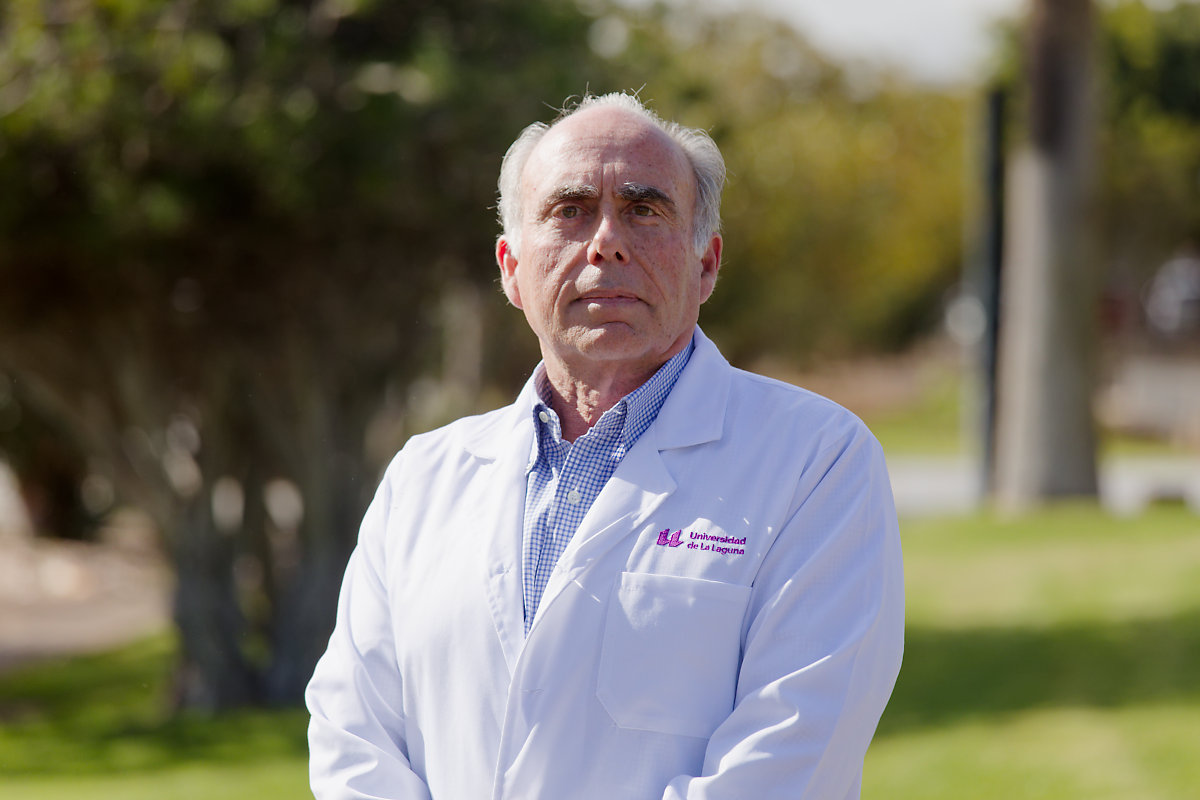
Carlos de las Cuevas.
Treatment and clinical practice
From the field of psychiatry, Carlos de las Cuevas Castresana emphasizes that depression is a highly prevalent disease with a significant social and economic impact, although it has very effective treatments.
Despite this, one of the challenges in clinical practice is adherence to treatment. “Adherence is generally low,” says de las Cuevas Castresana. In the case of depression, many patients take their medication irregularly, which reduces its effectiveness. In certain cases of non-pathological emotional distress, she adds, this low adherence can even be an adaptive response, reinforcing the need for prudent and well-indicated use of treatments.
Along with Peñate Castro and de las Cuevas Castresana, he has also been part of this line of research. Ascension Angeles Fumero Hernandez, a tenured university professor in the area of Personality, Assessment and Psychological Treatment at the University of La Laguna, who was unable to be present at the interview due to previously scheduled commitments.
De las Cuevas Castresana points out that both psychotherapy and pharmacological treatment have proven effective. “Psychotherapy can be as effective as antidepressants in many cases, especially in mild and moderate depression,” she states. However, in clinical practice, access to psychotherapy remains limited. Only about 10% of patients receive it exclusively, while 30% access combined treatments and the rest rely solely on psychotropic medications. This situation, she explains, stems from structural limitations, since psychotherapy requires time, specific training, and a frequency of follow-up that is not always feasible in public healthcare systems.
The psychiatrist also warns against the indiscriminate use of antidepressants. “Antidepressants don't 'cure' depression in an etiological sense, but they can be crucial for clinical remission and relapse prevention,‘ he points out, which is why they should be maintained for the recommended duration and withdrawn gradually and under supervision. Otherwise, they can lead to unnecessarily prolonged treatments, with clinical and economic consequences.
A crucial aspect of the therapeutic approach is the relationship between the professional and the patient. “The doctor-patient relationship is key to therapeutic success in psychiatry,” he states. He explains that a relationship based on respect, trust, clear communication, and shared decision-making significantly improves adherence to and outcomes of treatment.
Finally, de las Cuevas Castresana points out that, although depression can be serious and potentially fatal if left untreated, especially due to the risk of suicide, when properly diagnosed and treated it has a very good prognosis.

Imanol Nieto.
Socioeconomic context and risk of depression
From the perspective of applied economics, Imanol Lorenzo Nieto González, assistant professor in the area of Quantitative Methods for Economics and Business at the University of La Laguna, and María Carolina Rodríguez Donate, a tenured university professor in the same area (who was unable to attend the interview due to scheduling conflicts), study depression from a non-clinical perspective, focusing on the relationship between socioeconomic conditions and the risk of experiencing depressive symptoms.
“We are not trying to establish causality, but rather to analyze the correlation between certain socioeconomic characteristics and the risk of depression,” he explains. To this end, the research group Applied Microeconometric Analysis It works with microdata from the European Health Survey, which includes information from around 300,000 people in 28 European countries.
Depression was measured using the PHQ-8 questionnaire, which was included in the survey. This allowed the population to be classified according to the absence of depression or mild, moderate, or severe symptoms. Based on probability models, the analysis shows that socioeconomic context plays a significant role in the risk of depression, consistent with previous literature.
Among the most important factors, gender stands out. “We consistently find that women have a higher probability, a greater risk, of suffering from depression,” Nieto points out, both in Spain and across Europe. Income and education are also determining factors. Lower income increases the risk, while education acts as a protective factor. Social and family support also emerges as a fundamental element in reducing vulnerability.
Working conditions are a central focus of the analysis. Temporary contracts, part-time work, and certain economic sectors are linked to a higher risk of depression. In one study, the public sector appears as the highest-risk sector, a finding that, according to its research group, could be related to factors such as dependence on political cycles or frequent changes in management teams.
Nieto González emphasizes that the risk of depression results from a combination of factors acting together and argues that mental health policies must be targeted, gender-sensitive, and adapted to work and social contexts. “There are no one-size-fits-all solutions for such a complex problem,” she states.
(This report is an initiative framed within the InvestigaULL Commemorations Calendar, a scientific dissemination project promoted by the University of La Laguna).
Scientific Culture and Innovation Unit (Cienci@ULL)

 Spanish
 English
 French