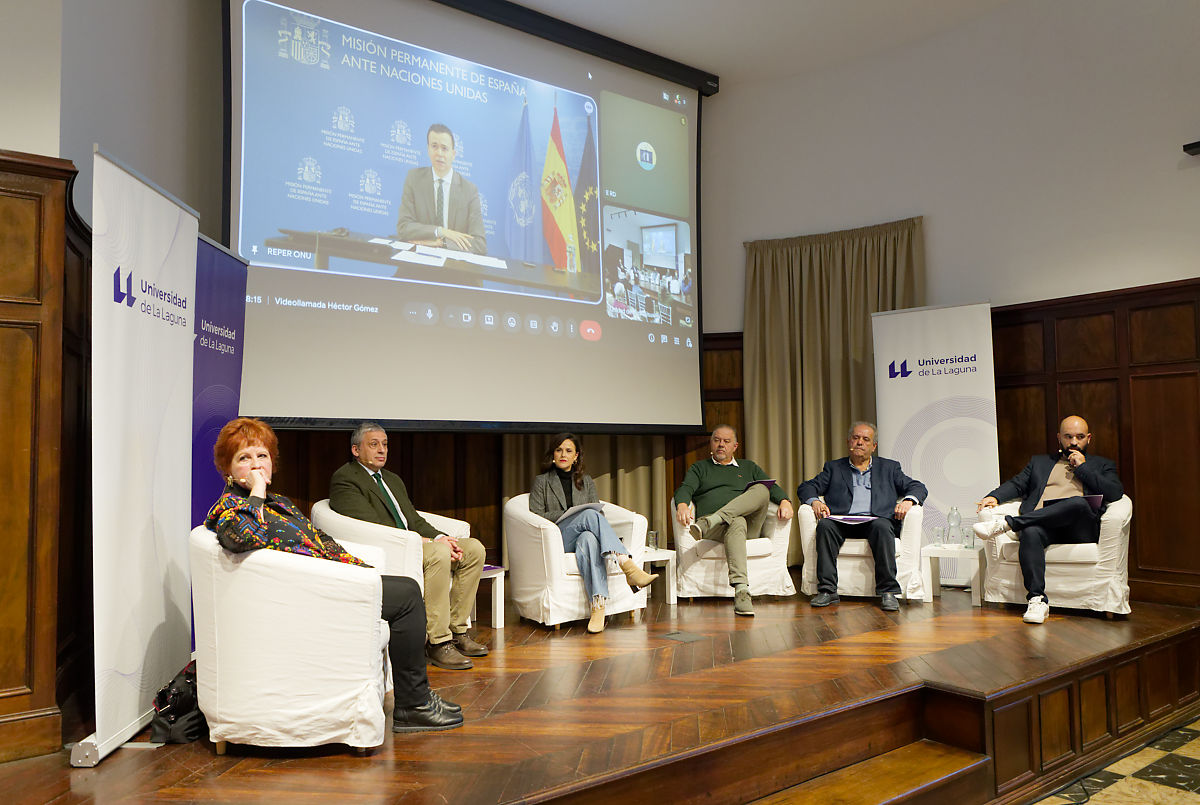
The year 2026 began in the most controversial way possible, with the United States' takeover of the Venezuelan presidency and the capture of its president, Nicolás Maduro. This unprecedented event has been further reinforced by Donald Trump's imperialist stance, threatening other nations where he also has strategic interests and calling into question the validity of international law. Just ten days later, the University of La Laguna held a debate to hear various expert opinions on the Latin American country and the consequences of the emergence of a new world order, amidst continued uncertainty.
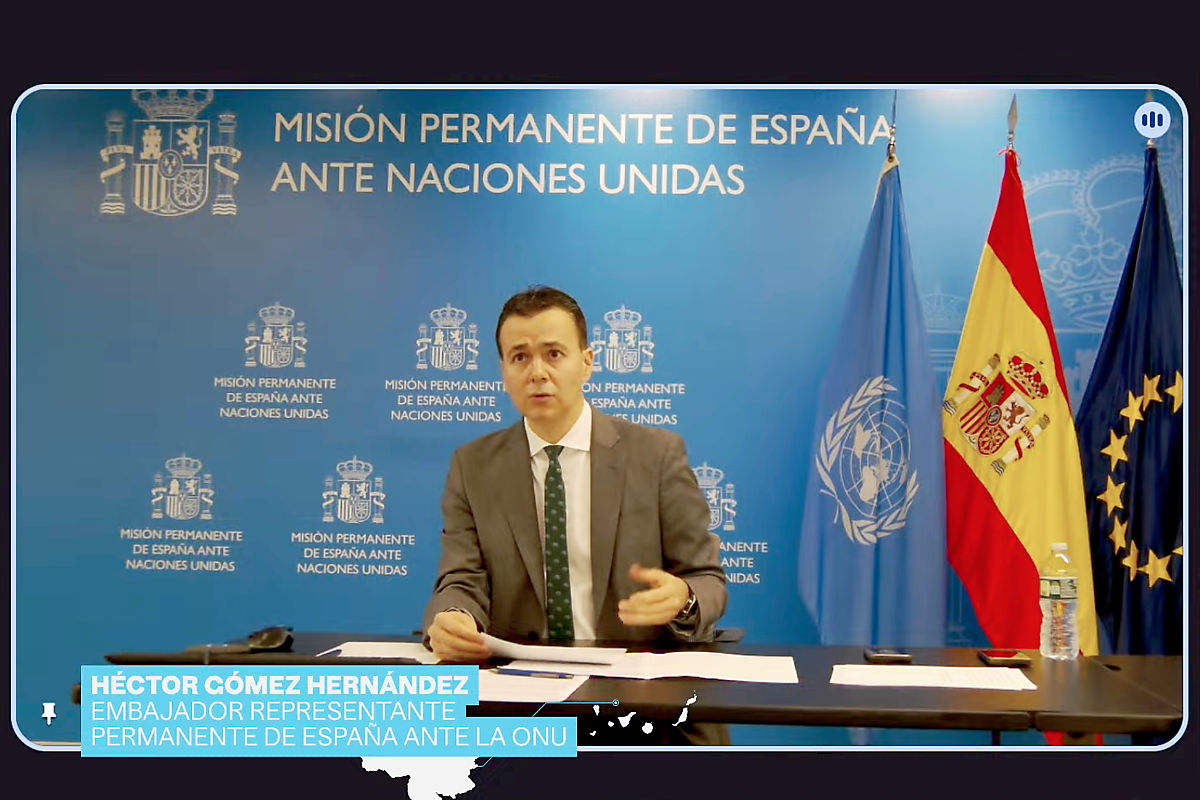
Hector Gomez.
The analysis session took place yesterday, January 15th, in the Aula Magna of the Central Building, and was attended by a large audience interested in learning about the causes of this new global scenario and its potential consequences. The first to participate in the debate, moderated by journalist Marta Rodríguez, was Héctor Gómez, head of the Permanent Mission of Spain to the United Nations, who joined live from New York.
The diplomatic representative was unequivocal about the US actions: they are illegal and violate international law. "It is a clear breach of the agreement reached by all UN member states." Gómez presented himself as a defender of the peaceful settlement of disputes and was very explicit in stating that a country's natural resources are part of its sovereignty. "Spain wants to work for peace and social justice, and that cannot be imposed by force," he asserted.
He also recalled that our country did not recognize the results of the Venezuelan elections in the summer of 2024 and that it has supported numerous political prisoners. The Permanent Representative stressed the importance of defending multilateralism from Europe, in the face of unilateral actions, and also emphasized the outstanding humanitarian aid provided by international organizations affiliated with the UN.
«"More than 25% of the Venezuelan population requires urgent humanitarian aid," he said, adding that 8 million citizens have left the country since 2014. "The vulnerability is extreme, in a country with inflation exceeding 30%. Furthermore, food insecurity affects 40% of the population, compounded by very high levels of systemic violence. It is an unsustainable situation.".
«"It is very important that what created the multilateral system is respected by those who signed it," he stressed.
He also expressed his support for human rights investigations and renewed the Spanish government's commitment to mediation efforts. "It pains me that Venezuela has been used as a political weapon when what is needed is unity of action." Héctor Gómez reiterated the importance of international law, thanks to which many international agencies are carrying out excellent work. "Let's remember the role of the WHO in the COVID-19 pandemic, or UNICEF's work with children. I want to emphasize that their actions are ongoing, especially in the humanitarian sphere.".
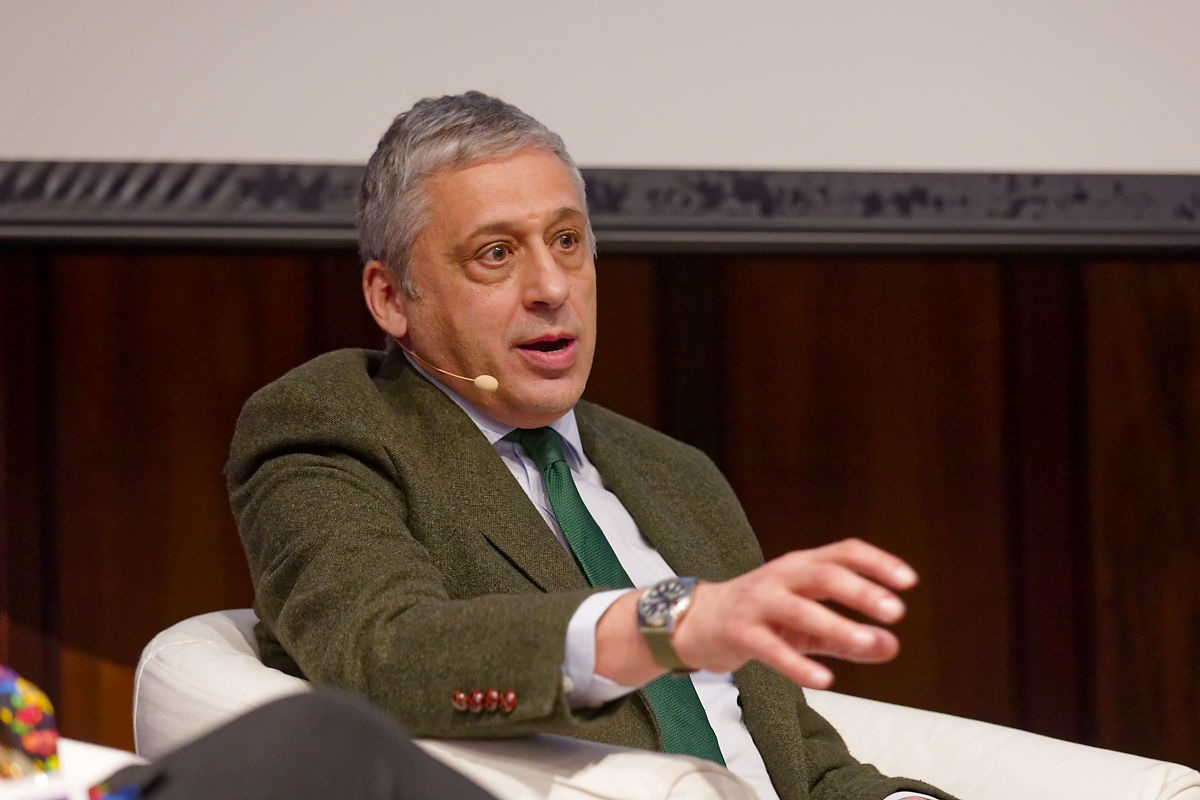
Luis Pérez Gil.
Venezuela, a US protectorate
Next, Luis Pérez Gil, Professor of Constitutional Law at the University of La Laguna and analyst at the Spanish Institute for Strategic Studies, spoke. He questioned the reasons behind the US intervention in Venezuela, dismissing political and economic arguments and focusing solely on geostrategic ones. “The US exercised an imperfect global hegemony, which was also in decline, in the face of other emerging states, such as China and Russia, which do not share the same rules of the game, and which are, in fact, the countries with the largest investments in Venezuela. Therein lies the basis for the intervention.”.
According to the analyst, Trump proposes a transactional democratic system, in which everything is interchangeable, “and in fact, the U.S. has turned Venezuela into a protectorate.” The constitutional expert was very clear about where power resides: “The five states that make up the UN Security Council are the ones that create international law.”.
For his part, the historian Angel Damaso Luis Leon He explained the causes of Chavismo's decline, which suffers a series of crises while in power and reacts by eliminating the actors with the greatest capacity for consensus. "Maduro is a consequence of this, and he was elected the new president because he was very close to Chávez," he stated, in a system that was never a one-person power, but rather represented one of the regime's families.
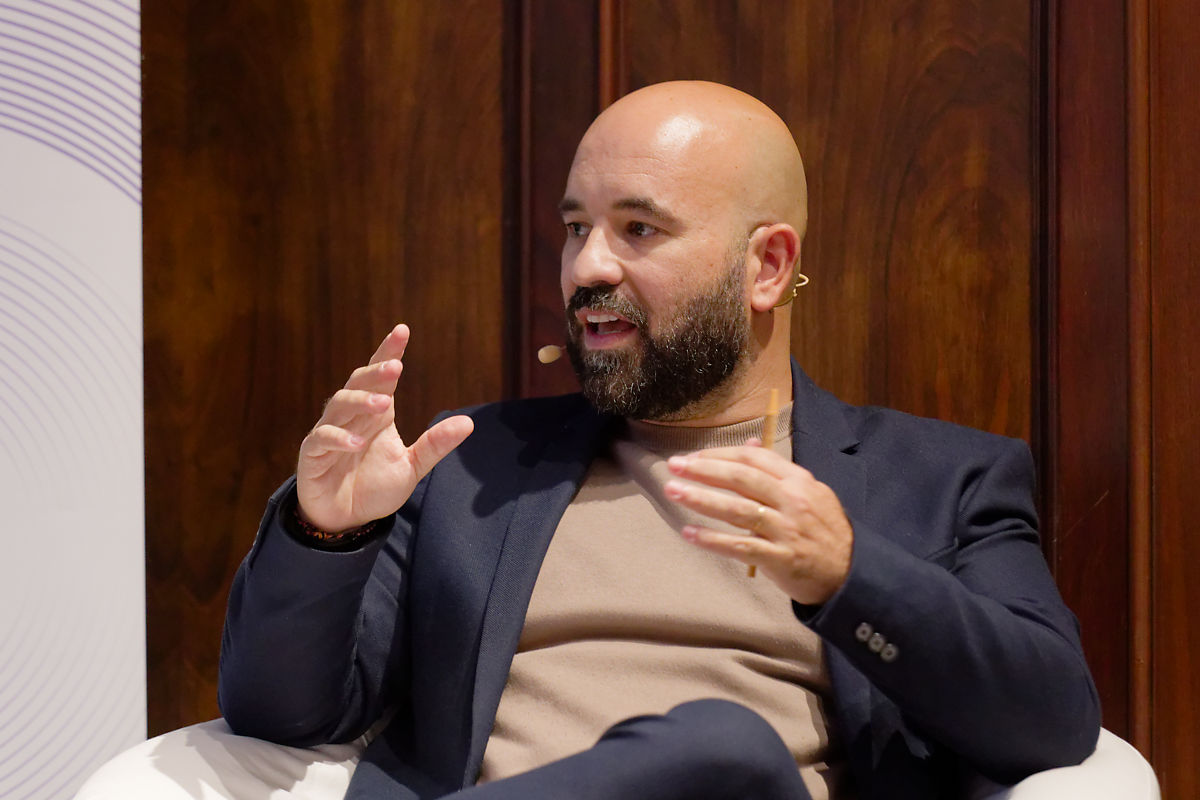
Angel Damaso Luis Leon.
Venezuela today is far worse than it was twelve years ago, with a collapsed economy and a very strong repressive system, he stated. “Pre-Maduro Chavismo had a lot of support among the people, while in the second decade of the 21st century we see great disillusionment with the paramilitary structure.” He explained that when Hugo Chávez died, the group linked to Maduro shifted its focus to safeguarding power, where the key is not so much the ideological structure as the acquisition of power itself.
Nevertheless, the professor added, “Chavismo has experience licking its wounds and adapting to the new situation.” He also pointed out that Chavismo’s socialist project is very particular, with strongly nationalist tenets mixed with revolutionary leftism. “The ideological doctrine changes month by month.”.
Luis León pointed out that the attack on international law leaves us with a darker world, but that despite everything, a ray of hope also opens up, thinking that citizens may one day decide a new future.
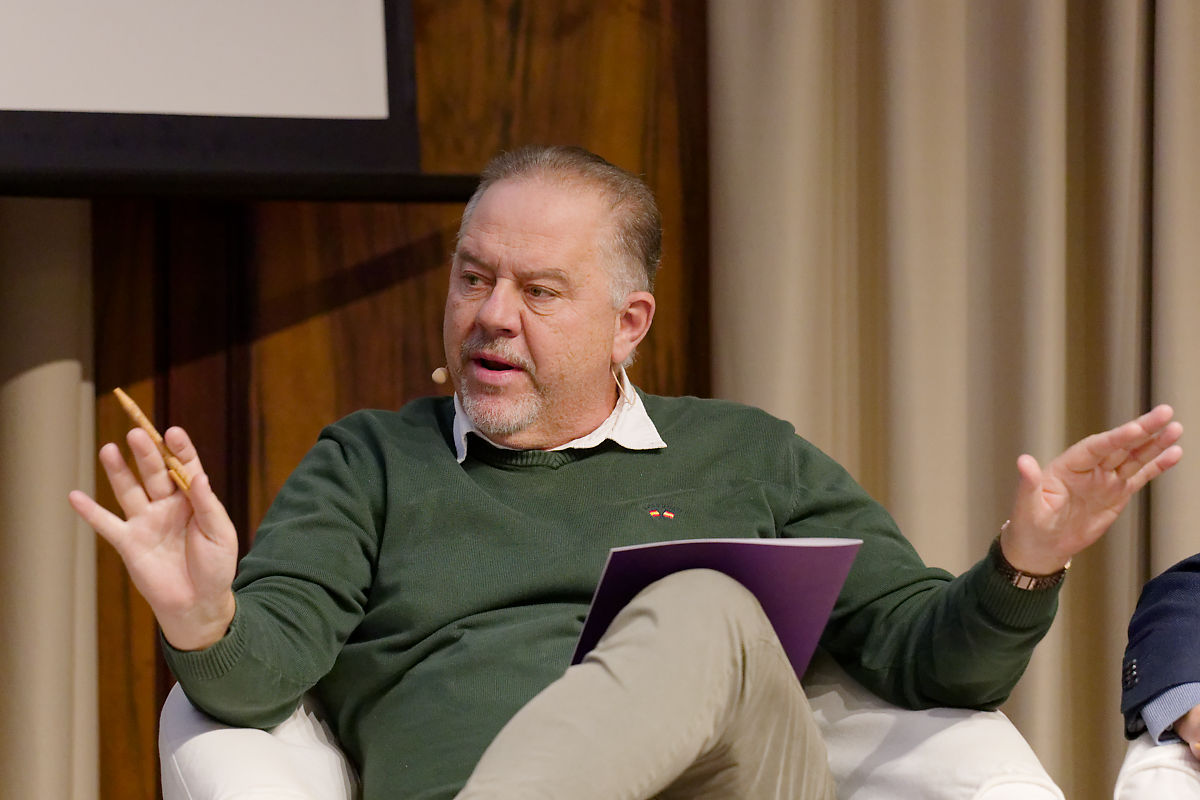
Agustín Rodríguez.
Agustín Rodríguez, vice president of the Venezuelan Canarian Union Association, offered a completely different perspective, much closer to the United States' position. "It seems as if the U.S. is to blame for everything, when in fact the country's economic situation, the lack of medicine, and the citizen insecurity already existed.".
“We have witnessed declarations of good intentions from all organizations, but the truth is that the U.S. is the only one that has done anything to bring about change,” he argued. “It’s a good thing we have oil and that we can pay the United States,” added Rodríguez, who clearly defended the U.S. intervention. “Venezuela wasn’t attacked, but rather a narco-dictator who had the country starving.”.
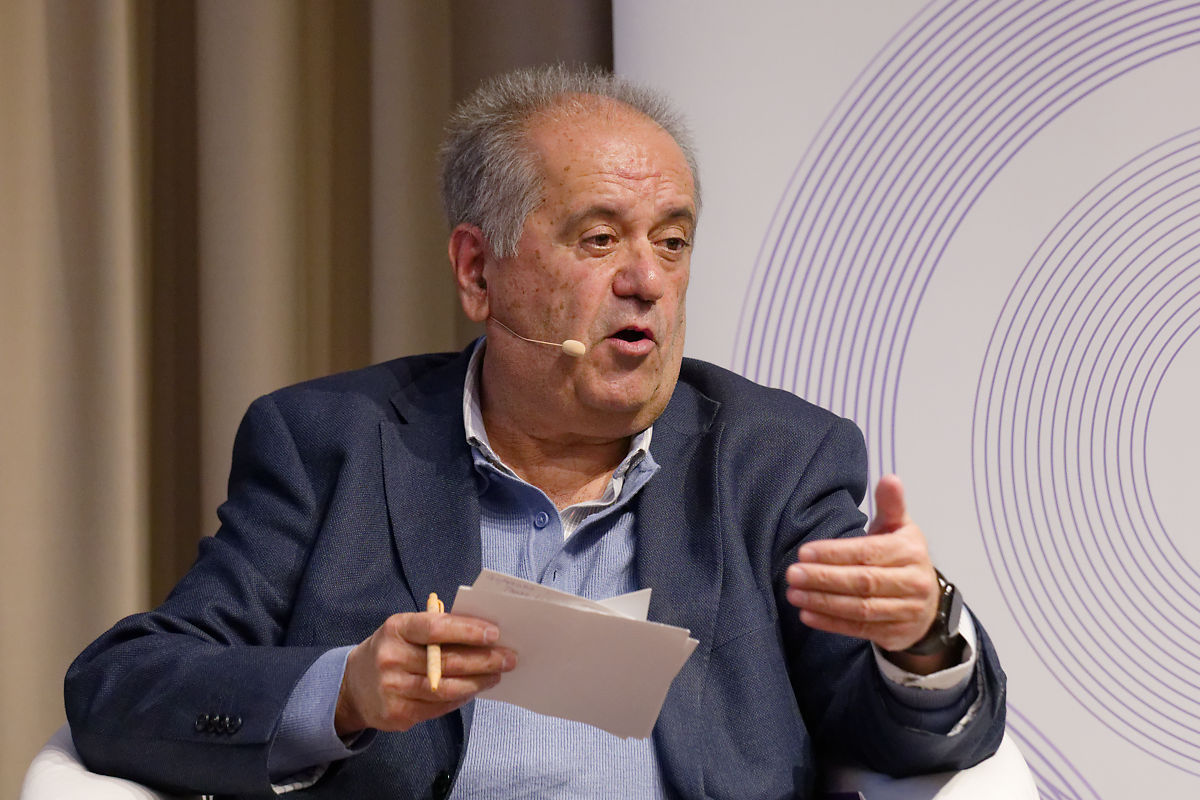
José Luis Perestelo.
Support for Venezuelans
“In the Canary Islands, we have established a Canarian-Venezuelan family on the islands, and our priority now is to maintain a strong social network to support the Spaniards who are there. That is why we maintain day centers, nursing homes, and food cards for more than 5,000 people and medicine cards for more than 3,000,” explained José Luis Perestelo, Deputy Minister of Foreign Action of the Government of the Canary Islands, in the debate.
“We are carrying out this policy of supporting the population in close collaboration with the Spanish Government, in a coordinated manner.” Perestelo also noted that there are Canary Islanders currently incarcerated. “We are working to ensure that Venezuelans who have lived among us can also receive assistance,” said the Deputy Minister, who concluded his remarks by emphasizing the importance of believing in the future of the country.
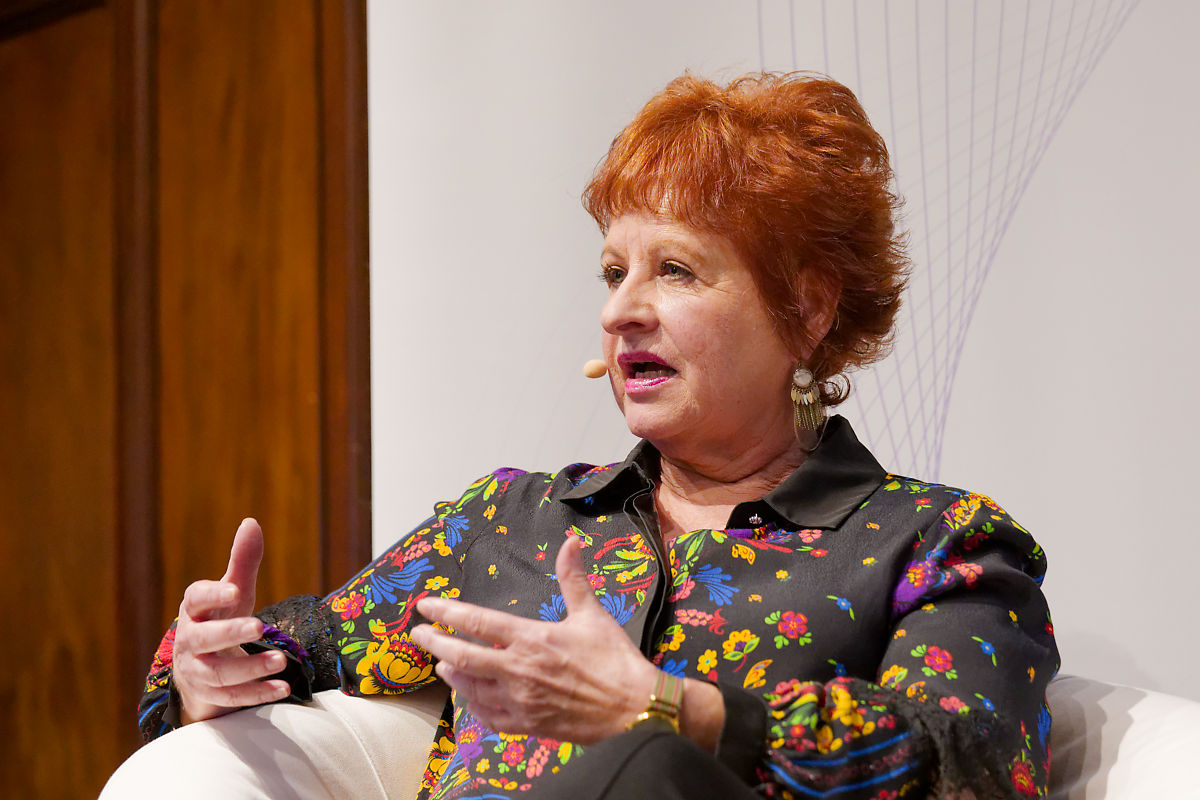
Carmen Ascanio.
The latest perspective on this matter came from the professor of Anthropology and Sociology Carmen Ascanio. “Venezuela has never been a country of emigration, and in fact, the lack of population in past centuries has been very pressing.” Therefore, “we are talking about a nation that had no history of migration and that in a very short period of time has experienced an impressive exodus.” This phenomenon has caused the population pyramid to invert, because it is no longer a young country as it once was, and many elderly people have been left alone in the country. “This population inversion will have terrible consequences in the coming decades.”.
Fresh from a three-month stay in Venezuela, Ascanio said she noticed the “enormous pain of the people, with families divided by emigration,” noting that the emotional aspect is also relevant for a people who had never had any experience with migration.
Full recording of the session:

 Spanish
 English
 French