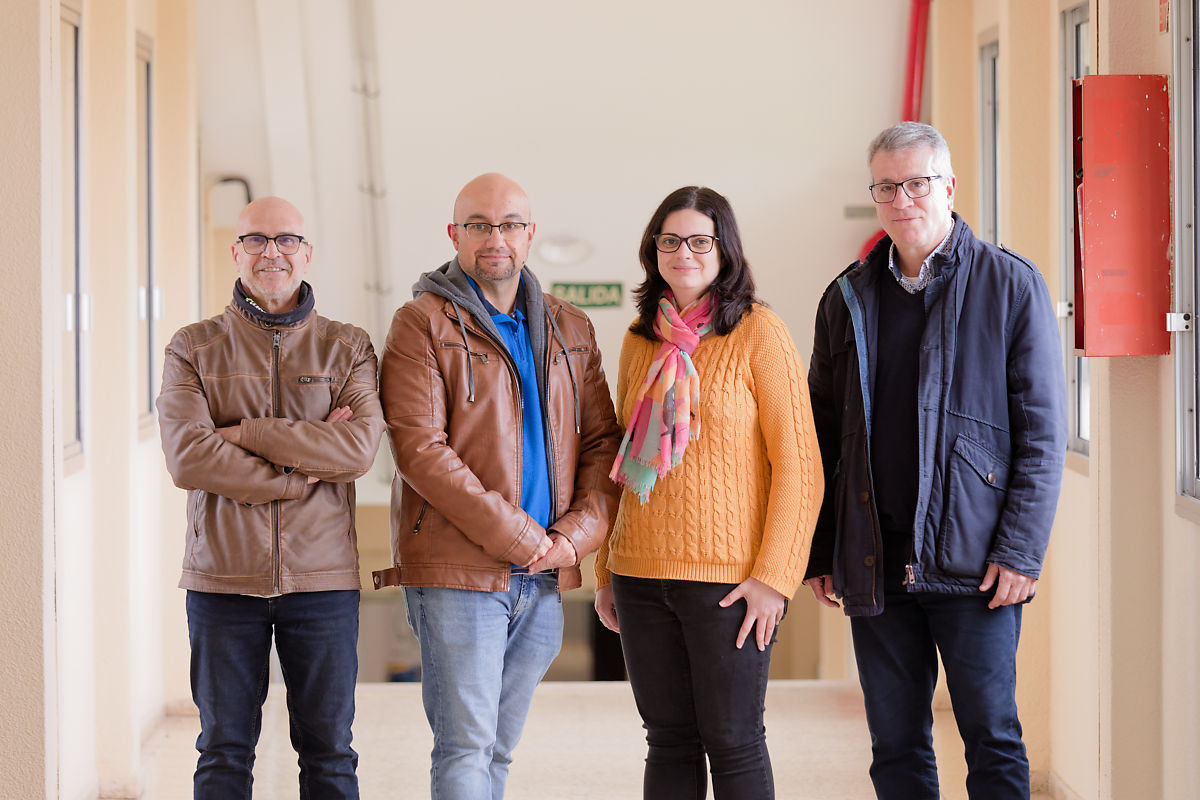
The University of La Laguna has secured nearly €600,000 for applied R&D projects through the María del Carmen Betancourt y Molina Research Support Program, promoted by the Canary Islands Agency for Research, Innovation and the Information Society of the Government of the Canary Islands. This funding opportunity recognizes applied research initiatives at the University of La Laguna in strategic areas such as energy decarbonization, photovoltaics, asthma research, and the development of therapies aimed at synaptic restoration in neurodegenerative diseases such as Alzheimer's and Amyotrophic Lateral Sclerosis (ALS).
The awarded projects fall within the priority areas of the expanded Canary Islands Smart Specialisation Strategy (RIS3) and will receive funding covering up to 100% of each initiative's budget. These projects will be carried out between 2025 and 2027 and will enable research teams to hire staff, acquire specialized equipment, and conduct experimental trials, with the aim of generating transferable results that contribute to improving the social and economic environment of the Canary Islands.
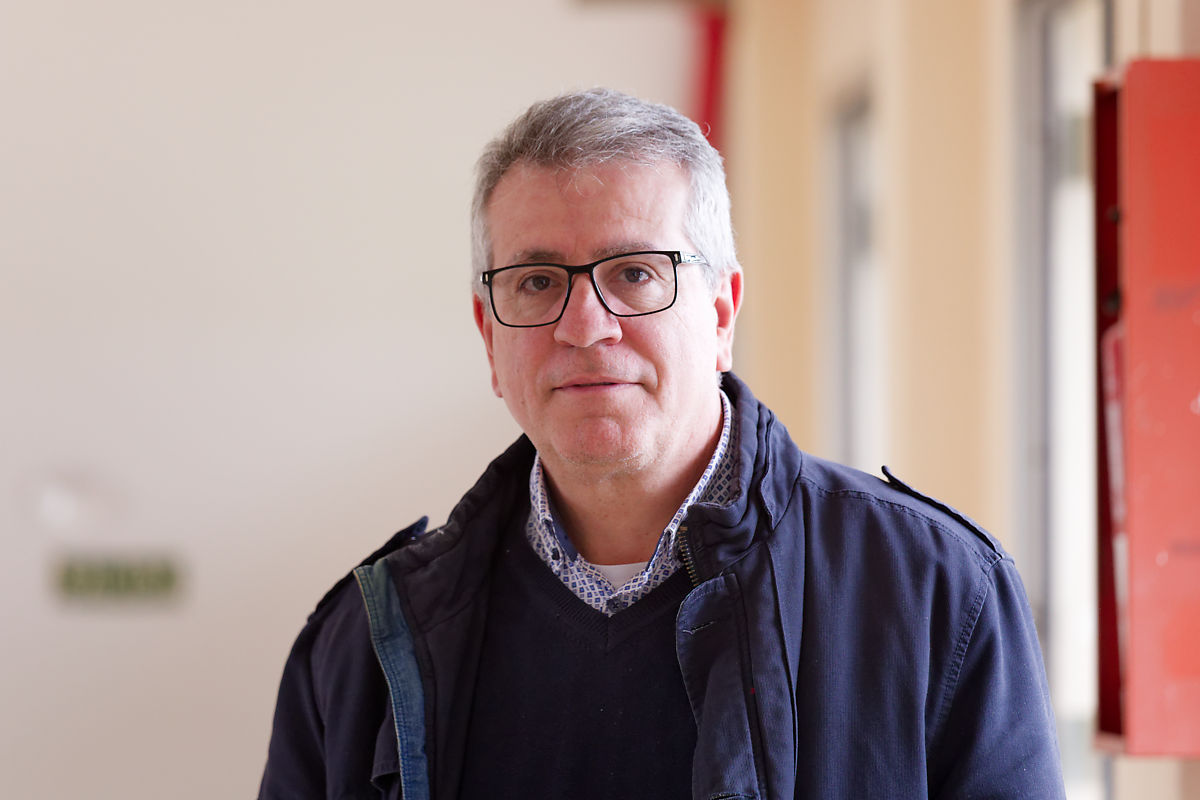
Cecilio Hernández.
Thin-film solar cell optimization
The project “Characterization and integration of down-shifter films based on Eu(III) complexes and Cu(I)-X coordination polymers in thin-film solar cells and modules” has as its principal investigator Cecilio Hernández Rodríguez, Professor of Applied Physics at the ULL. This project is situated in the area of photovoltaic energy and is proposed with the objective of improving the cost-efficiency ratio, using new thin-film photovoltaic devices by inserting “down-shifter” (DS) sheets, which allow the absorption of ultraviolet radiation to convert it into visible radiation and increase the response of these.
One of the main objectives of the research team during the three years of this project is to improve the cost-efficiency of high-performance Cu(In,Ga)Se₂ (CIGS) thin-film solar cells. The proposed approach involves incorporating low-cost, easily integrated down-shifting (DS) layers based on materials not yet used in this technology, which can be manufactured and implemented within existing production lines.
In addition to Hernández Rodríguez, the working group includes researchers Ricardo Luis Guerrero Lemus and Omar Enrique de Varona Ortega from the Physics department, as well as Joaquín Gabriel Sanchiz Suárez from the Chemistry department and staff from the Photovoltaic Energy Department of the Institute of Technology and Renewable Energies (ITER). It also collaborates with other institutions such as the Autonomous University of Madrid, the National University of Singapore, and the Zentrum für Sonnenenergie- und Wasserstoff-Forschung Baden-Württemberg Foundation in Germany.
Energy decarbonization of islands
The project “Sustainable optimization and integrated governance for energy decarbonization and renewable penetration in isolated island territories (SOGIED-RI2T)” is led by the
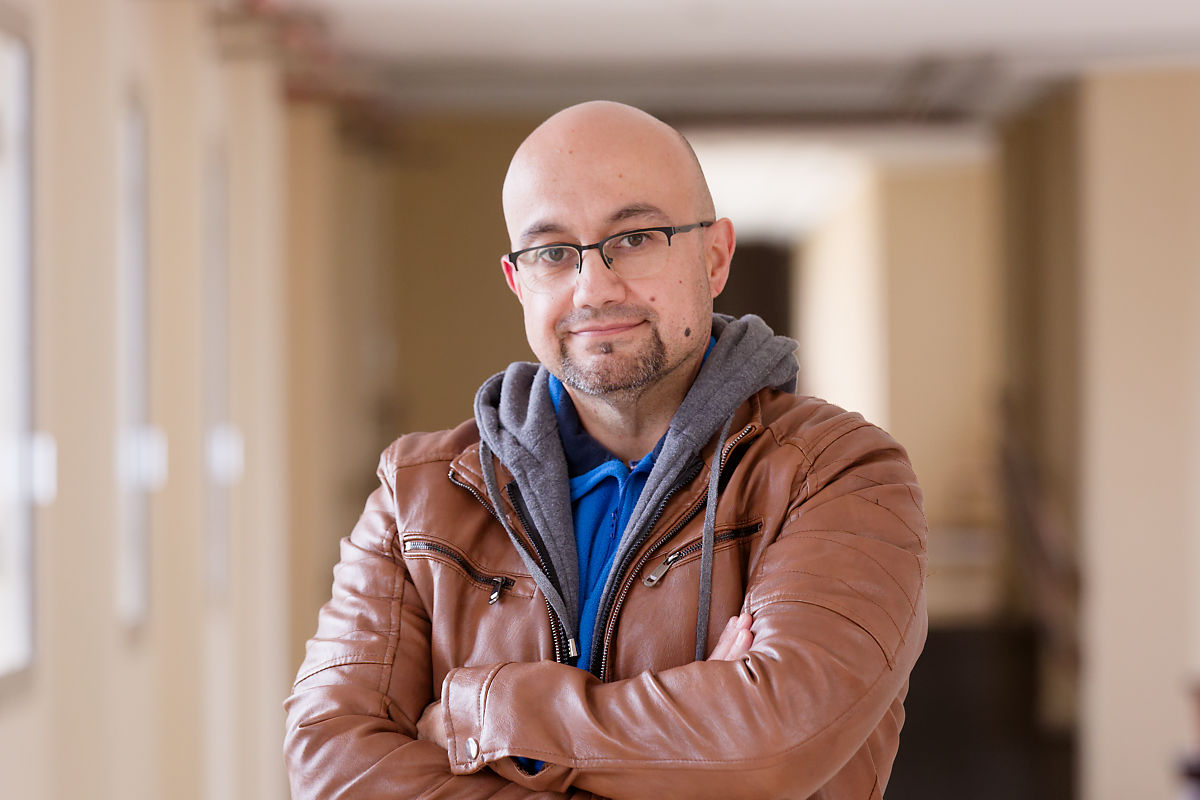
Benjamin Gonzalez.
Professor in the Department of Industrial Engineering, Benjamin Gonzalez Diaz. This research aims to explore possible decarbonization scenarios for Tenerife, considering not only the energy consumption of the island's development across its various economic sectors, but also including an analysis of the transport transition and electrification, specifically focusing on the electric vehicle sector. Its main objective is to define possible scenarios in order to generate an appropriate decarbonization roadmap for the island.
This project will be developed entirely at the ULL over three years and has the participation of Francisco Ramos Real, professor in the Department of Economics; Francisco Calero, associate professor in the Department of Economics; Gracia Brito, associate professor in the Department of Economics; Mª Carolina Rodríguez Donate, associate professor in the Department of Economics; Ernesto Pereda, professor in the Department of Industrial Engineering; and Óscar García, contracted PhD professor in the Department of Industrial Engineering.
Synapses and olfactory dysfunction in neurodegenerative diseases
“Synaptic restoration approach to Alzheimer’s disease and Amyotrophic Lateral Sclerosis (SynADALS)” is the title of the project led by Angel Acebes Vindel, Professor in the Department of Medical Sciences. The loss of synapses (the specialized junction where one neuron communicates with another cell to transmit information) and olfactory dysfunction are early events in certain neurodegenerative diseases. Thus, with this research, they propose to establish the effect of increased synapse numbers in early neurodegenerative stages as a potential early therapeutic target in Alzheimer's disease and amyotrophic lateral sclerosis (ALS).
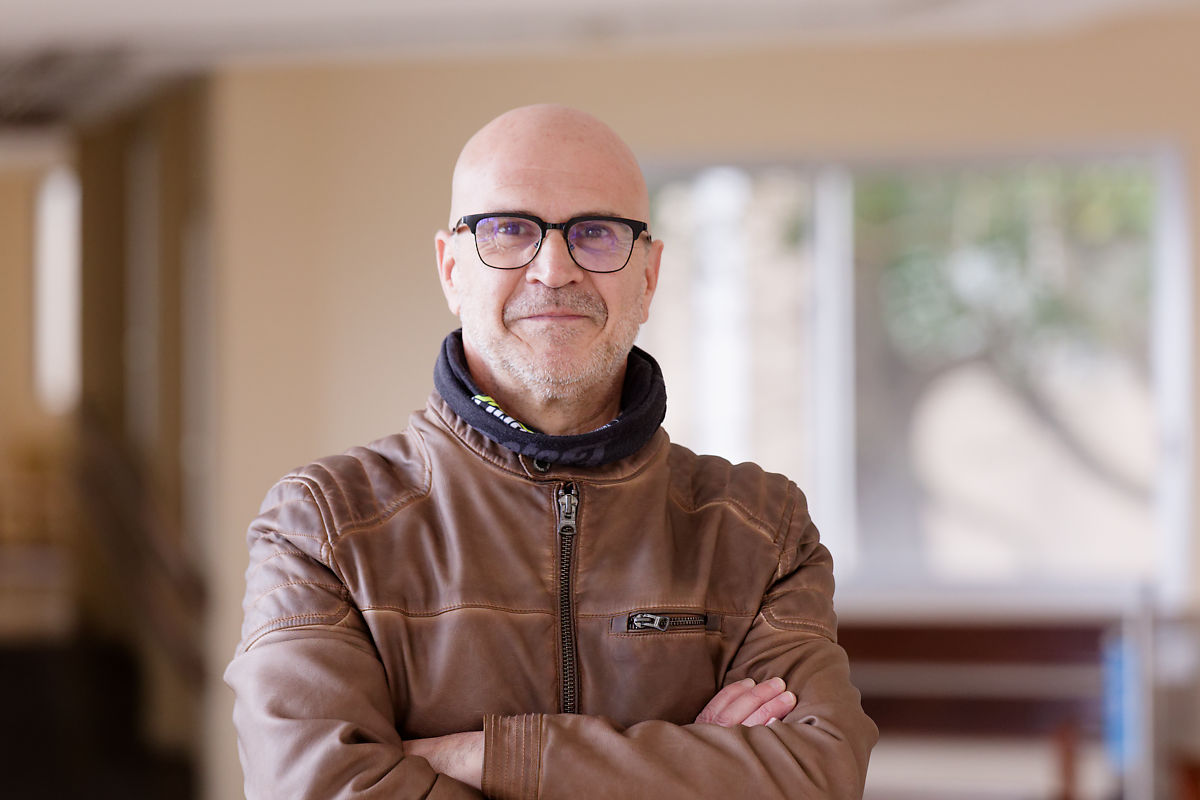
Angel Acebes.
To achieve this, they are using mouse animal models in which a molecular pathway in the brain, PI3K, is activated to protect neurons and promote the formation of new connections between them. The effects of this intervention will be evaluated through olfactory tests in these animals. If the study's hypothesis is correct, it would establish proof of concept for an innovative and early molecular therapeutic approach to the treatment of neurodegenerative diseases.
The objectives of this project are to evaluate, both morphologically and functionally, the use of pharmacological tools that increase control and counteract synapse loss, a neuroprotective mechanism common in Alzheimer's disease and amyotrophic lateral sclerosis (ALS). This three-year project also involves [other researchers/collaborators]. Guido Santos Rosales, He is a tenured lecturer in the Department of Biochemistry, Microbiology, Cell Biology, and Genetics. His expertise lies in bioinformatics and systems biology applied to the molecular processes of disease. Some of his major contributions have focused on molecular markers for Alzheimer's disease and immunity against bacterial pneumonia.
Biological sex in asthma
The development of new asthma therapies has been limited by an incomplete understanding of the disease's biological mechanisms and the difficulty of predicting, at the time of diagnosis, which patients will progress to more severe forms. Although it is well documented that asthma presents significant differences between men and women (more frequent in childhood and in women during adulthood), most genomic studies have analyzed both sexes together, without considering these differences.
The project, “Multi-omics study to understand the role of biological sex in asthma (MUSA)”, led by the senior lecturer of the Department of Biochemistry, Microbiology, Biology
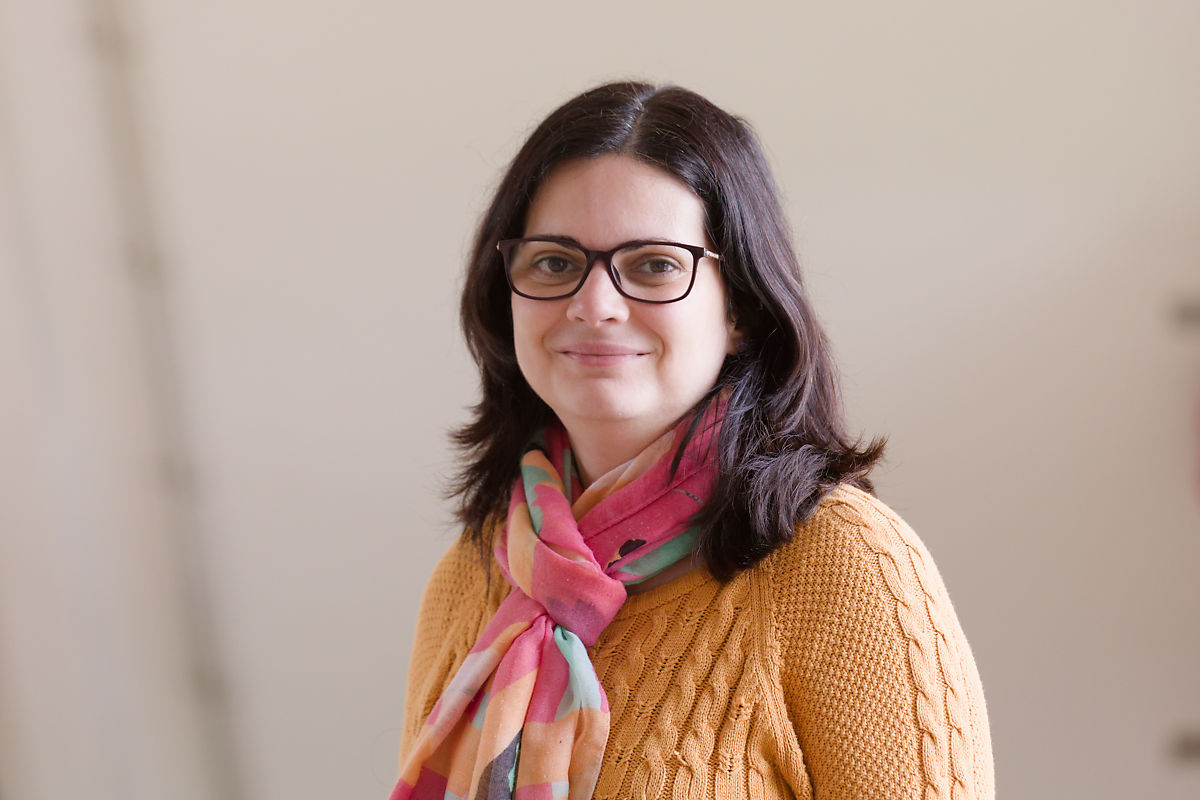
María del Mar del Pino.
Cellular and Genetic, María del Mar del Pino Yanes, This study aims to address this limitation. To do so, epigenetic and gene expression data will be studied in blood samples from 3,000 people of European, Latin American, and African American descent, analyzing men and women separately. Using artificial intelligence techniques, the research will develop predictive models of asthma that take biological sex into account, with the goal of improving the prediction of the disease and its severity, as well as identifying new therapeutic targets.
MUSA, a three-year project, aims to deepen our understanding of the biological mechanisms that explain the differences in the prevalence and severity of asthma between men and women, as well as to identify more specific biomarkers that will improve its diagnosis and treatment. Fourteen researchers from eight institutions are participating in the project.
In addition to Del Pino Yanes, the Genomics and Health group at the University of La Laguna includes Fabián Lorenzo, Elena Martín, and Mario Martín. From the University Hospital of the Canary Islands, the team comprises Ruperto González, Paloma Poza, María Inmaculada Sánchez, and Elena Mederos. José María Hernández participates from the University Hospital Nuestra Señora de la Candelaria; Luis Manuel González from the Insular Hospital Nuestra Señora de los Reyes; and Marta Puga from the Febles Campos Hospital.
On the other hand, Natalia Hernández from the company NTT Data SL participates, and the team is completed with researchers from Stanford University, Javier Pérez, and from the University of Cambridge, Adrián Báez.

 Spanish
 English
 French