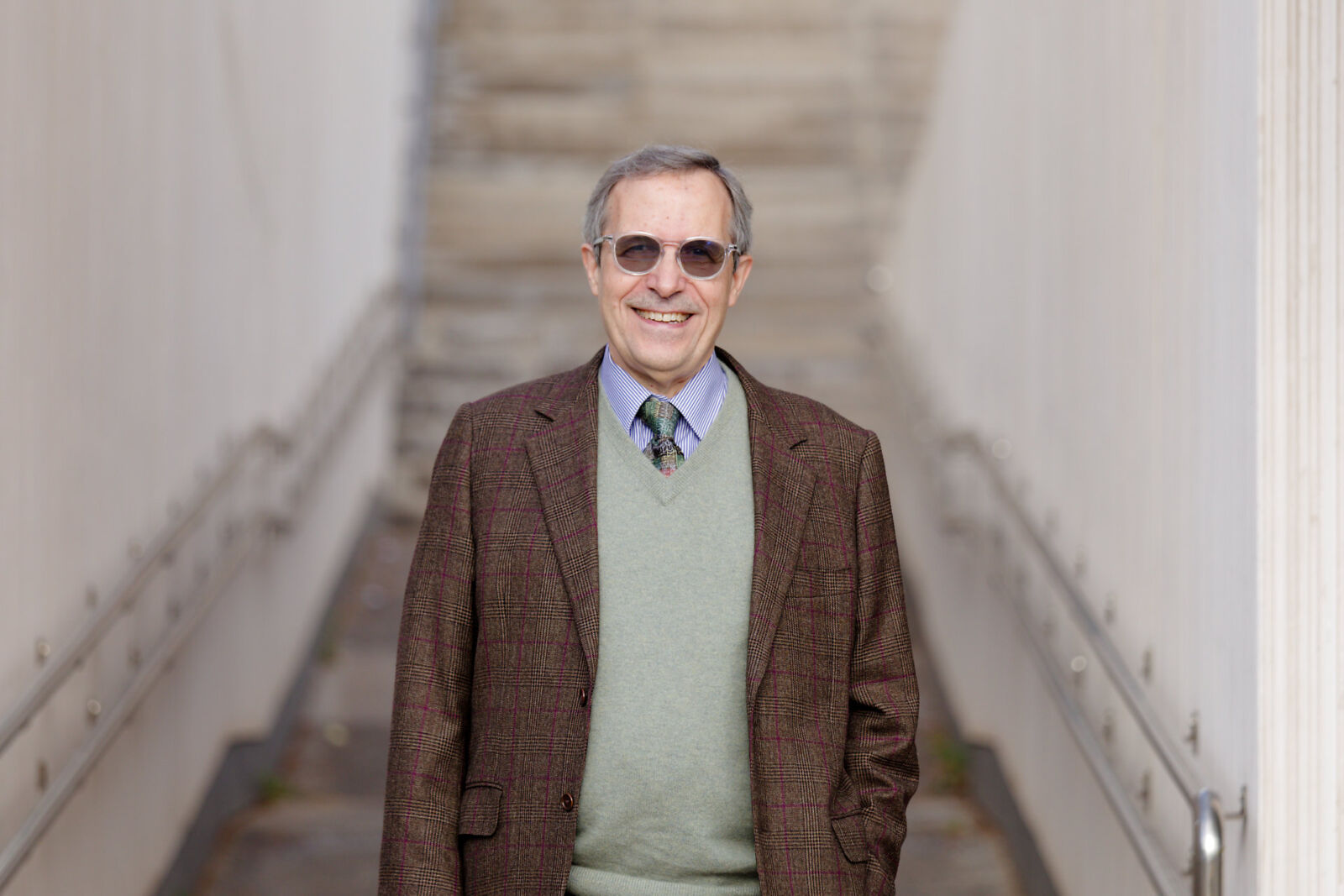
In the heart of the Faculty of Health Sciences at the University of La Laguna, the hustle and bustle, the hallway conversations, the usual silence of the classrooms, were interrupted on February 12th by a lesson in humility and scientific innovation. The protagonist was none other than Josep Dalmau, neurologist, National Research Prize in Medicine 2025 and researcher of the Catalan Institution for Research and Advanced Studies (ICREA).
Dalmau, who divides his time between the Hospital Clínic of Barcelona and the University of Pennsylvania, is not just a name in medical textbooks; he is an example of the bridge between the patient's bedside and the high-resolution microscope.n. DuraDuring his stay at the ULL, he outlined a career path that began in cancer research and ended up transforming modern psychiatry and neurology, identifying to date 11 of the 17 known autoimmune encephalitides. During his visit, the researcher, born in Sabadell, toured the facilities of the Institute of Biomedical Technologies and was able to learn firsthand about their main lines of research.
«"Thinking outside the box"»
Josep Dalmau's career path is a lesson in tenacity. His initial training was in medicine and neurology, with a strong focus on oncology. For much of his career in the United States, he concentrated on what are known as paraneoplastic syndromes. These processes occur when a cancer, in an attempt to proliferate, expresses proteins that are normally found only in neurons.
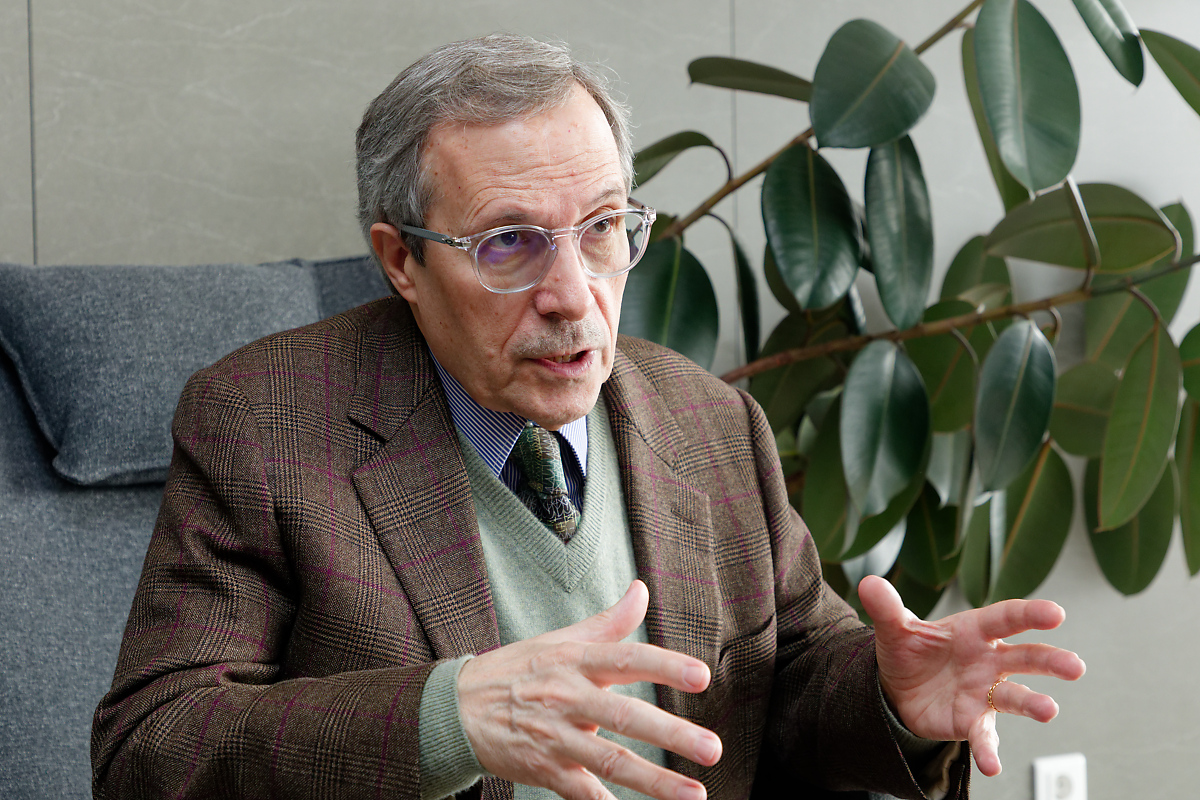 The immune system, in its defense role, detects these proteins as foreign and launches a further attack.ivo. «The The immune system will eliminate the cancercer… p"But it can't distinguish whether these proteins are from the tumor or from the brain," the researcher explains. The result is devastating brain inflammation that often kills the patient before the tumor itself.
However, the real plot twist came when Dalmau arrived at the University of Pennsylvania. There he encountered patients who didn't fit the mold: young women and teenagers in intensive care with devastating symptoms, but no trace of cancer or risk factors.o. No They were the typical 60-year-old smoking patients; they were healthy young women who suddenly lost their minds or the ability to move.. "HE "I had done all the tests on her, and everything came back negative," Dalmau recounts about one of the first patients she saw.
Clinical intuition was key. Recalling previous cases, she realized she had four patients who were «almost identical» to one another: young women with a small benign ovarian tumor (teratoma) and identical symptoms. «You don’t have to be a genius to figure out they all have the same thing,» she says modestly. It was then that her team decided to apply the famous «thinking outside the box,» searching for antibodies not associated with the previously known cancer.
After months of work with an Italian student and the use of rat brains—whose proteins are very similar to human ones—they discovered that the target of the attack was the NMDA receptor, a protein fundamental to synapses, learning, and memory. Although the article by The Lancet in 2008 It is the most cited, Dalmau specifies that the path began with previous publications in 2005 and 2007 in American journals.
Anti-NMDA receptor antibody encephalitis is currently a model of study due to its clinical impact. "It can perfectly mimic a psychotic episode," warns the doctor, noting that in adolescents and young adults the disease appears abruptly with psychosis, often leading to erroneous admissions to psychiatric facilities. In children, the disease presents differently: irritability, behavioral problems, seizures, and movement disorders.
Despite being a serious illness that can keep patients in the hospital for months, Dalmau's message is one of hope: 80% of patients with TP3T improve significantly after treatment. However, the battle is not won for everyone; 15% of patients with TP3T suffer serious aftereffects, and 5% of patients with TP3T die.
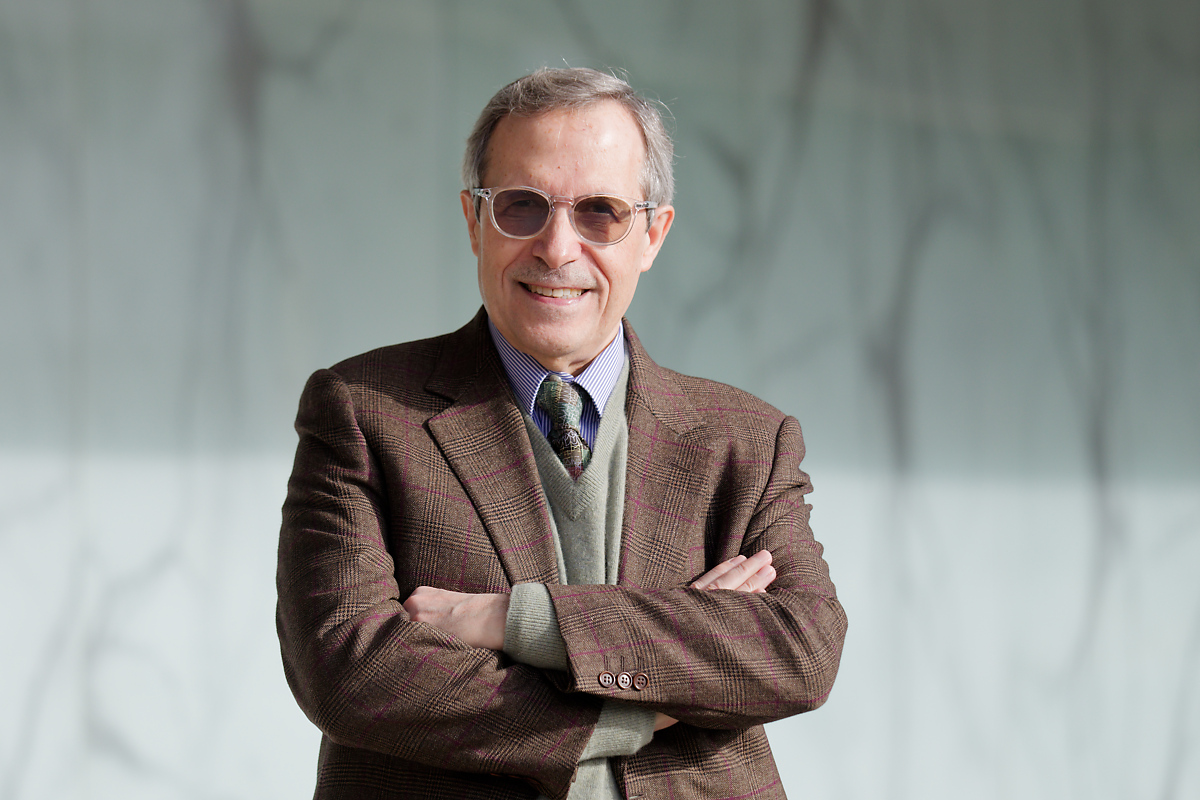 What makes this process fascinating, as Dalmau explained at the University of La Laguna (ULL), is what happens at the microscopic level. Thanks to nanoscale microscopy technology, we can now see almost all the molecules in isolation. In this disease, antibodies bind to NMDA receptors on the surface of the neuron and alter their dynamics, causing them to be internalized. "The neuron is left somewhat devoid of these receptors," Dalmau graphically describes. Without these receptors, communication between the brain's 80 billion neurons breaks down, massively affecting memory and thinking.
The spectrum is widening: from sleep to dementia
The initial discovery was just the tip of the iceberg. Since that first discovery, the field has exploded. Today, 17 types of autoimmune encephalitis are known, and Dalmau's team in Barcelona has described 11 of them, he points out, mentioning one particularly intriguing type where the main symptom is a very characteristic sleep disturbance. “This variant usually affects older adults and can progress slowly over months, mimicking degenerative processes such as Alzheimer's or dementia.gum".
This range of pathologies has forced collaborationrare to several andSpecialists such as neurologists, psychiatrists, pediatricians, and intensivists. "The impact has been across a spectrum of specialties," says Dalmau, highlighting how the field has evolved from almost total ignorance to the existence of simple diagnostic tests and clear therapeutic strategies.
If anything defined Dalmau's time at the University of La Laguna, it was his advocacy for translational research. For him, science doesn't emerge from a vacuum, but from questioning the patient. "I am a doctor before I am a researcher," he states. His method is a constant cycle: see a patient, identify a problem, take the question to the laboratory, and return the answer to the clinic.
At the Hospital Clínic in Barcelona, this concept is physical: a bridge of just seven meters connects the research center of the August Pi i Sunyer Biomedical Research Institute (IDIBAPSwith the hospital. "I can be in neurology in 50 seconds," he explains to illustrate the close relationship that should exist in every academic center. Dalmau laments that this model is under threat, even in the United States, due to economic pressures and the extremely high competition for grants that forces students to choose between seeing patients or doing research.
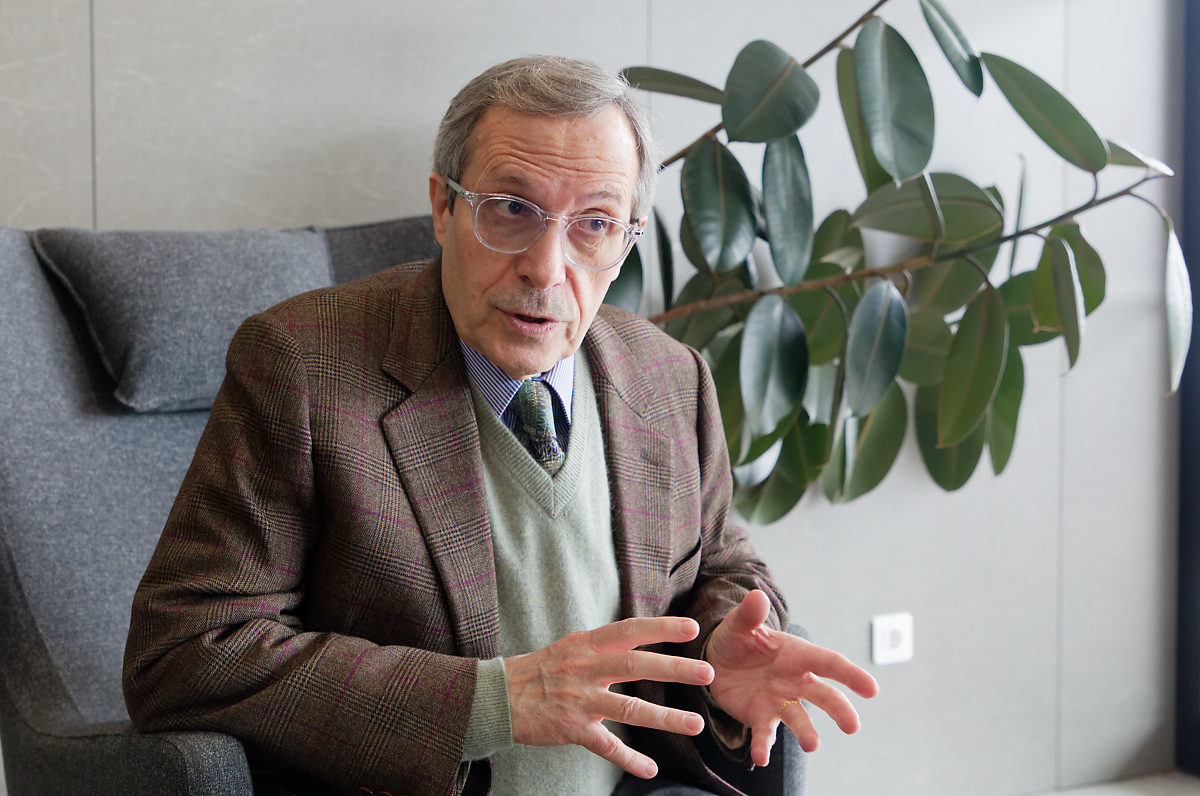 Addressing students at the University of La Laguna, Dr. Dalmau issued a challenge: to "navigate both seas," the sea of clinical practice and the sea of research. While acknowledging that medicine is deeply vocational and focused on healing, he considers basic research training "essential" for an academic physician. "It helps develop a reasoning mindset and a rigor that benefits your professional life, even if you never do it again." For him, understanding how a theory is tested in a laboratory is the only way to truly grasp clinical trials and the new medications that will transform the medical practice of the future.
Don't stop playing the piano
What made Josep Dalmau's visit to the University of La Laguna exceptional was not only his international prestige, but also the very origin of the invitation. The meeting arose from the curiosity of medical students Pablo Siberio and Carlota Rodríguez, who, while working on their final year project about the researcher's work, proposed bringing him to the island. During the talk, it became clear that Dalmau had not come simply to deliver a lecture, but to establish a direct dialogue with those who represent the future of medicine, expressing his delight and gratitude for the students' interest.
One of the most memorable moments of his interaction with the students was when Dalmau used an artistic metaphor to explain the difficulty of being an elite professional in two fields at once. “I have friends who are very good pianists and are also doctors,” the researcher recounted, explaining that while one can continue to play the piano masterfully, it is almost impossible to be a highly competitive professional concert pianist while also practicing medicine full-time.
With this analogy, Dalmau warned students about the growing disconnect between clinical practice and basic science due to competitive and economic pressures, which force many to choose only one path. However, his final advice for the ULL students was emphatic: “Don’t stop playing the piano.” He urged future doctors to at least familiarize themselves with research, since this initial training «is never forgotten» and provides a «methodical way of thinking» that is vital even for those who only observe. patients.
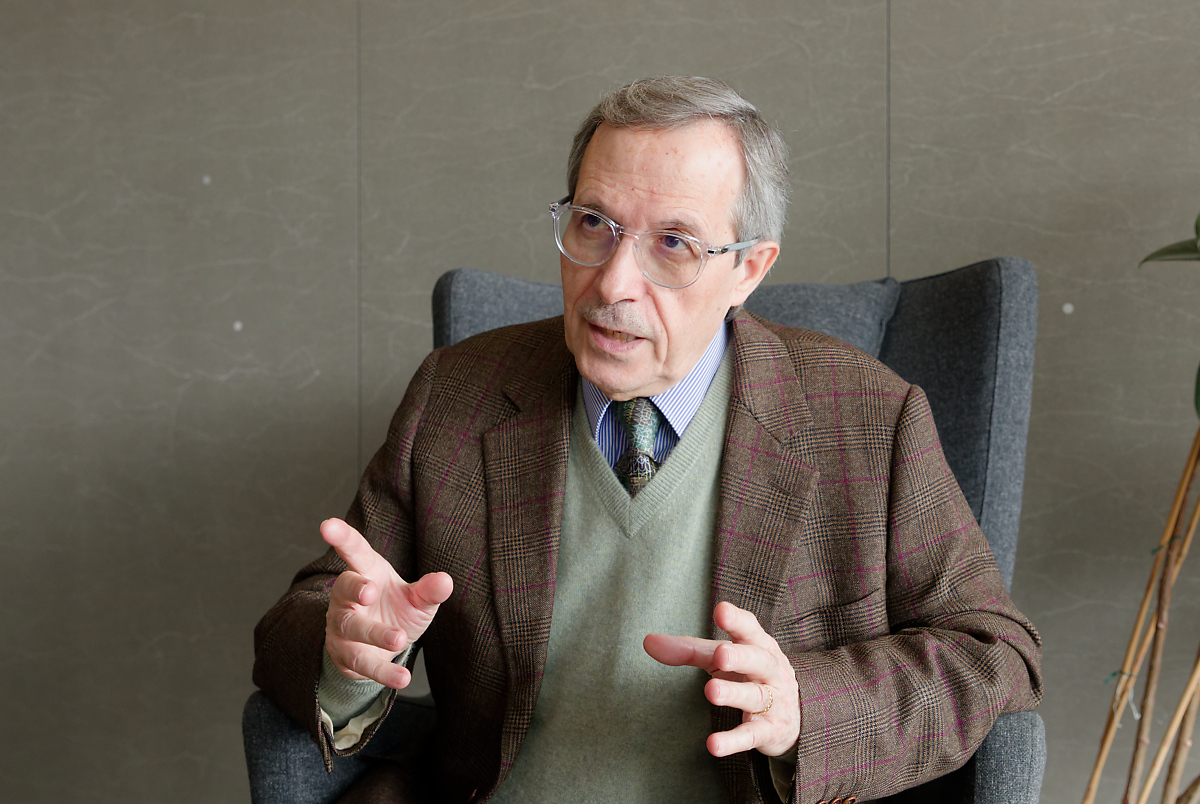 Dalmau shared with the audience his direct experience with his own students, who often have to juggle their studies with laboratory work. He described how some students “come to the lab whenever they can, sometimes at night, or sneak away for a few hours” to complete their final year projects. For the researcher, this effort is not in vain: the rigor required to try to prove a theory or publish a scientific article provides a mental framework and an ability to understand clinical trials that cannot be acquired in any other way. His aim was to demystify the laboratory and present it as a tool at the service of clinical curiosity, encouraging students not to see research as something alien, but as an «open window» necessary to transform medical practice.
At the end of the meeting, Dalmau expressed his hope that this day would not be an isolated event, but rather the “start of a line of student participation.” The researcher challenged the academic authorities present, suggesting that the university should establish grants or funds so that each year a visiting expert can come and engage in direct dialogue with the students. With a mixture of hope and realism, he concluded his remarks by expressing his confidence that these kinds of exchanges would help bridge the gap between clinical practice and basic science, inspiring young people to seek answers to those questions that current medicine cannot yet resolve.
Communications Office

 Spanish
 English
 French