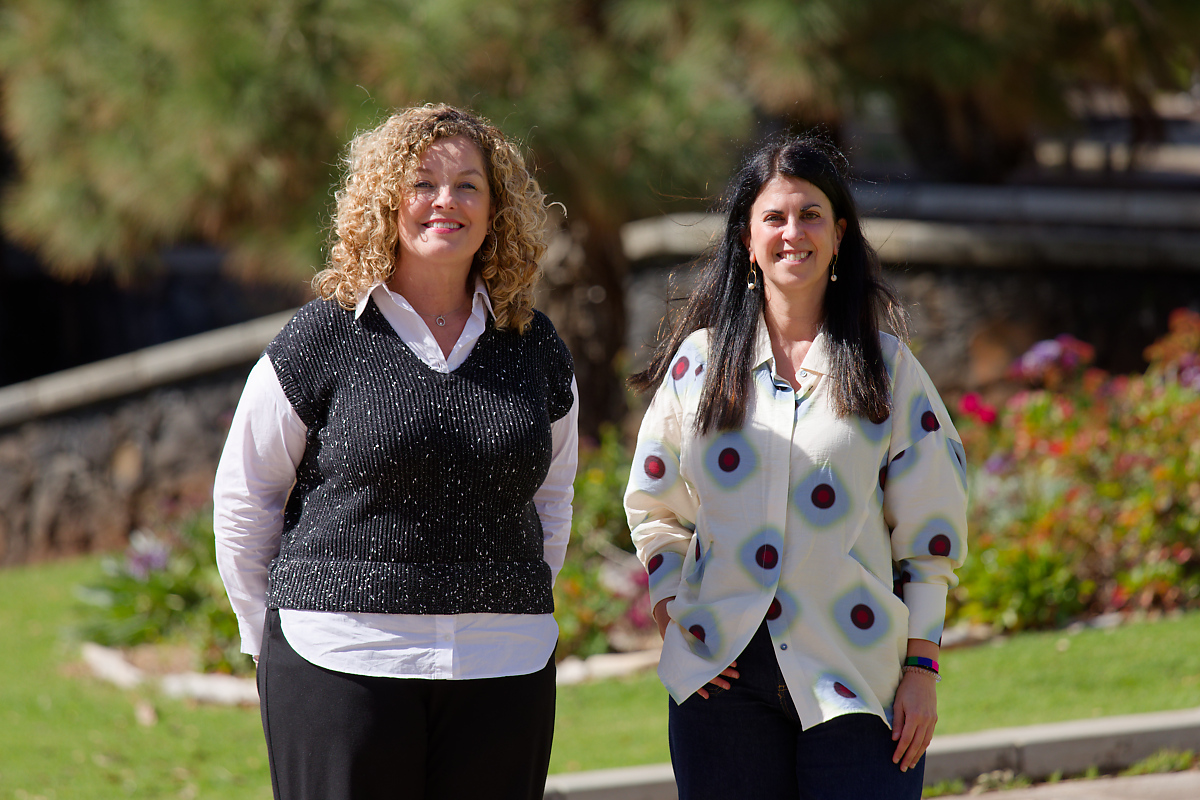
Rare diseases affect millions of people worldwide, although each one has a low prevalence. In the Canary Islands, the data is particularly striking. It is estimated that between 80,000 and 160,000 people may suffer from one of these conditions, a figure equivalent to almost the entire population of the island of La Palma or the entire city of San Cristóbal de La Laguna. Although there are up to 8,000 rare diseases, more than 80% has a genetic origin and, in more than half of the cases, appears in childhood.
For professionals and researchers working with these pathologies, this reality contrasts sharply with the scarcity of resources. “Many more resources are needed,” she points out. Felicitas Díaz Flores, Dr. [Name], a Doctor of Medicine and Surgery from the University of La Laguna (ULL), states that more resources are needed, especially for research and treatment, but also for diagnosis: “Hospitals require sufficient resources to diagnose earlier,” she points out. Occasions such as World Rare Disease Day, commemorated on February 28, aim to raise social awareness about these conditions and promote advances in their diagnosis and treatment.
One of the main problems faced by people with these conditions is precisely the diagnosis. From the outset, patients and families encounter a lack of awareness surrounding these diseases, difficulty accessing specialized information, and a shortage of professionals or referral centers. On average, those affected receive at least one incorrect medical diagnosis, and the time it usually takes to learn the specific disease exceeds four years.
“Since most are recessive, there are cases where both parents suspect nothing and suddenly have a child with this type of pathology because the father and mother were carriers without knowing it,” he explains. Eduardo Salido, Professor of Pathological Anatomy in the Department of Basic Medical Sciences at the ULL. This diagnostic delay has serious consequences, causing the disease to worsen in 30% of cases.
According to Elena Ramos, As co-principal investigator at the Research Unit of the University Hospital Nuestra Señora de Candelaria (HUNSC), she explains that by the time a diagnosis is finally made, it is often too late: “People are usually in a very deteriorated state, and there are no solutions to offer them.” Furthermore, the symptoms are often mistaken for common illnesses, as is the case with primary tubulopathies.
The emotional impact on families
Beyond the clinical impact, rare diseases have profound emotional and social consequences. Felicitas Díaz emphasizes that families experience the moment of diagnosis with “great anguish,” especially when only the father or mother has transmitted the genetic alteration. “There is a strong feeling of guilt and uncertainty about what might happen,” the doctor explains. However, she insists that “a genetic disease cannot be chosen or modified; only when it is known can measures be taken.”.
Faced with initial loneliness, families tend to organize themselves. “When you receive a diagnosis, there’s a lot of loneliness, and it’s not easy to find answers,” explains Elena Ramos. Patient associations become a fundamental support: “Families need to help each other, but they also need scientific and clinical support,” she adds.
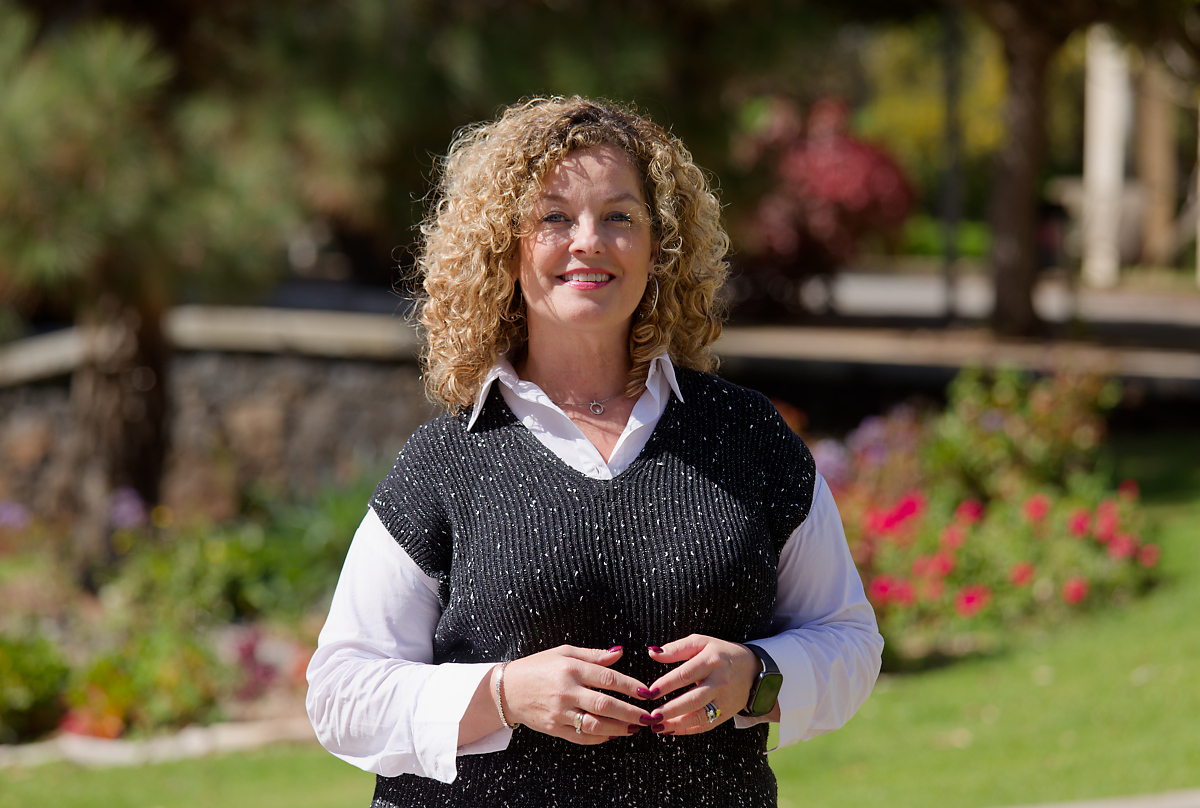
Felicitas Díaz Flores
The key role of genetics
Since 2016, the University Hospital of the Canary Islands (HUC) has offered genetic counseling to help those affected. “Since then, we have studied 3,100 families,” explains Felicitas Díaz. Over these ten years, the Genetics Unit has primarily received patients referred from pediatrics (822), followed by cardiology (750), neurology (580), nephrology (194), and ophthalmology (180).
The diagnostic process follows a series of very specific phases. First, the so-called index case is selected; that is, the person who actually has the disease. From there, an initial consultation is carried out to create a detailed family tree. “There are five types of inheritance, and often, just by looking at the family tree, we can already infer the type of inheritance,” the doctor points out.
During this first visit, the patient is informed about the likelihood of having the disease, whether treatment is available, and a blood sample is taken. At a second appointment, the results and a complete genetic report are provided, explaining the detected mutation, the inheritance pattern, and how it could affect offspring.
A historical example in the Canary Islands
The Canary Islands represent a paradigmatic case in the study of these types of pathologies, particularly those with a genetic component linked to history and population isolation. A prime example is primary hyperoxaluria, a rare liver disease characterized by the excessive production of oxalate, a substance that can severely damage the kidneys and other organs. This condition is significantly more prevalent in the islands compared to other regions, a phenomenon known as the founder effect.
This occurs when a very small population is geographically and genetically isolated, so that certain genes, including disease-causing mutations, become more common because those who carry the mutation reproduce within the same group. Eduardo Salido explains that this is what happened between the 18th and 19th centuries, “when communities were small and there was a high degree of consanguinity due to marriages between closely related families.”.
Furthermore, genetic studies have revealed that the mutation responsible for primary hyperoxaluria in the Canary Islands is very old and shows parallels with variants found in North African populations. "This suggests that it was already present in people who lived in the archipelago before the arrival of the mainland population to the islands," the professor states.
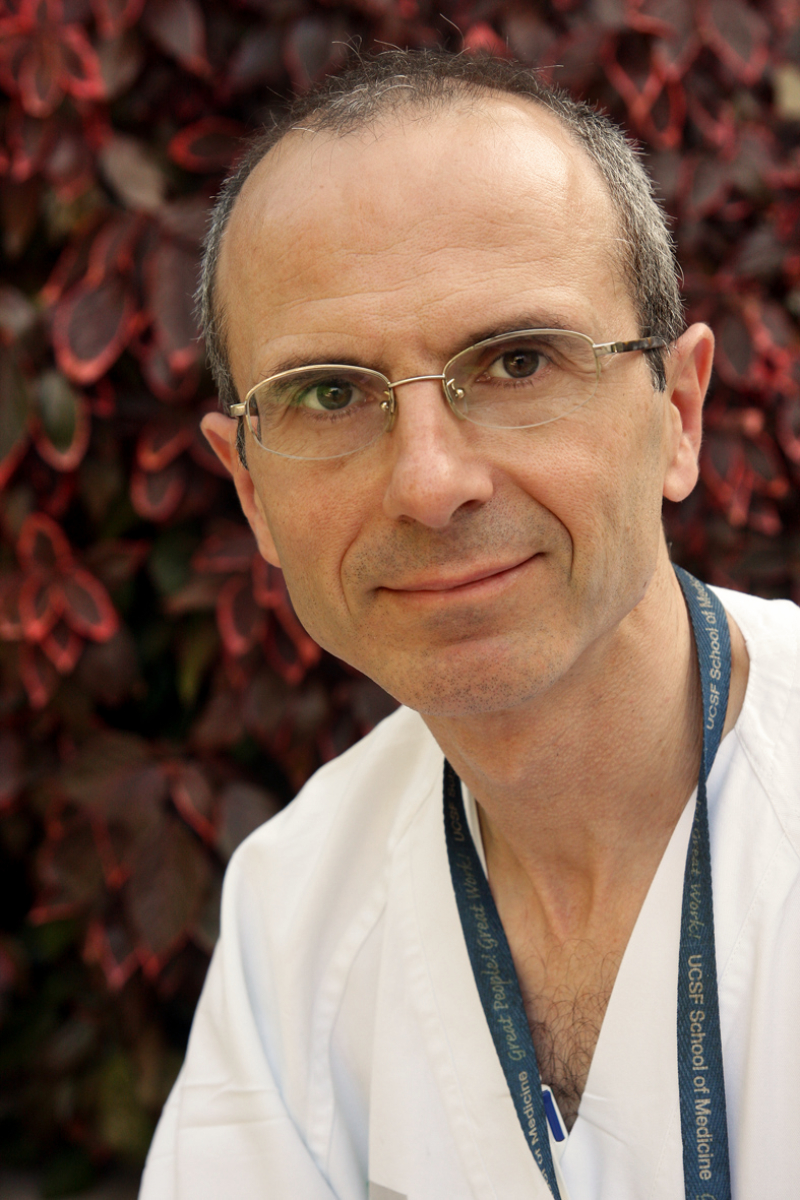
Eduardo Salido
Research without profitability
Research into rare diseases is fundamental, but also especially complex. Elena Ramos points out that “due to their rarity and lower frequency, there are very few cases worldwide, and they don't attract the interest of large pharmaceutical companies.” She adds that studying these diseases “is not only important for finding therapeutic strategies, but also for understanding the underlying mechanisms.”.
From a scientific perspective, the work is often done without recognition or media impact. “The impact of the publications is not comparable to that of other diseases,” says Ramos, who emphasizes the need for collaboration given the lack of information: “Even the smallest study is extremely important,” the researcher maintains.
Furthermore, Eduardo Salido agrees that collaboration is key: “There are many diseases and it’s impossible to be specialized in all of them, so it’s necessary to have groups that delve deeper into each one and that we work in a coordinated and networked way,” he states.
Regarding the economic aspect, the lack of profitability is another major obstacle to research. “Many times it’s not profitable to conduct studies, which is why we talk about drugs that lack sponsors,” explains the professor. The pharmaceutical industry usually only gets involved when there is already a solid proof of concept: “When it’s been shown that the treatment works in mice, then they appear.”.
Newborn screening: detecting before symptoms appear
One of the most effective tools for early detection is newborn screening, known as the heel prick test. The Canary Islands currently ranks among the three most advanced autonomous communities in this regard. “We started screening for seven diseases in 2023, and now we're at 45,” Felicitas Díaz points out.
However, only treatable diseases are included. “We will never screen for a genetic disease for which there is no treatment,” the specialist emphasizes. Most of the tests are biochemical, as they must be quick and inexpensive to be applied to the more than 12,000 babies born each year in the archipelago. However, there are conditions for which screening is exclusively genetic, such as cystic fibrosis, spinal muscular atrophy, and immunodeficiencies.
Furthermore, more than 50% of rare diseases occur in children. “Detecting them before symptoms appear is key, because once established, they cause irreversible damage,” says Díaz.
Looking ahead, even broader genetic screening is already being considered. “It would be very encouraging to be able to analyze all genetic diseases from the outset,” notes the doctor, who also addresses the issue of genetic compatibility testing for couples before they have children.
Reproduction in individuals with rare diseases presents complex ethical and medical challenges, especially when it comes to preventing the transmission of serious mutations to offspring. According to Felicitas Díaz, “In all cases involving individuals with serious conditions who wish to have children free of that condition, they are referred to a committee, and the PGD (preimplantation genetic diagnosis) method is used. Several eggs and sperm are combined outside the mother's egg to create a series of embryos, and a cell is extracted from each one to study and determine whether or not they carry the mutation that causes the rare disease,“ explains the doctor.
Only those embryos that do not carry the mutation are subsequently implanted in the mother's uterus, ensuring that the newborn has a lower risk of developing the condition. This method not only offers families the possibility of having healthy children, but also allows them to "break the line of inheritance" of serious mutations that could otherwise be passed on to their offspring.
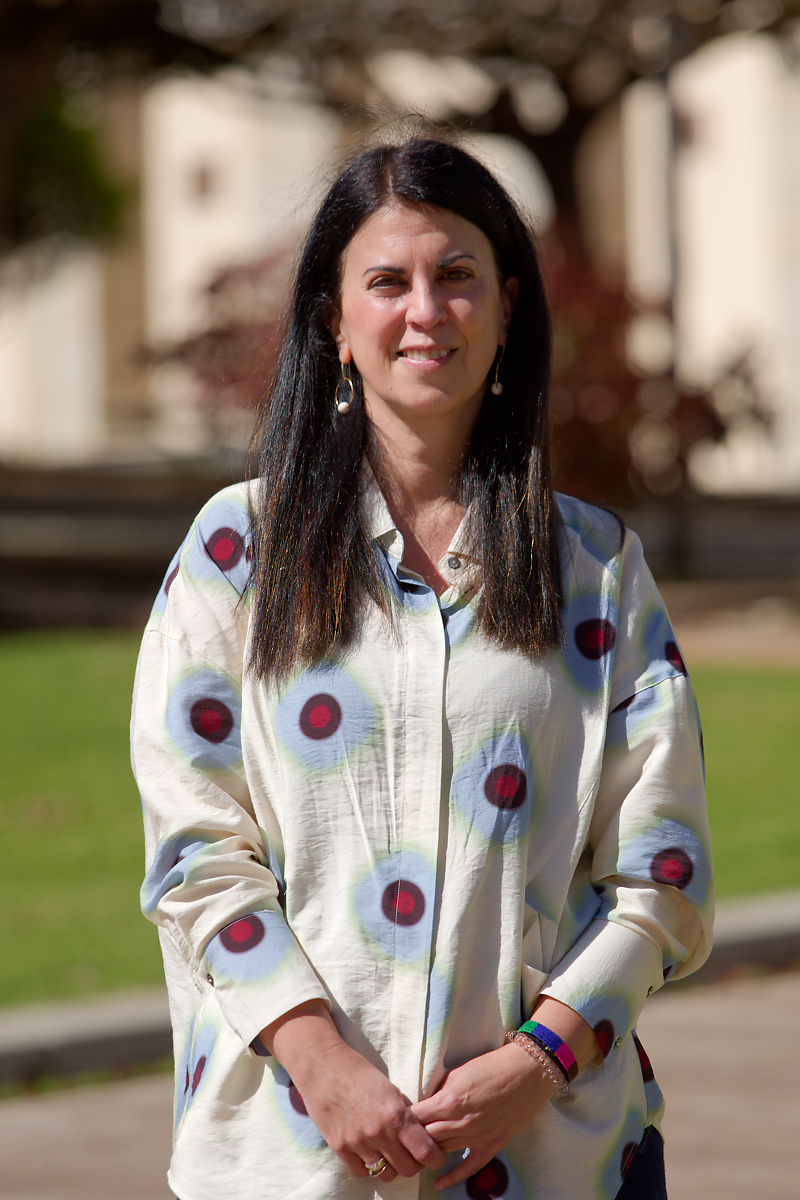
Elena Ramos
Advances and challenges in treatments
Most rare diseases still lack effective treatments, posing a significant challenge for both patients and healthcare professionals. “There is usually no specific treatment available,” acknowledges Elena Ramos. Even so, she emphasizes that scientific advances in recent decades have opened up new therapeutic possibilities.
Among the cases offering the greatest hope is primary hyperoxaluria. “Until a few years ago, patients needed a liver and kidney transplant, a procedure with a mortality rate close to 101%,” explains Eduardo Salido. Thanks to recent advances in genetic medicine and targeted therapies, some patients can now manage the disease with less invasive strategies. These include lifestyle changes, such as maintaining a daily intake of two to three liters of water, and specific treatments that reduce oxalate production and, therefore, decrease kidney and systemic damage.
“I consider myself a lucky person because I’ve been able to see the light at the end of the tunnel,” Salido confesses, referring to the progress that has significantly improved the quality of life for patients with primary hyperoxaluria. However, the researcher emphasizes that this situation is still the exception, not the rule. “I don’t think more than 101% of rare diseases have an effective treatment,” he warns.
This situation highlights the need to continue promoting scientific research, not only to find new therapies, but also to better understand the genetic diversity and mechanisms underlying these pathologies, with the hope that more and more patients can benefit from personalized and effective treatments.
This report is an initiative framed within the InvestigaULL Commemorations Calendar, a scientific dissemination project promoted by the University of La Laguna.
Scientific Culture and Innovation Unit (Cienci@ULL)

 Spanish
 English
 French