Nearly 190 million women and girls of reproductive age worldwide live with pain considered “normal,” according to the World Health Organization (WHO). This pain can range from uncomfortable periods to limitations in daily life, work, studies, or social life. It is estimated that one in ten women of reproductive age suffers from endometriosis, a chronic disease that has remained largely undiagnosed for years and whose diagnosis, in many cases, is delayed by seven to eight years, or even longer.
Every March 14th, World Endometriosis Day is celebrated, a date that seeks to raise awareness of this little-known disease and to educate people about its symptoms, its impact on quality of life and the importance of early diagnosis.
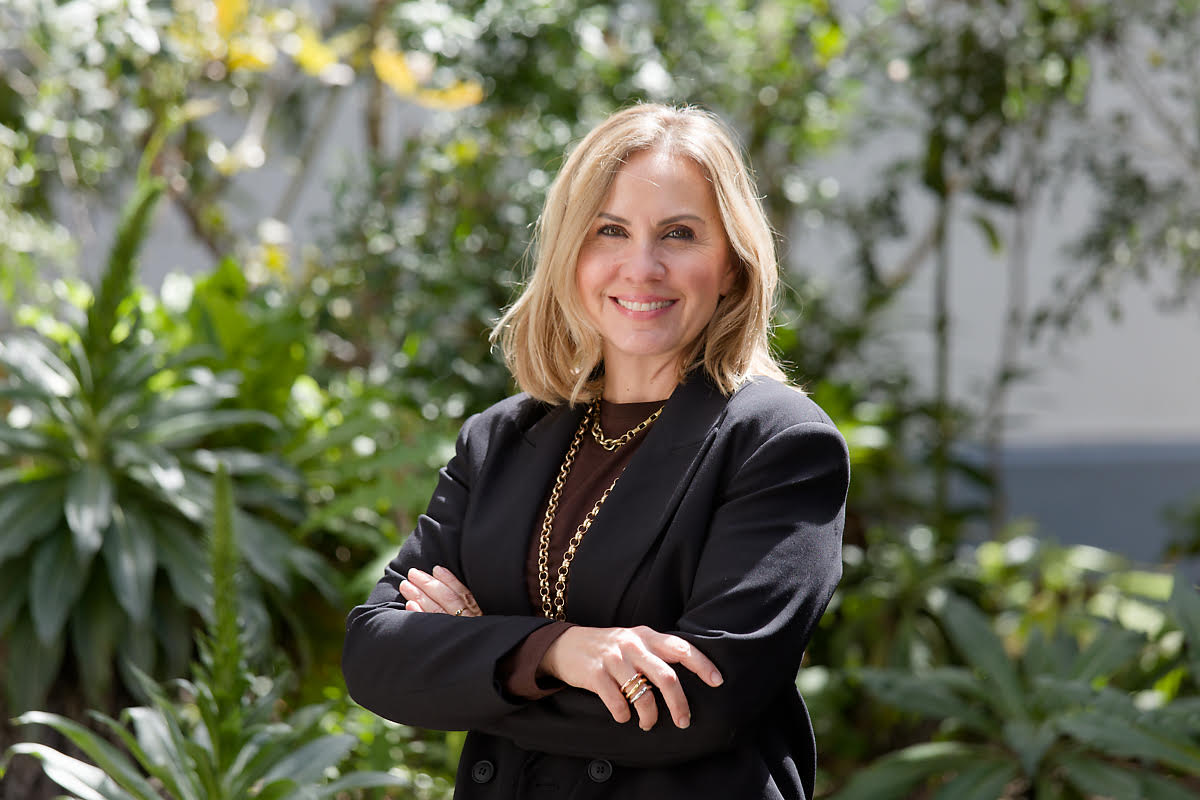
For Aythamy González Darias, a contracted professor with a doctorate in the Nursing area of the University of La Laguna, this day is fundamental to give visibility to a pathology that for decades has remained in the background despite affecting the well-being of millions of women.
For their part, Rubí Rodríguez Díaz, Professor [Name], a senior lecturer in the Department of Obstetrics and Gynecology at the University of La Laguna, points out that the anniversary can also contribute to promoting research and encouraging the creation of hospital units specializing in endometriosis, thus improving patient care.
A still largely unknown pathology
“Endometriosis is a benign disease in which tissue similar to that which lines the inside of the uterus appears outside the uterine cavity,” explains Rodríguez Díaz. She adds, “This tissue, known as the endometrium, undergoes changes during the menstrual cycle in response to female hormones—estrogen and progesterone—and sheds during menstruation.”.
When this tissue is located outside the uterus, it continues to respond to the hormonal changes of the menstrual cycle and even to hormonal treatments. For this reason, endometriosis is considered an estrogen-dependent disease. “It can occur from the onset of menstruation until menopause,” the specialist points out. Its causes are complex and not yet fully understood. Experts believe that genetic, immunological, hormonal, and environmental factors all play a role in its development.
Among the most widely accepted theories is retrograde menstruation. Rodríguez Díaz explains: “It is possible that the endometrial cells that are shed during menstruation travel up the fallopian tubes into the peritoneal cavity, instead of being expelled through the vagina.”.
It has also been observed that some women have a genetic predisposition that makes them more vulnerable. In addition, the immune system may play a role. When it does not adequately eliminate endometrial cells from the uterus, these cells can implant and proliferate. This factor could explain why many patients also present with other autoimmune diseases, such as lupus, multiple sclerosis, or inflammatory bowel disease.
Environmental factors also play a role. “Various pollutants that act as endocrine disruptors, such as polychlorinated biphenyls (PCBs), organochlorine pesticides, and dioxins, have been found to accumulate in our bodies and can cause endometriosis in women,” says the gynecologist. According to recent studies, the risk of developing the disease increases by up to 70% with PCBs, 65% with dioxins, and 23% with pesticides.
The symptoms of endometriosis can vary widely. Some women experience no clear discomfort, while others experience symptoms that significantly impact their quality of life.
Among the most frequent symptoms are cyclical pelvic pain coinciding with menstruation—dysmenorrhea—which in some cases can be intense or debilitating. Pain during sexual intercourse—dyspareunia—or persistent pelvic pain may also occur.
Depending on the location of the lesions, some patients may experience discomfort when urinating or having bowel movements during menstruation, as well as pain that radiates to the lower back, flanks, or thighs. In other cases, more general symptoms may occur, such as abdominal bloating, nausea, fatigue, or increased sensitivity to pain.
“Although many women experience pain during menstruation, in most cases it is benign,” says Rodríguez Díaz. “However, when the pain is very intense, appears at a young age, increases over time, or interferes with daily life, it may be a sign of endometriosis,” she explains.
Beyond the physical discomfort, the condition can have a significant impact on mental health and daily life. According to Aythamy González Darias, this pathology often goes unnoticed, even by some healthcare professionals, leaving many women to live with the pain for years without receiving adequate guidance. Therefore, the researcher emphasizes the importance of strengthening the training of future healthcare professionals from a gender perspective and promoting menstrual health education. A better understanding of one's own body and recognizing distinguishing signs, such as debilitating menstrual pain, can facilitate early consultation.
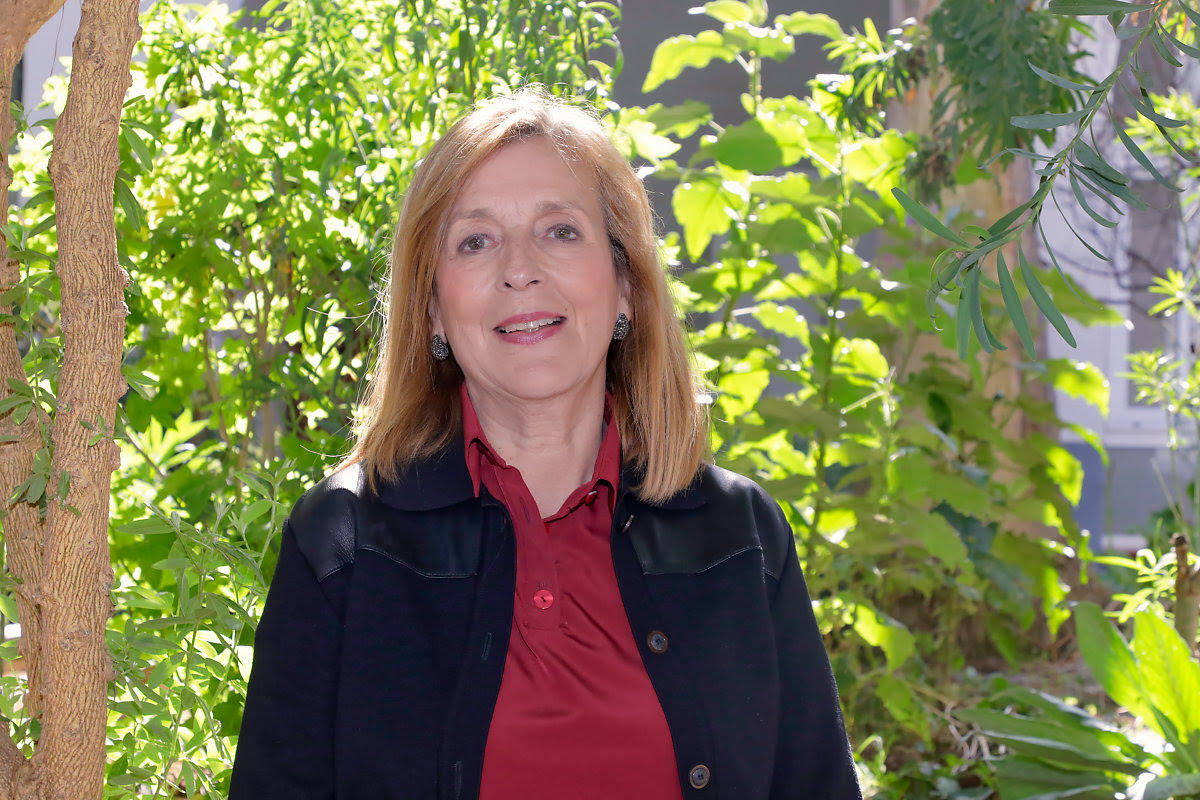
Rubí Rodríguez (file photo from 2025).
A complex diagnosis
From a clinical perspective, diagnosing endometriosis remains a challenge. Rubí Rodríguez Díaz explains that this disease can go undetected for years, with diagnostic delays that in many cases exceed seven or eight years.
Part of this delay is due to the normalization of menstrual pain. Sometimes, the symptoms are attributed to psychological causes, or the discomfort described by patients is downplayed. "They have even been labeled as exaggerating or depressed without considering a possible medical cause," the specialist points out.
“The diagnosis is usually based on a combination of medical history, physical examination, and imaging tests,” the gynecologist notes. A detailed history of menstrual symptoms and chronic pelvic pain can raise suspicion of endometriosis.
Transvaginal ultrasound has become the first-line diagnostic tool when the disease is suspected. In cases where the findings are inconclusive, magnetic resonance imaging (MRI) may be used, especially to evaluate involvement in specific areas.
“Laparoscopy, which for years was considered the 'gold standard' for visually identifying endometriosis lesions, is no longer essential for diagnosis,‘ explains the gynecologist. However, it remains useful for staging the disease, taking biopsies, and performing surgical treatments when necessary.
Endometriosis treatment is tailored to each patient's symptoms, age, and reproductive desires. Options may be medical, using pain relievers to manage pain, or hormonal, aimed at reducing hormonal activity and temporarily slowing the progression of the disease.
When symptoms are more severe or other organs are affected, surgery may be necessary to remove endometriotic cysts—endometriomas—as well as lesions or adhesions between organs. These procedures are usually performed using minimally invasive techniques. Alternative treatments also exist, such as ethanol sclerotherapy, which allows for the localized treatment of endometriomas.
Endometriosis can also affect fertility. In many cases, the diagnosis comes when a woman seeks medical advice after several unsuccessful attempts to conceive. According to Rodríguez Díaz, up to 50% of patients with endometriosis may experience fertility problems.
In this process, midwives play an important role in early detection and referral. As Aythamy González Darias explains, these professionals are usually on the front line of contact with patients.
“Many women come to our clinic when they haven't conceived. At that point, midwives play a key role in referring them to more specialized units, such as fertility clinics,” she explains. Difficulties conceiving can also have a significant emotional impact, causing anxiety, stress, or depression in some patients.
A specific protocol in the Canary Islands
Aythamy González Darias points out that endometriosis has a significant impact not only on physical health but also on mental health and psychosocial well-being. The researcher confirmed this by analyzing the testimonies of women who participated in interviews for her undergraduate thesis. Their experiences highlighted the difficulties encountered in accessing healthcare and the need for improved coordination within the healthcare system.
These findings were subsequently incorporated into Protocol for the management of endometriosis in the Canary Islands, published in 2022 and the result of a collaboration between the University of La Laguna and the Canary Islands Health Service. The participation of the Canary Islands Endometriosis Association was fundamental in incorporating the patients' perspective and better reflecting their real needs.
The aim of this protocol was to integrate the perspectives of healthcare professionals and patients in order to improve care and adapt it to the reality of those living with the disease. One of the proposed improvements is the incorporation of the Patient School, This is a demand that the women themselves have championed. This space allows them to share experiences, discuss symptoms, receive training and information, and exchange health advice. All of this takes place under the supervision and guidance of healthcare professionals, who manage the school, but with a leading role for the patients. Another objective is to promote the creation of specialized endometriosis units.
One of the three fundamental pillars of the protocol is to standardize care pathways and reduce diagnostic delays, which in Europe can take between seven and ten years. Furthermore, the document advocates a multidisciplinary approach that brings together the different perspectives of the professionals involved in the disease. “The various specialties are included in the protocol, which makes it more comprehensive,” he points out.
“Many women embark on a journey that becomes a true pilgrimage: they go from one professional to another and through different healthcare services. Often they are even told that they are healthy. If there were a unit that coordinated all these specialties, diagnosis and treatment would come much sooner,” explains González Darias.
Thus, nurses and midwives play a central role in the early detection of endometriosis. Their close contact with young people, both through school nursing and health education programs, allows them to identify distinguishing symptoms and guide patients from an early age. Furthermore, their educational work helps to dispel some myths surrounding menstruation. “Periods can be painful, but they shouldn't interfere with daily life,” the researcher states.
Advances in diagnosis and treatment are progressively changing how endometriosis is approached, allowing for earlier identification and more personalized therapies. Rubí Rodríguez Díaz, a gynecologist at the University of La Laguna, highlights the development of blood and saliva biomarkers that could facilitate faster and less invasive diagnosis.
In the therapeutic field, new hormonal drugs, such as ellagolix and relugolix, are also being investigated. These drugs work by reducing the hormone levels involved in the progression of the disease. Treatments based on monoclonal antibodies and the use of robotic surgery, which allows for more precise and less invasive procedures, are also being studied.
Even so, Aythamy González Darias points out that there is still much to be done: “Perhaps we owe an apology to women with endometriosis, who for years have gone unnoticed and suffered delays in their diagnosis and treatment,” she concludes.
This report is an initiative framed within the InvestigaULL Commemorations Calendar, a scientific dissemination project promoted by the University of La Laguna.
Scientific Culture and Innovation Unit (Cienci@ULL)

 Spanish
 English
 French