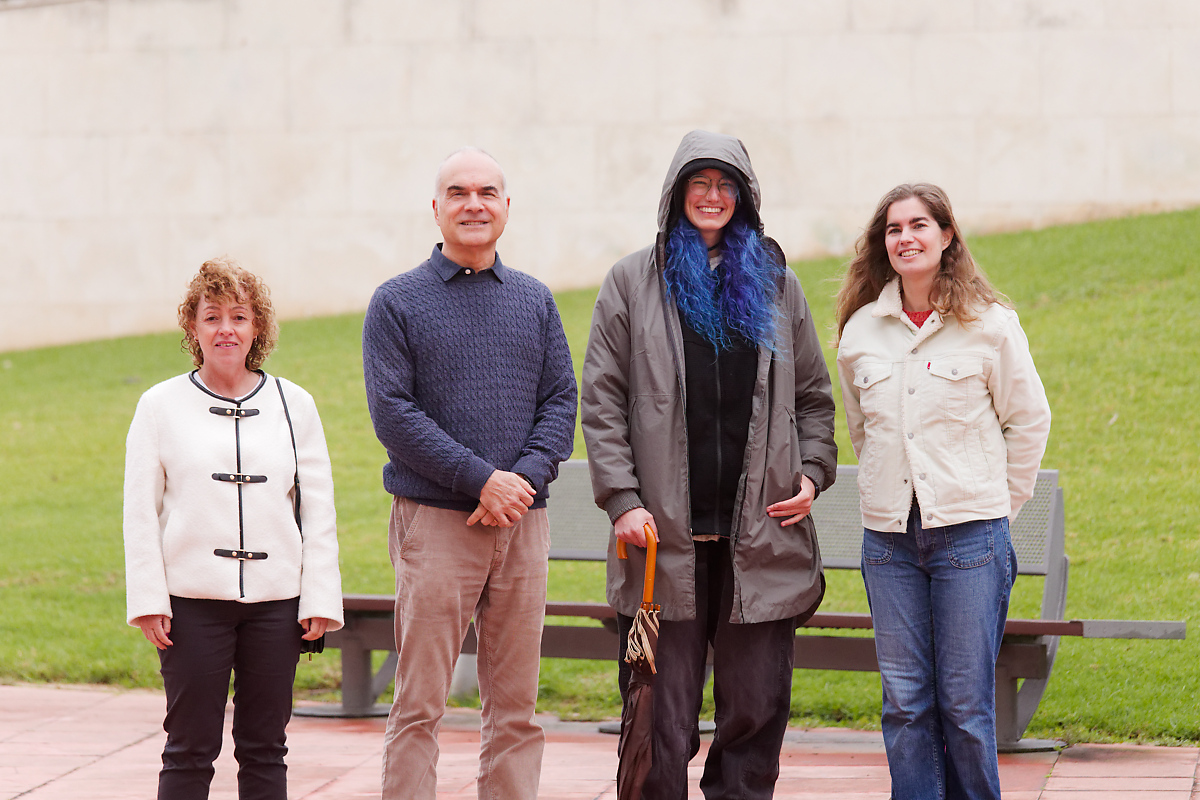
Meteorology is much more a part of everyday life than it seems. It not only determines whether it will rain or be sunny, but also directly influences safety, the economy, health, and the environment. In the context of climate change and in particularly vulnerable territories like the Canary Islands, its role is fundamental in anticipating extreme weather events.
“The weather directly influences many aspects of daily life, affecting public safety, transportation, and the economy, especially sectors such as agriculture, energy generation, and tourism,” he explains. Judith Carrillo, She is an assistant professor of Physics at the University of La Laguna. She also emphasizes that the ability to predict weather phenomena has become an essential tool for risk preparedness and decision-making. “When extreme events have already occurred, such as wildfires, having detailed information about conditions like wind direction and temperature facilitates the work of firefighting and emergency services,” she states.
The predictions that make the difference
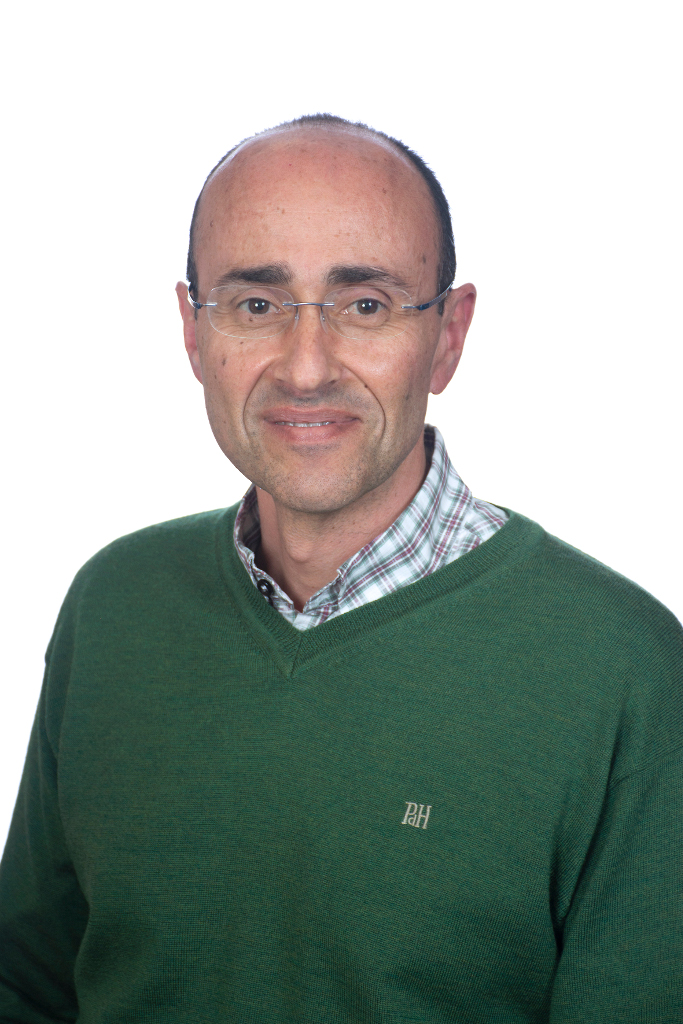
Albano González. Photo provided.
Albano González, A tenured professor in the Physics department, who was unable to participate in the group interview, points out that meteorology has been fundamental even in managing recent events, such as the eruption of the La Palma volcano: “It helped us understand where the ash was going and how the pollutants were distributed depending on atmospheric stability and wind.” He also emphasizes that the accuracy of weather forecasts made it possible to predict the most affected areas in order to make decisions such as lockdowns or determine the operation of the island's airport.
One of the main changes already being observed in meteorology and climatology is the increase in extreme weather events. They are not only more frequent, but also more complex. Carrillo and González emphasize the growing importance of so-called "compound events," in which several adverse episodes coincide (heat waves, droughts, and Saharan dust intrusions), significantly increasing their impact on society and the environment.
Given this scenario, Pedro Dorta, Professor [Name], a tenured professor in the Physical Geography department and head of the GEORIESGOS research group, emphasizes that “the accuracy rate of weather forecasting is very high.” However, he insists that one of the main problems lies not only in science, but also in land-use planning: “Our weakness is in land management, in having built in places where there is danger, especially from flooding.”.
The Canary Islands facing extreme weather events
Climate projections for the Canary Islands point to a scenario marked by rising temperatures, decreased rainfall, and more frequent droughts. “This is going to be one of the most pressing problems in the Canary Islands,” warns Albano González, who links this situation to the combination of less rain and more heat. “Higher temperatures mean greater evaporation, which reduces water availability,” he explains.
Climate change is having a greater impact on the high mountain areas of the Canary Islands. Dorta points out that, although the climate system is changing globally, “temperatures are rising more sharply in the high mountains than below the cloud layer.” This is due to temperature inversion, the level at which the cloud layer is located, which causes climatic conditions on the summits to change more rapidly than in the lower areas.
Furthermore, Judith Carrillo states that “due to this temperature increase and decrease in rainfall, the higher elevations will be the most affected by the drought.” Albano González adds that this is due to a thermodynamic phenomenon: “As the overall temperature rises, the vertical temperature gradient decreases, making the temperature difference with altitude smaller.” This explains why, although historically the eastern islands are the driest, the most intense changes are being recorded precisely at the peaks and summits of the archipelago.
The sea of clouds in the spotlight
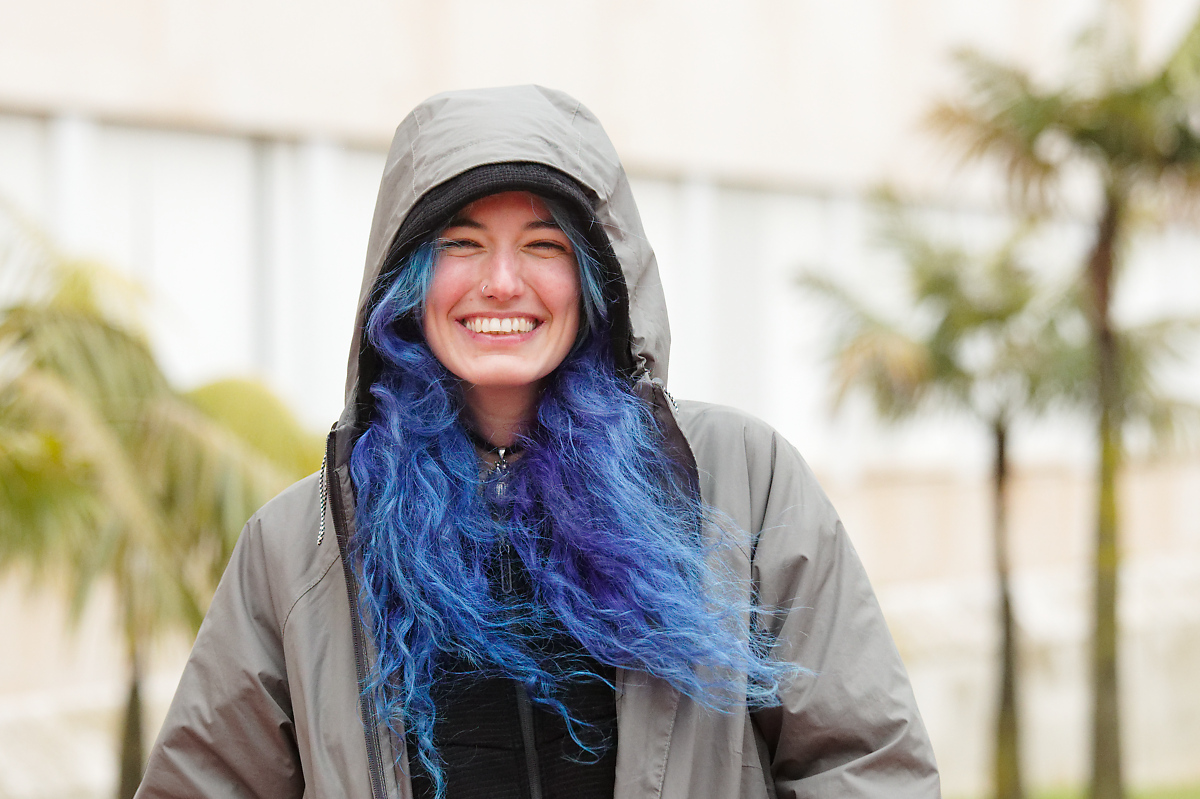
Pilar Martín
On the other hand, global warming could modify regional atmospheric patterns, including the intensity of trade winds, the frequency of Saharan air intrusions, or the height of the sea of clouds, a key phenomenon for high mountain ecosystems in the Canary Islands. Pilar Martín, A researcher in the Physics department explains that “thanks to the contribution of the trade winds, along with the moisture from the sea of clouds, the laurel forest is maintained.” This allows the high-altitude vegetation to survive during the driest months, ensuring the accumulation of water that feeds the aquifers. Martín warns that “if the sea of clouds were to disappear, the laurel forest would die, and we don't know what would happen to the water reserves.” She also indicates that the shift of vegetation towards the higher parts of the islands can create space problems for summit ecosystems: “When the pine forest reaches the highest areas, the summit scrubland is left without space.” This interaction between altitude, vegetation, and humidity demonstrates the delicate ecological balance in the Canary Islands mountains.
Natalia Sierra, A researcher in the Department of Botany, Ecology, and Plant Physiology adds that vegetation also influences air humidity through evapotranspiration. She explains that climate change could affect not only the distribution of ecosystems but also carbon cycles: “If the presence of trees is reduced, they will no longer be able to sequester that carbon, so it ceases to be part of the soil and is returned to the atmosphere.”.
In this context, the Canary Island pine forest stands out as one of the most resilient species in the face of climate change. Sierra points out that "pine trees can be found in very different places, from dry areas to humid mountain peaks," reflecting their great capacity for adaptation. However, he clarifies that their expansion depends on their speed of adaptation, since "even if they have the right climatic conditions, they need a specific type of soil and the microorganisms that live in it.".
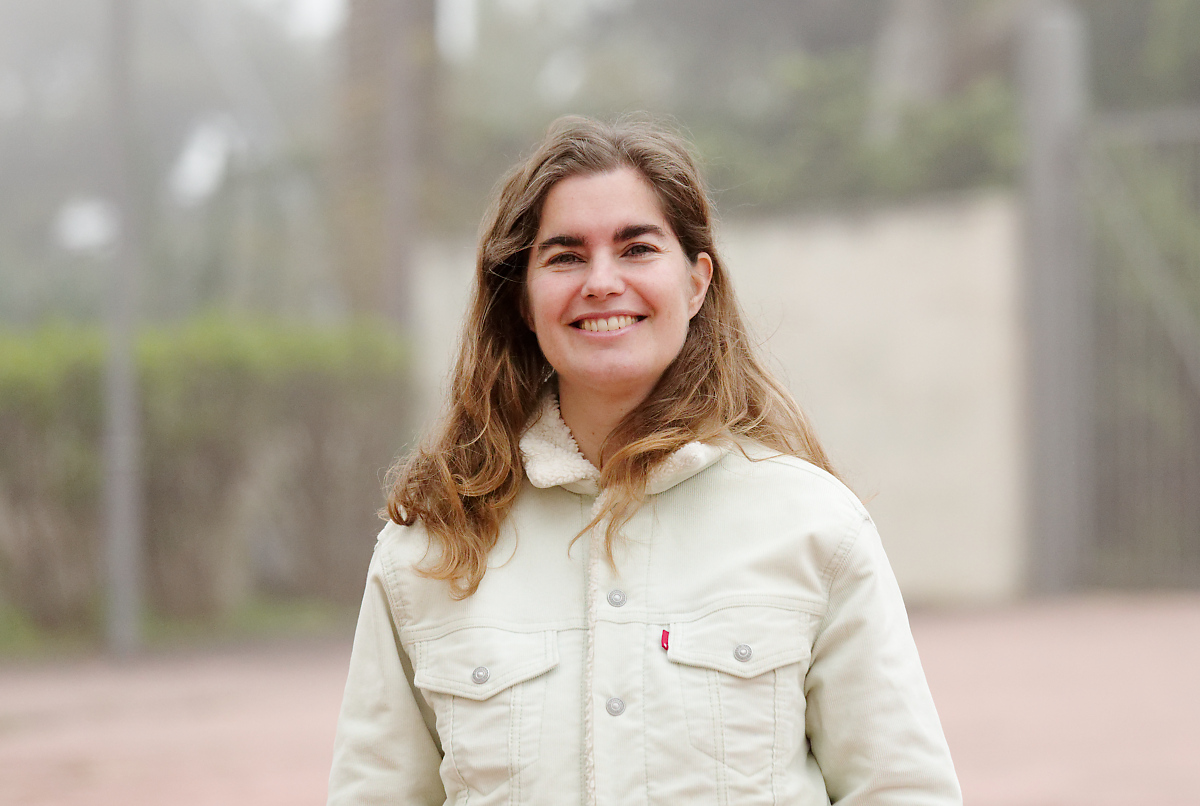
Natalia Sierra
Tropical nights that affect our health
The effects of climate change in the Canary Islands are not limited to ecosystems; they also have direct consequences for public health. In the archipelago, the temperature increase is not as pronounced in daytime highs as it is in nighttime lows. Pedro Dorta points out that "temperatures are rising, but it is the minimum and nighttime lows that are increasing the most," and warns that these are precisely the ones that most affect people's well-being. In fact, he emphasizes that "the Canary Islands record the highest nighttime temperatures in the entire country.".
This increase is reflected in the rise in so-called tropical nights, those in which temperatures do not fall below 20 degrees Celsius. “At sea level, the number of tropical nights has doubled,» Dorta points out. Meanwhile, at higher altitudes, this phenomenon is even more pronounced: “Above the cloud tops, it has increased five or sixfold.” Furthermore, the researcher warns of the emergence of more extreme episodes, such as equatorial nights (above 25 degrees Celsius) or even torrid nights, in which nighttime temperatures do not drop below 30 degrees Celsius.
Beyond the statistics, the impact on health is significant. Dorta emphasizes that nighttime temperatures have a greater influence on people's health than daytime temperatures, as they prevent them from getting adequate rest. "Mortality and morbidity, especially among the elderly, are much more affected by nighttime temperatures," she states. Lack of sleep generates fatigue, increases vulnerability, and can lead to illness and even a higher risk of death.
Extreme heat also impacts work activity and the economy. “In recent years, we've even seen deaths due to heat waves, people who were working,” adds Albano González, which makes it necessary to regulate rest periods and adapt work schedules for outdoor work. According to González, “if the temperature rises significantly, longer breaks are necessary,” emphasizing that these measures not only protect people's health but also directly influence productivity and the archipelago's economy.
Tourism under climate change
In the tourism sector, climate change is altering the comfort conditions that have traditionally made destinations like the Canary Islands an international benchmark. Judith Carrillo explains that climate determines tourists' choice of holiday destination: "People go somewhere because the temperature is good, there isn't too much rain, cloud cover, or wind." Currently, the islands offer "very good and stable conditions throughout the year," especially in coastal areas. However, projections indicate a decline in summer, since "with rising temperatures, comfort levels decrease during the summer months," making these destinations "less appealing during those months," she states.
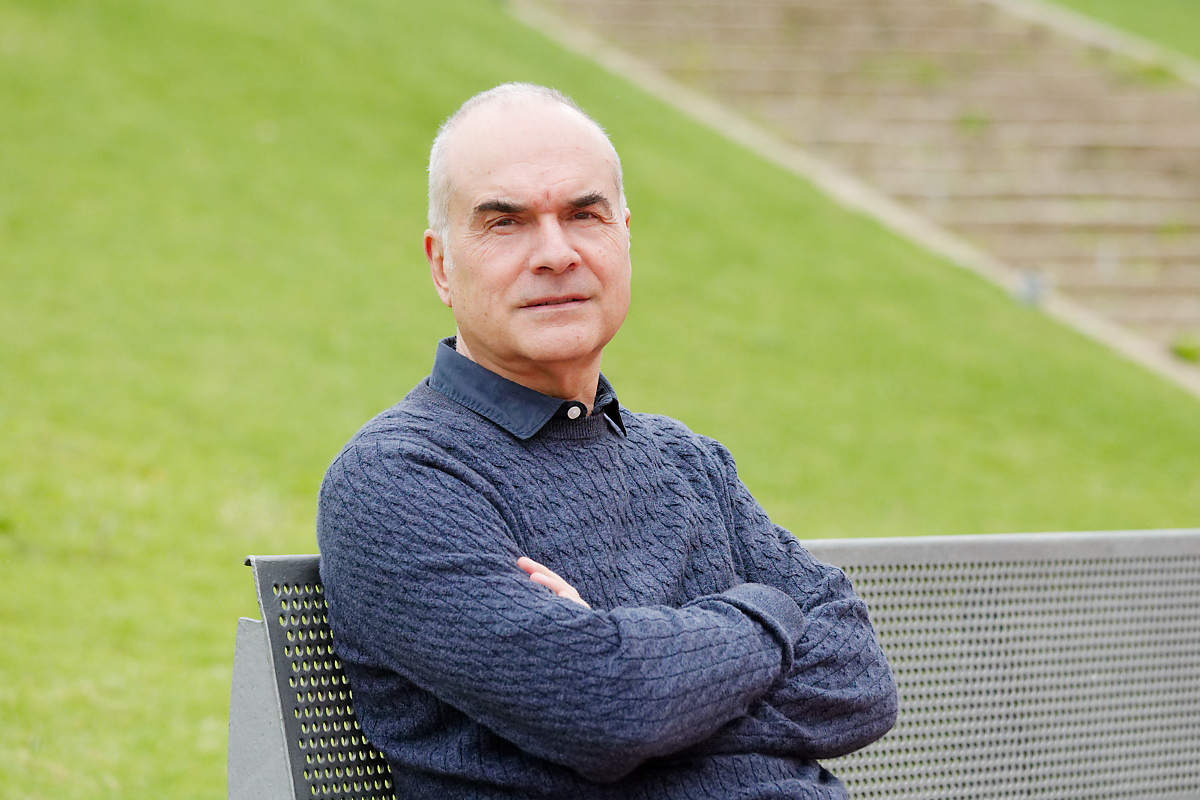
Pedro Dorta
Along the same lines, Albano González and Pedro Dorta agree that climate change not only affects local conditions but also global tourism flows. González points out that in winter, "we're going to have very good conditions in the Canary Islands" for tourists from colder climates. However, he warns that if summer becomes less comfortable, "tourism could decline precisely during that period." For his part, Dorta emphasizes the larger-scale impact, noting that "a warmer planet can change or modify tourism flows," to the point that "the Mediterranean, in the medium term, could become an excessively hostile place for tourism during the summer." In fact, he indicates that changes in trends are already being observed, with an increased interest in warmer destinations, confirming that climate change is redefining both destinations and travelers' decisions.
Agriculture and ecosystems in transformation
In this scenario, agriculture also faces significant challenges stemming from climate change and ecosystem transformation. Natalia Sierra emphasizes the need to anticipate these changes through scientific knowledge: “It’s important to conduct studies now and understand how species behave.” Ecosystem monitoring allows us to project how crops might change in the future, although she cautions that “it’s not just the climate,” since factors such as soil, interspecies relationships, and seed dispersal also influence vegetation adaptation.
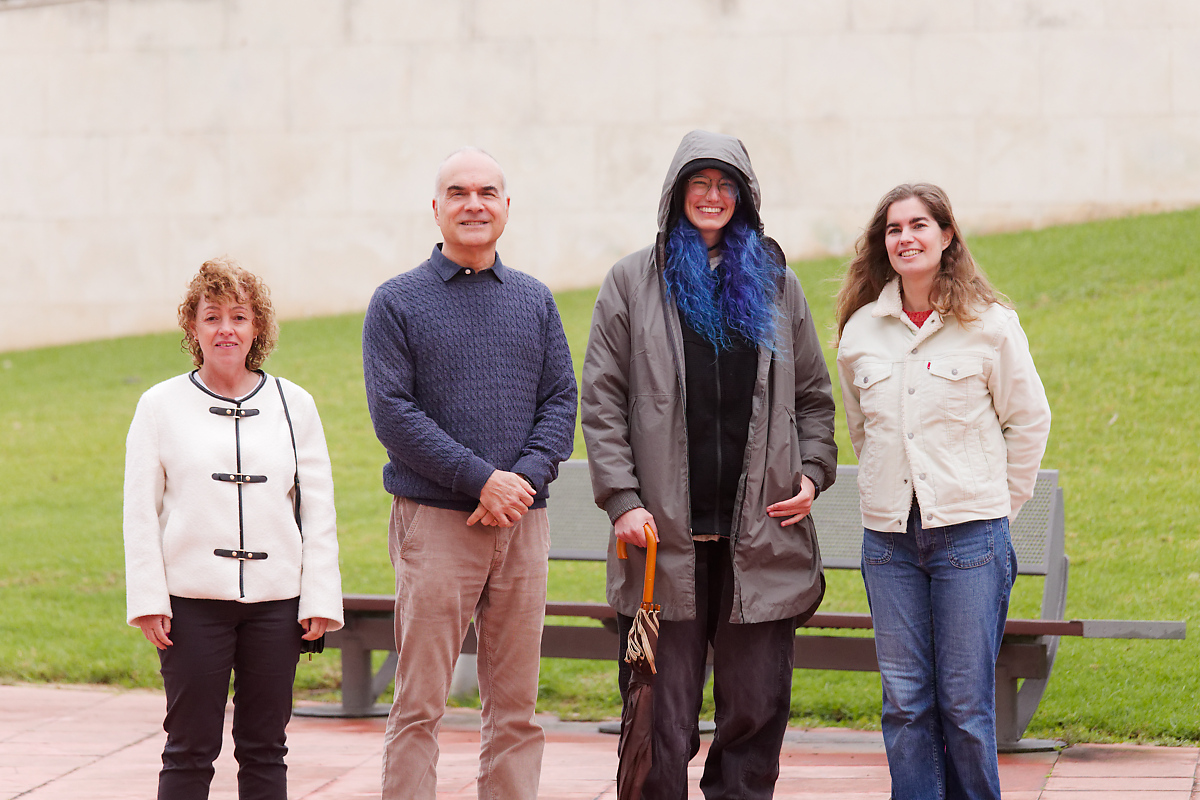
Furthermore, Sierra focuses on the role of soil, which is directly linked to agriculture. “If the species composition changes, the soil properties will also change,” she explains, affecting its fertility and nutrient availability. In this regard, she highlights the potential of long-unused land in the Canary Islands: “There is significant restoration potential,” as some areas could be recovered for agricultural use, thus helping to reduce dependence on external sources, while others could be dedicated to ecological regeneration. To achieve this, she considers sound land-use planning essential, determining “what portion we will allocate to agriculture and what portion to restoration,” combining passive and active strategies to guarantee both production and the health of ecosystems.
The increase in drought and high temperatures is also linked to the risk of wildfires in the Canary Islands, especially in pine forests. Pilar Ramos points out that, with regard to pine forests, “there is much debate about whether fires play a natural role or not, since it is a species that is quite adapted to fire, producing resin and pine needles that ignite easily.” However, not all species react the same way: “Some seem to need fire, while others don't like it.” She also reminds us that the fire regime depends not only on frequency, but also on intensity, extent, and seasonality.
Ramos also emphasizes that human land management decisively influences the intensity and frequency of wildfires. “If you systematically focus on extinguishing them, a lot of biomass accumulates, and then a small fire can spread much further,” he explains. Therefore, he advocates for prevention strategies based on a comprehensive approach to the territory: “The idea is to have a heterogeneous landscape, with forests, cultivated areas, and grazing lands; this way, fire doesn't spread easily and can be managed more effectively.” This approach seeks a balance between protecting ecosystems and human activity, avoiding one-size-fits-all solutions that fail to consider the complexity of the Canary Islands' landscape.
Looking to the future
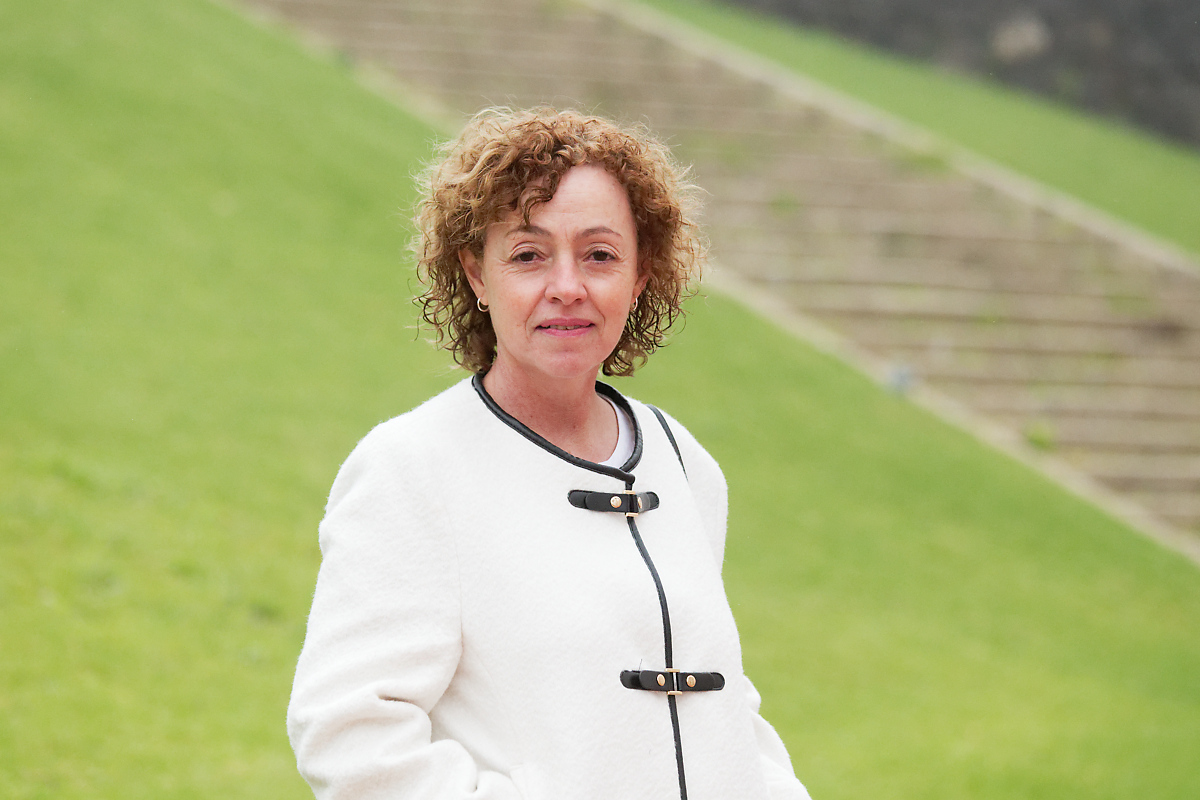
Judit Carrillo
Climate change is a reality that cannot be reversed immediately, but it can be mitigated and adapted to through strategic decisions. Judith Carrillo reminds us that “we can no longer avoid climate change, but we are not in a critical situation either; everything will depend on the decisions made in the future regarding greenhouse gas emissions.” Albano González points out that the trajectory of global warming will depend on these decisions: “If we continue with the same emissions, the temperature will increase much more; whereas, if we reduce greenhouse gases and invest in renewable energies, the increase will be less.” For his part, Pedro Dorta explains that, although the gases already emitted will continue to warm the planet for decades, there is still room for action: “We have already lost many battles, but the war is still on; we cannot lose hope or the will to change.”.
Pilar Ramos emphasizes that adapting to climate change is the most urgent strategy to implement in the Canary Islands: “There’s nothing we can do to stop it now, but we can prepare,” with measures ranging from housing infrastructure to coastal protection against rising sea levels. Natalia Sierra adds that climate change affects all ecological processes: “If the climate changes, the conditions and speed of all metabolic reactions will change, and plants will have to adapt or migrate to more favorable conditions.” The combination of mitigation and adaptation, across all sectors, from water and ecosystems to tourism and agriculture, will be key to facing the challenges of the future.
Meteorology not only shapes people's daily lives, but has also become an essential tool for anticipating risks, protecting health, managing resources, and planning economic and tourism activity, especially in a territory as vulnerable as the Canary Islands. The effects of climate change are already visible in extreme weather events, alterations in vegetation, higher nighttime temperatures, and an increased risk of wildfires, highlighting the urgent need to combine mitigation and adaptation. With strategic decisions based on science and appropriate land-use planning, it is possible to reduce the impacts and ensure a safer and more sustainable future for the population, ecosystems, and economy of the archipelago.
This report is an initiative framed within the InvestigaULL Commemorations Calendar, a scientific dissemination project promoted by the University of La Laguna.
Scientific Culture and Innovation Unit (Cienci@ULL)

 Spanish
 English
 French