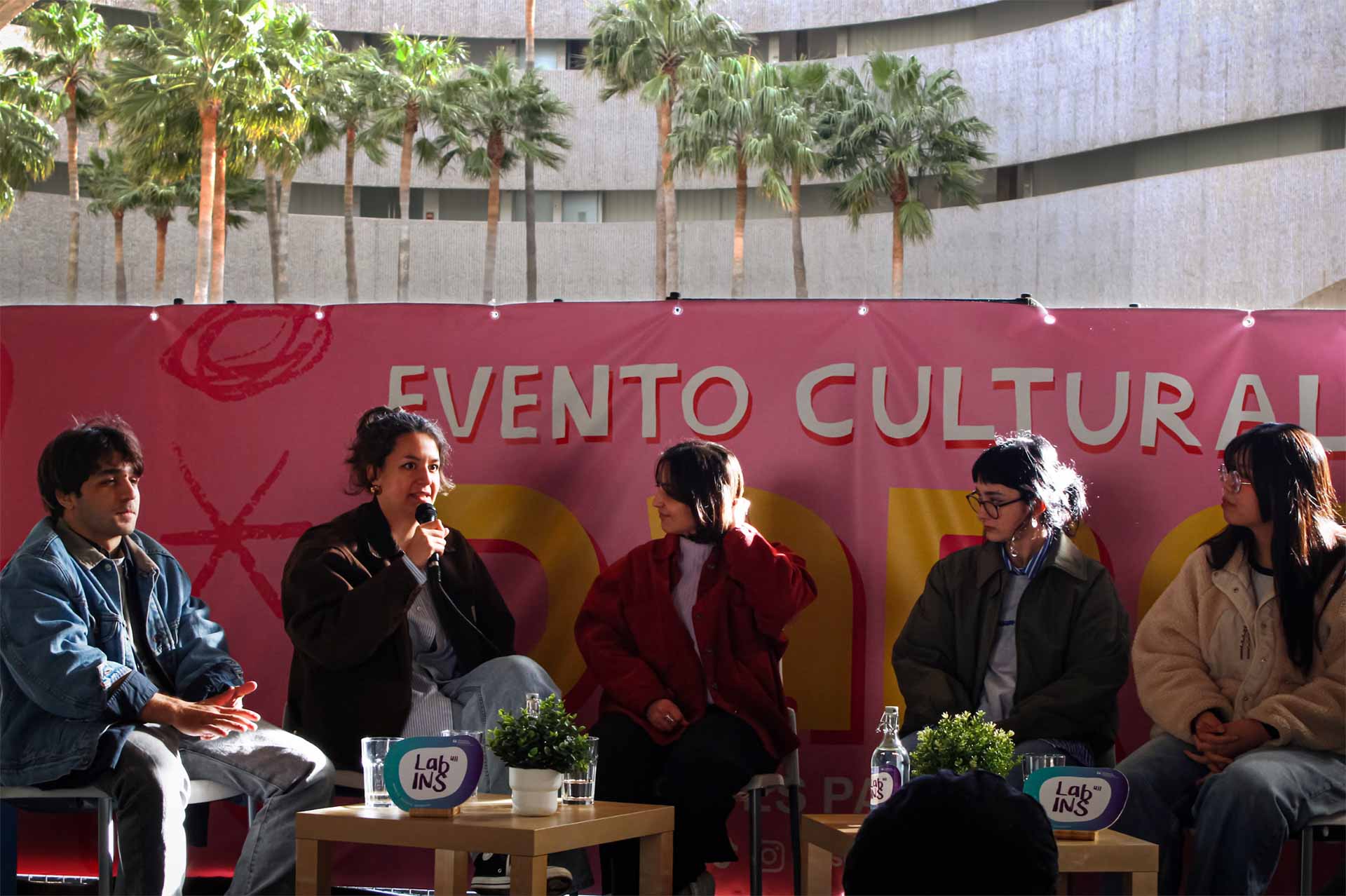
He Social Innovation Laboratory of the University of La Laguna (LabINS ULL) In collaboration with DARC Week, the second Design Talks Cycle was held at the Faculty of Fine Arts, an initiative that brought together students, professionals and people interested in the creative field around three meetings focused on social design, animation and the fanzine.
This second edition consolidates this collaboration through an event driven by the students of the Faculty of Fine Arts, which is configured as a meeting space around emerging creativity, where exhibitions, markets and various activities linked to artistic and design practices coexist within the university context.
The series took place between April 7 and 10, 2026, at the Faculty of Fine Arts. The program included the 2nd Social Design Colloquium, the 1st Animation Colloquium, and the 1st Fanzine Colloquium, bringing together more than 60 people. It created a space for reflection and debate on the role of design in contemporary society.
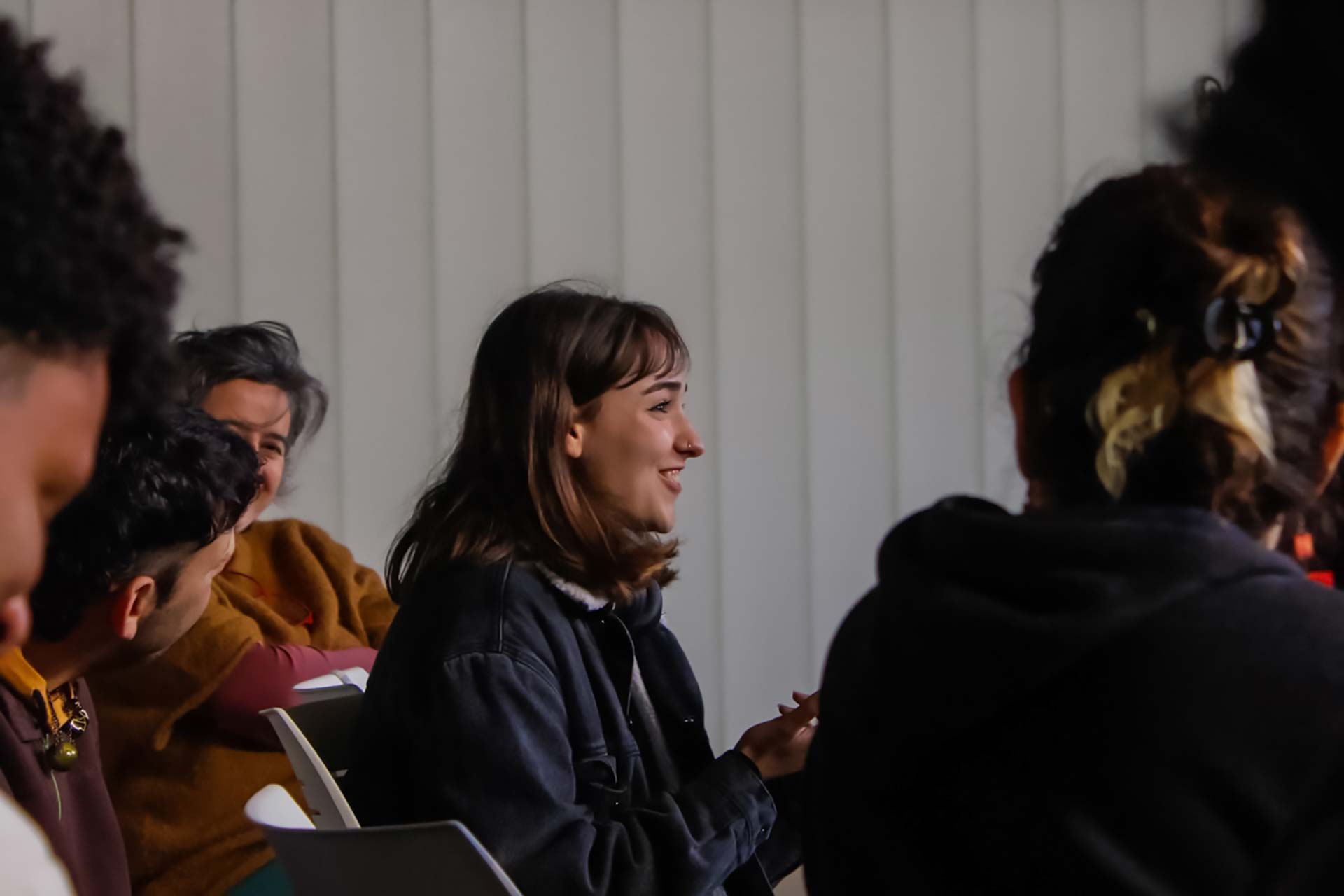 The initiative arises from the need to create spaces for dialogue where disciplines such as design, animation and fanzines are understood as tools linked to social change. Mónica Dios Rodríguez, The pedagogical director of LabINS ULL highlighted the close relationship between design and pedagogy within social innovation processes, noting that both practices share the ability to generate understanding, activate critical thinking and accompany transformation processes through listening, care and the collective construction of knowledge.
In contrast to a more limited or commercially focused view, the series proposes a broader perspective that highlights the capacity of these practices to question realities, construct narratives, and generate collective processes. Throughout the three discussions, an exchange of ideas and experiences took place among participants from diverse backgrounds, fostering a connection between thought and action. Each session contributed a specific and complementary perspective to enrich the debate on the role of creativity today.
The first meeting, dedicated to social design, addressed this discipline from different professional perspectives. Participants reflected on design as a collective and political practice, highlighting the importance of collaborative work, conscious decision-making, and the need to rethink our understanding of design. The second discussion focused on animation, emphasizing the industry and teamwork as a fundamental aspect of the creative process. Participants shared experiences related to studio production, remote work, and collaborative dynamics, also analyzing the tensions between the individual and the collective, as well as hierarchies within the sector.
The third meeting addressed the fanzine as a self-managed and interdisciplinary publishing format, highlighting its potential as a tool for free expression, experimentation, and creation.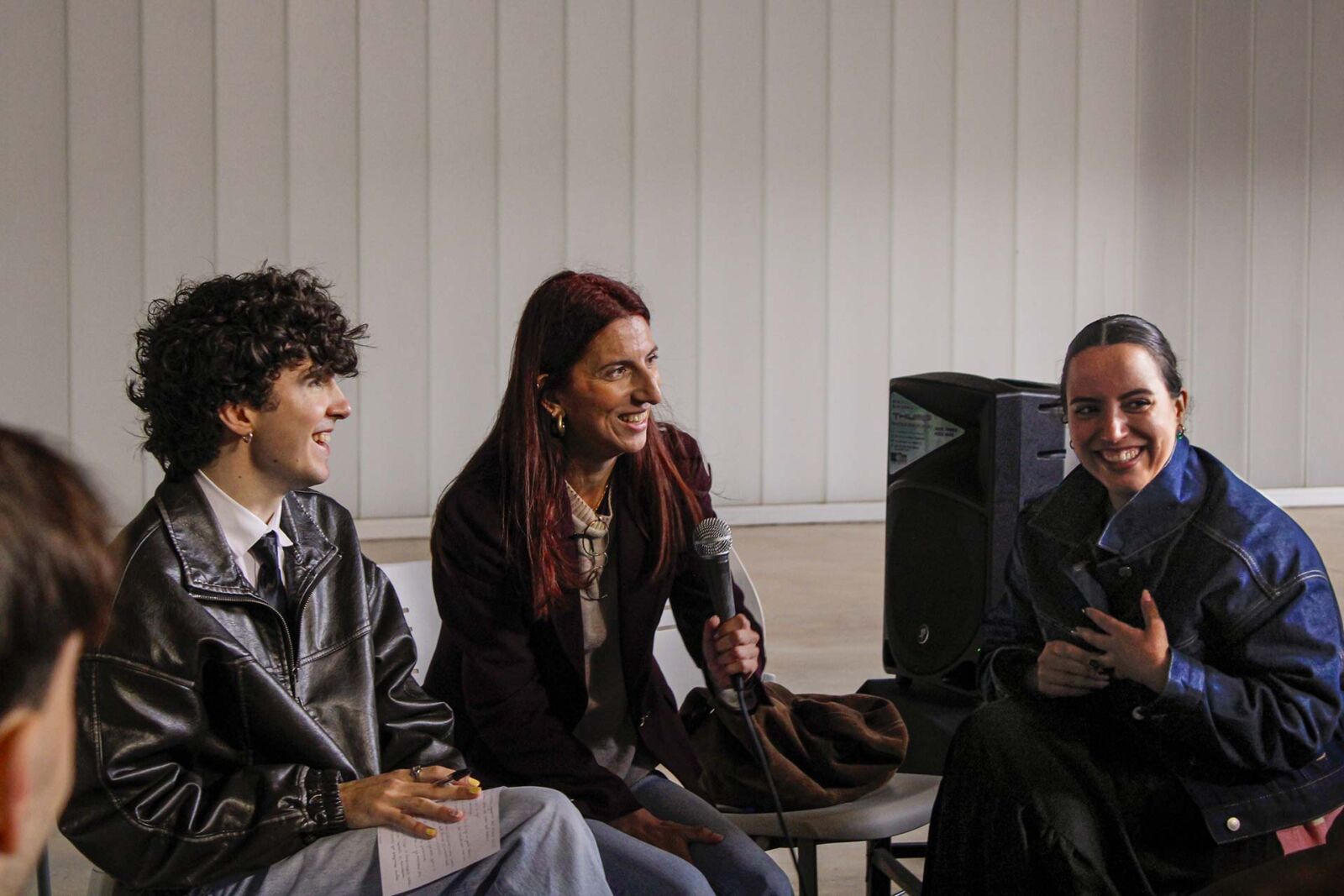 community. Furthermore, its capacity to challenge hegemonic discourses and generate alternative spaces for cultural production accessible to diverse backgrounds was also considered. In this way, the Second Design Conversation Series not only solidified its position as a space for sharing knowledge, but also as a platform for opening new possibilities, activating critical thinking, and reinforcing the role of creative practices as agents of social transformation.
This proposal is part of a line of work initiated by the Social Innovation Lab in 2022, aimed at highlighting and fostering dialogue around fairer, more ethical, and more committed ways of practicing different professions. Within this framework, discussions have been held in areas such as Pedagogy (2022 and 2025), Philosophy (2023), Design (2025 and 2026), Gender Perspective (2025), and Heritage (2025). A new edition focused on Pedagogy will be announced soon.

 Spanish
 English
 French