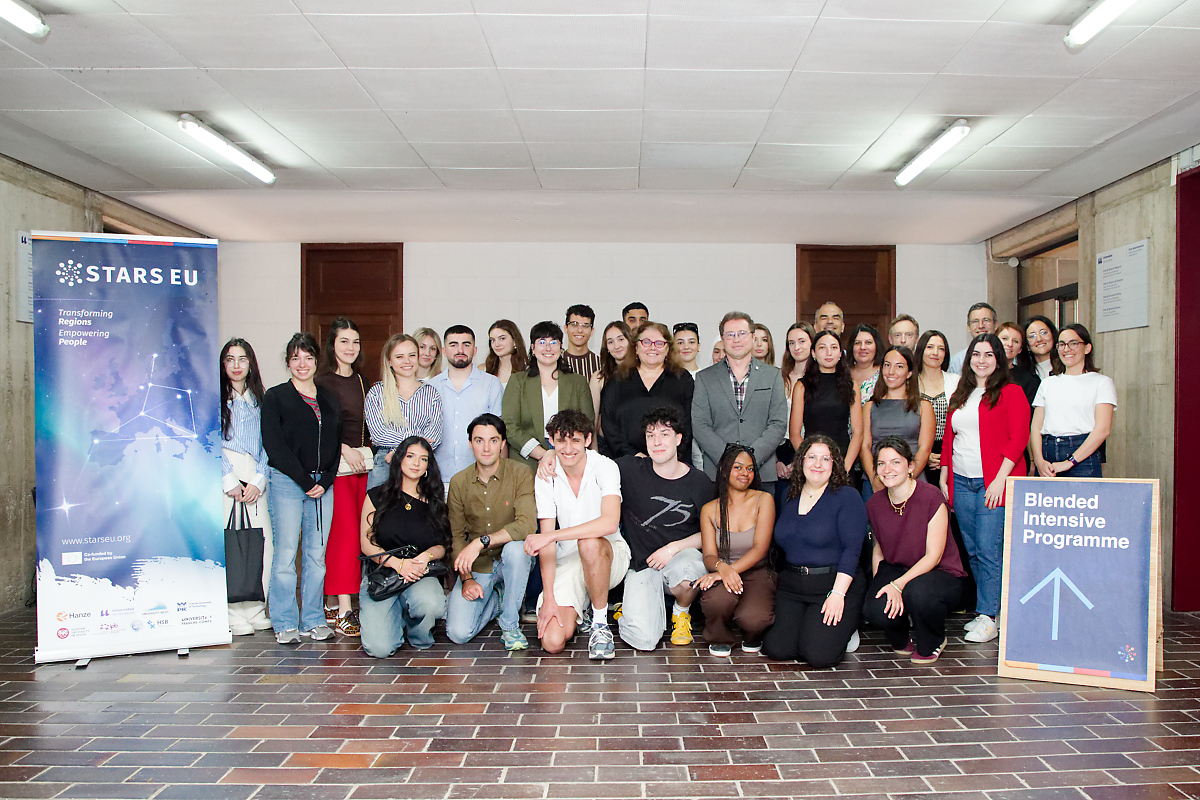
The Law school The University of La Laguna is hosting the Blended Intensive Programme this week. Justice in a Transformative Key (Justice in a transformative sense), which has brought together students and faculty from Albania, France and Germany, as well as students from this academic center, with the aim of analyzing access to justice from an inclusive, interdisciplinary perspective and oriented towards social transformation.
The BIP kicked off with the presentation of the inaugural session, led by the director of the Secretariat for Mobility and Cooperation with Europe and North America and coordinator of the alliance STARS EU At the University of La Laguna (ULL), José Sigut highlighted the positive reception this program is receiving, which is being developed under the Erasmus+ umbrella within the various alliances of European universities. Sigut also emphasized that this Business Innovation Program (BIP) departs from the alliance's usual focus areas, such as industry, business, and engineering.
Dulce Cairós, dean of the Faculty of Law and coordinating organizer of the initiative, emphasized that this first edition focuses on the area of Law, and especially on building a more inclusive justice system, capable of responding to current social challenges from a cross-cutting and transformative perspective.
The conference taking place these days, with the participation of 35 people, including students and teachers, from Aleksandër Moisiu University in Durrës (Albania), the Bremen University of Applied Sciences and the Marie and Louis Pasteur University (France), as well as the ULL, addresses, among other issues, job insecurity and the protection of minors as vulnerable consumers.
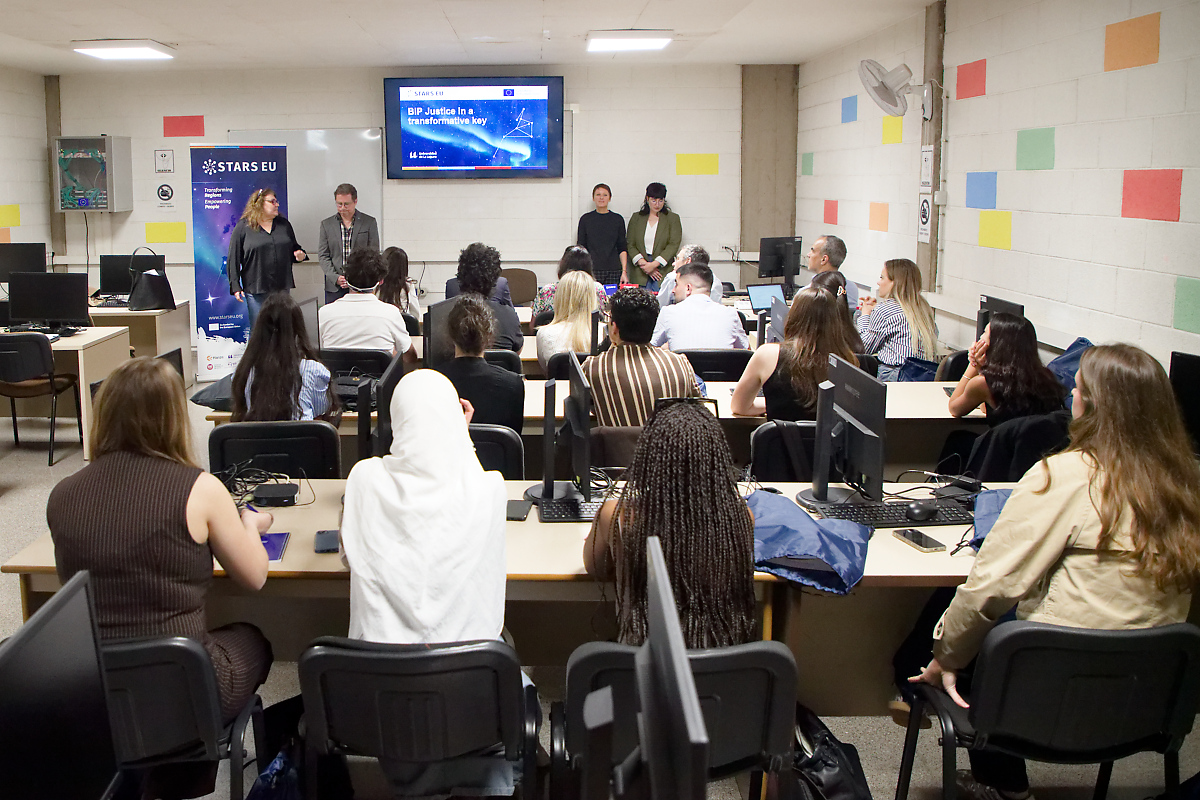 The program has served to delve deeper into how social inequalities condition effective access to justice, and the role that academic institutions can play as "agents of change", something that could be verified with the presentation of the ULL Social Innovation Laboratory.
Social exclusion and migrants
During the second day, the program focused on contexts of social exclusion, with particular attention to intervention in prisons and the legal advice provided to migrants. Special emphasis was placed on the importance of adopting interdisciplinary approaches to address complex realities and thus ensure a more effective response from the legal and social spheres.
Alternative models to the traditional justice system, as well as restorative justice and alternative dispute resolution mechanisms, are seen in this training program as key tools to promote more inclusive, dialogue-based and reparative solutions.
In recent days, the focus has shifted to particularly sensitive issues, such as the situation of unaccompanied minors, age determination procedures, and the need to incorporate a gender perspective into the legal system. The program will conclude with an evaluation and closing session in which the proposals developed by the students, centered on advancing towards a more accessible, equitable, and people-centered justice system, will be shared.
In addition to the lectures, participants will be able to enjoy cultural and leisure activities, such as a guided tour of San Cristóbal de La Laguna and the Teide National Park.

 Spanish
 English
 French