The evolution of the labor market has introduced new risks associated with phenomena such as digitalization, artificial intelligence, the aging workforce, climate change, and gender inequalities. For this reason, World Day for Safety and Health at Work is celebrated around this time, coinciding with International Workers' Day, dates that encourage reflection on the need to guarantee safe and healthy work environments. For decades, occupational risk prevention has been primarily associated with the most visible accidents, such as falls, blows, exposure to hazardous products, or physical injuries resulting from exertion. However, the current reality of employment has significantly broadened this traditional approach.
The Spanish regulatory basis in this matter continues to be the 1995 Law on Prevention of Occupational Risks. Margarita Ramos, Professor [Name], from the Department of Special Public and Private Law and Business Law at the University of La Laguna, points out that this regulation “incorporated a preventative perspective on workplace risks, which was a very important innovation.” Until then, it was assumed that certain injuries were practically inevitable and that the response should only come after the accident or illness had occurred. This paradigm shift conveyed the idea that risk must be anticipated, assessed, and avoided. In other words, the company is not only responsible when harm occurs, but also has the obligation to organize work to prevent it.
However, more than thirty years later, the labor market is different. Ramos notes that there is currently a draft bill aimed at reforming the regulatory framework, still in the parliamentary process. “As the production system changes, due to technological and technical innovations, the way we work and the risks involved also change,” he states.
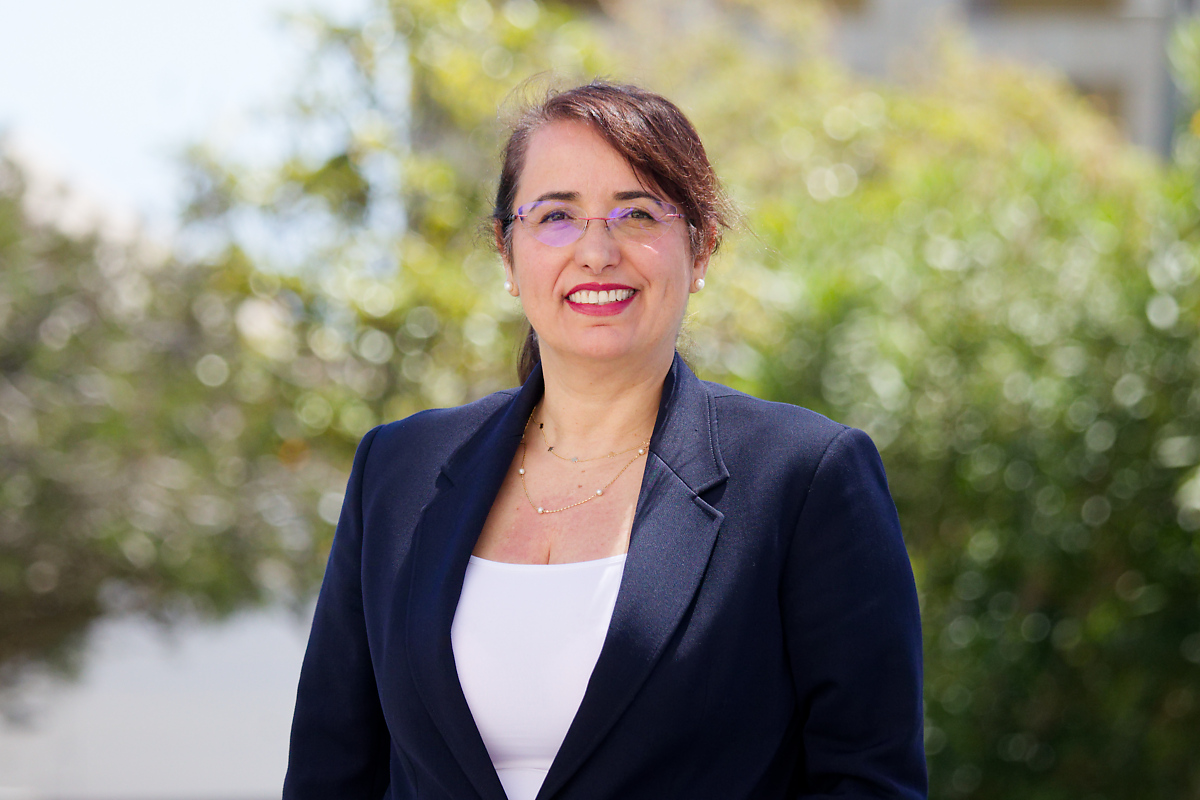
Sandra Fumero.
A law born in another time
Sandra Fumero, A professor in the Department of Special Public and Private Law and Business Law agrees that the potential reform “would not only be advisable, but necessary.” She believes that occupational safety and health “constitute one of the major socio-labor challenges in Spain and Europe,” precisely because employment is undergoing a profound transition. “No one questions that the world of work is in a process of transformation in which risks and emerging realities coexist,” she points out.
One of the main limitations of historical regulations is the scant attention paid to psychosocial risks. Anxiety, stress, workplace harassment, continuous pressure, and emotional exhaustion barely feature on the prevention agenda of decades past. “The 1995 Occupational Risk Prevention Law makes no mention of psychosocial risks, neither for their assessment nor for adopting planning measures,” Ramos points out. For a long time, mental health was understood as an individual or private matter, not as a potential consequence of work organization.
Currently, the professor states that scientific evidence shows a different reality: “Empirical studies have revealed that many mental health disorders are acquired as a consequence of work.” Estefanía Hernández Fernaud, According to a professor in the Department of Cognitive, Social and Organizational Psychology, the relationship between employment and well-being is evident: “We spend a significant part of our lives working, so it is clear that this is a context that will also affect physical and mental health.”.
The right to disconnect
One of the clearest examples of the transformation of work with the arrival of the digital age is the increasing difficulty in clearly defining the boundaries between work and personal time. The line between the two has become blurred with the normalization of emails, messages, and phone calls outside of working hours, which extend the workday almost imperceptibly.
“We routinely receive work-related instructions outside of working hours,” warns Margarita Ramos. Although the legal system recognizes the right to digital disconnection, the researcher points out that its actual application remains limited and, in many cases, depends on collective bargaining agreements, where this right is frequently included in a generic way, without effective implementation to guarantee its fulfillment. “Outside of working hours, what is appropriate is rest, not productive work,” Ramos emphasizes.
For his part, Hernández Fernaud explains that rest cannot be understood solely as a formal pause, but as an essential process of physical and mental recovery. “If we rest, we tend to recover from fatigue, but if we never disconnect, this recovery effect doesn't occur.” When this disconnection doesn't happen adequately and consistently over time, the body stops recovering, which “can lead to chronic fatigue and more serious problems such as chronic stress or burnout syndrome.” burnout, "That is, to burn out from work.".
Work overload and human error
On the other hand, the increasing intensification of work is having a direct impact on both productivity and job safety. As Estefanía Hernández Fernaud points out, in
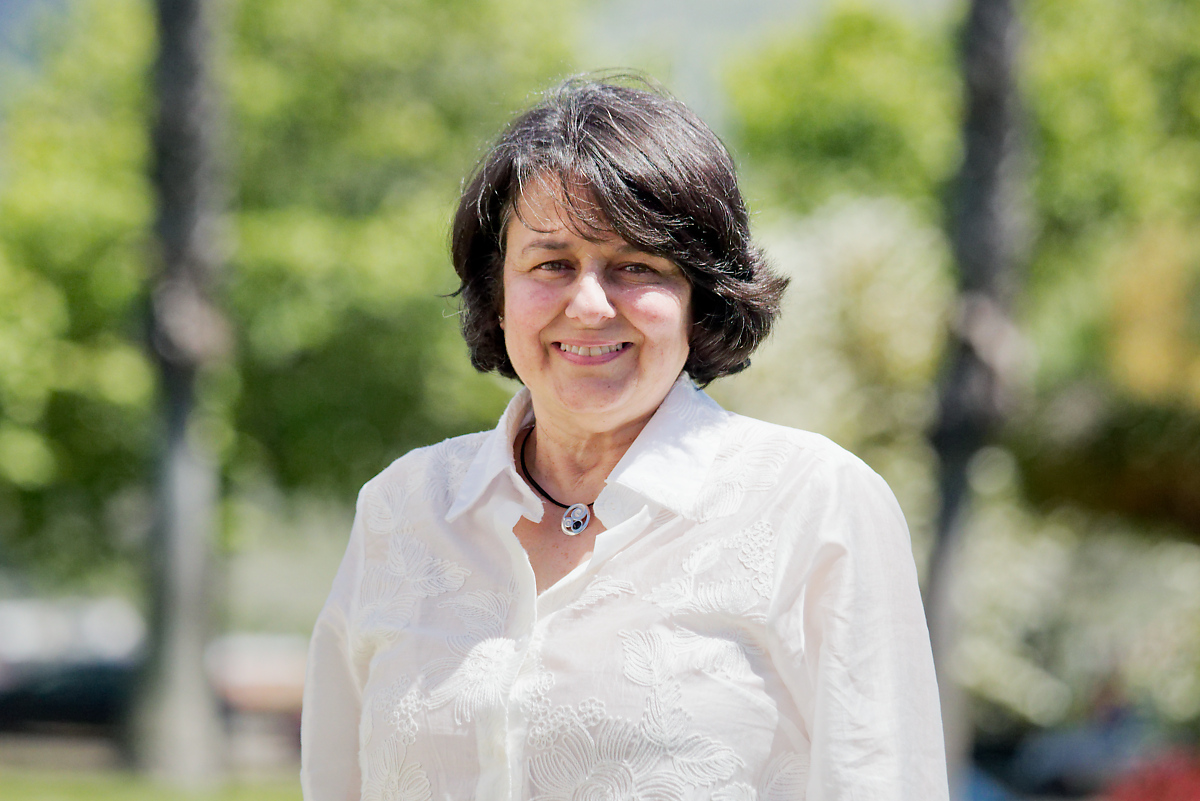
Estefanía Hernández.
In many work sectors, "almost everyone expresses how overloaded they are," a perception that has become increasingly common in the day-to-day operations of organizations.
It's not just the number of tasks, but how they are organized: increasingly tight deadlines, multiple simultaneous tasks, and high demands that require sustained, very high levels of attention. "The greater the cognitive load, the less attention we can dedicate to tasks," explains the researcher. This reduction in attention, she adds, directly increases the likelihood of errors, lapses in concentration, and even workplace accidents.
Given this scenario, Hernández Fernaud emphasizes the need to move towards more humane and people-centered leadership models, capable of better managing workloads and taking into account the actual pace of teams. These approaches, he points out, not only have a positive impact on the well-being of employees, but also contribute to improving the overall efficiency and performance of organizations.
The arrival of artificial intelligence
The increasing implementation of automated systems and artificial intelligence-based tools is profoundly transforming the organization of work, creating significant opportunities but also raising new uncertainties. In this regard, Sandra Fumero emphasizes that "artificial intelligence is here to stay," highlighting its usefulness in taking over repetitive, dangerous, or unhealthy tasks that until now fell directly to people.
However, she warns that this technological evolution is not without risks when its design or application is inadequate. In such cases, algorithms can impose excessively demanding work dynamics or highly intrusive monitoring systems. "The algorithm assumes leadership without taking into account certain personal characteristics of the workers," the researcher points out, highlighting the loss of flexibility and consideration for individual circumstances.
Another significant consequence is the reduction of human contact in the workplace. By replacing or mediating many interactions, automation can foster isolation among colleagues and weaken social support networks within organizations, thus intensifying some of the psychosocial risk factors already present in contemporary work.
Another factor that directly affects the quality of employment and working conditions is climate change. According to Fumero, numerous sectors and activities are exposed to the consequences of this phenomenon, since rising temperatures, air pollution, fires, and floods "increase the risk of work-related illnesses and accidents.".
Among the most serious consequences, the researcher points to pathologies ranging from cancer to chronic diseases resulting from prolonged exposure to adverse environmental conditions. In this regard, she emphasizes that professions such as agriculture, construction, forestry, and emergency services bear the brunt of climate change-related risks, as they are typically carried out outdoors or in particularly vulnerable environments.
Therefore, it applauds the regulatory advances that incorporate guidelines, directives and best practices regarding heat, such as the planning of work schedules, thermal alert systems or the use of specific personal protective equipment.
Aging of the working population
One of the challenges facing the European Union in the labor market is the aging of its workforce. According to Margarita Ramos, “all countries have a clear trend toward having a significantly older working-age population,” which necessitates a rethinking of labor policies, as well as training and retraining systems.
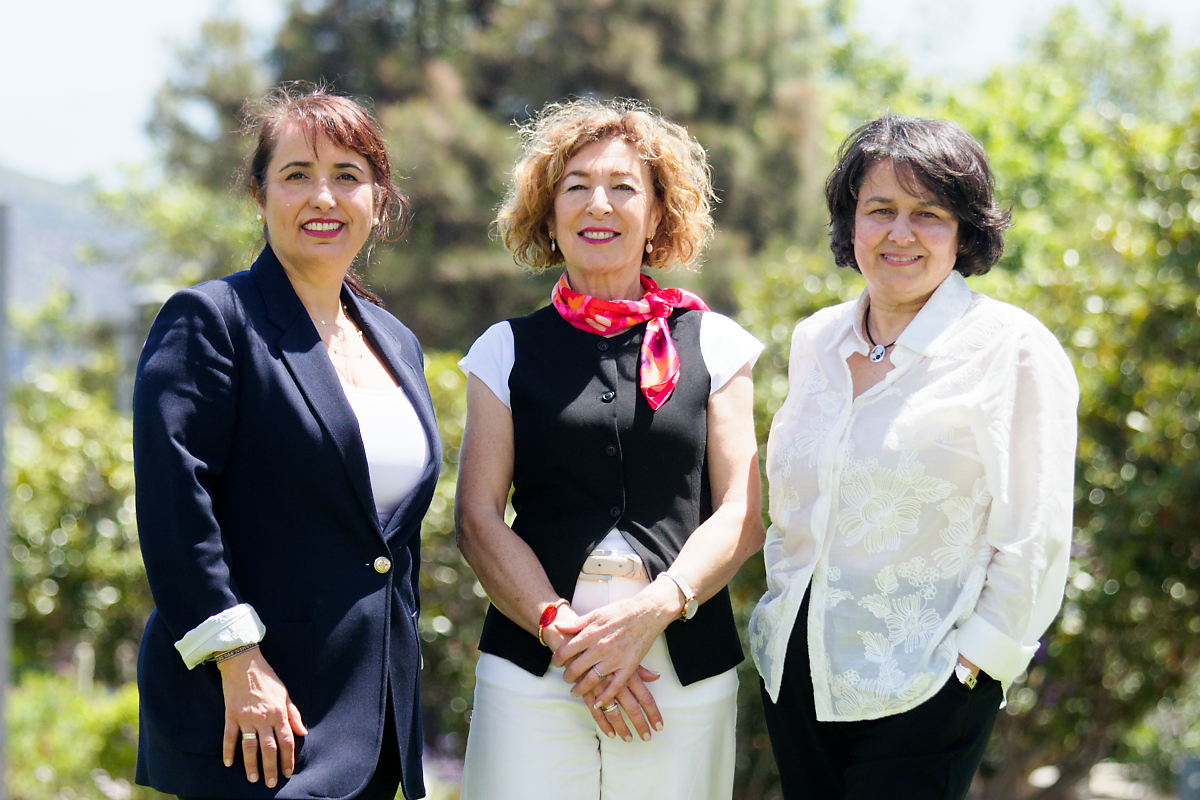
In this context, the three researchers agree that simply extending working life is not enough; it is essential to adapt work environments, invest in continuous training, and recognize the value of accumulated experience. Along these lines, Estefanía Hernández Fernaud questions the idea that performance is exclusively linked to youth: “People over 50 possess an intangible wealth of experience that artificial intelligence cannot replace.”.
Sandra Fumero, for her part, points out that older workers may be more vulnerable to certain occupational hazards, making a more specific preventative approach necessary. In her opinion, companies should consider factors such as age, gender, and the design of the job itself to "specifically guarantee effective protection against workplace risks.".
Experts also emphasize that demographic trends in Europe are closely linked to the growing need to integrate migrant workers into the labor market. In this context, Margarita Ramos points out that “The law establishes the unequivocal principle that migrants have equal rights in employment relationships once they are hired.” However, the researcher warns of the persistence of irregular employment situations that particularly affect this group. “There are companies that continue to see informal, irregular work as a profit opportunity,” she explains, highlighting the economic dynamics that can perpetuate job insecurity.
From a structural perspective, Ramos emphasizes the importance of the migrant population for sustaining numerous productive sectors. “We need immigrants for economic activities that are not typically in demand by the Spanish or European population,” he states. Along these lines, he points out that current demographic changes make it difficult to fill certain positions solely with local labor: “If we want to maintain these levels of economic development, the aging population and the lack of replacements result in the need for a workforce from abroad.”.
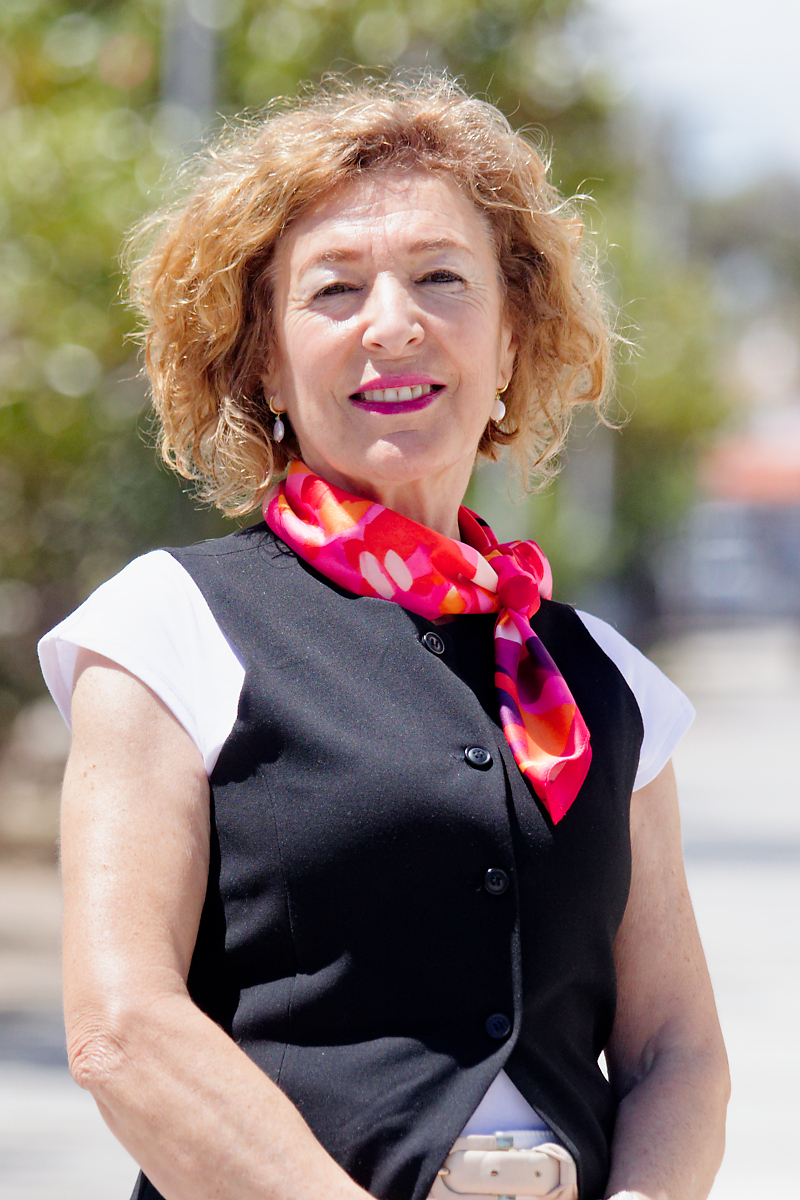
Margarita Ramos.
Prevention with a gender perspective
“Addressing occupational safety and health without a gender perspective would mean underestimating or even ignoring occupational risks for certain professionals, leading to more workplace accidents,” warns Sandra Fumero. Analyzing occupational risks from a seemingly neutral perspective has, for decades, meant using the traditional male worker model as a reference point, overlooking many realities that specifically affect women and other groups. Furthermore, the researcher points out that statistics show significant differences between men and women: “Men have more accidents than women, but in the case of occupational diseases, the percentage is higher among women.”.
The researcher also warns of the limited implementation of specific preventative tools in organizations. “Few companies develop risk maps with a gender perspective,” she points out. In her opinion, this deficiency has significant consequences, since “this lack of differentiated information on how risk factors affect men and women jeopardizes everyone’s health because these factors are rendered invisible.”.
Margarita Ramos points out that, although there has been regulatory progress, key aspects of women's occupational health are still not fully covered. "We have a European directive that protects the safety and health of female workers during pregnancy, childbirth, and postpartum," she notes. However, she warns that hidden risks persist, such as those associated with painful menstruation, the regulation of which "is not sufficiently implemented and developed," and which, moreover, many women do not seek "for fear of being singled out at work." The professor also emphasizes the historical bias in research and labor regulations. "When medical analyses are performed, they are based on the standard of biological conditions for men," she explains. Added to this is the persistence of the glass ceiling: "Women's access to decision-making positions is proving very difficult, and sometimes setbacks have even been observed.".
Occupational health and absenteeism
In the area of sick leave, Estefanía Hernández Fernaud focuses on the stigma that still surrounds certain mental health problems. “I’ve heard doctors say they don’t list anxiety as a reason for taking sick leave because it creates a very bad image in the workplace,” she points out, reflecting how certain diagnoses can still generate prejudice in the work environment. However, the researcher also notes a recent improvement in this area, as the current system has introduced changes that better protect the privacy of workers. “This has improved somewhat because now when a sick leave request is submitted, the organization doesn’t know the diagnosis, which reduces the pressure,” she explains.
For her part, Margarita Ramos emphasizes the importance of clearly differentiating concepts that are frequently confused in public debate. As she points out, “the ILO, the International Labour Organization, distinguishes between absenteeism due to health reasons and absenteeism that is not related to health reasons, that is, when someone doesn't go to work when they were expected to.” From this perspective, she stresses that sick leave should not be grouped under absenteeism in the strict sense, but rather considered a matter of occupational health.
Given this situation, he considers it essential to go beyond the figures and analyze the real reasons behind work absences: "If we want to combat this absenteeism for unjustified reasons, we would also have to see what is happening, what are the reasons that are causing a person to stop attending their job at a certain time.".
Hernández Fernaud points out that work is not only a source of stress and exhaustion, but also a potential space for well-being and personal fulfillment. “Work gives you the opportunity to feel good, because you feel useful to others, but this has a lot to do with how jobs are designed,” he notes, emphasizing the importance of task design and working conditions.
However, the researcher warns that this positive potential doesn't always materialize. "If we're in a job that doesn't generate any satisfaction beyond the financial aspect, this has repercussions on our well-being," she explains, emphasizing that this lack of meaning or recognition in employment can eventually lead to a decline in emotional and psychological balance. In this regard, Hernández Fernaud raises the need to balance productivity and well-being. "Work brings positive aspects to employees, but it can't be at the expense of their health.".
NOTE: This report is an initiative framed within the InvestigaULL Commemorations Calendar, a scientific dissemination project promoted by the University of La Laguna.
Scientific Culture and Innovation Unit (Cienci@ULL)

 Spanish
 English
 French