The publication of the structure of DNA represented a true revolution in the study of humans and all living things, and constitutes one of the most significant scientific milestones of the 20th century. On April 25, 1953, scientists Francis Crick and James Watson announced their findings in the journal Nature Her proposal of the double helix structure of DNA. It would later be recognized that the scientist Rosalind Franklin was the one who, through her X-ray diffraction images, first captured the helical shape of the molecule. However, the publication date of that article has become a symbol of the profound impact this discovery has had on the development of multiple disciplines since the second half of the 20th century. It is no coincidence that the first official commemoration, in 2003, coincided with the culmination of the Human Genome Project, an international initiative in which scientists from around the world worked for thirteen years to fully decipher the sequence of the human genome.
The 2026 Princess of Asturias Award for Scientific and Technical Research was recently awarded to British chemists David Klenerman and Shankar Balasubramanian, and French biophysicist Pascal Mayer, pioneers in next-generation DNA sequencing technologies. Before the developments of these three researchers, sequencing a human genome could take many months and cost millions of dollars. Today, it can be done a million times faster and for less than a thousand dollars. This technology enabled, among other advances, the genetic tracking of viruses such as SARS-CoV-2 during the COVID-19 pandemic.
“The sequencing of the human genome has transformed both how we conduct research and the depth to which we can do so,” says Mariano Hernández Ferrer, Professor of Genetics at the University of La Laguna. He explains that although the main objective of the Human Genome Project was to decipher the complete sequence of the 3.2 billion bases of the genome, the process also spurred a series of advances that have changed scientific practice.
 Among these developments, the shift from an approach focused on individual genes to one oriented towards the study of entire genomes stands out, as does the development of new sequencing technologies. Added to this is the creation of large public databases that compile genomic information from broad groups of individuals from different populations and countries, which has significantly expanded research possibilities.
Thus, advances in DNA research have driven numerous lines of investigation in recent decades, achieving breakthroughs that not so long ago seemed unattainable. Today, DNA analysis offers a wide range of applications in various scientific fields.
At the University of La Laguna, this research is carried out in fields such as biomedicine and human genetics, paleogenomics or molecular genetics applied to the study of biodiversity and the conservation of species, reflecting the versatility and scope of this discipline.
Biomedical research and precision medicine
As Hernández points out, medical research has undergone a profound transformation in recent years. The ability to analyze in greater detail the multifactorial inheritance that characterizes many human diseases, such as diabetes or asthma, allows specialists to identify combinations of variants in different genes and positions of the genome that increase susceptibility to these conditions. This knowledge opens the door to new therapeutic strategies and an increasingly personalized approach based on precision medicine.
In the field of biomedicine and human genetics, research on asthma at the University of La Laguna stands out. The Genomics and Health research group has helped identify variations in DNA sequences that predispose certain individuals to asthma attacks. Furthermore, their studies have allowed for a deeper understanding of the role of certain epigenetic modifications that, without altering the DNA sequence, influence gene expression and can increase the risk of some patients developing more severe forms of the disease.
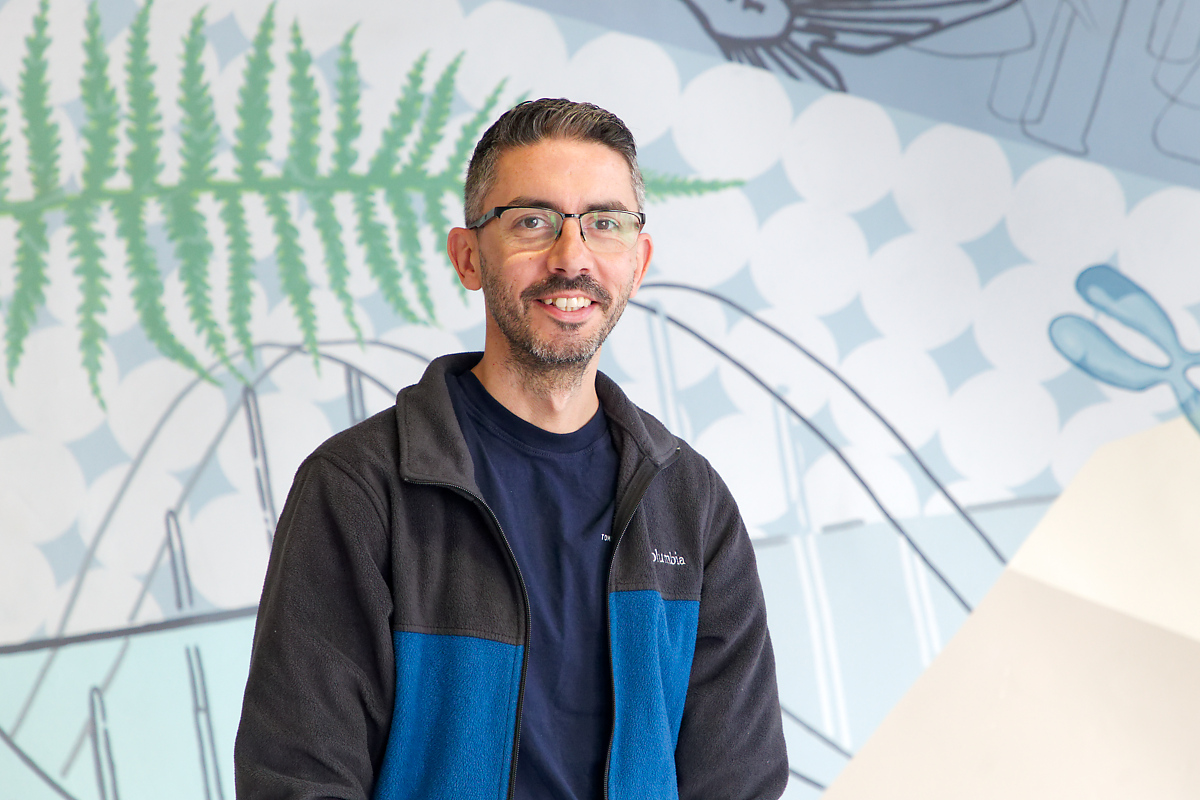
Jonathan Barroso
On the other hand, the recent addition of a new line of research in the field of cancer research, spearheaded by researcher Jonathan Barroso González, is noteworthy. Joining the University of La Laguna through a postdoctoral contract under the Ramón y Cajal program, Barroso works within the Molecular Bases of Neoplasms (MOLNEO) research group, which focuses on studying the cellular and molecular mechanisms involved in the development and progression of various neoplasms, both benign and malignant. He also leads the research line "Telomeric Integrity in Aging and Cancer," based at the Institute of Biomedical Technologies (ITB).
Through his project Unlocking secrets at chromosome ends in cancer and aging: novel short telomere modulating factors through TERRA regulation, Its objective is to understand how and why alterations occur in telomeres, protective structures located at the ends of chromosomes, and what impact these changes have on cell transformation and cancer development, especially in those cases associated with the ALT pathway (alternative lengthening of telomeres), an alternative telomere maintenance mechanism associated approximately with the 15% of tumors, including certain osteosarcomas, neuroblastomas, glioblastomas and some types of pancreatic cancer.
The project focuses on studying telomere maintenance mechanisms based on telomere lengthening through homologous recombination, a process activated by spontaneous breaks in the telomere structure, associated with chromatin changes and the accumulation of other secondary structures. In this context, cells can repair these chromosomal ends using telomeres from other chromosomes as templates, thus enabling their elongation.
As Barroso explains, the main objective of the project is “to identify the proteins involved in regulating these elongation processes.” The researcher aims to characterize proteins present in cancer cells that activate the ALT pathway. Furthermore, the work seeks to determine the specific function of these proteins within the telomere elongation process. To achieve this, an integrated approach is used, combining techniques from genetics, molecular biology, and cell biology, allowing for the analysis of this mechanism at different levels of complexity.
The ultimate goal of their research, Barroso points out, is to generate knowledge that can contribute to the identification of new therapeutic targets for the treatment of this type of cancer. However, he emphasizes that translating these findings into clinical applications is complex at this stage of basic research, where the main focus is on thoroughly understanding the biological mechanisms involved.
The researcher also highlights that this is the first time this type of cancer has been addressed at the University of La Laguna, opening new opportunities for collaboration with other research groups working on lines related to genomic instability. In this regard, he particularly values the potential for scientific synergies within the university itself, as well as access to the infrastructure of the Genomics Service at SEGAI, which allows for sequencing, real-time PCR assays, and telomere length measurements. This is further enhanced by the support of the Advanced Imaging and Microscopy Service, the microscopy platforms of the Institute of Biomedical Technologies (ITB), and the Level 2+ Biosafety Laboratory of the Pharmacology Unit.
Genes that tell the story
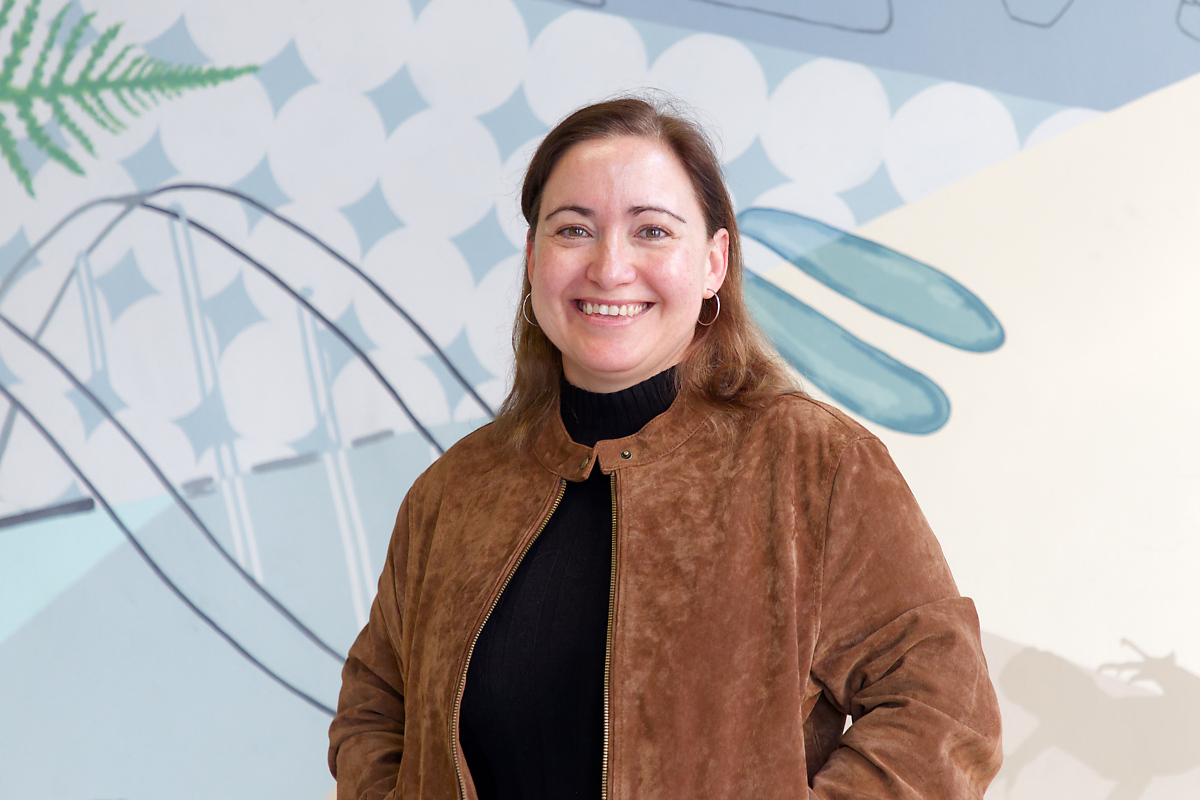
Rosa Fregel
Research into ancient DNA and paleogenomics has gained increasing importance in recent years. As Mariano Hernández points out, “genetic data tell us about population bottlenecks, demographic expansions, population mixing, and migrations that we could not otherwise understand.” In this sense, genetic analyses have become a fundamental tool for reconstructing the history of past populations. These advances are reflected in the research lines of the Evolution, Population Genetics, and Paleogenomics (EVOPALEOGEN) research group, coordinated by Professor Rosa Fregel and focused on studying the origins of the Canary Islands' aboriginal inhabitants and reconstructing their genetic history.
“When we use ancient DNA to study populations, we can address many questions, but the main one remains clarifying their origin, especially in the case of the Canary Islands and their aboriginal population,” says Fregel. The researcher emphasizes the key role of genetic analysis in reconstructing human migrations. Thanks to decades of international studies that have examined populations from around the world, it is now possible to identify genetic markers characteristic of different geographic regions.
This allows researchers, as the researcher points out, to compare DNA extracted from archaeological remains in the Canary Islands with reference databases and establish similarities or relationships with other populations, in this case from the North African region. Based on this foundation, the research group analyzes the variations that the seven island populations may have undergone during their historical evolution. In Fregel's words, “Present-day Canarians are the final snapshot of a long and complex process, in which populations from the Iberian Peninsula, the Americas, and Africa converged. By studying past populations, we can observe almost in real time how this change occurred.”.
In this context, the EVOPALEOGEN research group is currently developing two projects funded by the Ministry of Science, Innovation and Universities through its competitive grant programs. The first, nearing completion, analyzes the effects of insularity and isolation on the aboriginal populations of El Hierro. The second, currently underway, aims to identify migration patterns among the aboriginal and historical societies of Gran Canaria.
Through these lines of research, the aim is to determine whether the different populations of the archipelago evolved homogeneously or whether, on the contrary, significant differences existed between them. These studies allow us not only to examine aspects such as survival and genetic diversity, as well as the changes associated with the arrival of new populations in different historical periods, but also to reconstruct kinship relationships among individuals buried at the same site, providing a more complete view of the social dynamics of these communities.
Furthermore, as Rosa Fregel points out, this new project, focused on the study of human remains from various sites on Gran Canaria, aims to carry out the first population analysis on a regional scale. To this end, the team will compare samples from historically more isolated areas with a longer-lasting aboriginal population, such as the troglodyte settlements like Acusa Seca, with remains found in more open and connected environments, such as the present-day area of Las Palmas.
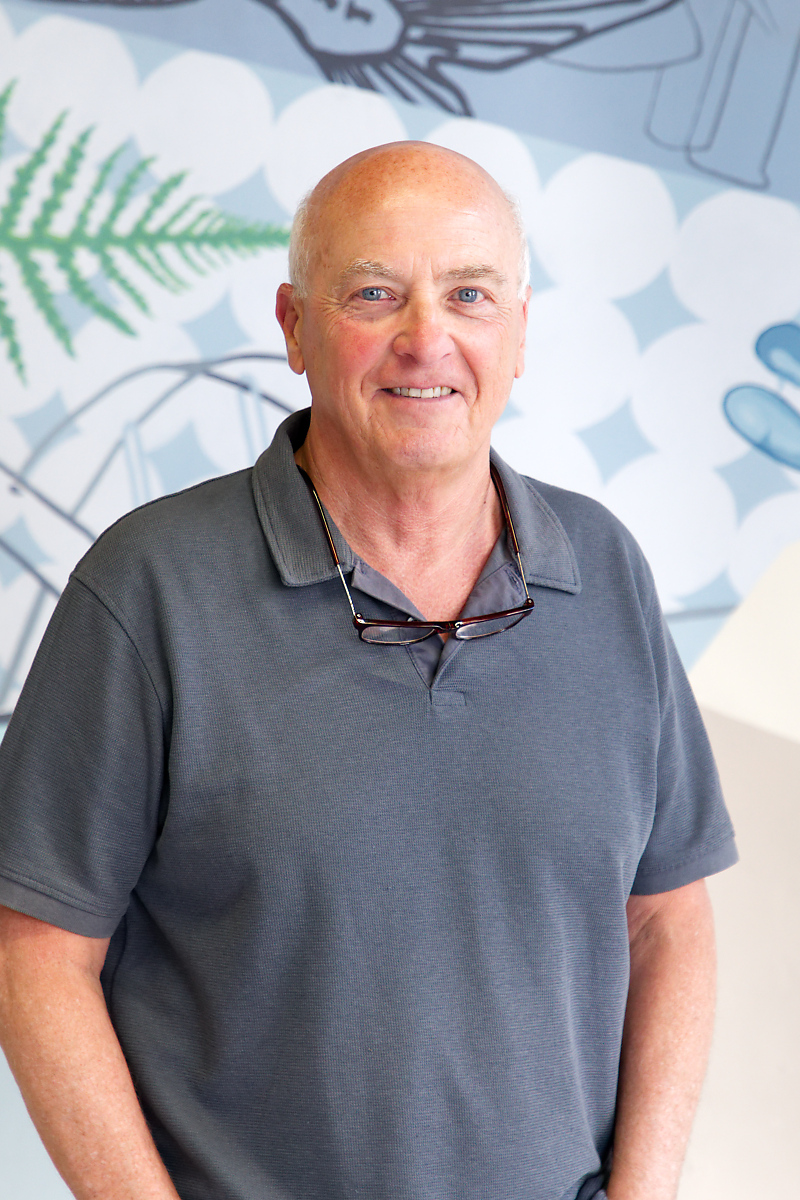
Mariano Hernández
In the field of paleogenomics, Fregel emphasizes a key limitation: the need for a sufficient number of sites to allow for broad sampling and the analysis of all these variables. “The analysis of four isolated individuals from the 12th century cannot be considered representative of an aboriginal period spanning more than 1,400 years,” she explains. In this regard, the researcher stresses that the goal is to cover, as far as possible, this entire time frame: from the 1st and 2nd centuries, when these populations settled on the islands, to the period of contact with Europeans.
However, this goal faces significant challenges. “Most of the human remains we find date from between the 9th and 13th centuries,” he points out, a fact that is related to the population boom the islands experienced around the 9th and 10th centuries. This chronological concentration limits the ability to reconstruct in detail the earliest phases of human occupation in the archipelago.
Paleogenomics research is not limited to the study of human remains. The EVOPALEOGEN group also develops lines of research focused on the analysis of DNA from fauna and even crop varieties such as lentils. "It's a complementary way of providing information about the origin of these populations," Fregel points out.
The researcher points out that, during their settlement of the archipelago, the aboriginal populations introduced domesticated species such as pigs, sheep, and goats, as well as crops like barley, wheat, and lentils. Thus, the study of these remains allows researchers not only to corroborate the geographic origin of these populations by comparing them with species from the same areas, but also to analyze their evolution over time and detect possible processes of gene flow or demographic shifts.
Fregel adds that this type of research necessarily relies on collaboration with specialists from other disciplines: “In paleogenomics, if we don't develop projects from a multidisciplinary perspective, we lose an essential part of the information, both in terms of historical contexts and species varieties.” Ancient DNA sequencing thus draws on knowledge from areas such as archaeology, history, and biology, while also contributing to testing its hypotheses. “The study of ancient DNA and paleogenomics provides a tool for testing hypotheses,” Fregel points out. In this sense, he emphasizes that the objective nature of genetic data—DNA associated with a specific population in a particular place and time—allows for common comparisons and, based on these, the construction and interpretation of different theories.
Tool for the protection of biodiversity
Another highly relevant line of research at the University of La Laguna, driven by the possibilities offered by DNA sequencing, focuses on the study of genetic variation at the molecular level in populations and species, especially endemic ones, of the Canary Islands archipelago. According to Mariano Hernández, a member of the Molecular Genetics and Biodiversity (GTMB) research group, “genetics, and specifically population genetics, has become a fundamental tool in the field of conservation biology.”.
This field applies tools developed from population genetics to the preservation of species' genetic diversity, aiming to improve their ability to adapt to environmental changes and reduce the risk of extinction associated with genetic factors. In this context, it is possible to identify populations at risk due to their low genetic diversity, assess their degree of fragmentation, and design breeding programs that prevent inbreeding in captive populations, as well as determine the origin of invasive species.
 Among the projects developed in recent years, the GTMB group has carried out several studies aimed at evaluating the conservation status of various endemic species of the Canary archipelago, with the objective of analyzing their genetic variation at the molecular level and better understanding their historical evolution, capacity for adaptation, and survival. In this context, they have worked with reptile species such as the Tenerife giant lizard (Gallotia intermedia), as well as with birds such as the common chaffinch (Fringilla coelebs) and the Canary Island shrike (Lanius meridionalis koenigi). They have also analyzed endemic plant species such as the sorrel (Rumex lunaria) and the Pico de El Sauzal (Lotus maculatus).
Furthermore, these investigations have been extended to the study of introduced species with invasive potential, such as fire coral (Millepora alcicornis) and the green lizard (Anolis porcatus), in order to understand its origin, its expansion dynamics and its impact on island ecosystems.
Taken together, the various lines of research developed around DNA demonstrate the extent to which genetics has become a cross-cutting tool for contemporary science. From precision medicine to paleogenomics, and including conservation biology, DNA sequencing not only allows us to answer previously inaccessible questions, but also to propose new ways of understanding health, evolution, and the history of populations.
In this scenario, the research carried out by different groups at the University of La Laguna is positioned as an active space for knowledge generation, In this field, collaboration between disciplines such as biology, medicine, archaeology, and history is essential. DNA, more than just a sequence of bases, is becoming a unifying thread connecting past and present, nature and society, and continuing to expand the frontiers of scientific knowledge.
This report is an initiative framed within the InvestigaULL Commemorations Calendar, a scientific dissemination project promoted by the University of La Laguna.
Scientific Culture and Innovation Unit (Cienci@ULL)

 Spanish
 English
 French