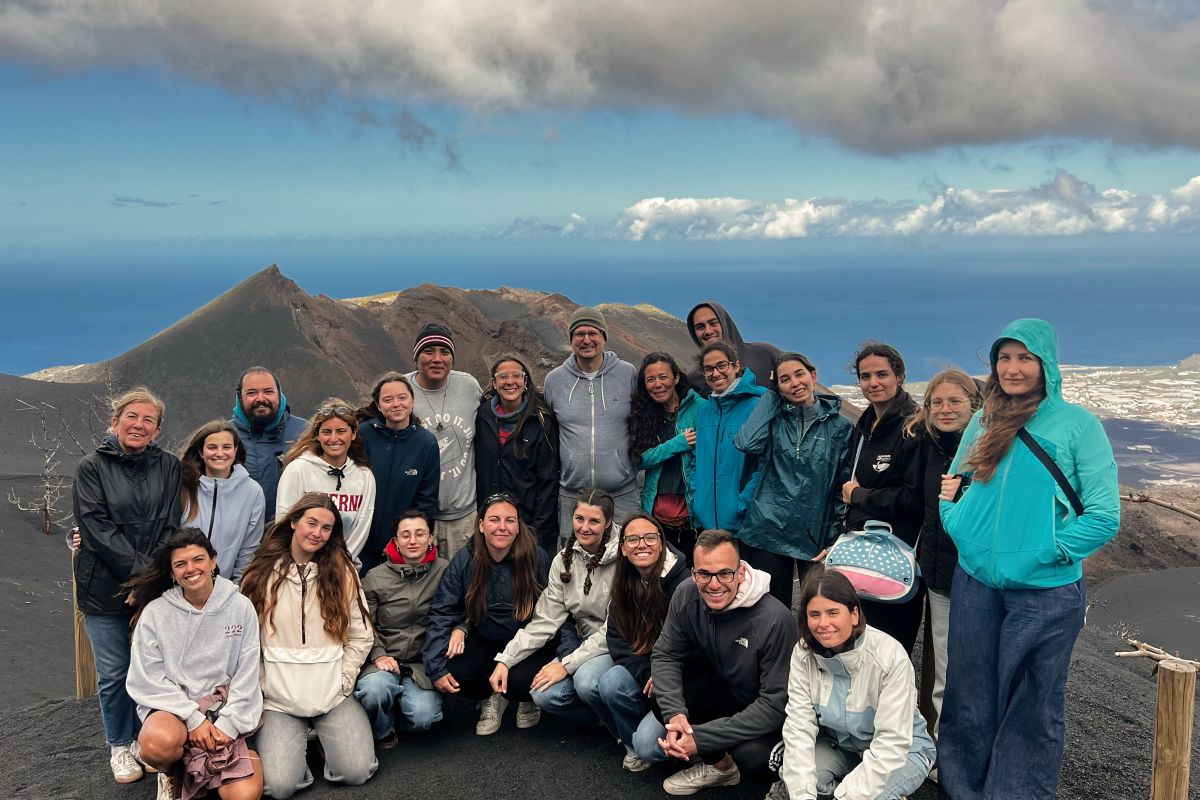
La Palma once again became a privileged setting for the practical training of students of Master's Degree in Marine Biology: Biodiversity and Conservation from the University of La Laguna. Between May 11 and 15, 2026, its students participated in a multidisciplinary campaign focused on the knowledge of marine ecosystems, coastal biodiversity, aquaculture, artisanal fishing and the conservation of the island's marine natural heritage.
This educational activity allowed students to apply classroom concepts to real-world situations, reinforcing practical training directly connected to the local environment. Throughout the week, the students participated in an intensive program of visits, practical exercises, and meetings with professionals and institutions involved in the marine environment of La Palma.
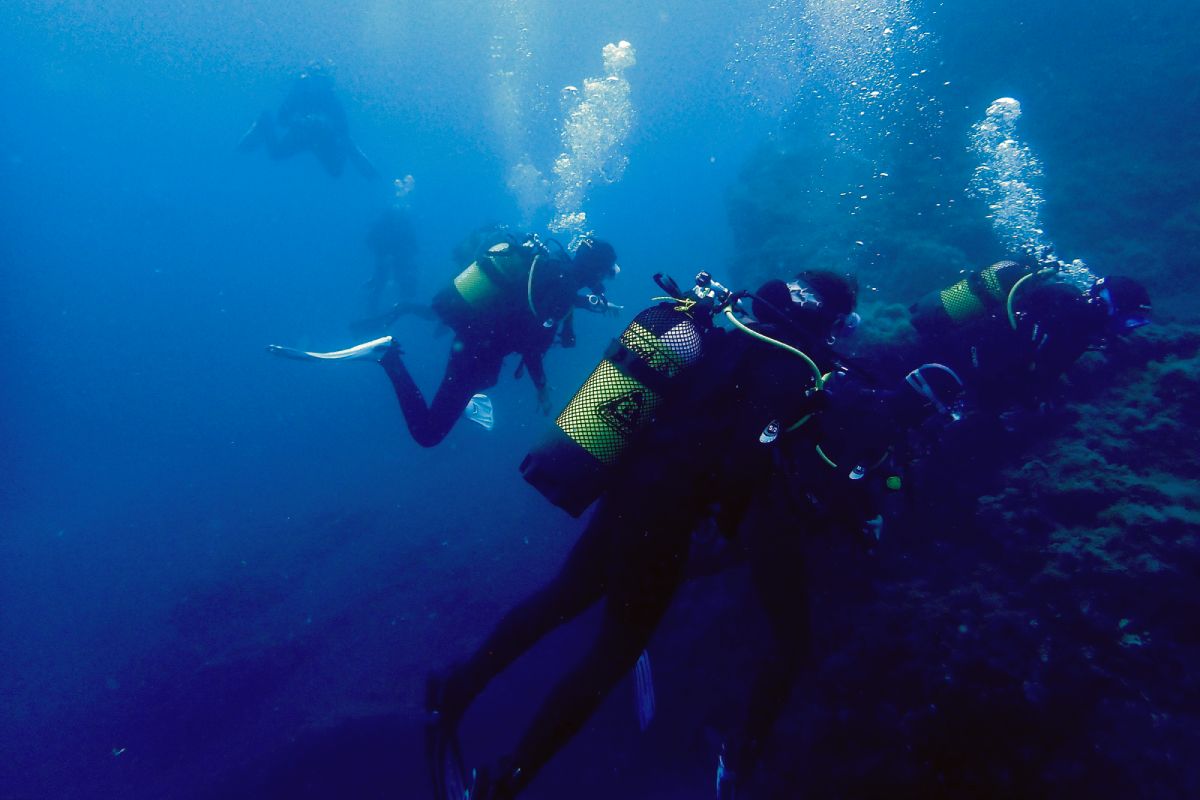 The campaign was supported by the Cabildo de La Palma, ACUIPALMA, Buceo Isla Bonita, TRAGSATEC, the La Palma Marine Reserve, the Island Museum, the Brotherhood of Our Lady of the Snows and the Fishermen's Brotherhood of Carmen, entities that facilitated the students' approach to different professional, productive and environmental realities of the island.
The stay began with a visit to the Brotherhood of Our Lady of the Snows and the Island Museum, where the group learned about La Palma's fishing, historical, and natural heritage. Afterwards, the activities moved to Fuencaliente, which served as their base of operations for much of the trip.
One of the program's main focuses was learning about the island's aquaculture sector. Students visited facilities related to aquaculture production, including the packing plant, land-based facilities, and open-sea cages of ACUIPALMA, which allowed them to gain firsthand knowledge of the technical, logistical, and environmental aspects of this productive activity.
The campaign also included practical sessions focused on the study of fish, invertebrates, and macroalgae, as well as activities related to the management and monitoring of the marine environment. In this context, the participation of TRAGSATEC, the La Palma Marine Reserve, and local fishermen's associations made it possible to address aspects related to conservation, marine resource management, artisanal fishing, and the relationship between scientific knowledge and the professional sectors of the marine industry.
During the week, the students also carried out fieldwork in coastal sites of high ecological interest, such as the Echentive Lagoons and the Fuencaliente Salt Flats, areas that allow for the observation of unique ecological processes associated with volcanic coastal environments. The campaign culminated with a visit to the Tajogaite area, a site of particular importance for understanding the interaction between recent volcanic processes and coastal and marine ecosystems.
The participating teaching team consisted of master's degree professors, along with collaborating researchers, who accompanied the students in the various field activities, laboratory work, and technical visits.
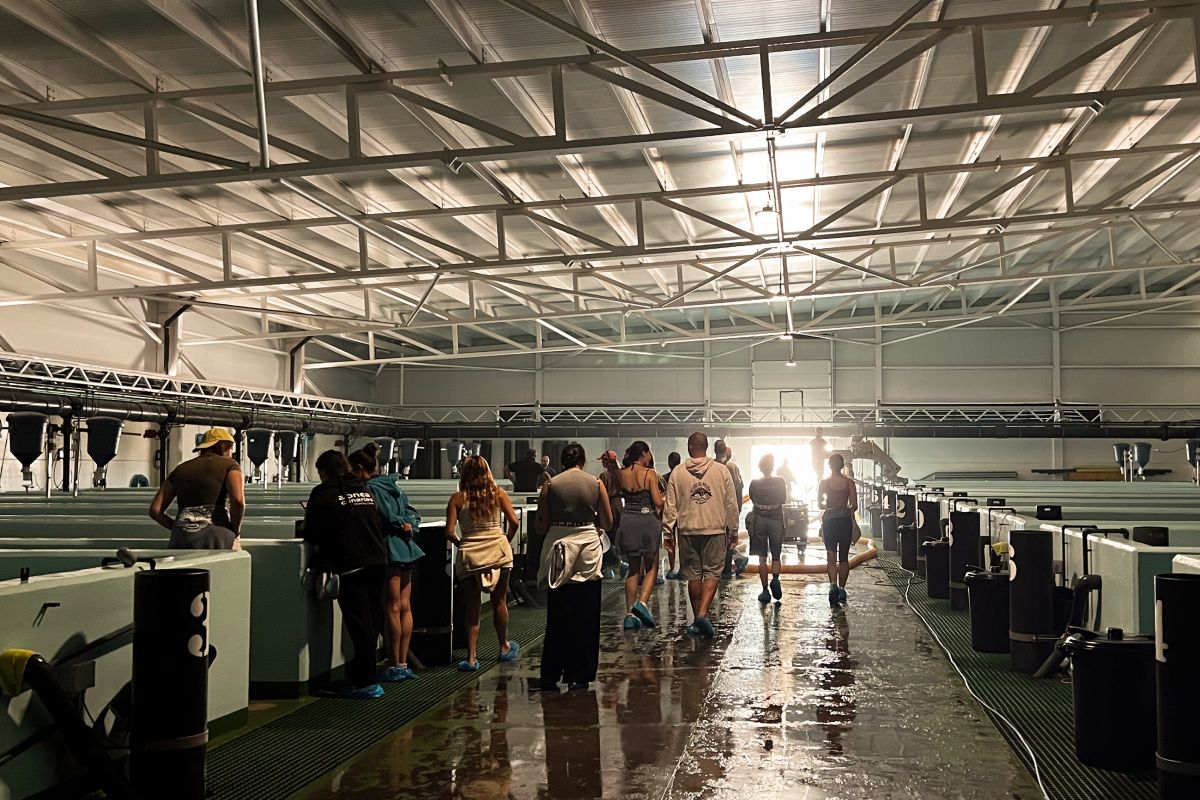 With this initiative, and thanks to the funding obtained through the Doctoral School and Postgraduate Studies of the University of La Laguna, the Master in Marine Biology reinforces its commitment to practical, interdisciplinary teaching linked to the territory, enabling students to learn directly about the current challenges of marine conservation, the management of fisheries and aquaculture resources, and the study of biodiversity in the Canary Islands.
The campaign also consolidates the collaboration between the University of La Laguna and the local entities of La Palma, creating a meeting space between university education, scientific knowledge, productive sectors and the conservation of the marine environment.

 Spanish
 English
 French