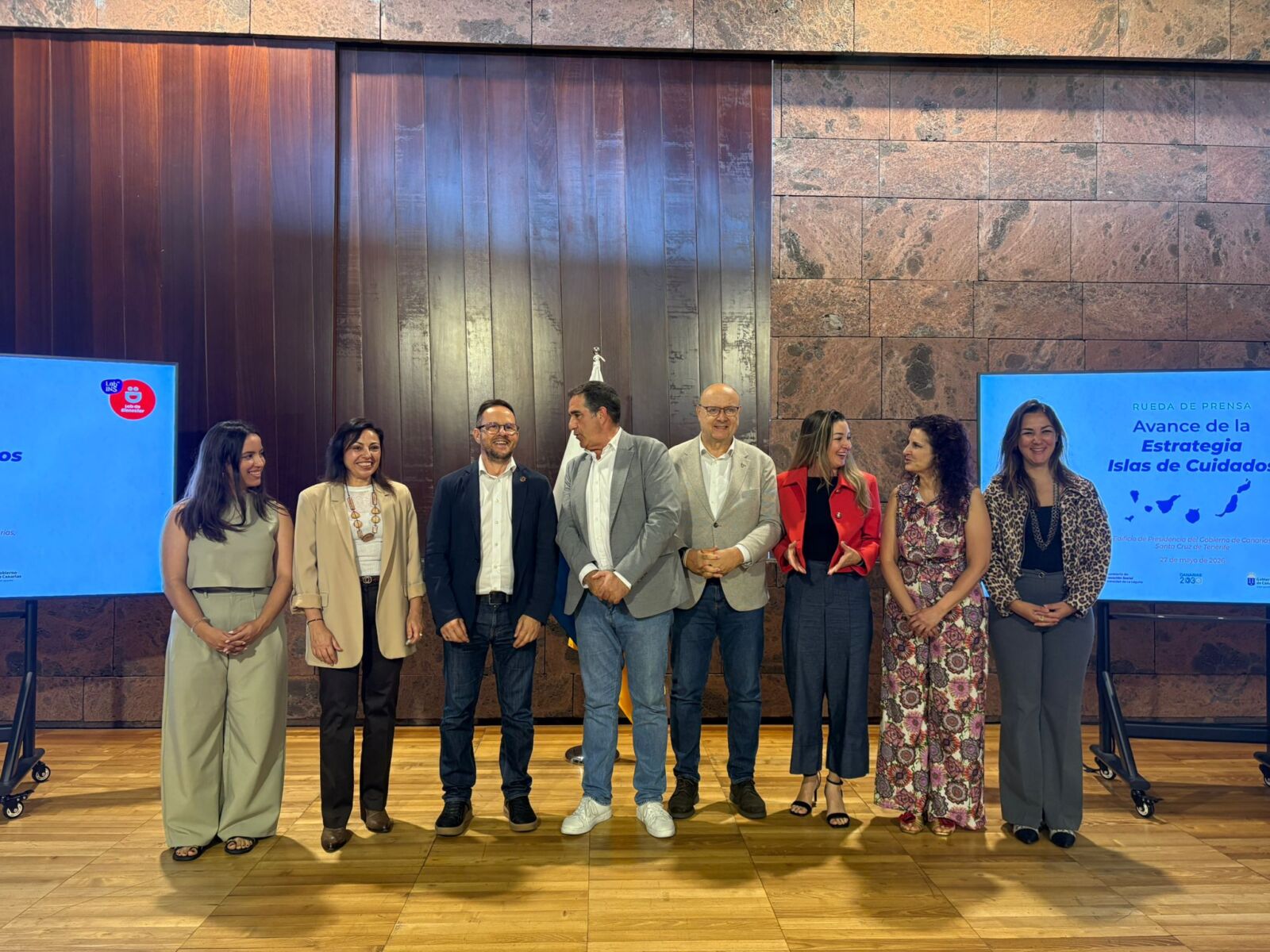
The Government of the Canary Islands and the Social Innovation Laboratory of the University of La Laguna (LabINS ULL) presented this Wednesday the Progress for an Intergenerational Wellbeing Strategy, a comprehensive planning instrument that seeks to articulate innovative responses to the demographic, social, labor, territorial and technological challenges of the archipelago and which constitutes the first step in designing the Islands of Care Strategy.
The aim of this document is to guarantee intergenerational equity, strengthen territorial cohesion, and promote a sustainable and inclusive welfare model adapted to the diversity of the Canary Islands' population. In this regard, the Deputy Minister of the President's Cabinet, Octavio Caraballo, emphasized that the Canary Islands, due to its structural, social, and even territorial conditions, requires specific actions aimed at fostering spaces that allow for the consolidation of a fairer and more cohesive society, thereby offering a higher quality of life for all citizens, especially the elderly.
In a context marked by a progressively aging population, cultural diversity, and insularity, a framework is needed that transcends traditional welfare approaches and addresses this plurality of circumstances, Caraballo pointed out. The Deputy Minister of Social Welfare, Francis Candil, also addressed this issue, noting that, faced with an increasingly aging society in which we will soon have more elderly people than young people, “profound changes are required, not only in the provision of services but also in the way we relate to one another.”.
Because, she said, progress isn't just about caring for the elderly, but about giving them the quality of life "they deserve and are entitled to." For the Canary Islands Government, she added, it's essential to promote intergenerational relationships, "so that we can take advantage of and share the best that older people have to offer, but also what young people have to offer." That's why, she maintained, it's necessary "to promote solutions that foster supportive communities where the benefits of well-being are for everyone, regardless of the generation they belong to.".
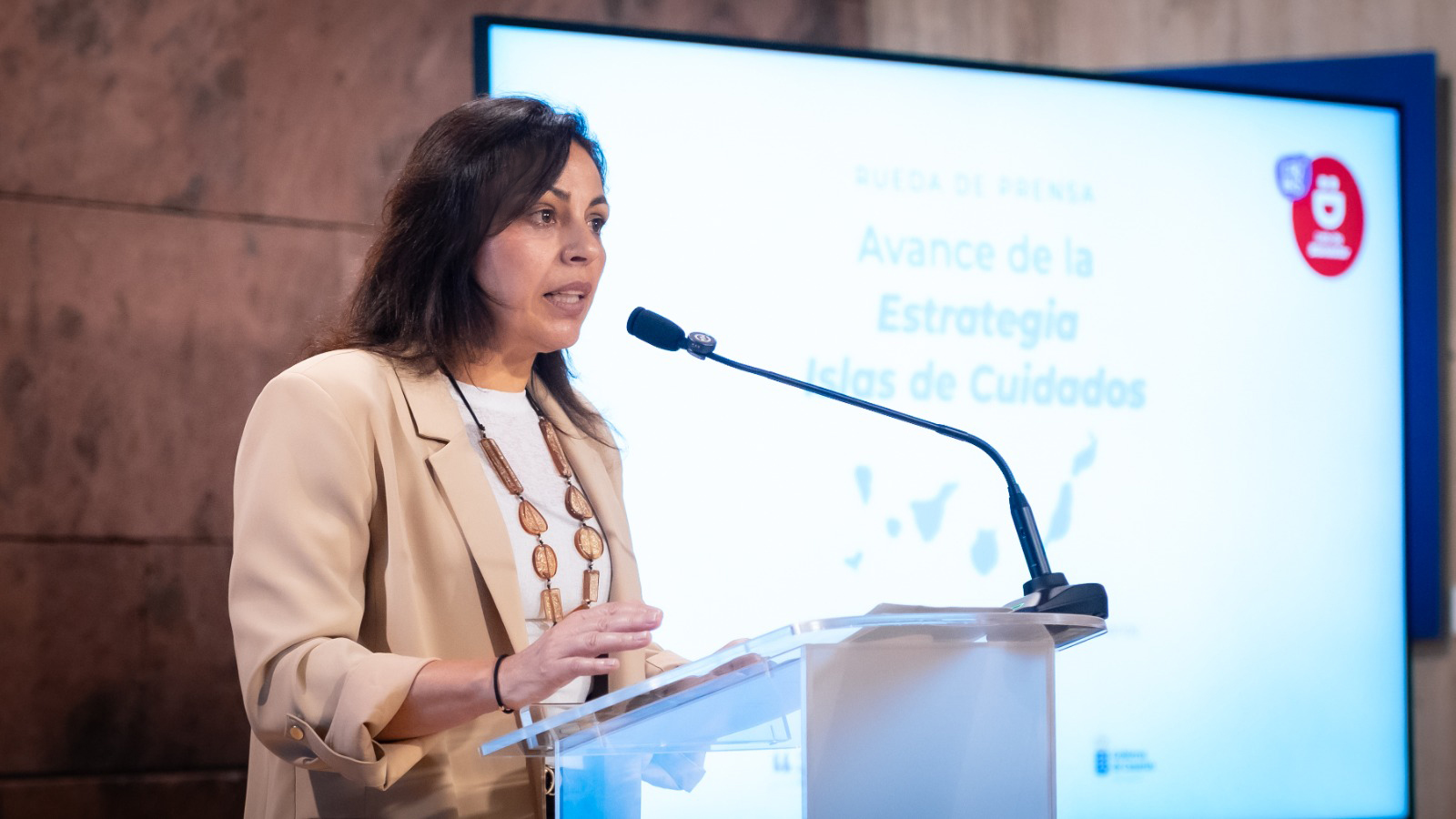
Mónica Dios, director of the Social Innovation Laboratory.
Also present at the session was Isabel León Pérez, Vice-Rector for Culture and University Extension at the University of La Laguna, whose department oversees the ULL's Program for Seniors. “At the University of La Laguna, we are committed to promoting active aging in all aspects of life, and especially in the realm of knowledge.”.
Challenges of aging
The Wellbeing Lab process, presented this Wednesday at the Government Headquarters, envisions this document as a comprehensive planning tool to guide the future Islands of Care Strategy. Its purpose, as stated in the LabINS ULL text, is “to pave the way, establish concepts, and offer an integrated perspective on the challenges of aging, without yet defining specific measures or implementation structures.”.
Regarding this, the director of LabINS ULL, Monica Dios RRodriguez, She pointed out that this is not a definitive strategy, but rather a preliminary roadmap that identifies the main problems, challenges, and lines of action emerging from the documentary analysis and the intergenerational and intersectoral collaborative work generated so far. She emphasized that the process is based on redefining the concept of aging through social innovation methodologies, which allows for rethinking care systems, models of citizen participation, and the design of public policies in terms of shared well-being.
The identified problems have been translated into challenges with the aim of generating actions to address them. In this sense, the twelve problems/challenges that emerged from the inquiry and collaborative work process have been organized into four thematic areas: Social and Cultural Area, Care and Wellbeing Models Area, Territories and Infrastructure Area, and Technology and Digitalization Area.
In this context, the Government of the Canary Islands and LabINS ULL propose to continue the development of the Islands of Care project through collaborative work with staff from the regional government. This initiative aims to foster collaboration between technical teams and government policymakers, provide methodological support for ongoing processes related to aging and the 2030 Agenda, and offer specialized training in public innovation for staff within the regional government.
The ultimate purpose of this proposal is to move towards the design and development of public policies guided by the ethics of care, recognizing the key role played by both technical and political staff in building this approach.

 Spanish
 English
 French