Around 260 million people worldwide suffer from asthma, a chronic inflammatory disease of the airways that causes hypersensitivity and obstruction, limiting airflow when exposed to various risk factors. These figures, provided by the World Health Organization (WHO) in 2019, also show that the prevalence of asthma—that is, the proportion of the population with the disease at a given time or period—reaches a global figure of 15.61% of the population with asthma.
World Asthma Day is celebrated every first Tuesday in May, an initiative of GINA (Global Initiative for AsthmaThis campaign aims to raise awareness of one of the most common chronic diseases in the world, responsible for more than 430,000 deaths annually. This condition can lead to asthma attacks (exacerbations) that can cause shortness of breath, dyspnea, chest tightness, and coughing, and which, without appropriate clinical and pharmacological treatment, can seriously compromise patients' health.
The Canary Islands archipelago is no exception to this reality. In fact, the prevalence of asthma in the Canary Islands is higher than in the rest of Spain and even higher than the European average. According to the Canary Islands Health Department, the islands have more than two million inhabitants, of whom an estimated 161,000 suffer from this disease, meaning around 320,000 Canary Islanders. While in other autonomous communities seasonal allergens such as pollen play a significant role in the development of allergic asthma, in the Canary Islands several factors converge that could explain its high prevalence, such as the genetics of the Canarian population, characterized by a mixture of European and North African ancestry, the house dust mite, and episodes of suspended dust from the Sahara, known as calima. Therefore, researchers at the University of La Laguna are studying the disease from different perspectives, at the genetic and epigenetic levels, to identify associated risk factors and understand why some patients suffer seizures and others do not.

María del Mar del Pino Yanes.
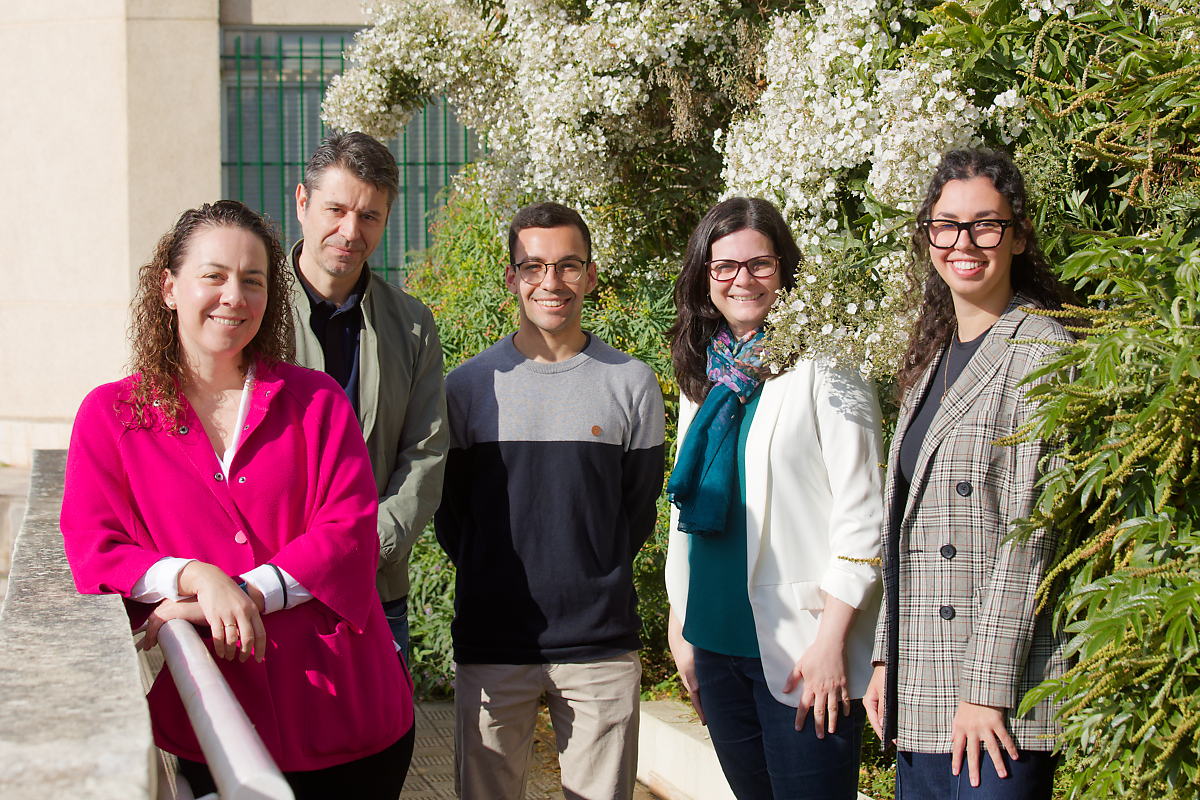
María del Mar del Pino Yanes, a tenured professor in the Genetics department at the University of La Laguna, is responsible for the Genomics and Health research group (GeSaludSince the creation of this group in 2017, asthma has been investigated by a multidisciplinary team, made up of experts in genetics, bioinformatics, pulmonology and allergology, who study the disease from genetic variation (genomics), DNA methylation (epigenetics), gene expression (transcriptomics) or the microbiome itself in asthmatic patients from the Canary Islands.
This multidisciplinary approach is due to the fact that the Canary Islands "in addition to having a different genetic makeup than the rest of Spain, have unique environmental characteristics due to exposure to calima (Saharan dust) and certain perennial mites," explains del Pino Yanes.
Asthma from the perspective of epigenetics and genetics
To understand this condition, it's important to note that it's a complex disease. When diagnosed in childhood, it presents with characteristics that can change during adolescence and adulthood. In some cases, the symptoms persist, while in others they may improve over time. Each case is influenced by genetic factors, but environmental exposure is key to understanding its development.
At GeSalud, Dr. del Pino Yanes investigates epigenetic modifications caused by environmental exposures in people with this disease. “There are certain individuals who are born with a very high predisposition to developing asthma, but if they are not exposed to certain environmental factors, it may not manifest itself,” explains the researcher.

Elena Martín González.
In this context, a study on DNA methylation is being carried out by Elena Martín González, Martín González, a predoctoral researcher at the University of La Laguna, explains, “DNA methylation is the addition of methyl groups to certain cytosines, usually adjacent to a guanine, silencing genes without changing the genetic sequence.“ Her thesis has identified specific epigenetic markers for asthma exacerbations, which will allow for a better understanding of the factors that trigger these attacks. Epigenetics, therefore, helps us understand the evolution of the disease based on the interaction of genetics and the environment. ”We found epigenetic marks associated with asthma attacks that have previously been linked to exposure to air pollutants or tobacco smoke and certain pregnancy conditions, even to mortality,” the researcher indicates.
In the Canary Islands, one of the most significant environmental risk factors is calima, episodes of suspended dust and sand particles that affect health and worsen the symptoms of people with asthma. Another environmental factor associated with the high prevalence of asthma in the Canary Islands is their island status. Experts have observed similarities with regions such as Great Britain, New Zealand, and Australia, where the high humidity favors the presence of perennial dust mites. During her postdoctoral stay at the University of California, San Francisco (UCSF), del Pino Yanes studied the Puerto Rican population with asthma and detected similar characteristics. "It is the population in the United States with the highest prevalence of the disease, due to the presence of environmental factors and the genetic mix of Native American, European, and African populations," the geneticist emphasizes.
In addition to the epigenetic component, the genetic basis of this disease is fundamental. In fact, asthma shows a strong genetic component, with a heritability of up to 95%

Itahisa Marcelino Rodríguez.
The high rate of childhood asthma in the Canary Islands, exceeding 15%, is better understood through the study of genetics. Itahisa Marcelino Rodríguez, epidemiologist and contracted professor in the area of Preventive Medicine and Public Health at the University of La Laguna, participated in a study focused on analyzing the ancestral genetic component of the Canary Islands population. “The research arose after observing the existence of a genetic predisposition associated with the high prevalence of childhood asthma,” he points out.
The Canary Islands population has the highest percentage of African ancestry in Europe, due to its origins in aboriginal populations from North Africa. “The analysis showed that there were variants related to allergies, infections, and inflammation of the pulmonary epithelium, which were more prevalent in African ancestry,” says the epidemiologist.
According to del Pino Yanes, individuals in the Canary Islands population have an average of 17% in their genome with a North African component. “In many populations with genetic mixing, the portion that is retained from the original population is often linked to the functioning of the immune system,” the geneticist points out. This could partly explain the higher prevalence of the disease.
Factors such as the microbiome and biological sex

Luis Fabián Lorenzo Díaz.
One of the new lines of research of the GeSalud group focuses on the study of the microbiome, that is, the communities of microorganisms that naturally inhabit different parts of our body. Luis Fabián Lorenzo Díaz, Professor [Name], a senior lecturer in the Genetics department at the University of La Laguna, analyzes biological samples from the upper airways collected using nasal swabs, thanks to the voluntary collaboration of both patients with asthma, some of whom have suffered recent exacerbations, and individuals who do not suffer from this condition.
The results show that asthmatic patients with exacerbations have a less diverse microbiota, meaning fewer bacterial genera in the respiratory tract. “For example, the genus Bifidobacterium It is more abundant in patients without exacerbations. These bacteria are known for their probiotic properties and involvement in the maturation of our immune system,” explains the biologist. “We hope that our results can be applied to clinical practice in the future, integrating the microbiome into diagnostic or prognostic protocols for asthma, or even as a therapeutic target for this disease, in a more personalized way,” emphasizes Lorenzo Díaz.
Another line of research being developed is the study of the disease stratified by biological sex. Recent research worldwide is moving towards this differentiation, given the higher prevalence observed in male children from birth until puberty. However, this trend reverses, and from adolescence onwards, females have a higher prevalence. “This is understandable because the immune system differs depending on biological sex. In males, during childhood, the response to pathogens is more immediate, compared to females, whose response is more long-term. Furthermore, there are anatomical differences in the lungs between the sexes,” argues del Pino Yanes.
At GeSalud, Mario Martín Almeida, Martín Almeida, a predoctoral researcher, is studying epigenetic markers related to asthma, differentiating the samples by sex. “The goal is to observe how environmental factors can modify these markers in DNA and whether that response differs according to sex,” explains Martín Almeida.
Most asthma studies do not stratify by sex, which can lead to overlooking relevant differences between men and women. However, a sexual dimorphism exists that should be studied. “It is known that asthma mortality is higher in women than in men, and there are risk factors such as pregnancy or menopause that can alter the prevalence of asthma,” explains del Pino Yanes. Research like that of Martín Almeida is pioneering at the national level for making this distinction at the epigenetic level.

Mario Martín Almeida.
The weight of social inequalities
“Access to anti-inflammatory inhalers for all people with asthma: still an urgent need” is the slogan created this year by GINA. It focuses on a critical issue: equitable access to effective inhaled treatments. The lack of availability or the high cost of these medications contributes to more than 80% of asthma-related deaths occurring in these contexts.
Although in Spain public health covers almost all the costs of this disease, such as its drugs or medical treatment (diagnosis, specific consultations, tests and emergencies), the reality is that asthma also involves other socio-economic costs.
Marcelino Rodríguez is currently working on a study that links various diseases to the social context of patients and their survival rates based on their socioeconomic status. “It’s not the same for someone who works in an office, with clean air, as it is for someone who works in construction, inhaling dust and other pollutants,“ the epidemiologist points out. “Depending on the job, if you’re having an asthma attack, you might not be able to leave work to go to the emergency room, and this could worsen the condition,” concludes the researcher from the Department of Preventive Medicine and Public Health.
This condition not only affects the person who suffers from it, but also those around them. “If we talk about children, this disease affects the quality of life of their parents. We're talking about socioeconomic consequences in terms of work performance and school performance. Many times they can't play sports or even attend school,” explains Martín González.
Currently, challenges remain in the study of this disease. One of them is advancing research with a sex-based approach. “Sexual dimorphism has been largely ignored in asthma studies, but the future of asthma research depends on observing what differences we find according to sex, in order to improve the specificity of treatments,” says del Pino Yanes.
Personalized medicine, therefore, presents itself as a promising avenue. “Drugs don't affect everyone equally due to genetic variability,” observes Marcelino Rodríguez. Currently in Spain, drug selection is done by trial and error, which can lead to complications during the process.
Because it is a complex disease, many patients do not respond to these treatments. “Our studies are looking for biomarkers that, in the long run, can help find a treatment that allows us to control the symptoms of the disease,“ argues Martín Almeida. Currently, there is still a proportion of severe asthmatics who do not respond to any medication. “We are developing a line of research to address what is failing in these individuals who do not respond to any treatment,” says del Pino Yanes. GeSalud collaborates closely with patients and non-asthmatic individuals in Canary Island hospitals, and they, along with the doctors in the allergy and pulmonology departments, express their gratitude for their willingness to collaborate on all the projects they develop.
The ultimate goal is to improve the quality of life of patients and their families, through a better understanding of the disease, more accurate prediction of exacerbations and more personalized treatments. The Canary Islands, as the most affected autonomous community, becomes a key setting to advance the knowledge of this complex pathology.
NOTE: This report is an initiative framed within the InvestigaULL Commemorations Calendar, a scientific dissemination project promoted by the University of La Laguna.
Scientific Culture and Innovation Unit (Cienci@ULL)

 Spanish
 English
 French