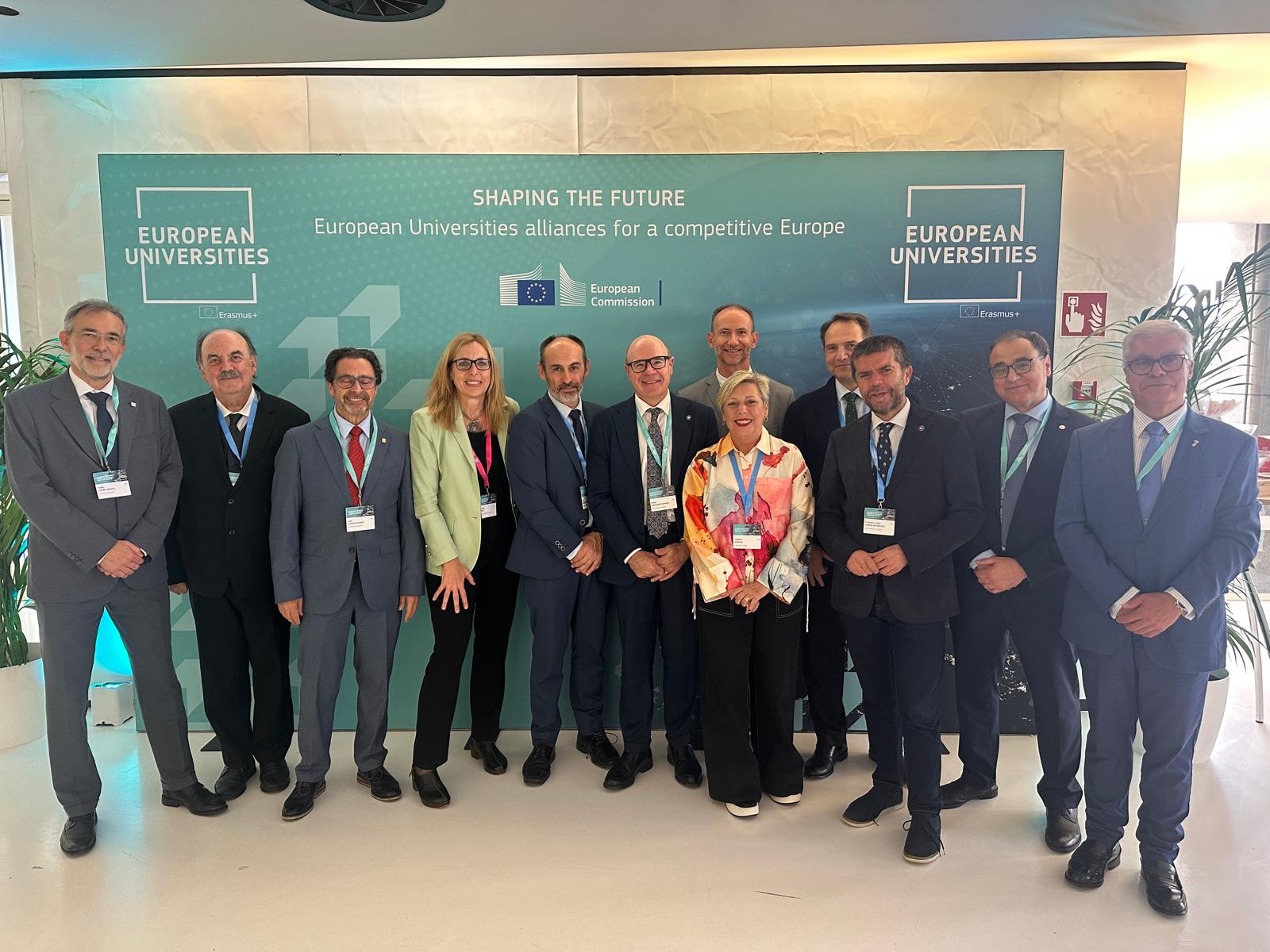
The University of La Laguna is participating this week in Brussels in the meeting of rectors and presidents of the universities that are part of the European university alliancess, promoted by the European Commission. At this meeting, the academic institution was represented by its rector, Francisco García, within the framework of STARS EU, the alliance of which it is a part along with eight other universities on the continent.
During the event, representatives from the European Commission and those responsible for the European Universities program outlined the future prospects of an initiative that aims to strengthen collaboration between higher education institutions and move towards a more integrated European university area. This program is implemented primarily through Erasmus+ funding and encompasses 65 European university alliances with more than 570 higher education institutions of various types across Europe.
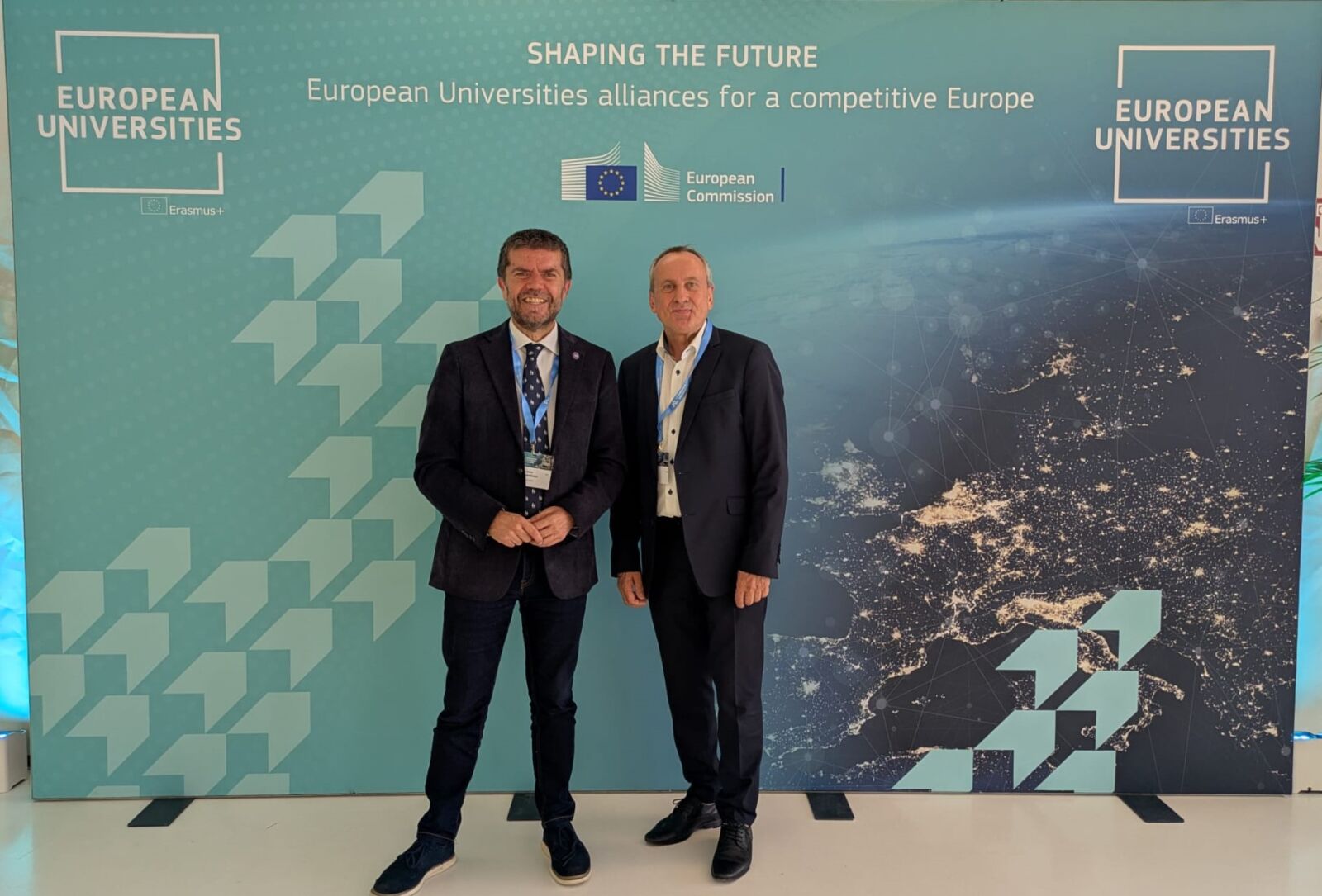
The rectors of the universities of La Laguna, Francisco García (left) and of Applied Sciences of Bremen (right), Konrad Joseph Wolf.
The rector of the University of La Laguna (ULL) pointed out that European alliances represent a commitment to the future for universities across the continent, which work in networks and develop joint campuses. He also highlighted the challenges these initiatives face, such as the need to evolve from a project-based approach to a permanent collaborative framework between institutions.
In this context, one of the issues addressed was the stability of funding for these alliances. A renegotiation process for the funds is currently underway for the next period, a matter that participants consider key to ensuring the continuity and consolidation of these initiatives.
Also, during the meeting, the advisability of expanding the scope of alliances beyond the educational field to more decisively incorporate other areas of university activity, such as research, innovation and knowledge transfer, was discussed, thus reinforcing the set of missions carried out by public universities.
For the University of La Laguna, participation in STARS EU is a strategic tool to reinforce its commitment to regional development, one of the central pillars of this European alliance. The member universities share a commitment to close ties with their local communities and work together to generate innovative solutions to the social, economic, and environmental challenges facing their regions.
The rector described the day as “interesting” and “fruitful” for strengthening the commitment of the participating universities and analyzing the future prospects of European alliances. In this regard, he emphasized that this initiative contributes to reinforcing the Erasmus+ program, which he attributed with a fundamental role in shaping modern Europe, not only from an economic perspective, but also from that of shared values.

 Spanish
 English
 French