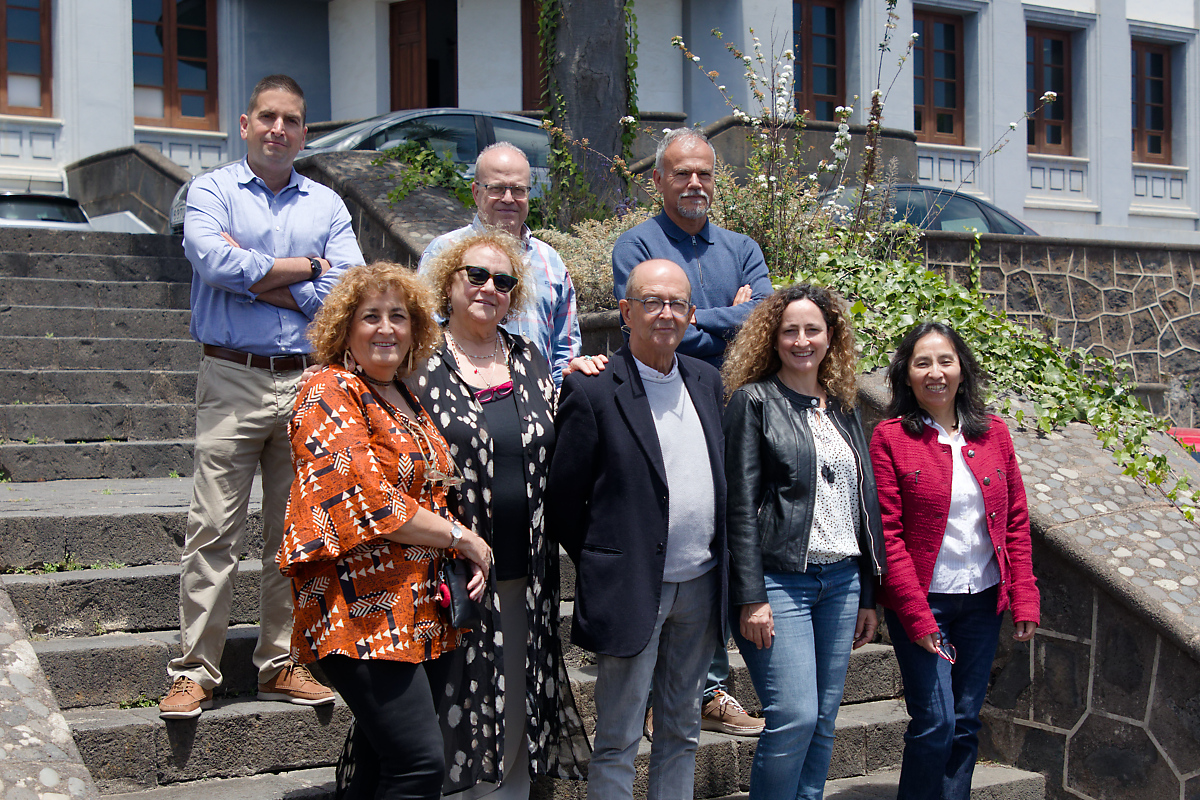
During the African independence process, the continent promoted various initiatives aimed at strengthening the unity of African peoples and expressing their rejection of the colonial rule that had marked their history for centuries. On May 25, 1963, the leaders of 32 independent African states met in Addis Ababa to found the Organization of African Unity. That historic meeting marked a decisive step toward the political organization of the continent and gave rise to the commemoration of Africa Day.
The University of La Laguna has maintained a close academic, scientific, and institutional relationship with this continent for decades, especially with the countries of West Africa and the Macaronesian region. This connection is fostered through research, training, innovation, and knowledge transfer initiatives, many of which are aimed at addressing shared challenges between the two regions.
For Victor Martin, tenured professor in the area of Regional Geographic Analysis and director of Center for African Studies According to the University of La Laguna, strengthening collaboration with the African continent in areas such as research, cooperation, and teaching is fundamental. In their opinion, the institution can play a strategic role as a bridge between the European political context and African realities, as well as contribute to strengthening relations with universities and research centers on the continent.
“When people talk about Africa, many clichés prevail, but it’s not always possible to delve into the underlying issues,” says Martín, who emphasizes the eminently interdisciplinary nature of African studies. “When you talk about migration, for example, you have to consider not only economic factors, but also territorial, sociological, cultural, and religious ones,” he explains. In this sense, the Center for African Studies aims to establish itself as a leading center for the multifaceted analysis of African realities and for academic exchange with specialists from the very territories being studied. “Having access to people trained to address complex issues concerning contemporary Africa from different perspectives and disciplines is a valuable asset that many institutions lack, and one that we must cultivate,” Martín concludes.
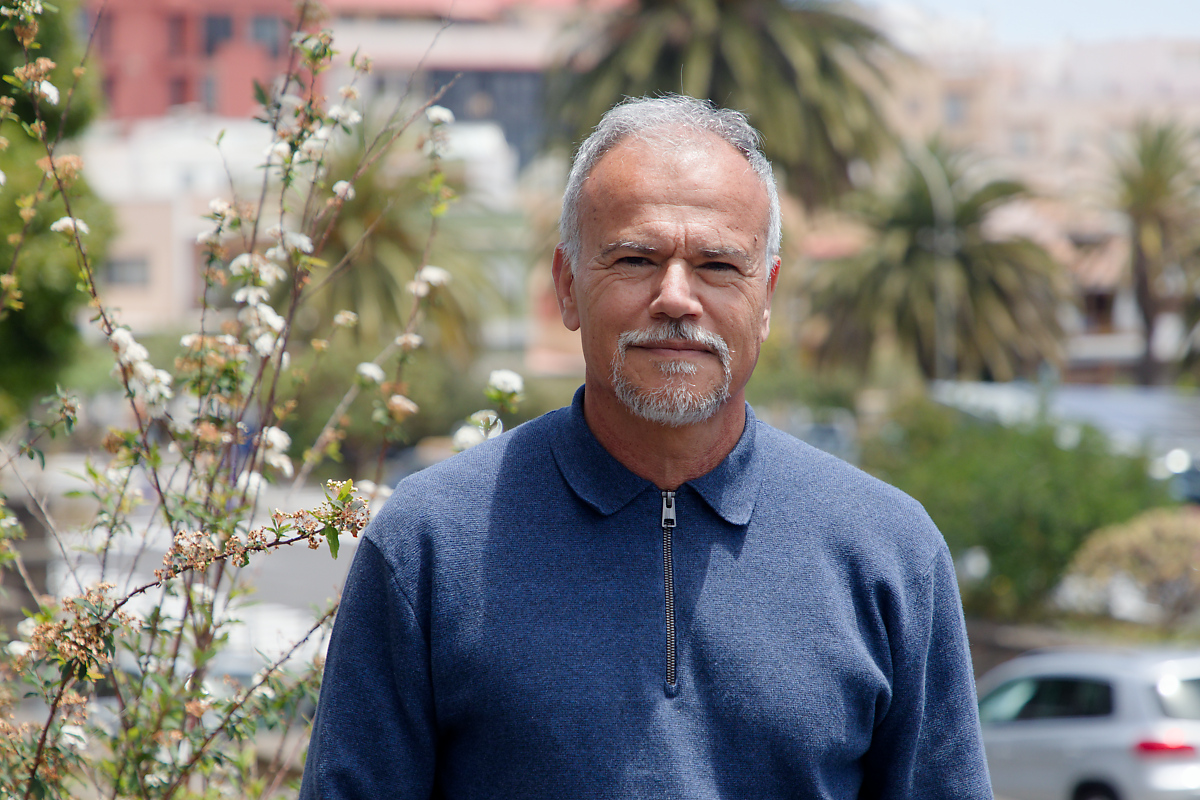
Victor Martin.
Political independence, economic dependence
One of the phenomena that specialists consider key to understanding the social and economic reality of numerous African countries is the so-called land grabbing or land grabbing. This issue is part of one of Víctor Martín's main lines of research, focused on the study of agrarian issues. The researcher warns that, since the beginning of the 21st century, there has been an attack on the structure of land ownership in Africa, where historically a significant portion of the territory has been communal and collectively managed by local communities. In this context, he points out that various legislative changes have favored processes of privatization of these communal lands, "dispossessing a significant portion of African peoples of the customary lands that local agrarian communities used for their subsistence.".
For Víctor Martín, land grabbing and the resulting loss of access to basic resources for subsistence are among the factors that most contribute to the migration of the African rural population, both to the continent's major cities and to Europe. Martín also argues that these agrarian transformations have hindered the path to effective independence for many former African colonies, since a significant portion of these land acquisition processes are driven by companies and investment funds from Western Europe, China, India, the United States, and Australia, thus perpetuating various forms of economic dependence on the African continent.
“We can say that these are politically independent countries, but not economically: the land is not only arable territory, but also contains an incredibly rich subsoil of minerals and guarantees access to water,” the researcher points out. In this sense, Martín believes that “Africa needs a new decolonization from these economic powers in order to truly be the master of its resources and its destiny.”.
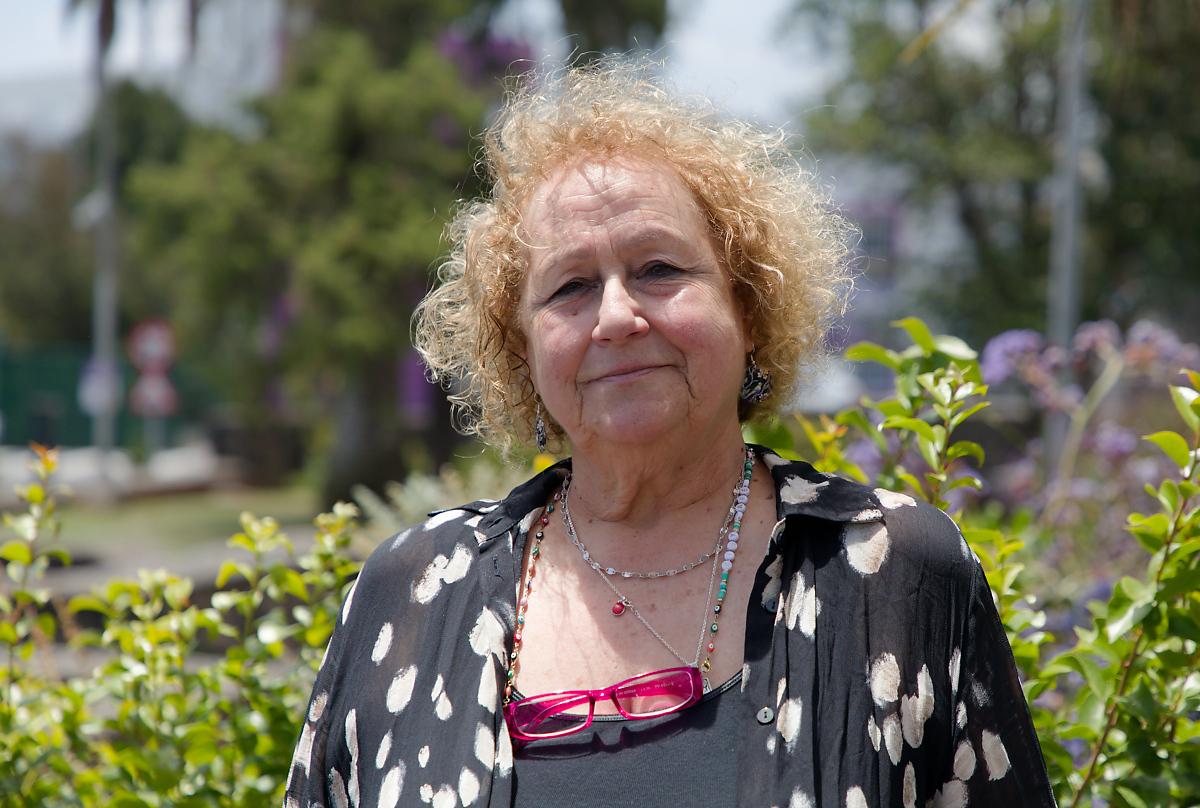
Violeta Jojo.
Narrating Africa in your own voice
From a literary perspective, the African context also demands attention based on its own realities and cultural frameworks, beyond Western analytical perspectives. According to the researcher in the field of English Philology Violeta Jojo Verge, “African literature is a very vibrant and current literature, with new theories and writers who narrate contemporary Africa from the continent itself or from the diaspora, but always maintaining its cultural and social references.” Jojo has developed her research career around the study of African women writers such as Buchi Emecheta and Ama Ata Aidoo, with an approach focused on making visible and analyzing the richness and complexity of African literature and the traditions in which it is inscribed.
According to the researcher, the work of these authors was particularly groundbreaking because they were among the first African women to be published internationally during the 1960s and 1970s. Their texts reflect a reality marked by political and social change following colonial independence, but also by disillusionment with new forms of control over the population, and especially over women. “Writers like Emecheta and Ata Aidoo challenged these impositions from their own conceptions of feminism, their relationship with family traditions, and the new cultural and aesthetic colonization through which the British establishment imposed norms regarding hairstyles and skin tones considered acceptable,” she explains.
Jojo also highlights that these authors explore the internal conflicts of their societies from perspectives far removed from hegemonic narratives, resorting to symbols, traditions, and vernacular references that allow for a better understanding of their cultural contexts. She also analyzes how they use formats such as short stories to address these issues and to represent diasporic experiences, linked to displacement, identity, and their performativity.
Another of Violeta Jojo Verge's most recent lines of research focuses on the gender of African Futurism, A current of science fiction linked to Africa takes the continent's traditions, beliefs, and challenges as a starting point for imagining narratives of the future. According to the researcher, as with African women authors of the 1960s and 1970s, these works require a deep understanding of vernacular contexts to be fully appreciated, since Eurocentric critical perspectives are often insufficient to grasp the complexity of their social and cultural representations.
“The authors base their characters” powers or aspirations on the beliefs, religions, ethnic identities, and ways of life of their communities,” explains Jojo, emphasizing that these narratives invite the reader to delve into these cultures to fully understand the stories they present. The researcher points to Nnedi Okorafor, Akwaeke Emezi, and Esi Edugyan as some of the representative figures of these new literary trends.
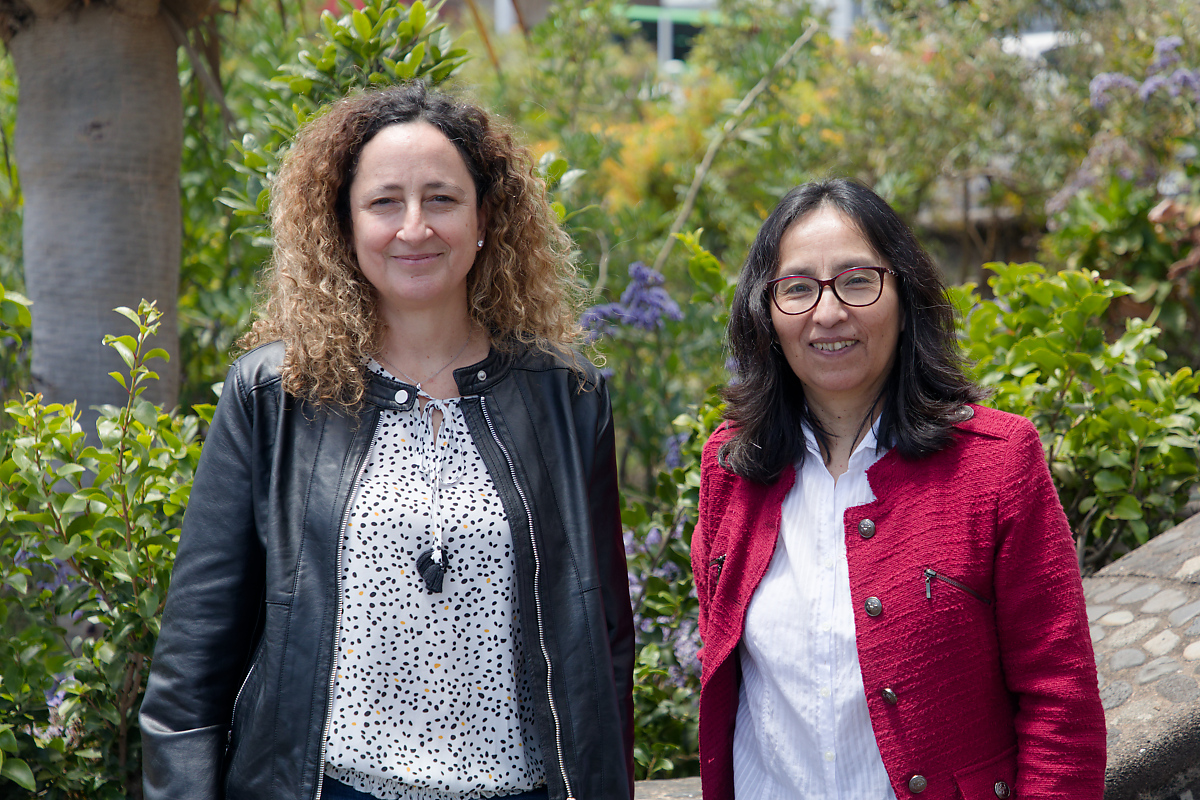
Pilar Foronda and María Antonieta Quispe.
European cooperation with Africa
The Interreg-MAC Programme is an international cooperation program approved by the European Commission in 2022 that promotes European territorial cooperation with the participation of third countries such as Cape Verde, Ivory Coast, Gambia, Ghana, Mauritania, Senegal, and São Tomé and Príncipe. The University of La Laguna participates in various research, innovation, and sustainable development projects, strengthening cooperation between Macaronesia and West Africa. Its strategic areas include health, sustainability, energy transition, and food security and sovereignty.
The Interreg-MAC project “Cooperation and research for the improvement of production, marketing and food safety of fishery and aquaculture products in the Macaronesian region and third countries (MAC-SANIFISH)” arises from a previous project called “Atlantic Network for the Sanitary Surveillance of Fishery and Aquaculture Products” (SCRAPE). Based on this experience, new countries have joined to form MAC-SANIFISH, which has partners from Ghana, Ivory Coast, Cape Verde, Senegal, Mauritania, Madeira, the Azores and the Canary Islands.
As it points out Pilar Foronda, Professor of Parasitology at the University of La Laguna and director of the project at the institution, explains that one of the lines of research focuses on the search for marine pathogens that may be spreading as a result of rising water temperatures. In addition, the project analyzes the presence of viruses and biotoxins such as ciguatera, a toxin that has expanded its geographic range, especially in large fish.
Foronda adds that the University of Las Palmas de Gran Canaria (ULPGC), which leads the project, is analyzing some viruses and ciguatera, while the University of La Laguna focuses its work on parasitology. “We are working on the search for parasites of interest to human health,” he states. “The most notable is anisakis, a parasite that, if infected raw fish is consumed, can cause gastrointestinal disorders, as well as severe allergic reactions in sensitive individuals, sometimes with a risk of anaphylactic shock,” he explains.
For Foronda and María Antonieta Quispe, Quispe, assistant professor in the Nutrition and Food Science department at the University of La Laguna and a participant in the project, says that working with African countries is very enriching, as it allows for the sharing of knowledge and the setting of new improvement goals between regions. “Sometimes significant improvements are achieved that, with inexpensive modifications, help advance in the quality of food safety and the products they market,” Quispe points out.
With Quispe joining the project, in addition to health monitoring and the study of infections in fish, the nutritional potential of these products is also being analyzed. Researchers from the Microbiology and Statistics departments of the University of La Laguna are also participating in the project. In Microbiology, José Manuel González It studies the presence of microorganisms by analyzing genes in fishery and aquaculture products. Meanwhile, from a statistical perspective, Roberto Dorta, analyzes the data obtained throughout the project.
The research team has conducted training sessions in the participating countries. “We recently traveled to Cape Verde to deliver the 'Course on Food Safety and Quality of Fishery Products: Methods and Tools for Analysis,' which was attended by professors, students, officials from the Ministry of Health, and representatives from regulatory bodies across the islands of the Cape Verde archipelago,‘ Quispe explains. Foronda also notes that this training exceeded the expected number of participants, both due to the relevance of the content and the growing interest in African countries.
Luis Antonio González.
Circular economy of textiles
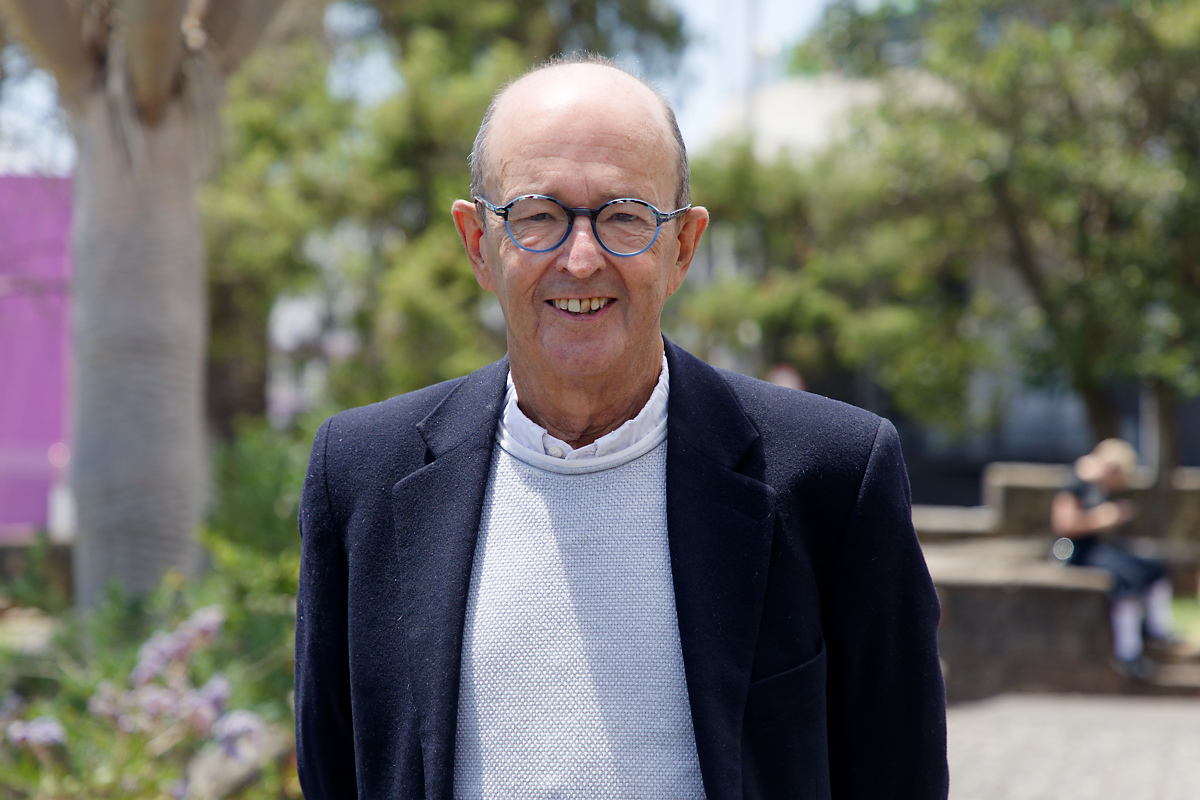
The textile industry generates millions of tons of waste each year, especially in island territories. In 2023, global production of textile fibers reached 124 million tons, according to [source missing]. Luis Antonio González, head of the Heterogeneous Catalysis research group at the University of La Laguna and leader of the Interreg-MAC project “Weaving a sustainable future: boosting the textile sector economy (TEXTILE)”.
This initiative brings together partners from the Canary Islands, Madeira, the Azores, Cape Verde, Ivory Coast, and São Tomé and Príncipe with the goal of improving the reuse and recycling of textiles. As González explains, this project arose from a very specific need: “What do we do with textile waste?”.
On islands, the problem is exacerbated by territorial fragmentation, which hinders the collection and cost-effective treatment of waste. “We have to factor in transportation, storage, and logistics costs, and that greatly complicates the situation,” he explains. In African countries, on the other hand, the limitations are primarily economic and structural, with textile recycling still in its infancy.
The project, led by the University of Las Palmas de Gran Canaria (ULPGC), is part of the European strategy for circularity in the textile sector and seeks to develop solutions adapted to regions where the industry is limited, but the impact of clothing imports is high. González explains that the main problem in the sector is not production, but the enormous amount of waste generated afterward, since a significant portion of the garments are never sold.
The work focuses on different forms of reuse and recycling, such as the separation of fibers in mixed fabrics like the polycotton to recover raw materials. The group of Heterogeneous Catalysis The University of La Laguna has been working for years on the valorization of waste within the circular economy, including agricultural, food, slaughterhouse waste and used oils.
In recent years, the group has focused its work on textile waste. Before proposing any technology, the team analyzes what waste exists, in what quantities it is generated, and what its real potential for recovery is. From there, the team works along three main lines: the management of large volumes of waste, biological technologies, and chemical recycling technologies, the latter being the focus of most of their current work. The goal is to separate the components of textiles to recover them as raw materials.
In the case of cotton, heat treatments with mineral oil are used for its recovery and cleaning. Polyester, on the other hand, is processed through glycolysis and catalysis to obtain reusable monomers, which can be reused in the manufacture of new materials.
Although this work is still being carried out at the laboratory level, the goal is to first transfer it to pilot plants and then to industry. In parallel, other project partners are developing mechanical technologies to shred fibers and manufacture products such as acoustic panels, carpets, and insulating materials.
One of the most notable advances is the development of automated systems for classifying used clothing, capable of identifying the composition of garments and automatically separating materials such as cotton for reuse.
The project also includes training and knowledge transfer activities among the participating regions. The team has participated in international events such as the Recycling Expo in Brussels and in visits to specialized centers. Furthermore, TEXTIL collaborates with social organizations involved in clothing reuse, such as Moda re-, where recycling is combined with job placement programs for people in vulnerable situations.
Covadonga Rodríguez.
From waste to value-added resource
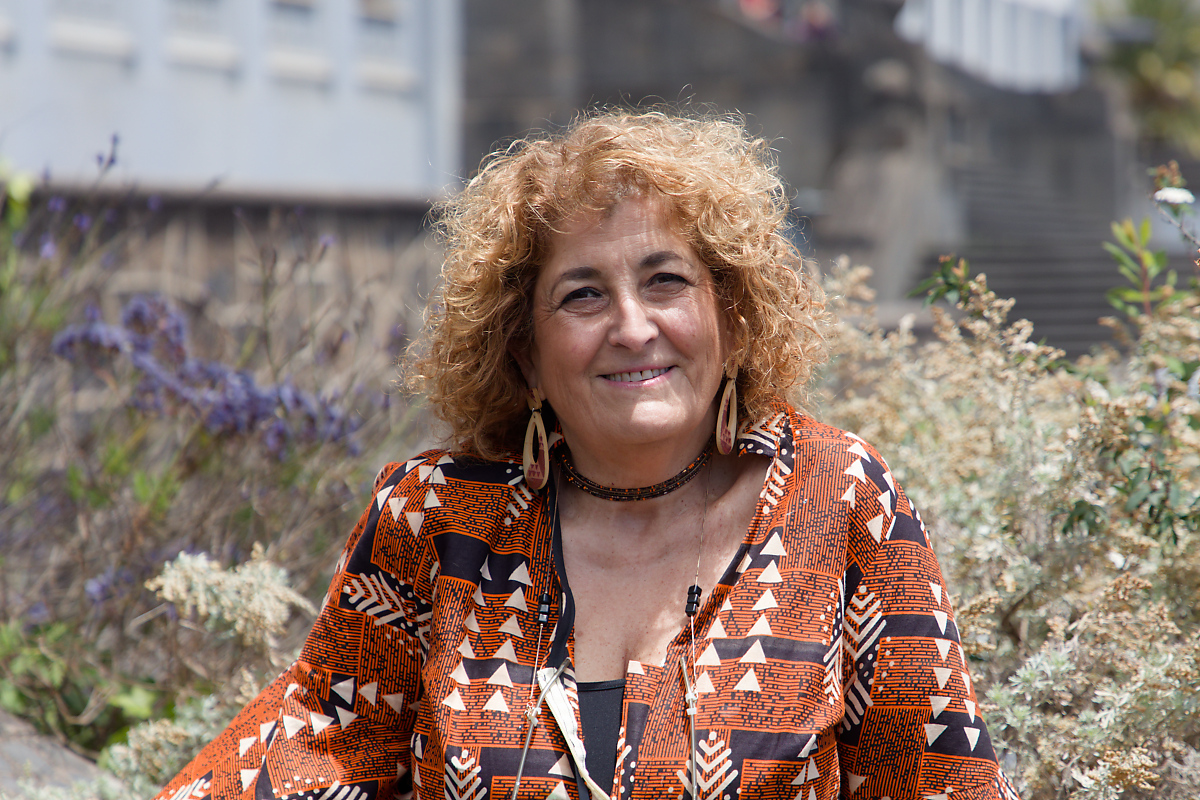
The professor Covadonga Rodríguez leads the participation of the University of La Laguna in the Interreg-MAC project coordinated by the Technological Institute of the Canary Islands (ITC) “Renewable biological natural resources as a source of extraction compounds to boost the industrial sector, science and technology, within a framework of circular economy and ecological sustainability (NATUR-EXT)”. The researcher, head of the research group “Physiology of Lipids and their Derivatives in Animal and Human Nutrition, NUTRAHLIPIDS”The central focus of this initiative is the circular economy, as it seeks to transform waste and byproducts from the land-based and aquaculture agri-food industries and generate new, high-value-added local resources. The project brings together 26 partners from the Canary Islands, Madeira, the Azores, Senegal, Ghana, and São Tomé and Príncipe.
The philosophy behind the project is to empower communities to transform environmental challenges into economic opportunities through the application of advanced research technologies. “Our goal is to help them assess these resources and provide them with the biological knowledge and basic tools necessary to implement their own research and development infrastructure,” explains Covadonga Rodríguez.
The initiative also aims to create technological platforms and infrastructure that facilitate the production, extraction, and marketing of new products, thereby promoting the direct transfer of scientific knowledge to society and the productive sector. Key areas of focus include the cultivation of microalgae of local interest and the utilization of goat whey, an acidic byproduct of cheese production, with potential applications in both animal feed and human consumption.
“The most interesting aspect of NATUR-EXT is its clear focus on the circular economy, as it seeks to transform waste whose management represents a cost for farmers, ranchers, and the agri-food industry in general into resources with added economic value,” Rodríguez points out. Along these lines, the project is also working on utilizing waste from banana plantations and microalgae cultivated by the consortium itself. The latter have high commercial value due to their content of carotenoids and other antioxidant pigments, and their richness in omega-3 fatty acids.
José Antonio Pérez.
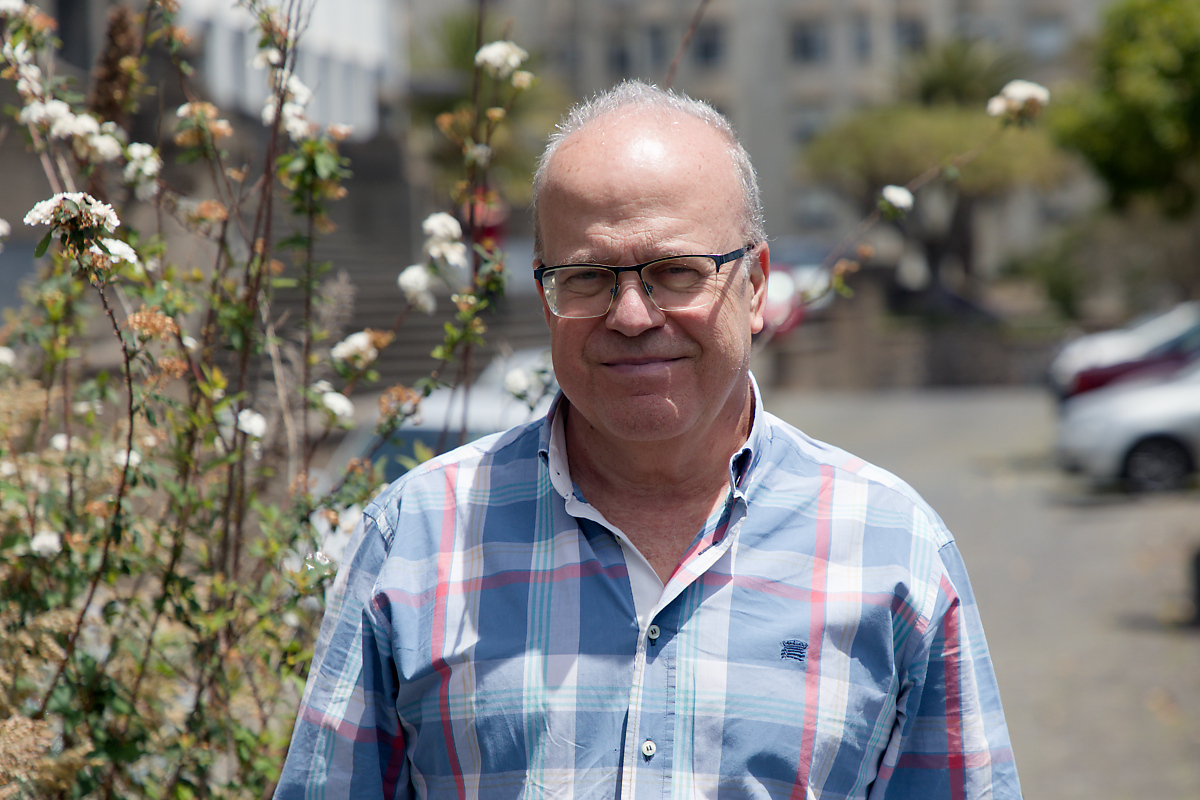
Within these lines of work in the Blue Economy, the researcher and also member of the NUTRAHLIPIDS group José Antonio Pérez Pérez the participation of the University of La Laguna in the project “Strengthening the connection between research, industry and society to promote sustainable, productive and resilient aquaculture (ACUICONECTAThe initiative promotes the development of advanced technological solutions to address the main challenges of the aquaculture sector. The project involves 25 partners from the Canary Islands, Madeira, the Azores, Cape Verde, Ghana, and São Tomé and Príncipe.
The research led by Pérez aims to promote aquaculture by evaluating products with potential applications in this sector. It also focuses on designing strategies to improve the sustainability of aquaculture processes, exploring the use of waste and byproducts as ingredients for animal feed, especially in the context of global climate change. This research also centers on modulating the lipid composition of farmed species to increase their nutritional value, particularly in long-chain omega-3 polyunsaturated fatty acids, as well as diversifying marketable aquaculture products and studying and biologically controlling parasites that affect farmed fish.
Both researchers agree on the value of establishing international collaboration strategies through programs like Interreg-MAC. “The distinctive feature of these projects is that we share knowledge and methodologies with regions that may not have our resources, but that do have the necessary potential to develop new lines of work,” says José Antonio Pérez.
Furthermore, Covadonga Rodríguez adds, the training programs carried out in Cape Verde and Ghana have allowed them to verify that “knowledge transfer occurs in both directions.” The researcher particularly highlights the entrepreneurial spirit and practical orientation they observed during these stays. “The Canary Islands occupy a strategic position with respect to Africa, and the greater the training and cooperation among all these interconnected territories, the greater the chances of finding common solutions to the challenges we share,” she concludes.
Innovation in desalination
The project “Increasing applied research, innovation and public-private knowledge transfer in the water industry sector by sharing resources (IDIWATER)” brings together universities from the Canary Islands and Africa, companies dedicated to the comprehensive management of water and public bodies such as the Technological Institute of the Canary Islands (ITC), with the aim of bringing research closer to the industrial fabric, improving the efficiency in desalination and promoting the transfer of knowledge.
Deivis Ávila.
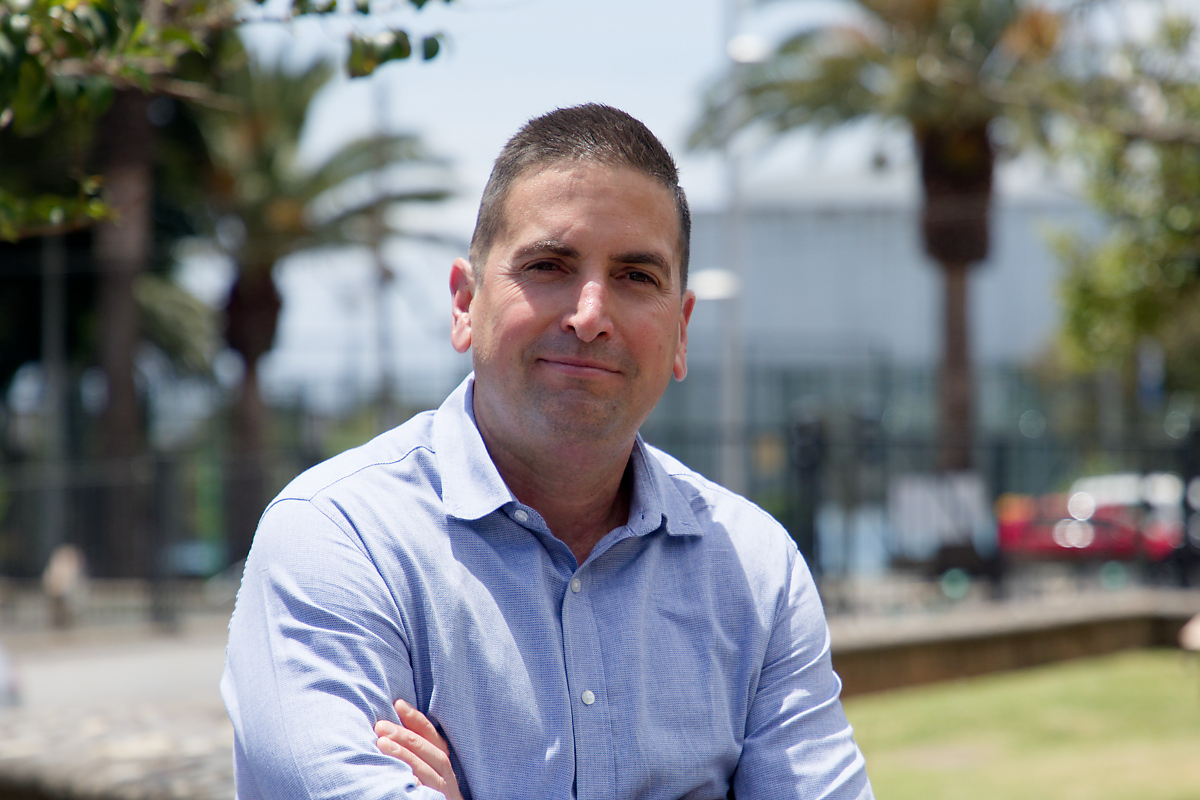
“Everything revolves around water and the efficiency of desalinated water production,” he explains. Deivis Ávila, Ávila, a tenured lecturer in the Manufacturing Processes Engineering department at the University of La Laguna and head of this project at the institution, emphasizes that desalination has been fundamental to the development of tourism and agriculture in the Canary Islands, especially on islands like Lanzarote and Fuerteventura, where a large part of the drinking water comes from desalination plants: “In Lanzarote, 991% of the water consumed is desalinated,” he states.
The project addresses energy optimization of the plants, the integration of renewable energies into the water cycle, industrial predictive maintenance, and the development of smart tools to reduce production costs. “What we are aiming for is to produce desalinated water at the lowest possible cost,” the researcher points out. Thus, one of the proposed projects focuses on an intelligent system capable of adapting water production to the times of day when electricity is cheaper, thereby improving the energy efficiency of the facilities.
Among the results, the development of a pilot desalination plant by the ITC stands out, with the lowest cost of water production per cubic meter internationally, an innovation that also obtained a Guinness World Record.
IDIWATER also works on predictive maintenance using intelligent tools that allow for anticipating failures and optimizing the performance of desalination plants, as well as on the circular economy, with special attention to the use of the brine generated in the desalination process, a by-product with a high salt content that is practically not used and on which its possible valorization is being investigated.
Another line of research focuses on the use of desalinated water in agriculture. At the La Laja farm (Buenavista del Norte), the behavior of different crops irrigated with desalinated and gallery water is being studied, as well as the effect of biotechnological products on the soil.
The project, which will participate in a international congress The conference on desalination and renewable energies, to be held in El Hierro from November 10 to 13, also includes training, mobility and knowledge exchange activities with African countries such as Cape Verde, Senegal and Mauritania, including stays for research staff and students, training courses in the Canary Islands and the installation of desalination plants for research and teaching in these territories.
In Pozo Izquierdo, where the platform is located Desal+ Living Lab, One of the project's pilot systems has been launched. This space allows companies and institutions to test technologies related to desalination and renewable energy under real-world conditions. "Any company can come with equipment and test it at the facilities," explains Ávila, emphasizing its role as a space for applied research and technology transfer.
(This report is an initiative framed within the InvestigaULL Commemorations Calendar, a scientific dissemination project promoted by the University of La Laguna).
Scientific Culture and Innovation Unit (Cienci@ULL)

 Spanish
 English
 French