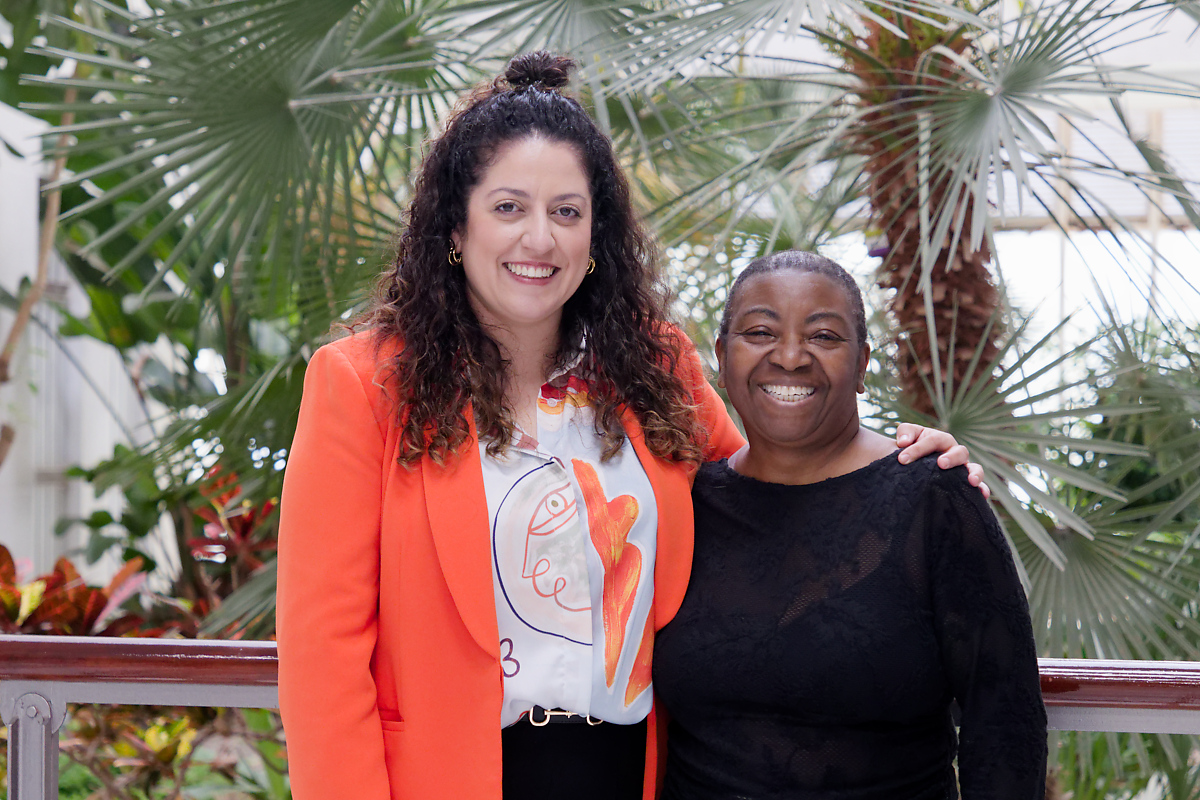
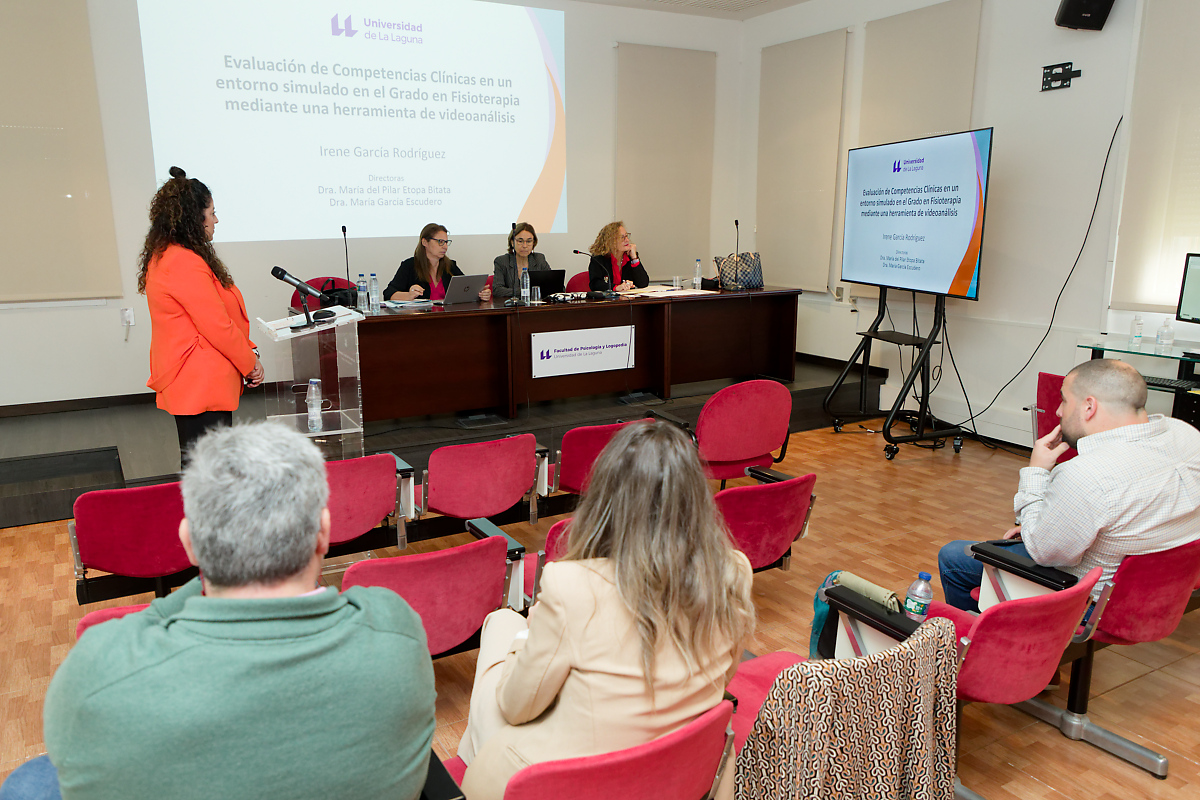
Clinical simulation and video analysis can become key tools for preparing future physiotherapists before they encounter real patients. That is one of the main conclusions of the doctoral thesis of Irene García Rodríguez, entitled “Evaluation of clinical skills in a simulated environment in the Degree in Physiotherapy using a video analysis tool”, recently defended at the Faculty of Psychology and Speech Therapy of the University of La Laguna.
The research, developed within the program of Doctorate in Education from the University of La Laguna, has been directed by María del Pilar Etopa Bitata, from the University of Las Palmas de Gran Canaria, and María García Escudero, from the Catholic University of Valencia. The evaluation panel was chaired by María Yolanda Castellote Caballero, from the University of Jaén, and also included Carmen Hernández Jorge, from the University of La Laguna, as secretary, and Leticia Morata Sampaio, from the University of Las Palmas de Gran Canaria, as a member. The work received the highest possible grade, summa cum laude, unanimously.
The study is based on a central idea: health sciences students need to face situations similar to those they will later encounter in clinical practice from the early stages of their training. In physiotherapy, one of the fundamental skills is the clinical interview, the dialogue with the patient that allows for gathering the necessary information to perform a correct assessment and establish the most appropriate treatment.
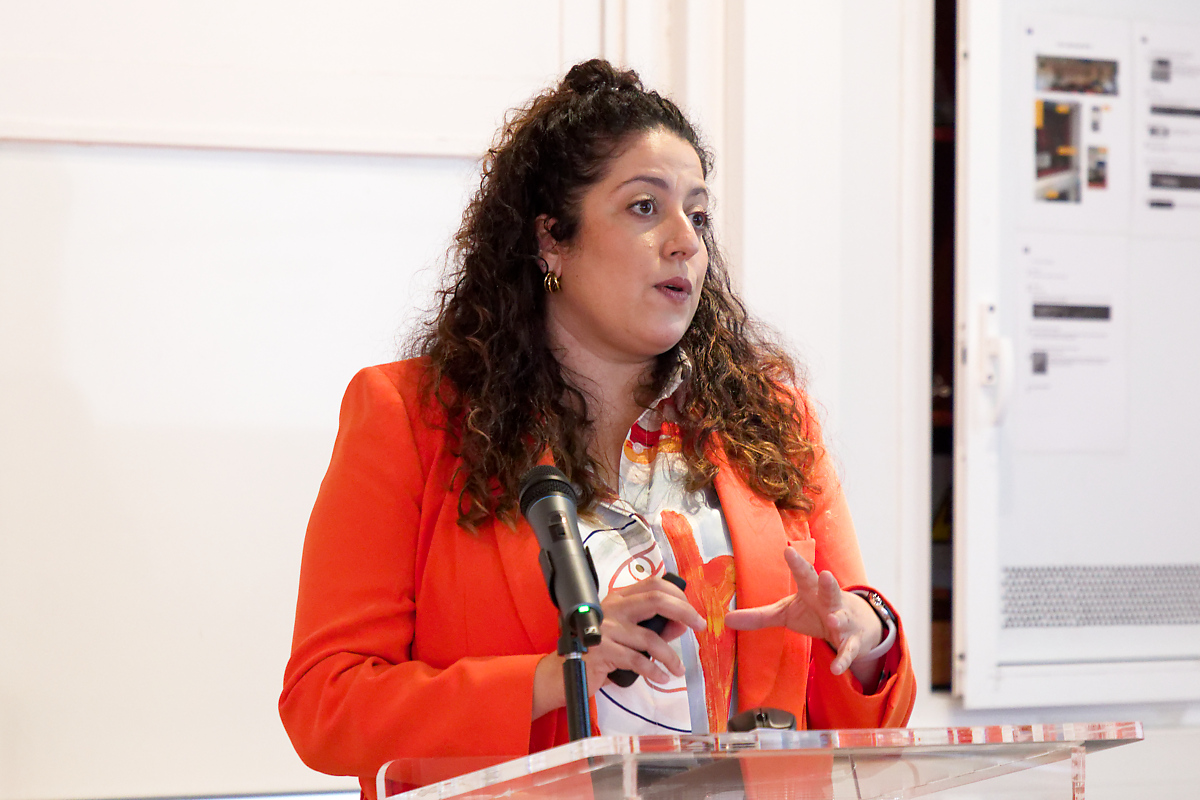 To achieve this, the author used clinical simulations with standardized patients and video analysis tools that allowed for the subsequent study of student performance and encouraged reflection on their own performance.
The results revealed difficulties related to clinical communication, such as maintaining eye contact, respecting the patient's pace, and structuring the interview appropriately. "Many students showed insecurity or constant doubts about whether they were doing it right or wrong," she explained during her presentation, while also advocating for the need to address managing this uncertainty in the classroom, as it will accompany healthcare professionals throughout their careers.
One of the most relevant elements was the so-called debriefing, A post-simulation reflection session allows students to analyze the experience and identify its strengths and areas for improvement. "The debriefing became the true protagonist of the research," he stated.
These sessions revealed fears and insecurities among the students. Some admitted to avoiding eye contact with patients because they felt embarrassed, or to being unable to recall everything that happened during a brief interview. For the physiotherapist, these situations highlight the importance of also addressing the emotional well-being and emotional management of the students.
The data obtained also reflected high levels of satisfaction among the participants and concluded that this type of experience fosters motivation and active involvement in learning. Furthermore, the study lays the groundwork for developing an Objective Structured Clinical Examination (OSCE) in physiotherapy, a model widely implemented in medicine but still underdeveloped in Spanish public universities.
 According to the author, these methodologies will play an increasingly important role in university teaching, although she insists that they must always be complemented by a solid theoretical foundation. “Society is changing, and physiotherapy is changing with it. The tools we need to teach must adapt to these changes,” she maintains.
The defense concluded with a reflection that summarized the spirit of the research. Echoing a phrase attributed to Benjamin Franklin, the physiotherapist recalled that “Tell me and I forget. Show me and I may remember. Involve me and I learn,” an idea that encapsulates a way of understanding healthcare training based on practice, reflection, and the active participation of students in their own learning.

 Spanish
 English
 French