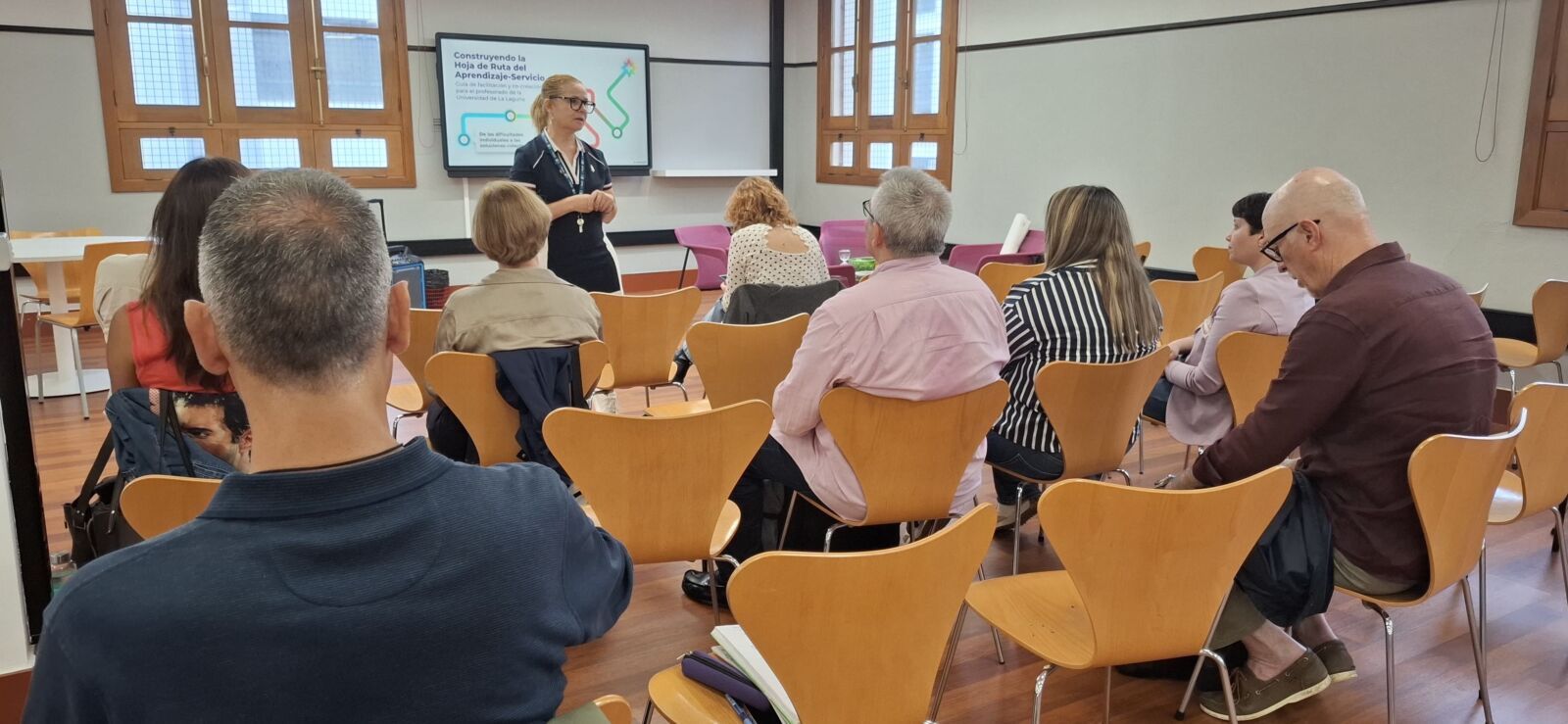
The program Service-Learning ULL–Cabildo de Tenerife This week, a meeting was held at the Equality Space of the Faculty of Education at the academic institution. The aim of the initiative was to share the various Service-Learning projects currently underway to further promote this educational methodology that combines learning processes with community service towards social transformation within the framework of the 2030 Agenda for Sustainable Development.
The starting point was July 2021, when the University of La Laguna (ULL) endorsed the Canary Islands Declaration on Service-Learning in Higher Education, due to its commitment to a shift in the conception of teaching: moving from the traditional teacher-centered model to one in which students are the protagonists of the teaching-learning process. This program supports teachers developing projects through training, visibility, advising, and financial or other support.
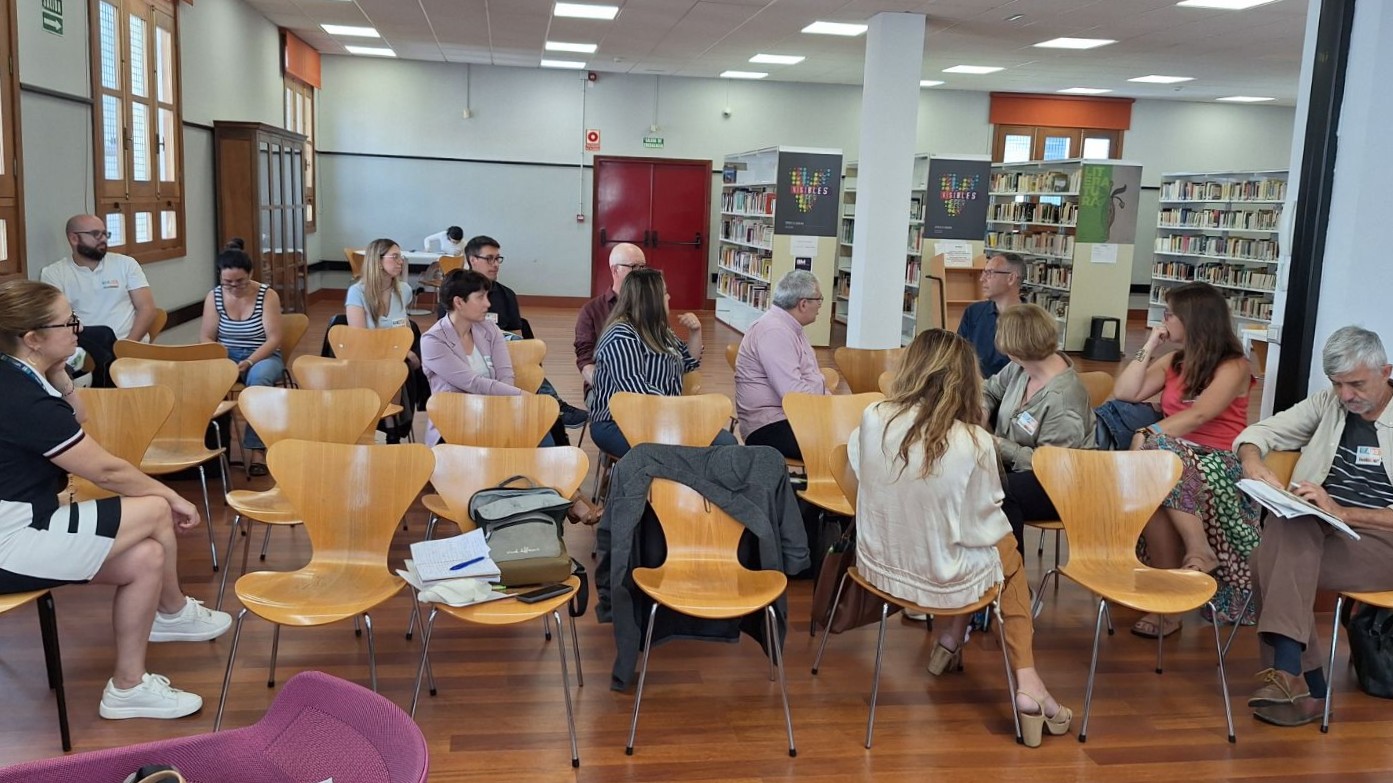 The initiative's director, Professor María Gabino, led the session with the support of Aura Padilla, Service-Learning Research Technician. Miriam González Afonso, Director of the Secretariat for Teacher Training and Innovation at the University of La Laguna (ULL), was also present. The event was attended by approximately twenty of the fifty participating faculty members involved in the program, which has 25 cataloged projects, constituting the first registry of Service-Learning initiatives in the Canary Islands university environment.
The event was attended by faculty, mostly from the University of La Laguna, covering a wide range of topics. Yaco Viso presented his project in which older people teach young people about the events of the Franco regime and the Dictatorship through oral history; Jenny García spoke about her initiative for students to create awareness campaigns with various associations; Yurena Lorenzo has developed a project to define tools and methods for reducing the digital divide; and Vladimir Núñez has worked on designing interdisciplinary actions for the protection of the rights of unaccompanied minors.
Furthermore, Luisa Vera has developed a citizen participation initiative on the implementation of water treatment plants in the hamlets of Anaga; Antonio Perdomo has worked on reducing food waste through the La Rebusca project; Itahisa Pérez has designed sustainability actions to reduce waste in urban areas, among others; and Vicente Zapata has developed an intercultural community intervention initiative in the San Matías neighborhood, in Taco.
Ana Isabel González also participates, through a project that aims to create a learning community through collaborative work; both Francisco Jiménez and Abraham García have developed a work plan that connects physical-sports activity with the socio-educational field and juvenile justice at the Valle Tabares Juvenile Detention Center; and, finally, Laura Rodríguez and José Manuel Díaz have developed intergenerational actions with the support of associations to accompany elderly people who suffer from unwanted loneliness in rural areas, among other issues addressed.
Search for solutions
Among the problems that teachers have identified in carrying out their Service-Learning projects, recurring issues include bureaucratic and administrative difficulties both within the ULL and in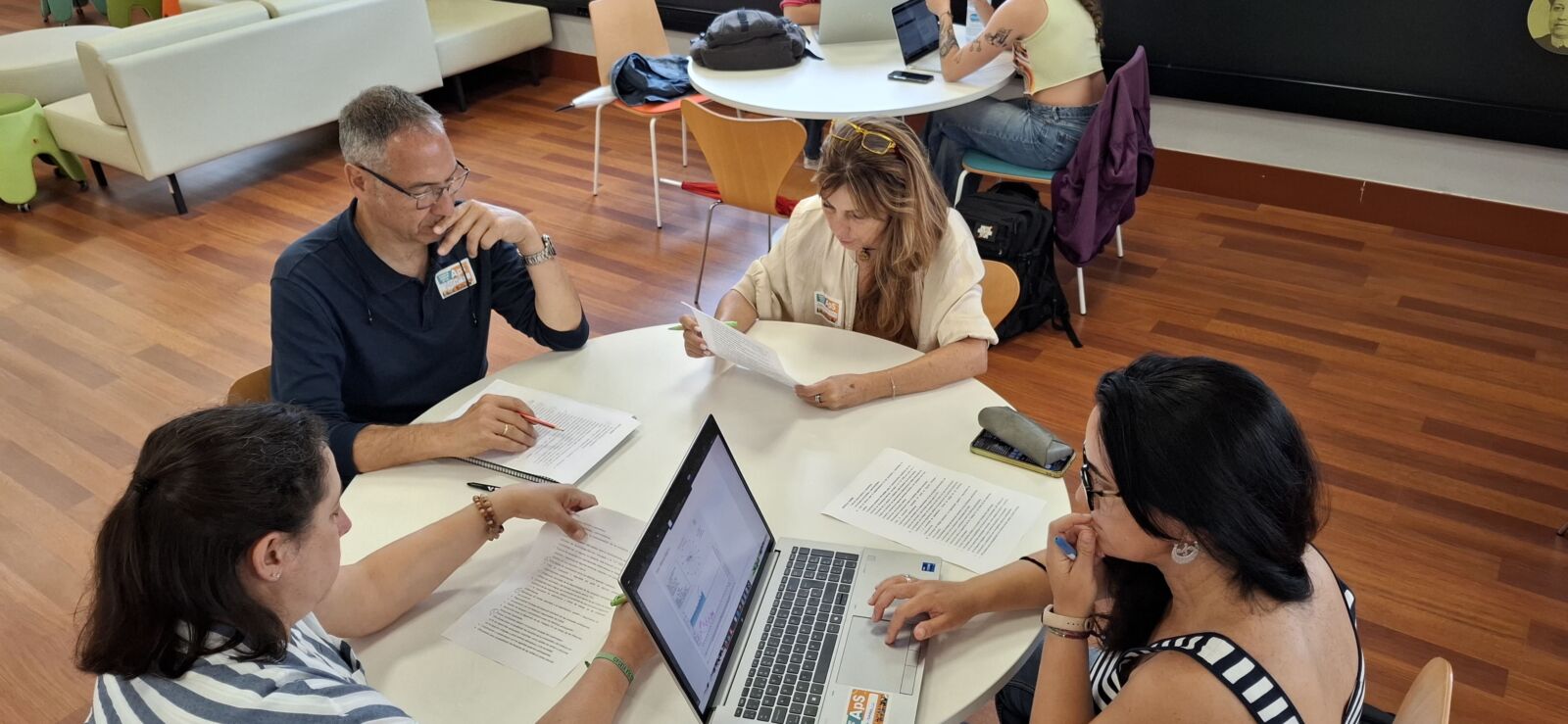 Public administrations; the lack of technical or economic support; the lack of time for the implementation of the projects, along with the time constraints of the participating entities and the students themselves; lack of involvement or response from some collaborating entities and organizations, in some cases even breaking agreements in an advanced stage of implementation; and the workload associated with the organization, management and monitoring of the projects for the teaching staff.
The participating teachers worked in different groups to decide what solutions could be implemented. These included having more time and a lighter workload to dedicate more effort to project development, as well as securing financial support to ensure their continuity.
It is also proposed to receive training and information on institutional and administrative procedures related to Service-Learning; to decouple certain projects from particularly limiting academic formats, such as Final Degree Projects, or even to be able to develop them within a framework with a longer duration; and to establish stronger prior commitments from collaborating entities and organizations and to develop Service-Learning guides and materials aimed at these entities.
Among the possible improvements related to management, it is proposed to improve the planning and coordination of schedules between all parties involved from the initial phases of the project; and to have support staff for management, coordination, support and evaluation tasks of the initiatives.
Finally, to ensure the continuity of the program, efforts will be made to strengthen student training and awareness of this methodology, formally recognizing their participation; to facilitate institutional certification of services performed through documents endorsed by the competent university bodies; and to incorporate and strengthen Service-Learning into the evaluation and accreditation systems for faculty under conditions comparable to other teaching innovation and research activities.

 Spanish
 English
 French