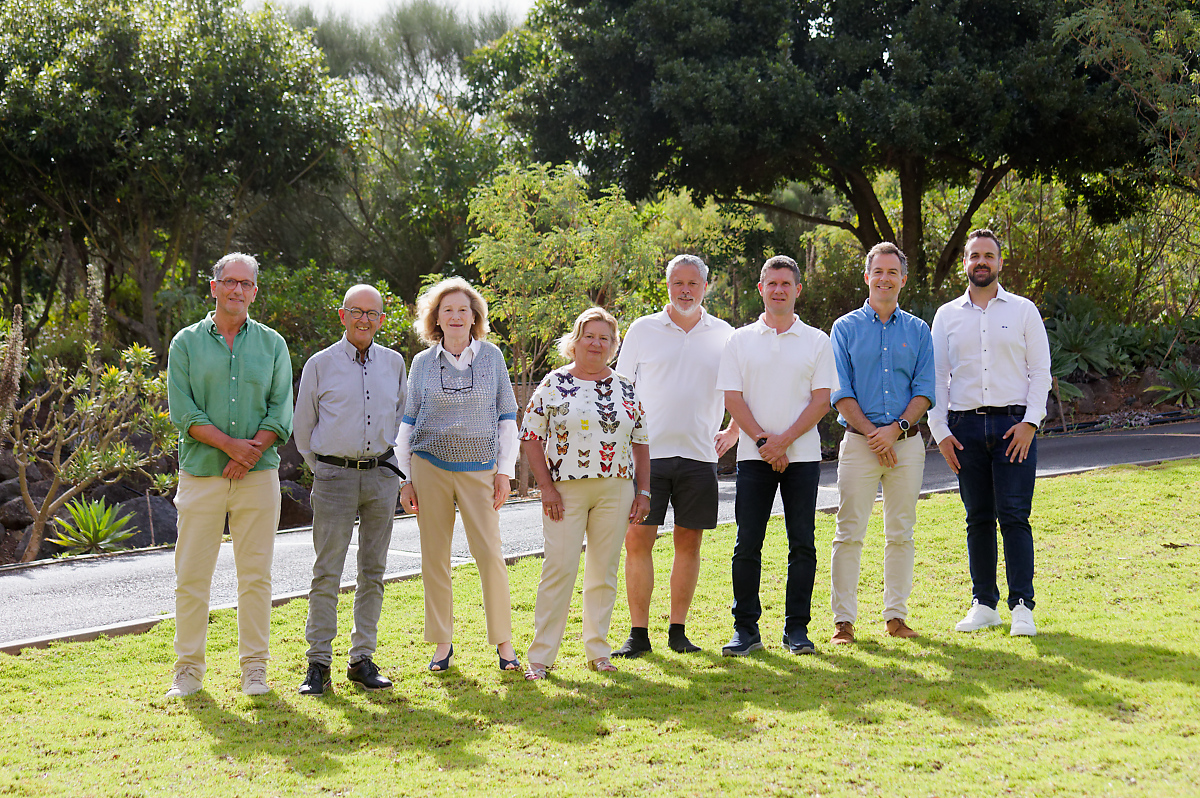
From the production of renewable fuels to the prevention of forest fires using artificial intelligence, including the valorization of marine waste or the promotion of impact entrepreneurship, the University of La Laguna is participating in eight projects approved in the third call for proposals. Interreg MAC Program 2021-2027, This is a European Union territorial cooperation initiative that promotes shared solutions between Macaronesia and West Africa. The institution's participation has been made possible through the joint work of the Vice-Rectorates for Internationalization and Research, via the Knowledge Transfer Office.
The University of La Laguna is leading the project “Development of circular circuits for blue biowaste (BLUELOOP),” which seeks to identify ways to add value to the organic byproducts generated in the blue economy. Sectors linked to this area include commercial and recreational ports, which generate numerous biowaste products from industries located within these facilities as well as from cruise ships; aquaculture and fishing, with waste such as fish viscera and bones generated, for example, in fishermen's guilds or filleting facilities; and microalgae and seaweed wrack, whose accumulation poses a significant management challenge.
The project works with these three waste sources to analyze them and identify new ways to valorize them, contributing to reducing their environmental impact and generating sustainable economic activity. One of BLUELOOP's main lines of work is the production of biogas and biomethane through biodigestion processes, renewable fuels that could be used both in port operations and in various industrial processes.
“In the case of ports, we are focusing on studying the possibility of supplying biomethane to ships so they can refuel there, while in industry, biogas would serve for self-consumption of thermal or electrical energy,” he explains. Juan Luis Ramos, assistant professor of the Department of Agricultural and Natural Environment Engineering, belonging to the research group Biodigestion and Valorization of Agri-food Waste (BIVAREA) and responsible for the BLUELOOP project.
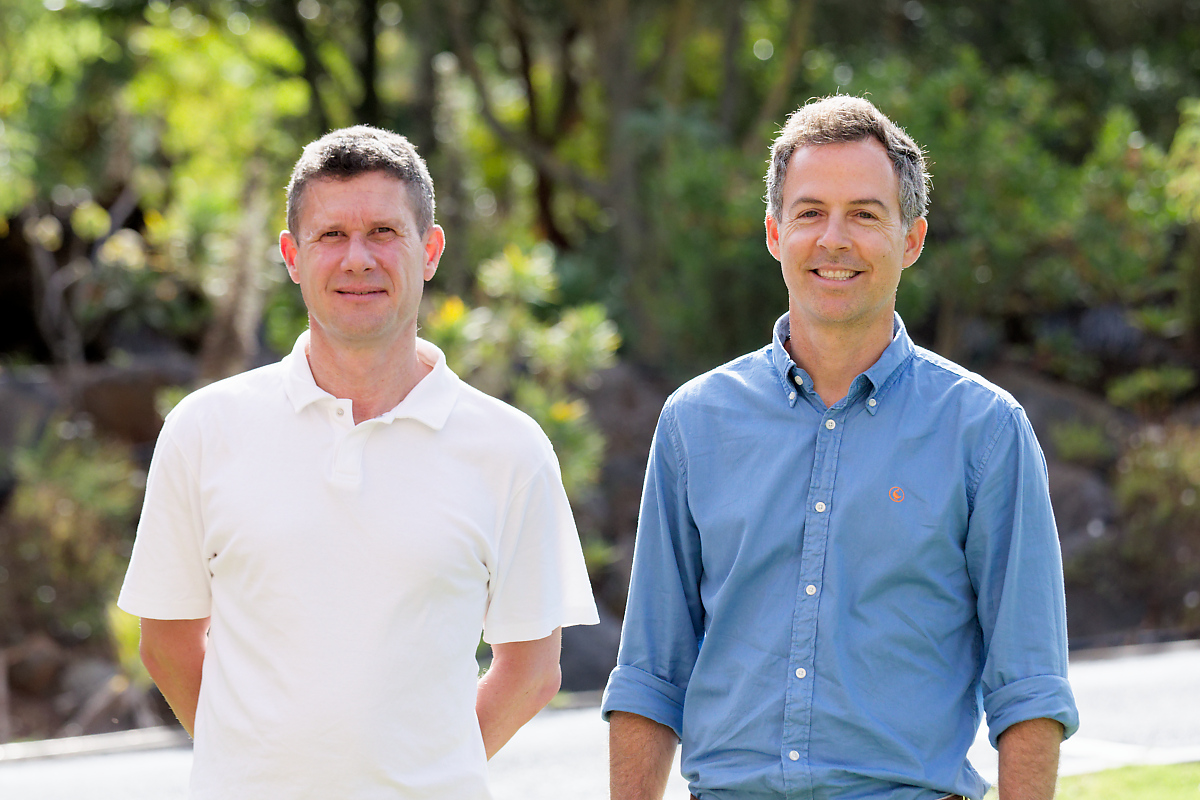
Axel Ritter and Juan Luis Ramos.
The other avenue for valorization involves identifying high-value-added compounds that can be used in sectors such as the pharmaceutical or food industries. “The fishing or aquaculture industries can generate byproducts very rich in omega-3. This omega-3 could be extracted and marketed for pharmaceutical use or as a raw material for developing new value-added products,” Ramos points out.
The University of La Laguna participates in this project through the BIVAREA group, which leads the international consortium. Axel Ritter, Professor [Name], head of the Department of Agricultural and Environmental Engineering and leader of the research group, explains that this line of work focused on the valorization of organic waste began around 2017, following an Agustín de Betancourt contract. “Since then, everything we have done has been progressively expanded. We have acquired laboratory equipment, established contacts with partners in different countries, and subsequently, the University Institute for Regional Development "He invited us to join because our activity fit with his objectives," he says.
The project also includes training for technical staff, businesses, and public administrations. It will also work with entities in Senegal and Cape Verde, providing them with scientific equipment to conduct biogas production trials, along with the necessary training. “Leading the BLUELOOP project and building cooperation networks with African countries and other regions of Macaronesia presents an opportunity to generate future collaborations and new projects,” says Ritter.
Algae as a source of biomedical innovation
The project “Sea, Tradition and Biotechnology of Algae in Health (MARTAS)” aims to transform algal resources into high value added biotechnological products, with applications in areas such as health, food or cosmetics.
“Algae are living organisms that produce different types of substances depending on the ecosystem and environment where they develop, either to protect themselves or to gain a competitive advantage over their surroundings and thus be able to survive,” he explains. José Manuel Padrón, director of the Antonio González University Institute of Bio-Organic Chemistry (IUBO-AG) and head of the research group BioLab.
MARTAS is a large consortium involving entities from the Canary Islands, the Azores, Madeira, and West Africa. Its objective is to study the traditional uses of seaweed based on archaeological sites, DNA analysis, and other remains found, as well as to understand current uses by local populations in the territories that make up the consortium.
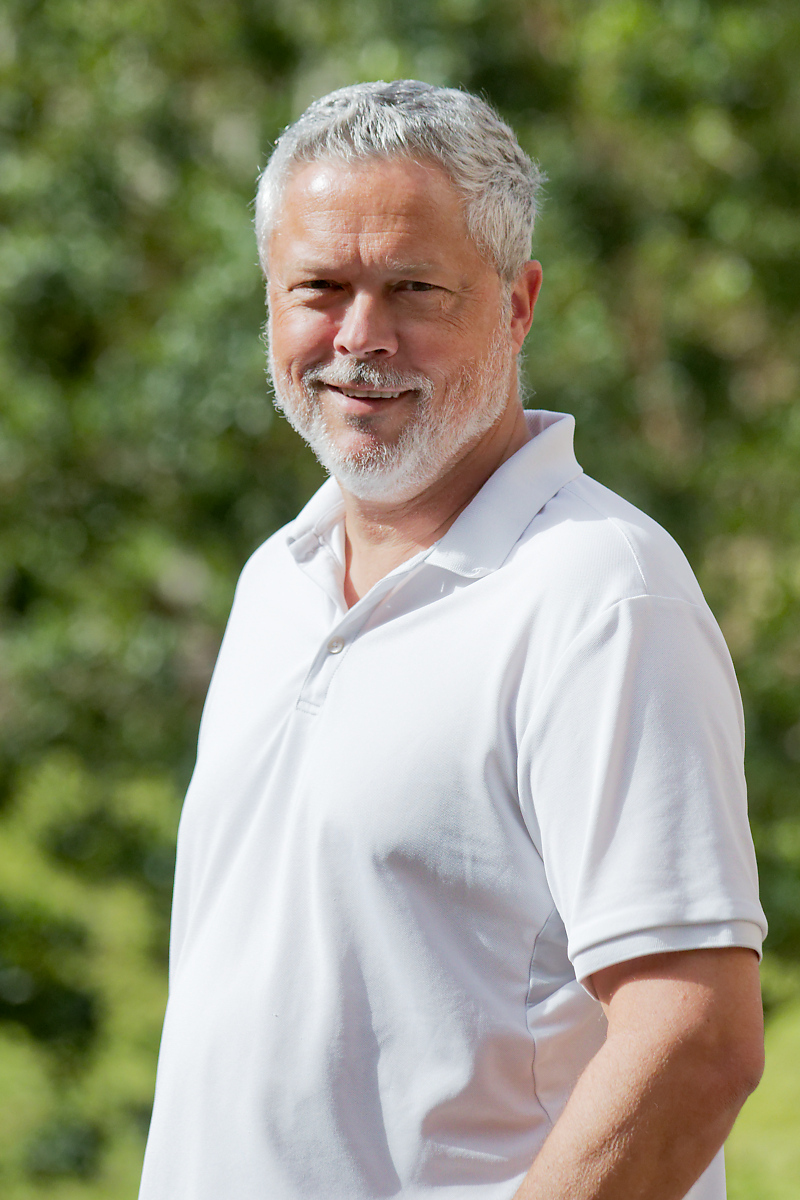
José Manuel Padrón.
The project, led by the Canary Islands Science and Technology Park Foundation of the University of Las Palmas de Gran Canaria (ULPGC), also aims to determine the feasibility of developing a system for cultivating these organisms in a controlled environment. “It would be something like a farm where algae can be grown, biomass generated, and high-value-added products obtained from it,” he explains. This eliminates the need to travel to the sea to collect algae and extract the desired compounds. “In terms of production, the most efficient approach is to have a system isolated from the natural environment where constant production can be maintained,” Padrón adds.
The University of La Laguna is involved in two particularly relevant scientific areas. On the one hand, the IUBO-AG research group brings extensive experience in the study of natural products of marine and terrestrial origin, with decades of expertise in the identification, isolation, and characterization of bioactive compounds. In this project, the BioLab group will study the biological activity of compounds obtained from algae and evaluate their potential application in cancer therapies. Specifically, the work focuses on exploring the potential of these molecules in gastrointestinal tumors, such as those of the pancreas, stomach, and colon.
On the other hand, the group EVOPALEOGEN (Evolution, population genetics and paleogenomics), directed by Rosa Fregel, The Department of Biochemistry, Microbiology, Cell Biology and Genetics will conduct a genetic study of algae samples found in archaeological contexts and compare them with current samples, with the aim of identifying differences and understanding their evolution.
Companies with social and environmental impact
The “Regional Alliance for Innovative and Sustainable Entrepreneurship (RAISE)” project aims to foster a robust, inclusive, and connected impact entrepreneurship ecosystem between Macaronesia and West Africa; that is, businesses that, in addition to being economically viable, generate measurable social and environmental benefits. To achieve this, it works along three lines: strengthening and professionalizing entrepreneurship support entities (incubators, accelerators, chambers of commerce, and universities); designing a common and flexible (“glocal”) support methodology; and promoting new initiatives through innovation labs, mentoring programs, and funding forums, with a special focus on women, young people, and underrepresented groups.
The University of La Laguna participates as a co-leading academic partner and contributes the project's methodological rigor. It leads the co-design of the transregional methodology, the local support programs, and the MAC-Africa funding forums, including an international "Demo Day" that will connect entrepreneurs and investors from the six participating territories (Madeira, the Canary Islands, Mauritania, Senegal, Ghana, and Ivory Coast). Furthermore, it coordinates the implementation in Tenerife and, together with the ITC, which leads the project, supports activities in the African countries.
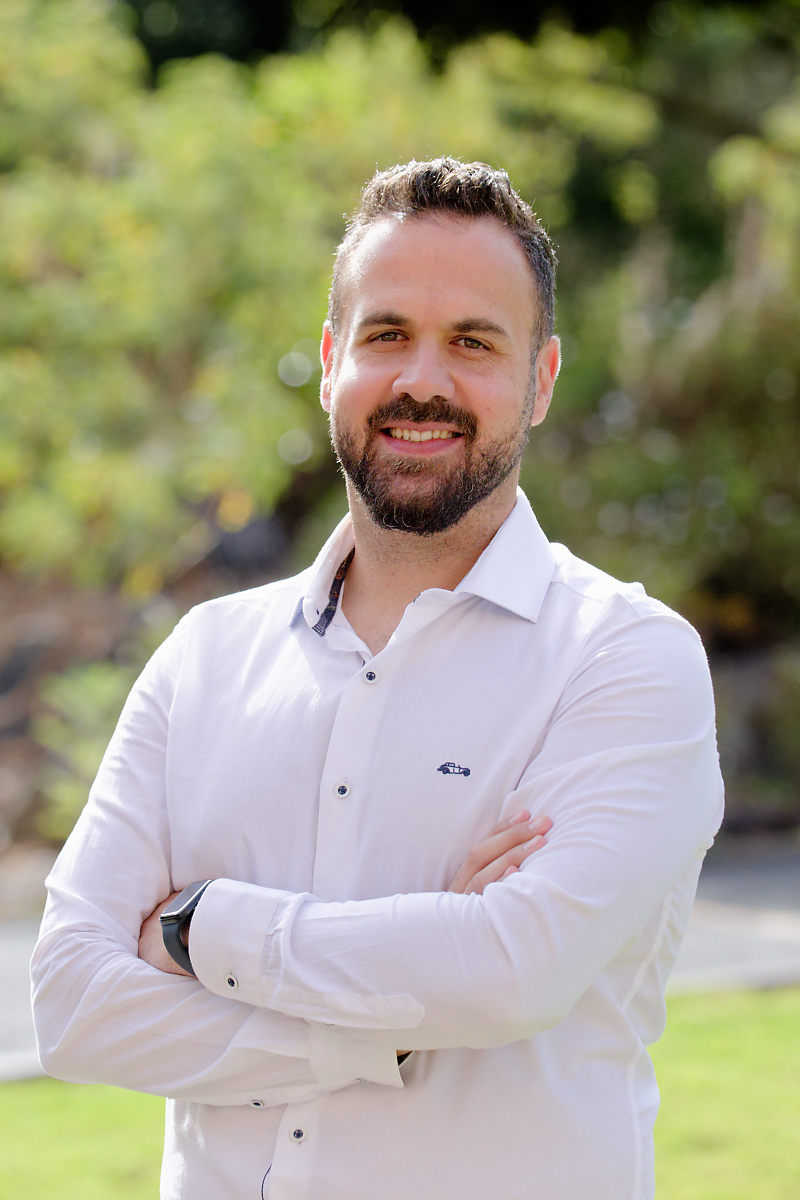
Edgar Sabina.
The collaboration stems from a shared assessment of the ecosystem between the Canary Islands, Madeira, and the countries of West Africa, which forms the basis of the project. Building upon this assessment is the high-level training program “RAISE Impact Booster,” aimed at advisors, technical staff, and educators who support entrepreneurs. The initiative will train at least 120 professionals and will include a skills recognition system. Furthermore, the project will create a transnational network of mentors and organize innovation labs and entrepreneurial challenges.
The RAISE team from the University of La Laguna is made up of research staff from the Department of Business Management and Economic History: Tamara González González, Carlos Martín Martín González, Violeta de Vera Martín; and Edgar Sabina del Castillo, whose lines of research encompass organizational innovation, employability, gender equality, and marketing.
This project plans to hold exchange workshops in the four African countries, bootcamps five-week intensive courses in the Canary Islands and Mauritania aimed especially at young people and women, innovation labs and hackathons, and local project presentation days in each territory. In total, more than 24 local events are planned in the partner countries.
Preparing Macaronesia for the new blue energy economy
On the other hand, the project “Sustainable Energy and mArine Innovation for MACaronesia (SEAMAC) aims to consolidate a regional scientific and technological ecosystem in the field of marine renewable energies and new fuels, enabling the leap from research to industrial and commercial development and fostering the creation of a new blue energy industry in Macaronesia with a focus on West Africa. In this way, it seeks to accelerate the adoption of marine technologies, the production of new fuels, and the emergence of a regional energy industry.
The researcher in the area of Chemical Engineering Luis Antonio González Mendoza, head of the research group Heterogeneous catalysis (CAHE), SEAMAC notes that its objective is to expand Macaronesia's R&D capabilities by developing and specializing marine energy testing infrastructure, as well as testing infrastructure for new fuels at the laboratory. The project thus contributes not only to the implementation of advanced marine technologies in the region, but also to economic diversification and a sustainable energy transition.
González Mendoza points out that the University of La Laguna's role in this project, led by the Canary Islands Agency for Research, Innovation and the Information Society (ACIISI), will focus on experimentation in the production of new renewable fuels (methanol, bio-DME, and biodiesel), specifically on estimating the purity and quality of the resulting product. This will promote pre-commercial validation processes, prototype testing, preliminary certification, and the development of new advanced engineering services that will enable local companies to access emerging value chains in the marine energy and renewable fuel sectors.
The project will also promote cooperation networks between Macaronesia and West African countries, fostering the internationalization of knowledge and generating opportunities in developing markets. It is also worth noting that the SEAMAC project will undertake actions to strengthen scientific and technological capacities in partner countries such as Cape Verde, Senegal, and Mauritania.
This transnational collaboration will facilitate the transfer of best practices, strengthen institutional capacities, and explore synergies in areas such as port infrastructure operations, energy logistics, offshore maintenance, and renewable fuel production. According to González Mendoza, the project will help transform scientific and technical knowledge into economic activity, fostering a regional industrial ecosystem specializing in advanced marine technologies and positioning Macaronesia as a strategic hub for the development of sustainable energy solutions.
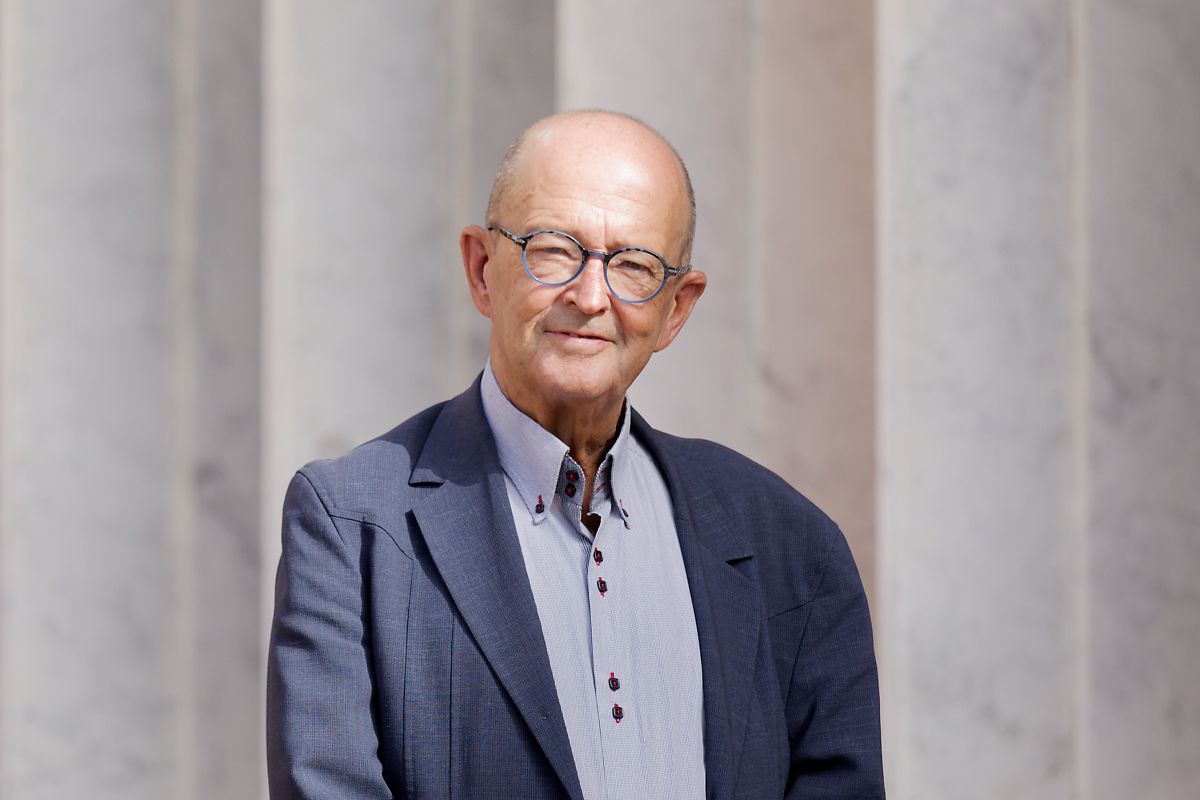
Luis Antonio González Mendoza.
More efficient and resilient energy systems
Luis Antonio González Mendoza also leads the University of La Laguna's participation in the project "Decarbonization, Energy Efficiency, and Resilience of Energy Systems in Macaronesia and West Africa (DeeReMac)," which aims to develop innovative solutions to improve the management, operation, and planning of energy systems in island territories. The initiative seeks to strengthen the stability and resilience of electrical systems, increase the share of renewable energy, optimize the use of local resources, and promote more sustainable and decarbonized energy models, accelerating the energy transition not only in Macaronesia but also in partner countries. In this way, DeeReMac will foster energy communities with smart management and control systems and promote renewable energy for heating, cooling, and thermal storage.
González Mendoza emphasizes that the University of La Laguna's main activity in this project, led by the ITC, will consist of the production and valorization of alternative fuels through the synthesis of methanol from syngas, whether simulated or obtained from gasification. "This method allows us to transform gases derived from local waste into a versatile liquid fuel, useful as an energy carrier and chemical platform, contributing to the reduction of greenhouse gases and the storage of renewable energy," the researcher states.
The pilot projects and replicable models to be developed from this project are expected to provide the governments of the Canary Islands, the Azores, Cape Verde and Senegal with a solid technical basis for developing public policies aimed at improving energy efficiency, reducing emissions, increasing resilience and moving towards a more reliable and sustainable electricity system.
Predicting fire before it happens
The University of La Laguna is also participating in the “Unified Risk Analysis and Remote Sensing for Fire and Threat Reduction (AURORA)” project, which aims to improve the prevention and management of forest fire risk. AURORA's main objective is to develop an advanced technological platform capable of generating predictive forest fire risk maps for Macaronesia. As noted Judit Carrillo Pérez, a researcher in the area of Applied Physics who coordinates the action of the University of La Laguna within this project led by the ULPGC, “the idea is to move from fire detection to anticipation, combining historical meteorological data, satellite data and artificial intelligence.
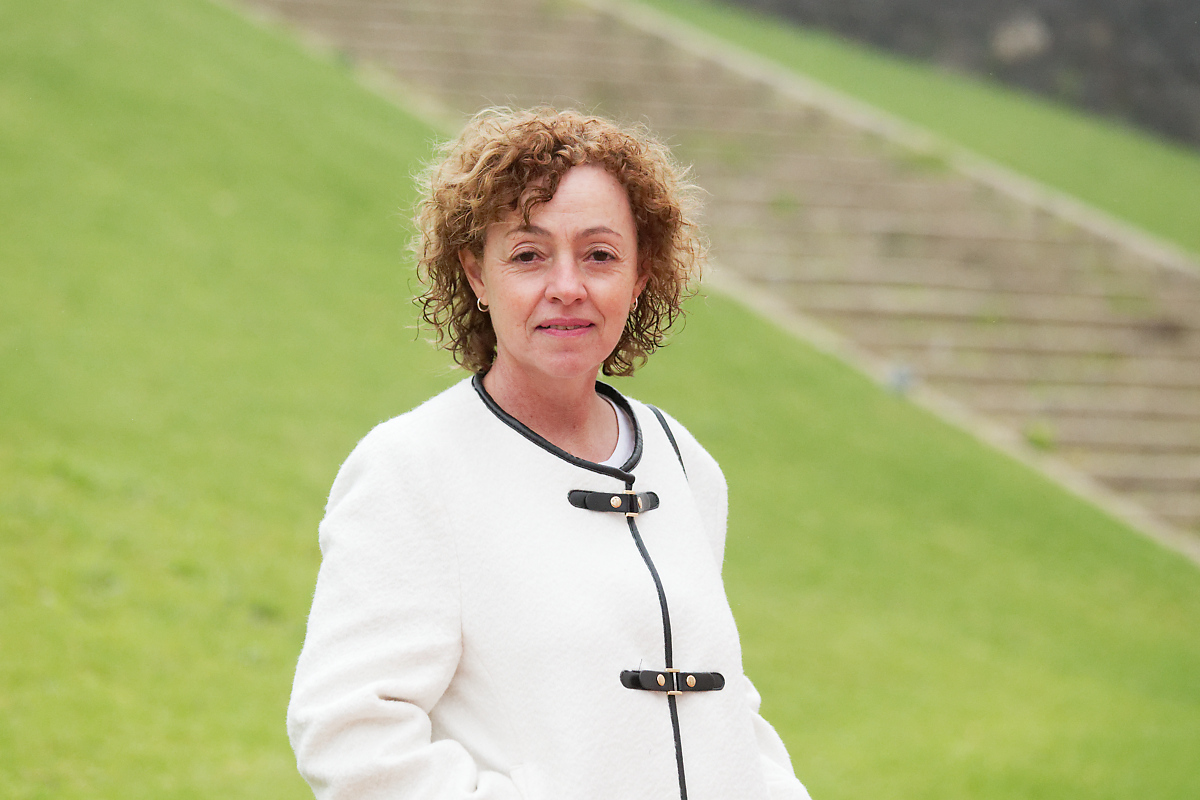
Judit Carrillo. Photo: Emeterio Suárez.
From the Earth and Atmosphere Observation Group (GOTA), The project, to which Carrillo Pérez belongs, will involve the collection, organization, and processing of meteorological, biophysical, and topographic data. This will allow for a better analysis and understanding of the conditions present during the major fires that have occurred in Macaronesia in the 21st century, identifying patterns, correlations, and key variables that will inform the design and training of predictive fire risk models. Subsequently, the project aims to develop artificial intelligence algorithms capable of integrating this data to generate tailored fire risk predictive models. This will enable the integration of the AURORA technological platform, incorporating the developed models to generate daily fire risk maps that will allow for early warning and support planning and decision-making.
The platform will also integrate an automatic alert generation system based on configurable thresholds and a simulation module to predict fire behavior. To achieve this, the project will combine artificial intelligence tools and machine learning designed to identify complex and non-linear patterns that predict risks with advanced remote sensing systems, using satellite and hyperspectral data, numerical modeling and cloud computing.
Carrillo Pérez points out that during the development of the project, transnational cooperation actions are also planned, such as technical workshops aimed at emergency and civil protection personnel to train them in the use of the platform and the interpretation of risk maps, meetings with regional authorities to adjust the tools that are developed to the real operational needs, as well as transfer actions to technology companies participating in the project.
Citizen science in the service of climate adaptation
The project “MAC-Africa Biosphere Reserves: Living Labs for Climate Adaptation and Territorial Resilience (BIOSPHERE Living Lab)” aims to enhance climate adaptation and territorial resilience in the Biosphere Reserves of Macaronesia, Cape Verde, and São Tomé and Príncipe. To achieve this, living laboratories for citizen science and applied innovation will be created, promoting the use of Nature-based Solutions (NbS) and the collection of operational data to inform decision-making.
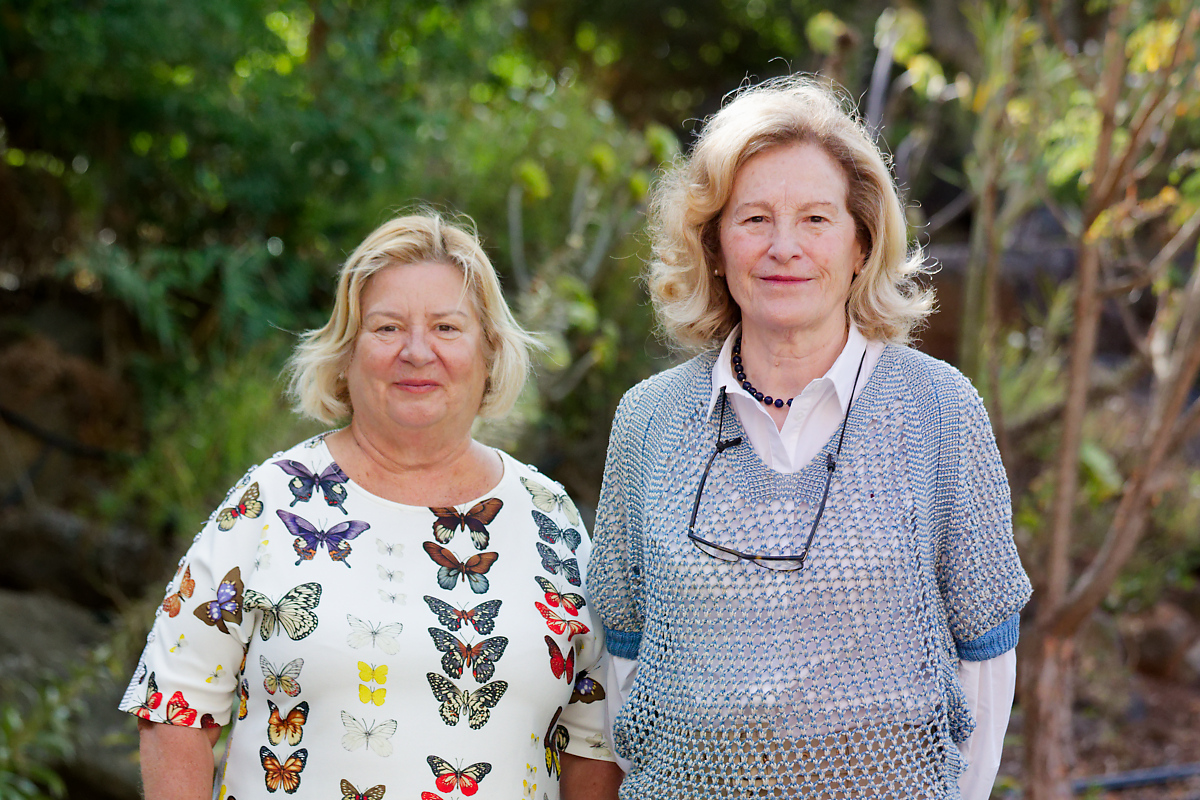
Carmen Concepción Jiménez and Marisa Tejedor (RESUA Group).
Through these actions, the project seeks to strengthen the capacity of these regions to understand and anticipate the effects of climate change on their heritage and to implement ecosystem-based climate adaptation measures to consolidate mechanisms of shared governance and cooperation.
The collaboration of the University of La Laguna in this project led by the Government of the Canary Islands is made up of the research groups Soil and water resources (RESUA), led by the emeritus professor of Soil Science and Agricultural Chemistry María Luisa Tejedor; Geoheritage and Geotourism in Volcanic Spaces (GEOTURVOL), directed by the professor of Human Geography Francisco Javier Doniz; and the aforementioned Earth and Atmosphere Observation Group (GOTA), whose coordinator is the professor of Applied Physics Juan Pedro Díaz.
Among the various contributions to the project are the identification, characterization and diagnosis of natural and cultural landscapes vulnerable to climate change on coasts and summits, the development of a digital cartographic atlas of unique ecosystems and agrosystems, as well as the creation of a catalog of landscapes of special vulnerability, along with the development of a system of bioindices for ecological and soil monitoring.
Furthermore, the project includes the design and implementation of the open digital platform "MAC-Biosphere Living Labs" as an environmental repository, catalog of best practices, and living bank of adaptation projects. This tool will be structured in three parts: an environmental data module that will integrate georeferenced time series, maps, and sensor data with a map viewer; a citizen science module designed to collect and validate local observations on climate impacts through geolocated forms; and a third governance and community module, which will offer collaborative spaces to support participatory processes.
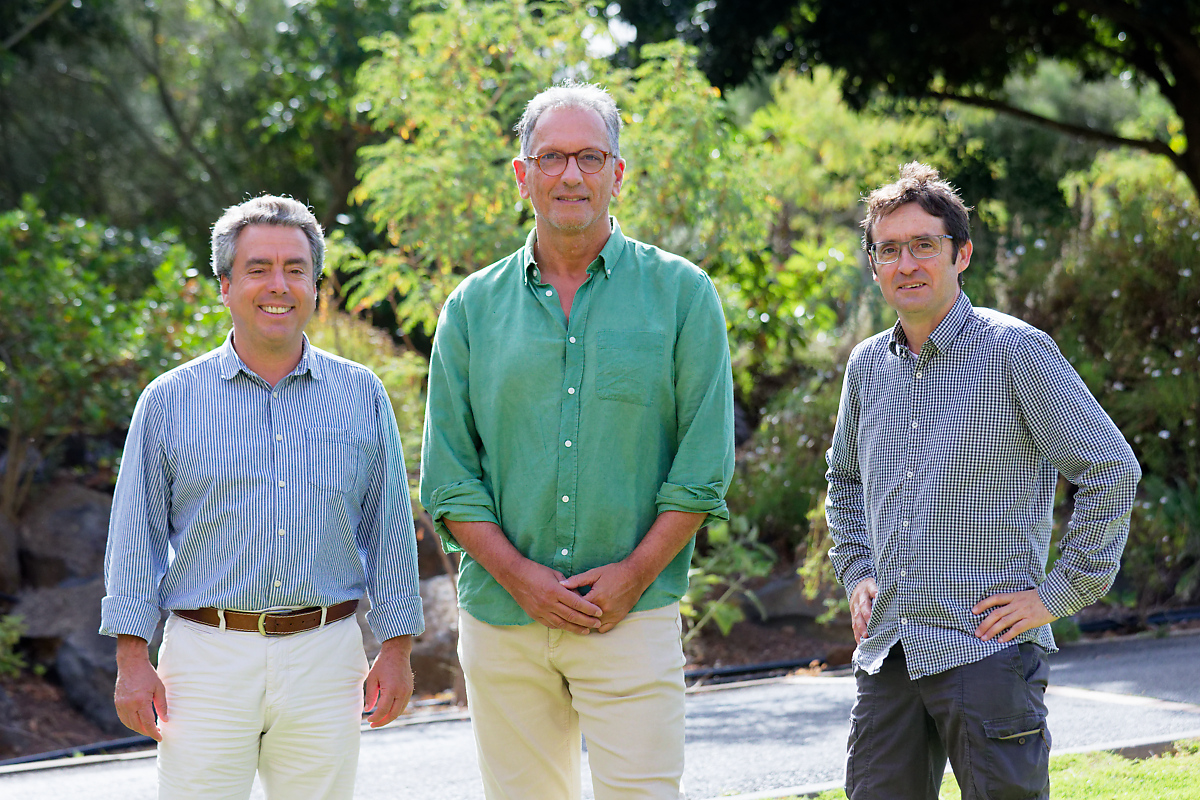
Juan Pedro Flores, Pedro Alberto Hernández and José Barrancos (GOTA Group).
To feed this platform, various advanced observation technologies will be integrated, such as a network of sentinel stations, camera traps and high-definition time-lapse cameras for monitoring the coastline and forest masses, or the CoastSnap program for coastal monitoring through citizen participation.
Among the training activities included in the project are the organization of collaborative workshops (Eco-hackathons), joint workspaces where managers, young people, entrepreneurs, and educational institutions will participate in the co-creation of innovative solutions for climate change adaptation. Additionally, training programs and technical materials, including best practice manuals, will be developed to strengthen the capacities of the various stakeholders involved in territorial management and resilience.
Innovative AI-based solutions
The project “AI & Innovation for Local Economy and Public Policy (AI-LEaP²)” aims to strengthen Artificial Intelligence (AI) capabilities in the Macaronesia and West Africa region through applied research, specialized training, and knowledge transfer to the productive sector. Led by the University of Las Palmas de Gran Canaria (ULPGC), the initiative seeks to promote the responsible, strategic, and sustainable adoption of AI to improve the competitiveness, innovation, and digitalization of businesses, educational institutions, and public administrations. It also aims to create a transnational innovation ecosystem that fosters skilled employment and helps reduce the digital and gender divides.
As a project partner, the University of La Laguna will focus its contribution on developing innovative AI-based solutions through applied research and the creation of experimental environments (EduLabs), with a particular emphasis on technology transfer and professional training. The University of La Laguna will participate in the design of training resources, the development of virtual experimental laboratories, the creation of a transnational digital platform, and collaboration with companies to validate AI solutions in strategic sectors such as education, health, tourism, agriculture, and the blue economy.
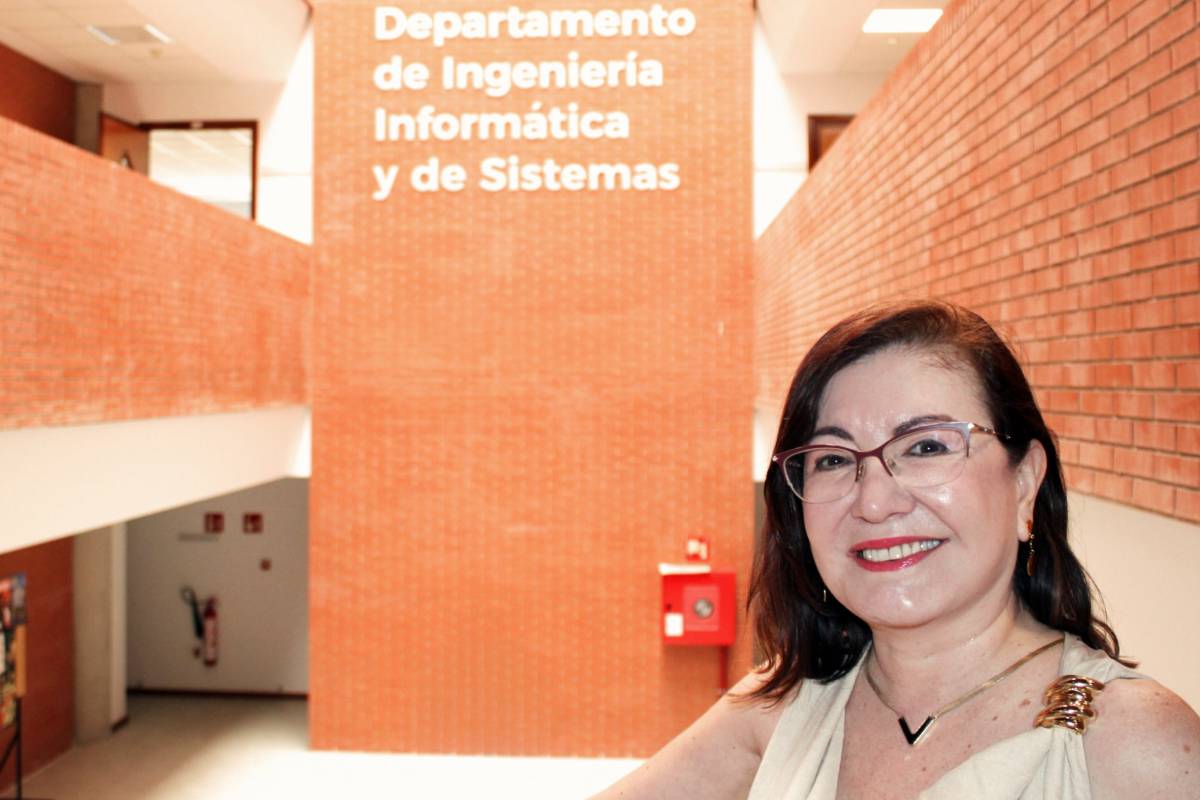
Carina González. Photo: Courtesy.
The academic institution's participation in AI-LEaP² is led by the professor from the Department of Computer and Systems Engineering Carina González, head of the research group Interaction, ICT and Education (ITED). The researcher points out that this project adopts a clearly collaborative and international approach, through a broad network made up of universities, technology centers, public administrations, business clusters and SMEs in the region.
“The project will promote the creation of alliances between these actors to develop technological pilots, validate solutions adapted to local challenges, and facilitate the transfer of knowledge to the business sector. Furthermore, it includes the joint organization of seminars, conferences, scientific publications, and dissemination activities that will consolidate an international community of practice around responsible AI adapted to different territorial contexts,” González points out.
Scientific Culture and Innovation Unit of the University of La Laguna (Cienci@ULL)

 Spanish
 English
 French