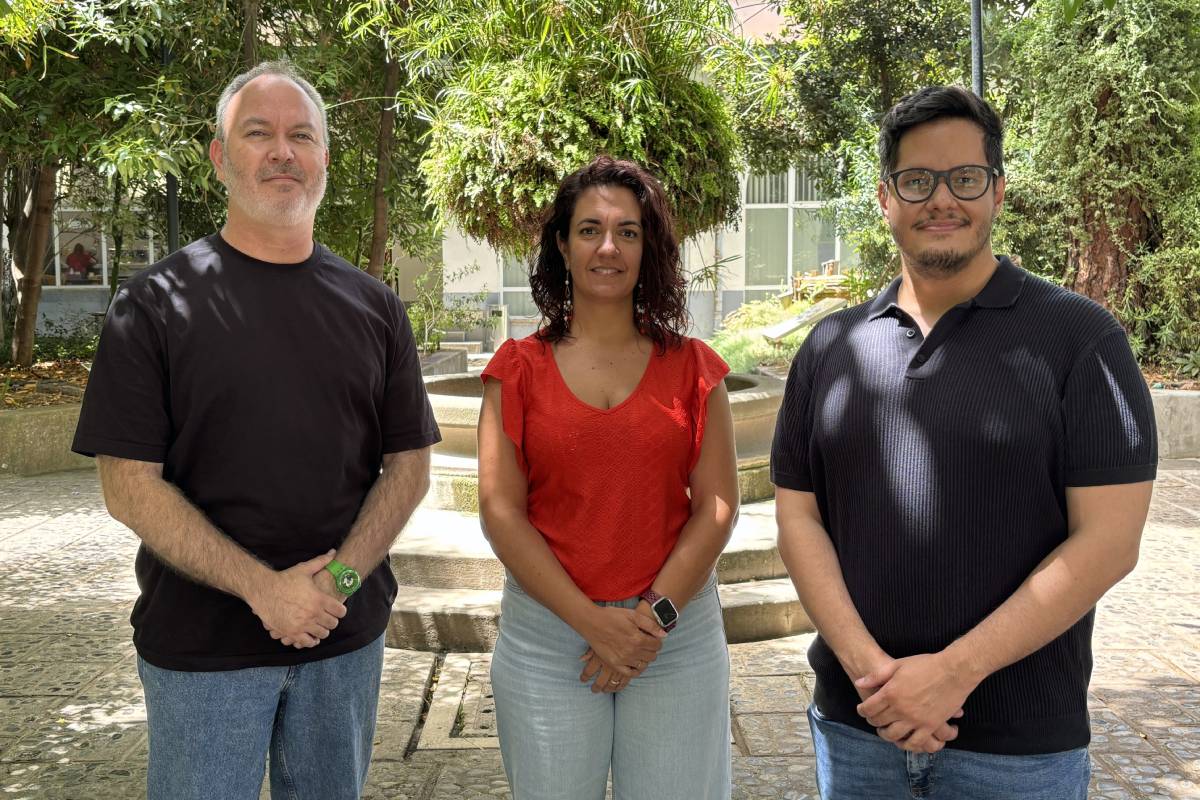
Technical staff of the Knowledge Transfer Office (KTO) Students from the University of La Laguna have undertaken several international stays during the 2025-2026 academic year within the framework of Erasmus+ Programme of International Dimension, aimed at promoting mobility to countries outside the European Union. The main objective of this participation has been to gain firsthand knowledge of the structures, systems, and methodologies for knowledge transfer and innovation developed by these institutions, with particular attention to the management ofand the protection and transfer of research results, the creation of spin-offs and the promotion of R&D projects and international collaborations.
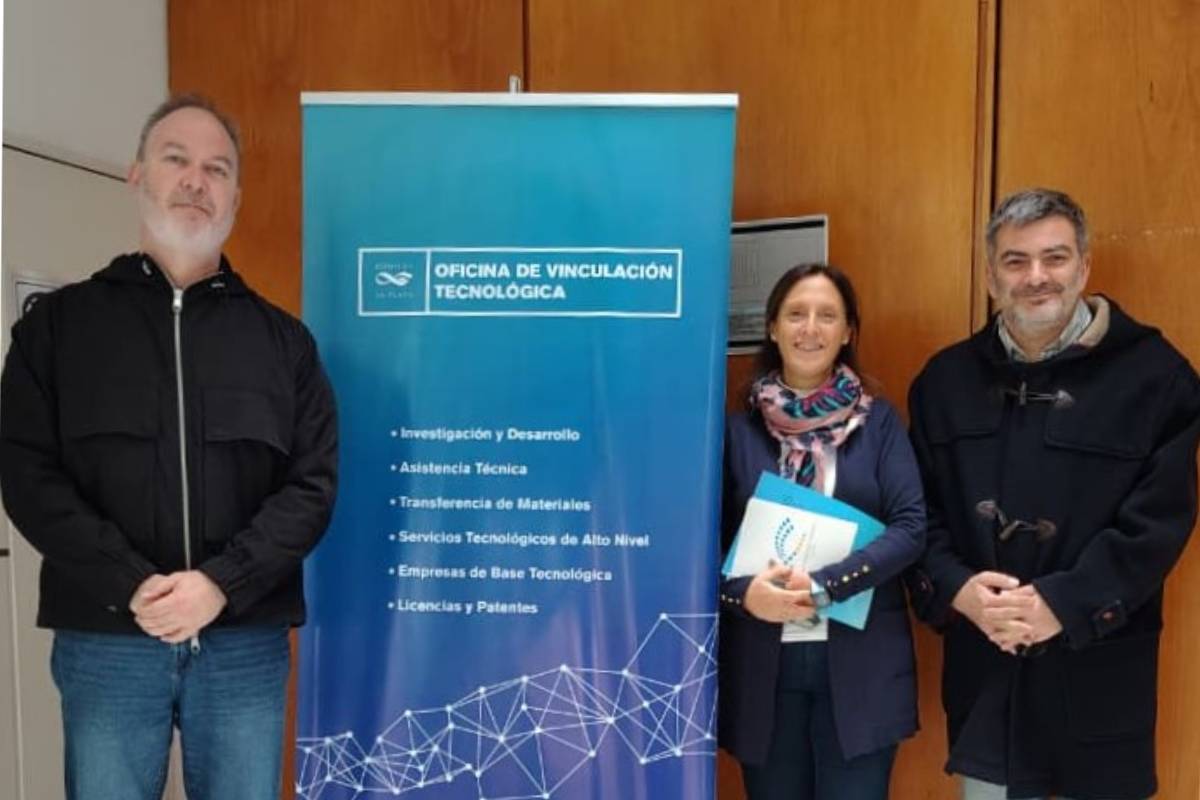
Christ Rodriguez.
This initiative is part of the OTC's internationalization strategy and its pursuit of streamlined procedures and management improvements that the office intends to implement. To that end, three technicians from the National and Regional Research Projects area participated in the program this time.
Thanks to these visits, the OTC staff established contact with the technical teams of three leading universities in South America: the National University of La Plata (Argentina), the Meritorious Autonomous University of Puebla (Mexico), and the University of São Paulo (Brazil). This exchange of experiences allowed for the identification of strengths and best practices that could be incorporated into the work of the Knowledge Transfer Office at the University of La Laguna. Furthermore, new avenues of collaboration were opened for the development of future joint projects, both between technical and research staff, with the aim of strengthening synergies and institutional cooperation.
The coordinatordor of the aforementioned area, Cristo Rodríguez López, carried out a stay in The National University of La Plata (Argentina), where she had the opportunity to explore the workings of several Technology Transfer Offices responsible for innovation and knowledge transfer activities at the institution. Her work program focused primarily on the Faculty of Economic Sciences, although it also included a visit to the technology transfer office of the Faculty of Exact Sciences. During her stay, she held meetings with the staff in charge of the various areas. of protecting results and creating knowledge-based companies, the This allowed him to delve deeper into management models and support for entrepreneurship. He also visited some of these companies that emerged from the university environment, learned about their creation and development processes, and participated in a fair dedicated to technology-based companies and the promotion of patents.
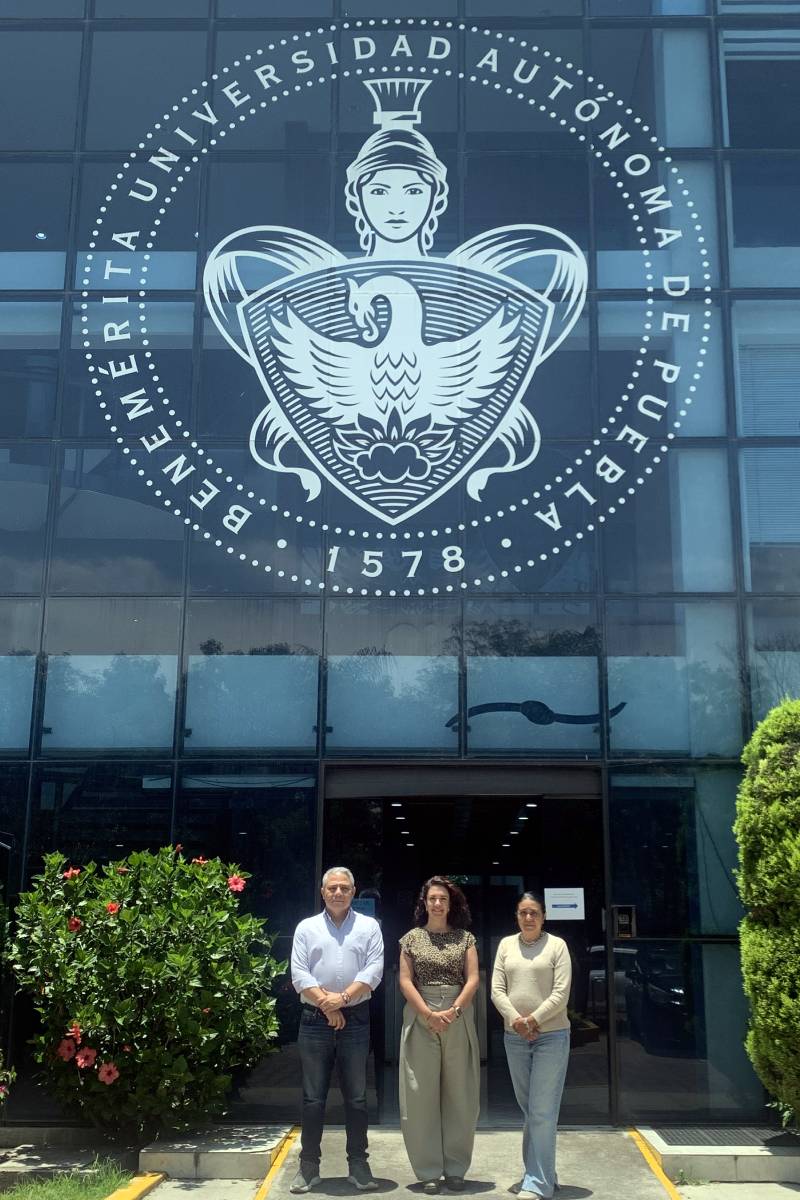
Elena Pérez.
During her stay, she also learned about project management procedures and the collaboration mechanisms that the university maintains with the National Scientific and Technical Research Council of Argentina (CONICET). Among the main results of this experience, she highlights the potential interest in adapting some of the observed work methodologies to the University of La Laguna, as well such as the opportunities that open up to establish new synergies and future collaborations with the Argentine institution.
For her part, Elena Pérez González, completed a stay at the Meritorious Autonomous University of Puebla (Mexico), where he learned about the work carried out by the Internationalization Department and the Directorate of Innovation and Knowledge Transfer (DITco). During his visit, he held meetings with the responsible technical and management staff. from the Entrepreneurship and Technological Resources area of the institution, which allowed him to delve deeper into the management and financing models of these services. Pérez González particularly highlights the role these units play in the execution of projects promoted by the Government and in collaboration with the local business community, a model that, in his opinion, strengthens the university's connection with its environment and fosters the promotion of innovation and knowledge transfer.
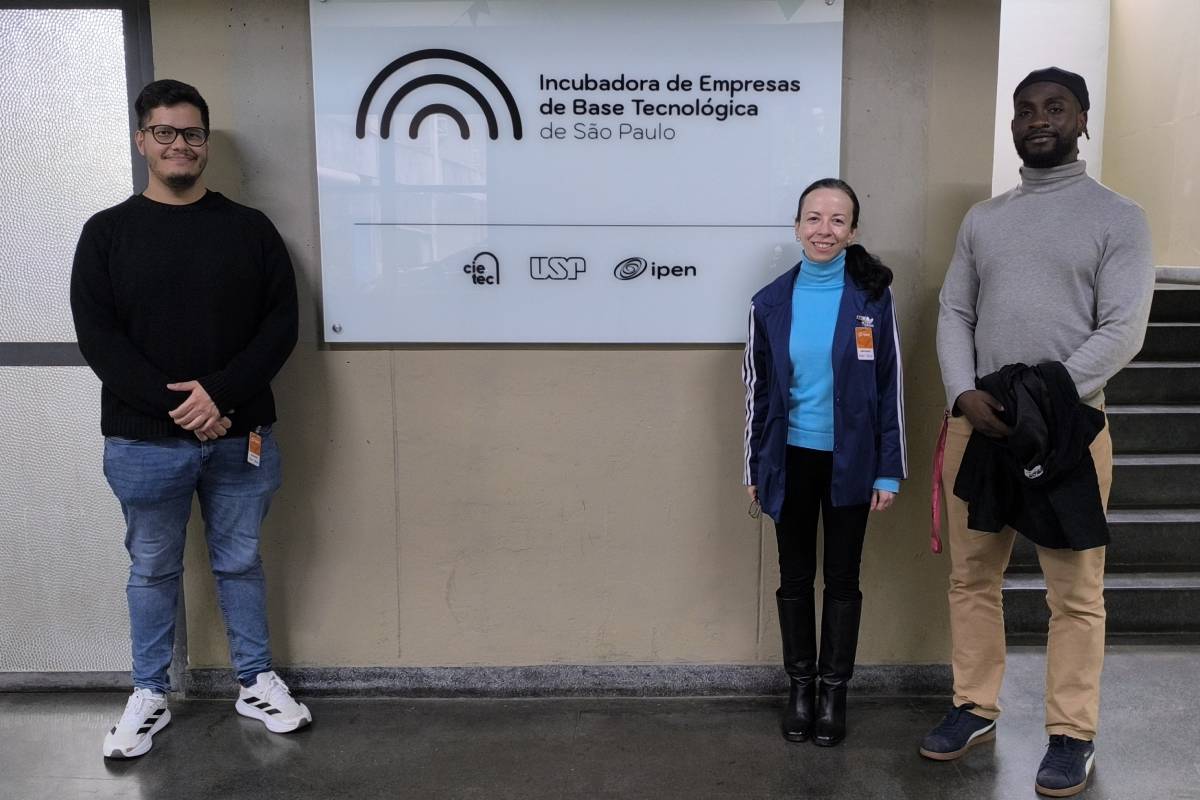
Carlos Cañizares.
Also participating in this program was technician Carlos Cañizares Gutiérrez, who visited the University of São Paulo (Brazil), internationally recognized for its innovative capacity. During his visit, he identified the university's main strategies for promoting technology transfer and observed the broad scope of its initiatives in this area. Among the aspects that most impressed him was the close collaboration between the University of São Paulo and the Federal University of ABC, with which it develops numerous joint research and innovation projects. He also had the opportunity to learn about the work of AUSPIN, the university's Innovation Agency, and analyzed its knowledge transfer management model. Cañizares particularly values the robust legal framework supporting these activities, as it grants the institution significant autonomy to promote business and technological initiatives and expedite patent applications.
During his stay he also visited the network of incubators of spin-offs y startups driven by the university, and several knowledge-based companies arising from the institution's research activity. The main conclusion of the experience highlights the balance achieved between academic training and the promotion of technology transfer and innovative entrepreneurship.
The staff of the Knowledge Transfer Office agree that these stays developed within the framework of the Erasmus+ program have contributed to strengthening ties with potential international collaborators and identifying new opportunities for cooperation in the fields of innovation and knowledge transfer with South American institutions.
Among the possibilities to be explored are the development of initiatives to attract innovative talent, the exchange of experiences and methodologies related to the creation of technology-based and knowledge-based companies, and the formation of international consortia that facilitate joint access to funding for R&D&I projects. Furthermore, the host universities showed considerable interest in learning about the working methodologies of the University of La Laguna, especially in aspects such as the management of international projects and access to European funding programs. All of this reinforces the expectations of establishing stable and mutually beneficial collaborations in the medium and long term.

 Spanish
 English
 French