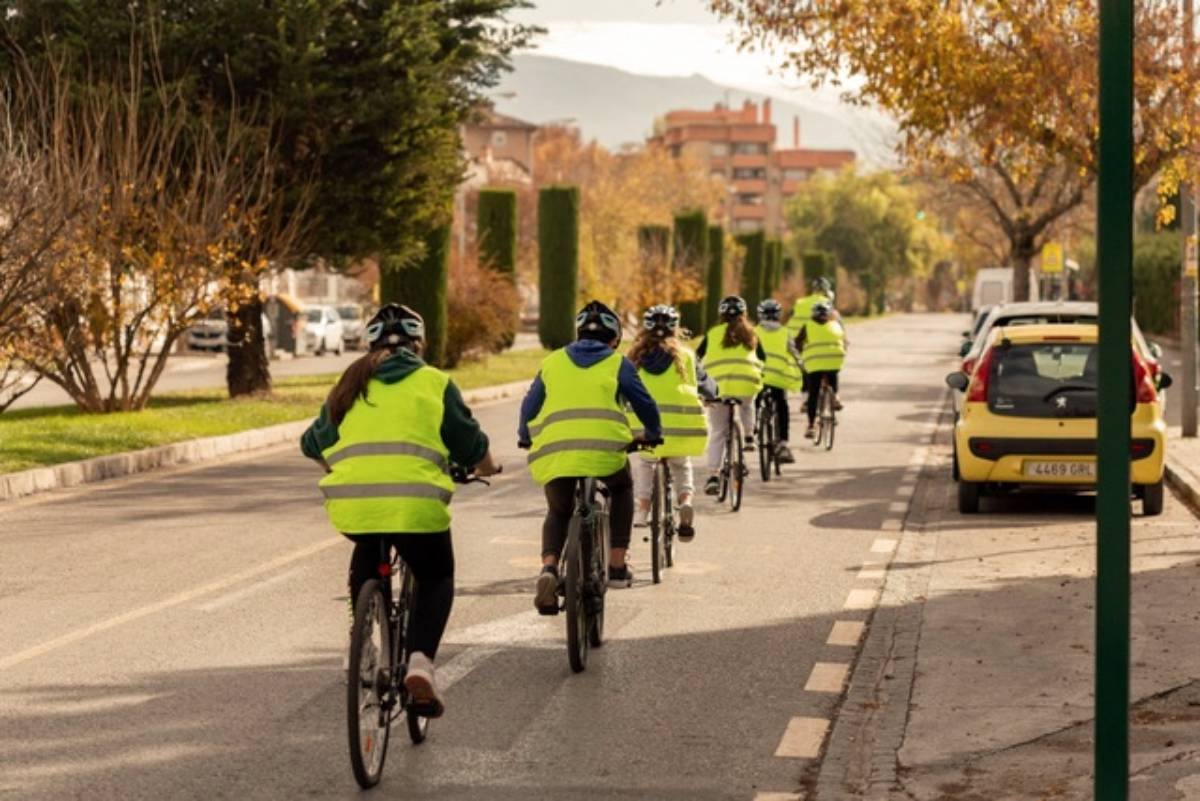
A study The study, which involved 707 Spanish teenagers, shows that students of both sexes largely share the perceived barriers to actively traveling to the educational center, i.e., walking or cycling.
The school commute is one of the most studied journeys during adolescence, as it can occur up to ten times a week and significantly contributes to daily physical activity. However, it can be influenced by various factors such as the distance between home and school, the safety of the route, traffic, the comfort of the journey, and the physical strain of carrying a school bag.
The investigation, Sex differences in perceived barriers to active commuting to school among Spanish adolescents, led by Romina Gisele Saucedo Araujo, researcher in the Department of Specific Didactics at the University of La Laguna, and published in Journal of Transport & Health, The study examines sex differences in perceived barriers to active commuting. It analyzes how these barriers relate to the modes of transportation used by the adolescent population.
The study was conducted in 19 secondary schools in Spain, with a female representation of 53.61% and an average age of 14 years. The results show that both sexes primarily used active modes of transportation to get to school. Specifically, 59.71% of the total sample used active transportation, with walking being the most frequent option.
Overall, gender differences in perceived barriers were limited. The main difference observed was that adolescent girls were more likely than boys to report carrying a heavy backpack as a barrier to active mobility.
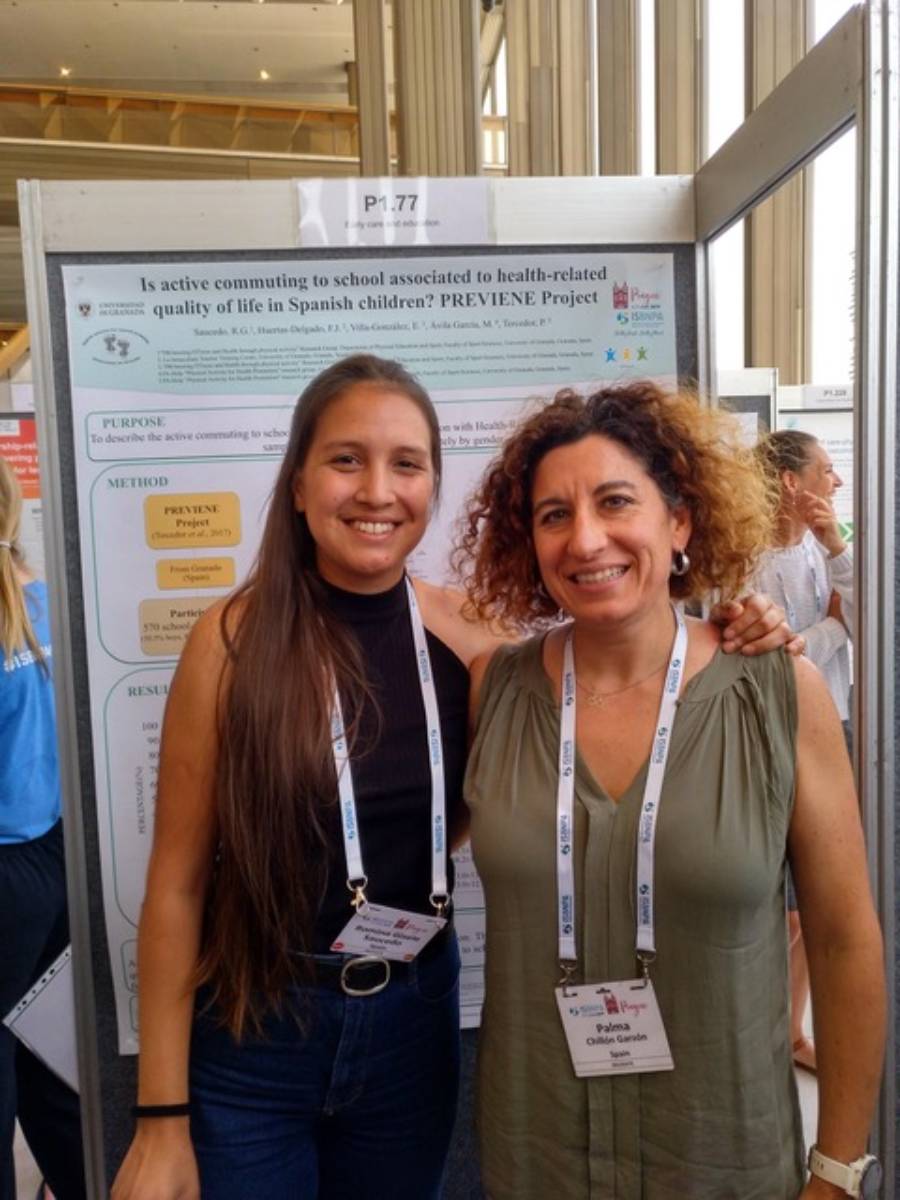
Romina Sauceda (ULL) and Palma Chillón (U. Granda), two of the co-authors of the work.
Furthermore, the study observed that some barriers related to safety and physical exertion were associated with a lower likelihood of active commuting, especially among adolescent girls. Specifically, poor street lighting, the perception of insecurity or crime, and routes with steep inclines showed a stronger association with passive commuting in the female group.
These results indicate that the mode of transportation to school among adolescents is determined by shared environmental and structural barriers, with limited evidence of sex-specific differences. Factors such as distance, convenience, traffic, route safety, and environmental conditions appear to be relevant elements in understanding why some adolescents do not walk or cycle to school.
The study highlights the importance of prioritizing strategies that improve the real and perceived safety of school journeys, such as strengthening public lighting, improving pedestrian and cycling infrastructure, reducing traffic risks, and addressing families' concerns about the safety of these routes.
Furthermore, the research suggests that measures aimed at reducing the physical burden of school backpacks, such as improving access to lockers or advancing the digitization of school materials, could help address a barrier that is especially relevant for female students.
The research team concludes that active commuting to school can contribute to improving adolescents' daily physical activity and provide social benefits, such as reducing motorized traffic and polluting emissions. Therefore, they recommend improving the environment and infrastructure of school routes, while also incorporating specific strategies related to safety and physical exertion.
The study was funded by the Spanish Ministry of Economy, Industry and Competitiveness and the European Regional Development Fund, through the PACO project. It also received support from the University of Granada's 2016 Research Plan and the Regional Government of Andalusia, Ministry of Knowledge, Research and Universities, co-financed by the European Regional Development Fund.

 Spanish
 English
 French