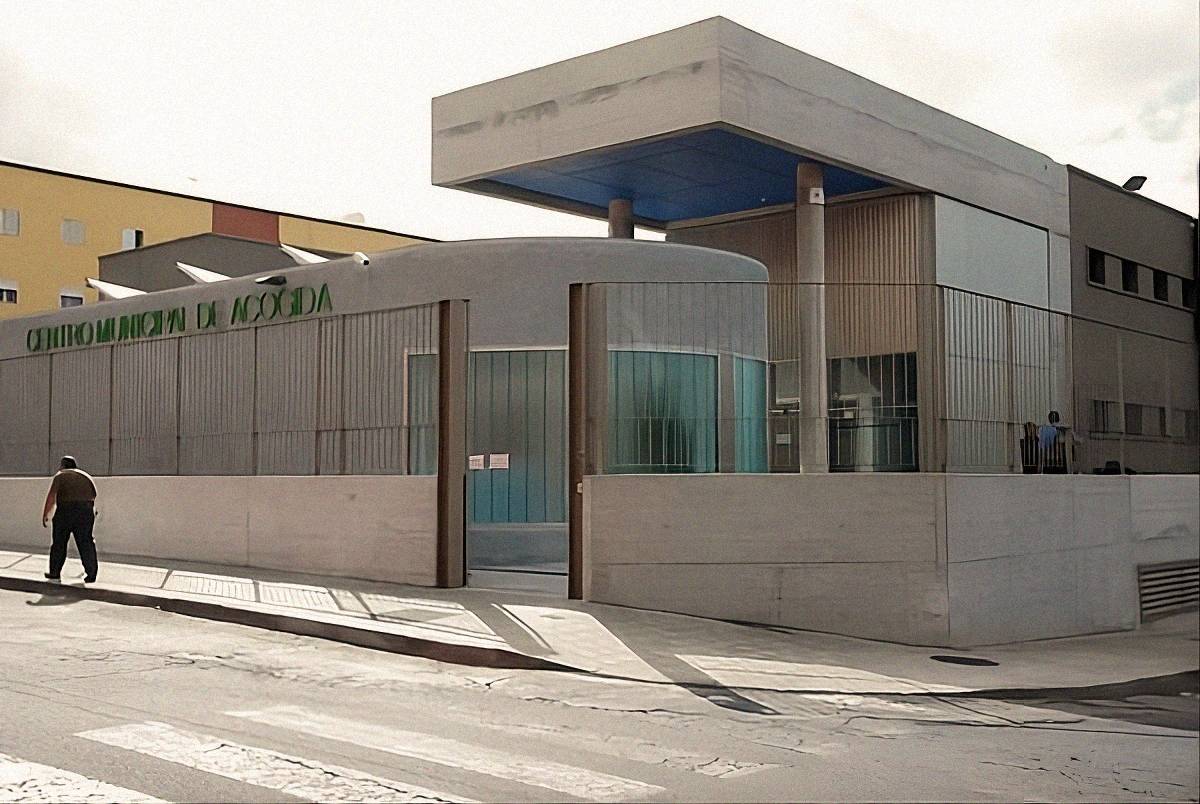
A group of researchers from the University of La Laguna has analyzed how 91 residents of the Santa Cruz de Tenerife Municipal Reception Center cope with everyday conflicts while living in these accommodation centers. The study, published in Aposta. Journal of Social Sciences, has been carried out by José Manuel Díaz, professor in the Department of Communication Sciences and Social Work; Juan Antonio Rodríguez, from the Department of History and Philosophy of Science, Education and Language; and Manuel José Rosales, from the Department of Developmental and Educational Psychology.
The analysis indicates that direct experience with these situations conditions the way people interpret conflicts, the strategies they use to resolve them, and the goals they pursue, offering new evidence to improve socio-educational interventions in these residential spaces.
The study shows that conflict is a part of daily life in these centers. In addition to other interpersonal conflicts, offensive comments, theft among residents, physical assaults, and interventions by educational staff are some of the most frequent situations. However, the way people respond to these situations varies considerably depending on their prior experiences.
The results indicate that those who have directly experienced these situations develop more defined interpretations of the causes and intentions of the people involved and employ a wider range of coping strategies. In contrast, those who only imagine how they would act offer more hypothetical and less complex responses.
The research also reveals that the strategies used depend on the type of conflict. Avoidance responses predominate in response to offensive comments, while in serious situations, such as theft or assault, integrative strategies like mediation and negotiation increase. However, in more intense conflicts, dominant responses, such as asserting power or resorting to violence, appear more frequently.
On the other hand, in situations related to the intervention of the center's staff, a balance is observed between strategies oriented towards dialogue and others based on acceptance or submission, reflecting the influence exerted by authority relationships within the institutional context.
The study also identifies differences associated with sex, age, and length of stay at the center. Men tend to attribute conflicts more frequently to external causes and negative intentions when they have not personally experienced them, while women are more likely to use acceptance strategies in certain situations. Older individuals, for their part, tend to employ measurement and avoidance tactics more often than confrontational responses.
One of the most relevant aspects observed by the researchers is the effect of length of stay at the center on these behaviors. As the length of stay increases, the use of integrative strategies such as negotiation decreases, and the tendency to attribute conflicts to external causes diminishes. According to the authors, this pattern could reflect processes of adaptation to the institutional environment, but also a certain emotional strain resulting from prolonged stays.
The researchers argue that these results highlight the need to develop socio-educational interventions tailored to each individual's characteristics and aimed at fostering the active participation of residents in conflict resolution. They also advocate for the incorporation of restorative and educational approaches that promote coexistence, reduce conflict, and strengthen the autonomy of service users.

 Spanish
 English
 French