
The University of La Laguna and the Tenerife Island Council have reached an agreement to extend the staggered class schedule system to the Faculty of Economics, Business, and Tourism this academic year. This faculty is one of the busiest on the Guajara Campus, with over 2,000 students. The measure will be implemented across all four degree programs this year, bringing the total number of students using staggered schedules at the university to over 4,700. This was announced today, September 3rd, by the Rector of the University of La Laguna, Francisco García, and the President of the Tenerife Island Council, Rosa Dávila, at a press conference also attended by the Vice-Rector for Sustainability and Infrastructure, Marta Domínguez, and the Island Councillor for Mobility, Eulalia García.
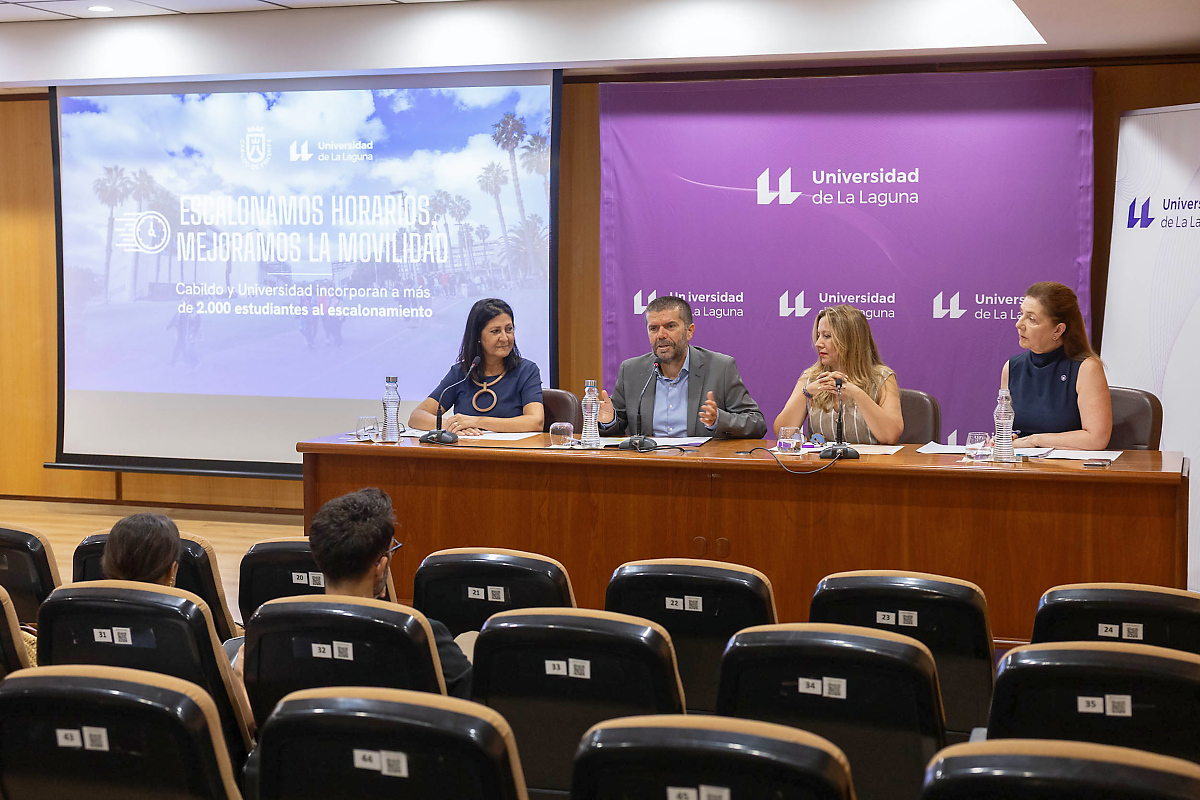
A moment from the press conference, with the island councilor for Mobility, on the left, and the vice-rector for Sustainability and Infrastructure, on the right.
The Faculty is thus joining the staggered start of classes, which began during the 2025/26 academic year in 13 degree programs across nine faculties and schools at the University of La Laguna (ULL). The aim is to spread out class times to prevent thousands of students from entering classrooms simultaneously. This measure improves university mobility and will remove an average of 800 vehicles daily from the TF-5 highway during peak congestion, helping to alleviate rush hour traffic.
The system will be implemented this 2026/27 academic year in the four degrees offered at the Faculty of Economics: Business Administration, Accounting and Finance, Economics, and Tourism. All courses in the four degrees will begin at 9:00 AM, and, in the case of the South Campus (Tourism degree), at 9:30 AM. With this expansion, staggered schedules will reach more than 4,700 university students starting in September, 2,000 more than last year.
The President of the Tenerife Island Council, Rosa Dávila, emphasized that this expansion is “a fundamental measure to continue improving mobility in Tenerife. University activity generates thousands of daily journeys, and better organizing them has an impact that benefits all citizens. The results obtained support this measure and now allow us to broaden its scope.”.
Dávila also expressed his gratitude for “the sensitivity and commitment of the University of La Laguna in addressing one of the major challenges we face as an island.” “The ULL is a key ally and is demonstrating a tremendous willingness to be part of the solutions. We will continue working together to incorporate new faculties and students into this initiative that is proving effective,” he added.
For his part, the university rector, Francisco García, pointed out that a community of around 24,000 people must contribute to minimizing its impact on mobility within the island. “Furthermore, we do it free of charge, because it’s in our DNA as a public university.”.
A collaboration that began in 2023
The staggered work schedule is part of the measures jointly promoted by the Tenerife Island Council and the University of La Laguna, within the framework of the collaboration agreement signed in November 2023. A pact in which both institutions committed to working together on solutions aimed at improving mobility on the island.
The Councillor for Mobility of the Tenerife Island Council, Eulalia García, explained that “the agreement has allowed us to collaborate on key aspects to transform university mobility, such as strengthening public transport, promoting car sharing, managing parking facilities, analyzing mobility patterns and reorganizing university schedules.”.
This collaboration led in the 2025/26 academic year to the implementation of staggered schedules, which were adapted to the characteristics and needs of each center and included different solutions, such as delaying the start of certain classes until 09:00 or 09:30 or alternating morning and afternoon shifts, shifting some of the mobility outside of peak hours.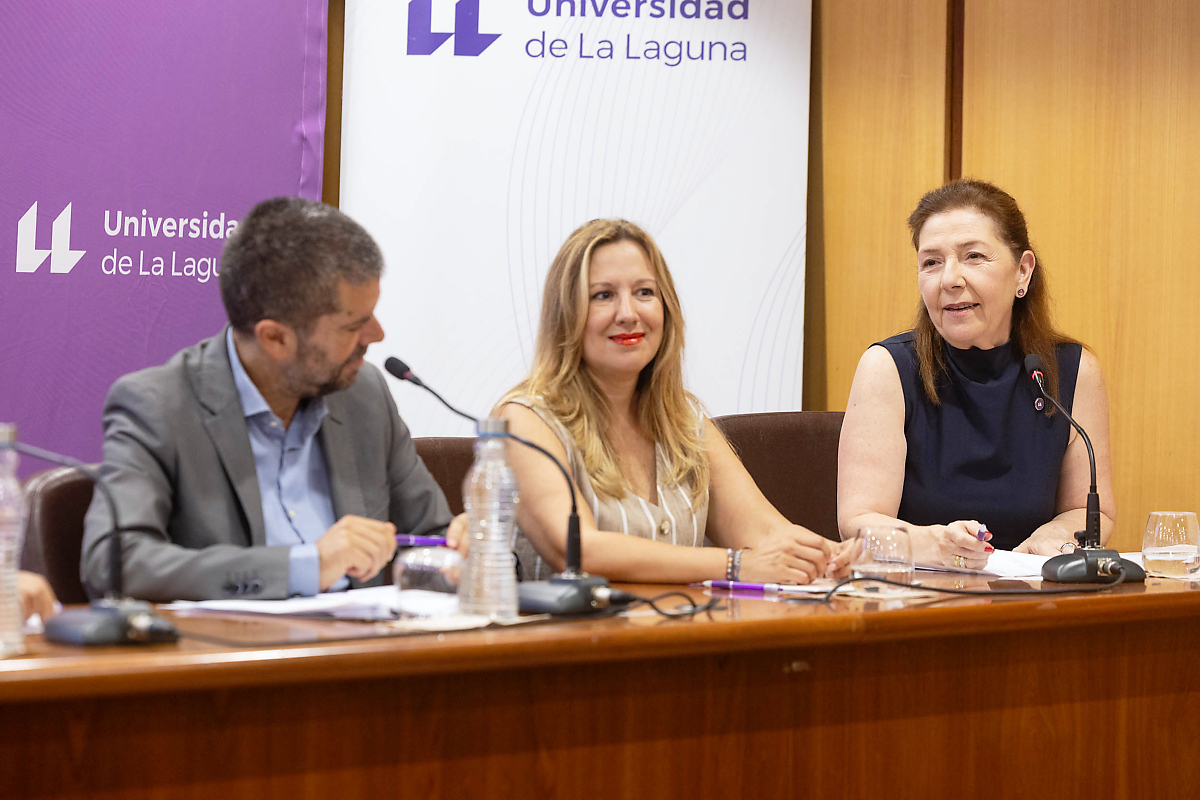
“During the first trial, we managed to remove around 500 vehicles from the road daily during peak hours, and with the addition of the Economy department, we estimate that it will be about 300 more. We are therefore talking about around 800 fewer vehicles coinciding each day at the times of highest traffic density, and that is a direct impact on congestion,” the councilor added.
Shuttle buses
Among the initiatives implemented to improve university mobility, the launch in 2025 of shuttle buses stands out. These buses will connect various points in the north and south of the island directly with the Guajara Campus, complementing the regular TITSA bus services. Last year, these four lines recorded more than 43,200 journeys.
The investment made in recent years to strengthen public transport in Tenerife, with measures such as free travel, increased frequencies, expanded connections, and fleet modernization, is helping more and more students find buses and trams a comfortable and competitive alternative to private vehicles. In fact, 701% of students use TITSA buses and the Metro to get to their universities, a figure that reflects the growing importance of public transport for university commutes and the shift taking place in mobility habits.
The Vice-Rector for Sustainability and Infrastructure at the University of La Laguna, Marta Domínguez, explained that, with the help of the Chair of Economics and Mobility, the university is monitoring the daily schedules and mobility patterns of the university population. She also emphasized that changing the routines of individuals and organizations is complex, involving many factors, and that the university is making a significant effort, center by center, to achieve this. As a result, the scheduling of these changes has been refined, and starting this month, the civil engineering work to automate priority parking for high-occupancy vehicles will begin.
Reduction of travel times
The initial results obtained after the implementation of these measures show an improvement in travel times on the northern motorway. The combination of staggered schedules and shuttle buses has helped reduce travel times between Puerto de la Cruz and La Laguna during peak hours. Specifically, the data reflects a reduction in travel times for the 10% bus at 8:00 a.m. and for the 18% bus at 9:00 a.m., demonstrating the importance of continuing to implement these measures.
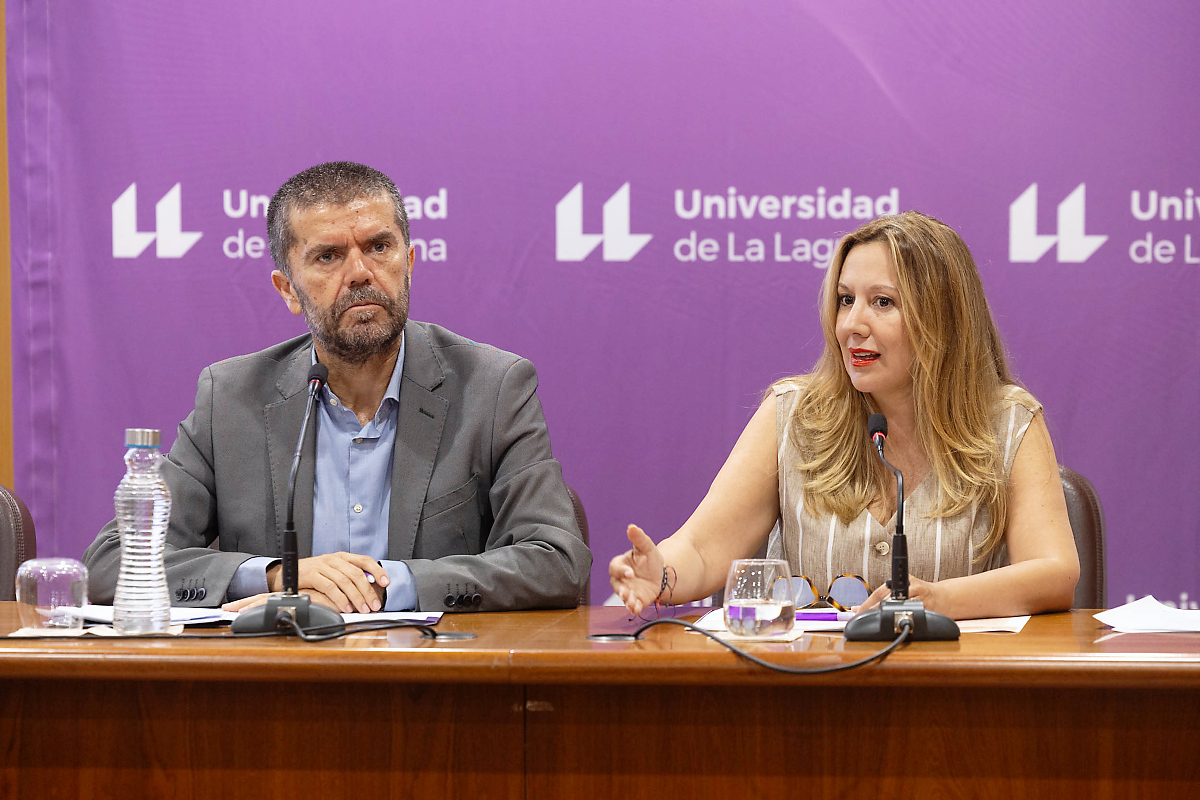 The collaboration between the Island Council and the University of La Laguna (ULL) also includes initiatives aimed at students, faculty, and administrative staff who need to continue using private vehicles. As part of this effort, the Island Council has granted the university a subsidy of €530,000 to install smart barriers in 13 university parking lots, a measure designed to prioritize access for high-occupancy vehicles to these spaces.
The Island Council and the University will continue working to progressively extend staggered schedules to new centers and degrees and to further develop other actions aimed at improving university mobility.

 Spanish
 English
 French