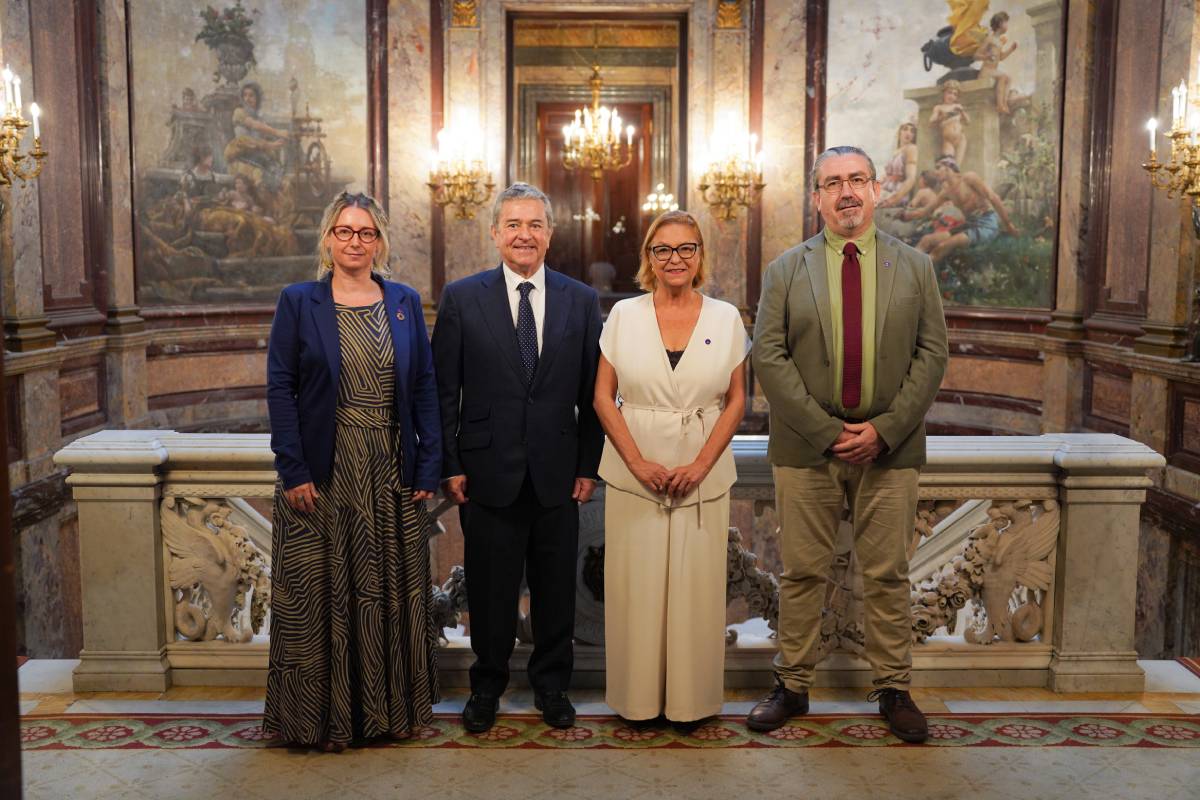
Casa de América has once again hosted the presentation of the international initiative of the University of La Laguna called Campus America, a major event that brings together some thirty research seminars, several thematic exhibitions and a wide agenda of cultural events that will unfold during the next month and especially from October 19 to 30.
Today, September 17th, the launch of this initiative took place with the participation of a large part of the consular corps stationed in Madrid. The initiative aims to strengthen the academic, scientific, and cultural ties between the University of the Canary Islands and its American counterparts, while also opening and reinforcing new avenues of collaboration. The ultimate goal is to create a space for Ibero-American dialogue on university cooperation, highlighting the current relationships between the University of La Laguna (ULL) and its Latin American counterparts while simultaneously developing new objectives. This year, Chile will be the guest country.
The presentation of the fifth edition of this biennial activity included the participation of the Chilean ambassador to Spain, Juan Antonio Coloma; the Vice-Rector for Internationalization and Cooperation of the University of La Laguna, Inmaculada González; and the directors of the secretariat of the same center, Sara González and Roberto González, who will present the academic program, the first, and an overview of the scientific cooperation of the ULL in the world, the second.
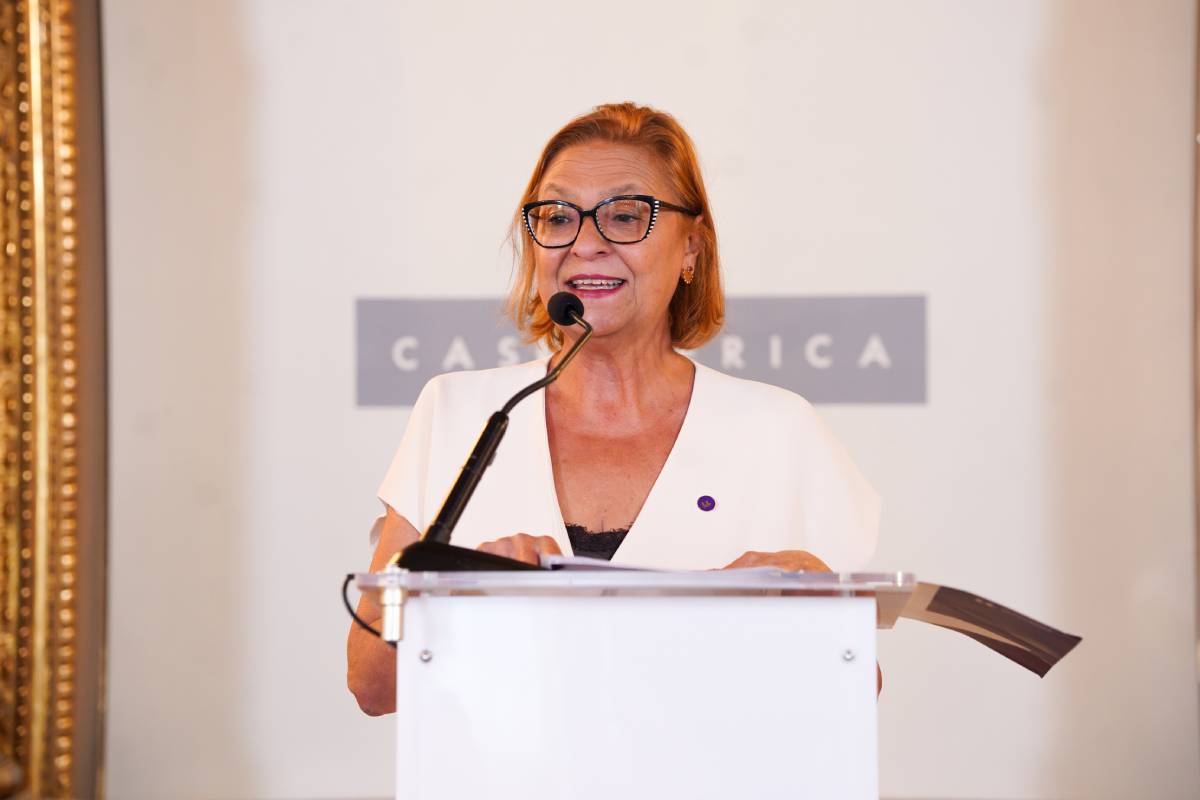
Inmaculada González.
Campus America, in addition to hosting a large number of academic and scientific activities, with the participation of 300 invited speakers from 56 universities and 14 countries, will also be the setting for the Conference of Rectors of Spanish and Chilean Universities, with the presence of more than forty rectors, with the aim of strengthening the mobility policies of students, teachers and technical staff, as well as addressing issues related to open science and good university practices in internationalization.
The aim of all this, the vice-rector indicated, is to continue deepening the creation of a true Ibero-American Higher Education Area, while promoting international teaching with Spanish as a reference, and, logically, promoting collaboration agreements in the Latin American sphere and making visible the work of the research groups of the University of La Laguna of an international nature.
Inmaculada González also added that offering spaces for reflection on democracy, historical memory, sustainable tourism, the oceans, astronomy, heritage, and relations between Latin America and the EU are other goals of this edition of Campus América. The dissemination of American culture, especially Chilean culture, through various exhibitions, musical activities, and gastronomic tastings is also part of this program.
Academic program
While various cultural events will take place throughout October, Campus América officially kicks off on the 19th with an institutional ceremony in the Paraninfo of the University of La Laguna, presided over by the President of the Canary Islands, Fernando Clavijo. The plenary lecture will be given by Carlos Malamud, Professor Emeritus of American History at the UNED (National University of Distance Education) and Senior Research Fellow for Latin America at the Elcano Royal Institute, who will speak on “The International Integration of Latin America in a Turbulent World.”.
The program highlights how much the Canary Islands and Chile have in common: isolated territories, the challenges of desalination, their special relationship with the ocean, the sky and astronomy, with the idea of extending these debates beyond the academic sphere to a more general audience.
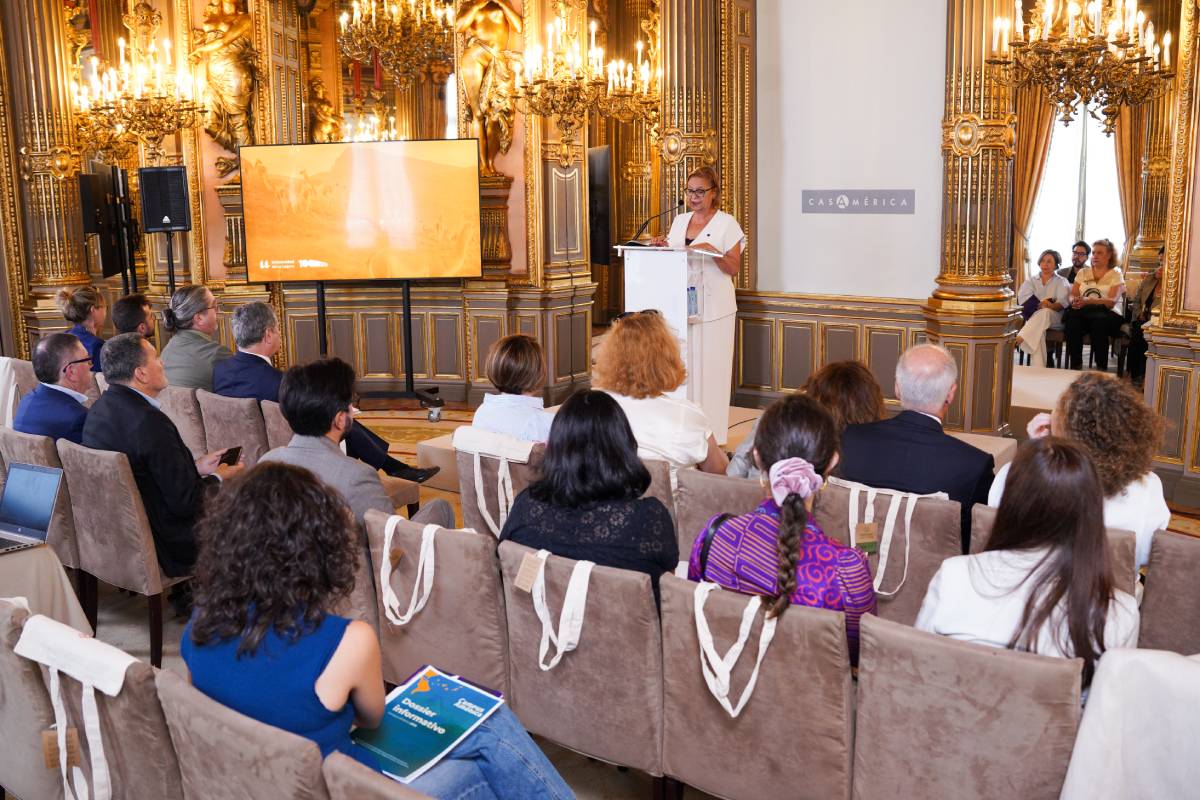 Campus América aims to strengthen collaborative teaching in Spanish through academic workshops and mirrored classes. Also new this year is the strengthening of economic and institutional ties between the public and private sectors, with the participation of a large business delegation.
Bringing Latin America closer to the public is another objective of Campus América, with some thirty research seminars, workshops, and cultural activities heavily focused on Chilean heritage. There will also be three roundtable discussions to address issues of science and education, with representatives from Chile and the Canary Islands. The second roundtable will focus on centralized and decentralized governments, led by a Chilean vice minister, who will share experiences with senators and high-ranking officials from Chilean and Canary Island municipalities. The third roundtable will address the alliances necessary for a sustainable future, discussing technology, science, tourism clusters, energy, chambers of commerce, and other related topics, with the aim of identifying new opportunities for collaboration.
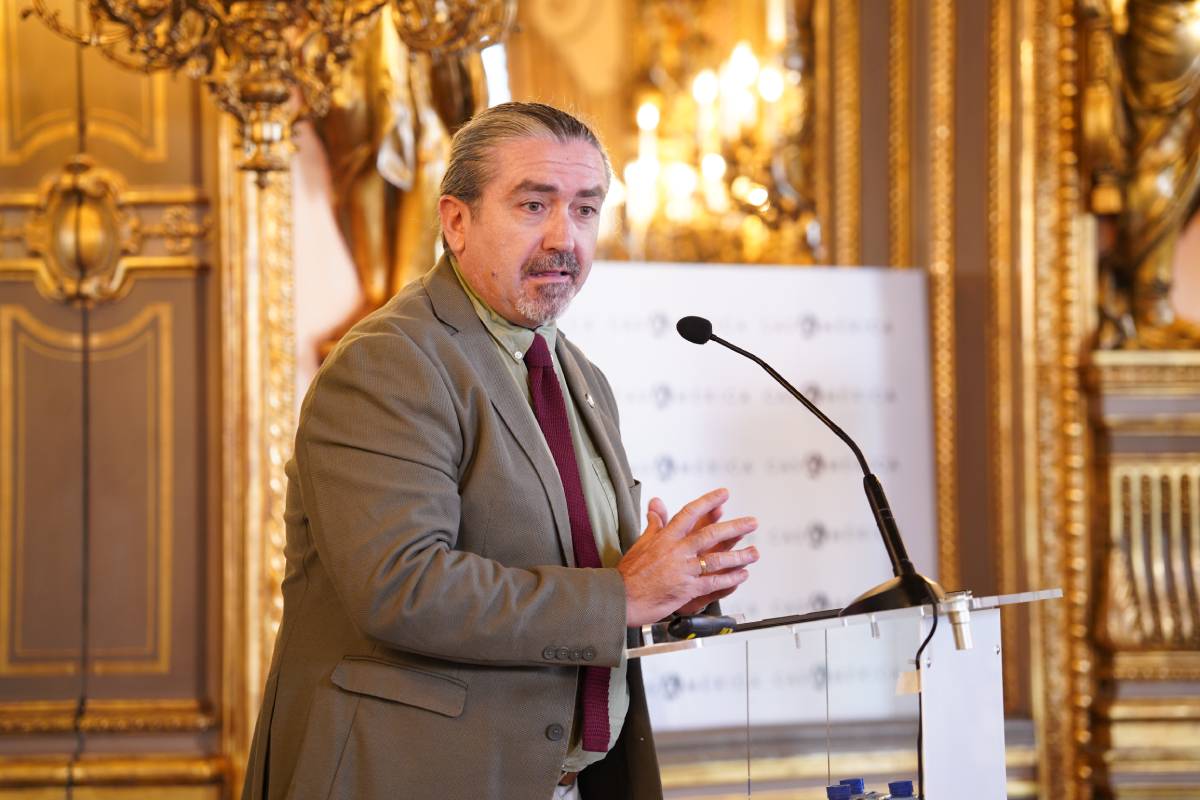
Roberto González.
Scientific projection
Roberto González presented the research activity of the University of La Laguna, highlighting its more than 85,000 open access publications, 1,800 researchers, 306 research groups, and nearly 900 ongoing projects. The Canary Islands university's primary collaboration is with Europe, but its second focus is Latin America and the Caribbean.
There are 548 publications with Chilean universities, 480 of which are with the University of Chile, followed by the Pontifical Catholic University. One of the fields where collaboration is particularly strong is astrophysics, as well as biomedical technology, educational development, and studies of inequality and poverty.
González highlighted that this year's research seminars, already published and with registration open, cover a wide range of topics related to democracy, rights, and memory; tourism, territory, and sustainability; education and innovation; memory and culture; and territory and sustainability. All of this reflects the international networks that the University of La Laguna maintains in many parts of the world.
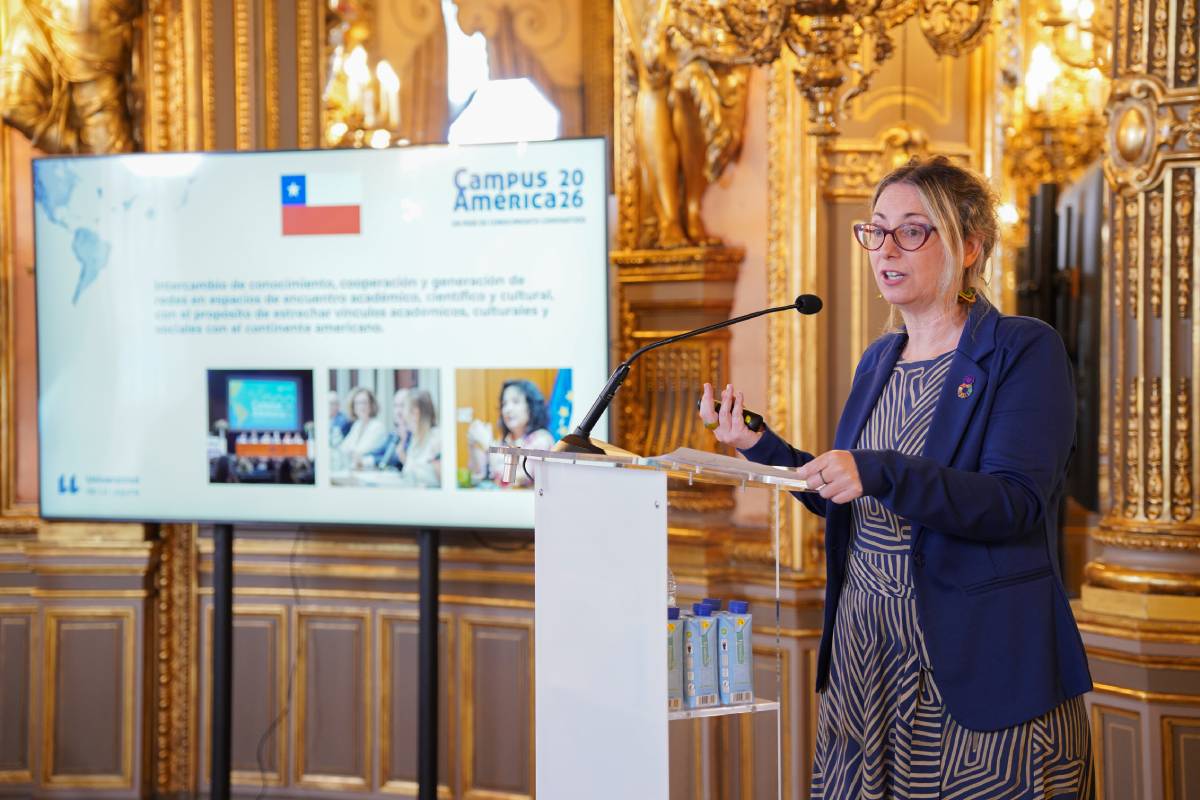
Sara Gonzalez.
Exhibitions, wine tasting, cinema
Another aspect that Campus América doesn't neglect is its cultural dimension. The program includes around twenty events of all kinds, and this edition features several exhibitions: 'Chile: Voices of Patagonia. Secrets of the Seabed', by photographer Eduardo Sorensen; 'Chile: Voices of Patagonia. The Work of Martín Gusinde', in collaboration with Filantropía Cortés Solari and Atelier EXBen; and 'Two Hemispheres, One Sky: The Canary Islands and Chile', curated by the University of La Laguna. All of these will be on display at the Casa de Anchieta in La Laguna.
The concert by Manuel García, an undisputed Chilean icon, is another highlight of the program. There will also be a Chilean music and food fair with cultural activities, children's workshops, tastings of Chilean products, and guided tours of the historic center, in a day that brings the campus to the streets for everyone to enjoy.
A video forum on Chilean cinema will be part of this event, featuring several film directors. The discussion will cover film, emigration, and memory, all at Multicines Tenerife.
The La Laguna City Council, the Government of the Canary Islands, the Embassy of Chile in Spain, Cajasiete, and Gesplan are the main sponsors of this international event, with the collaboration of the Organization of Ibero-American States, the Association of Chileans in the Canary Islands, the Chile-Spain Foundation, and some thirty private companies and entities. It is a combination of knowledge, cooperation, and culture, designed to generate new projects that will continue after the Campus concludes.
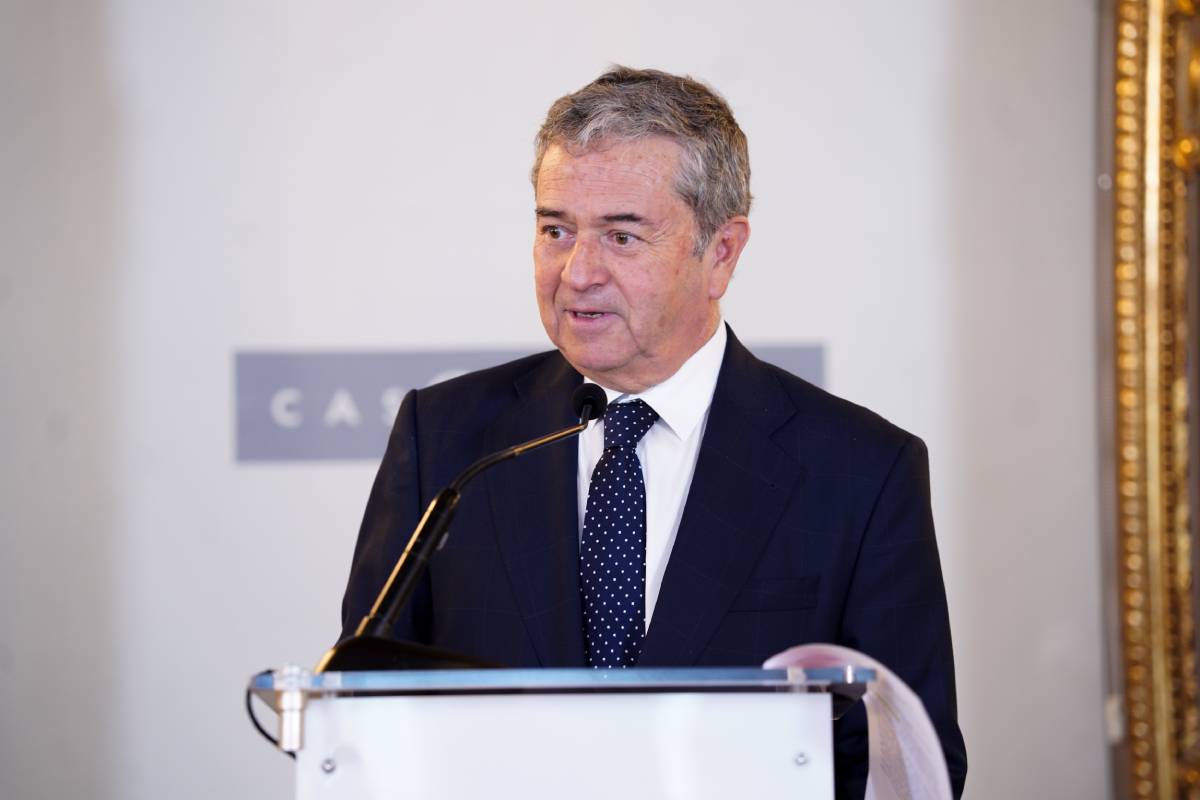
Juan Antonio Coloma.
The event was closed by Juan Antonio Coloma, Ambassador of the Chilean Embassy in Spain, who highlighted the close relationship between the two countries, and especially with the Canary Islands. “We don't want fleeting ties, but rather lasting and meaningful agreements,” the diplomat emphasized, and affirmed that Campus América is very much aligned with this approach.

 Spanish
 English
 French