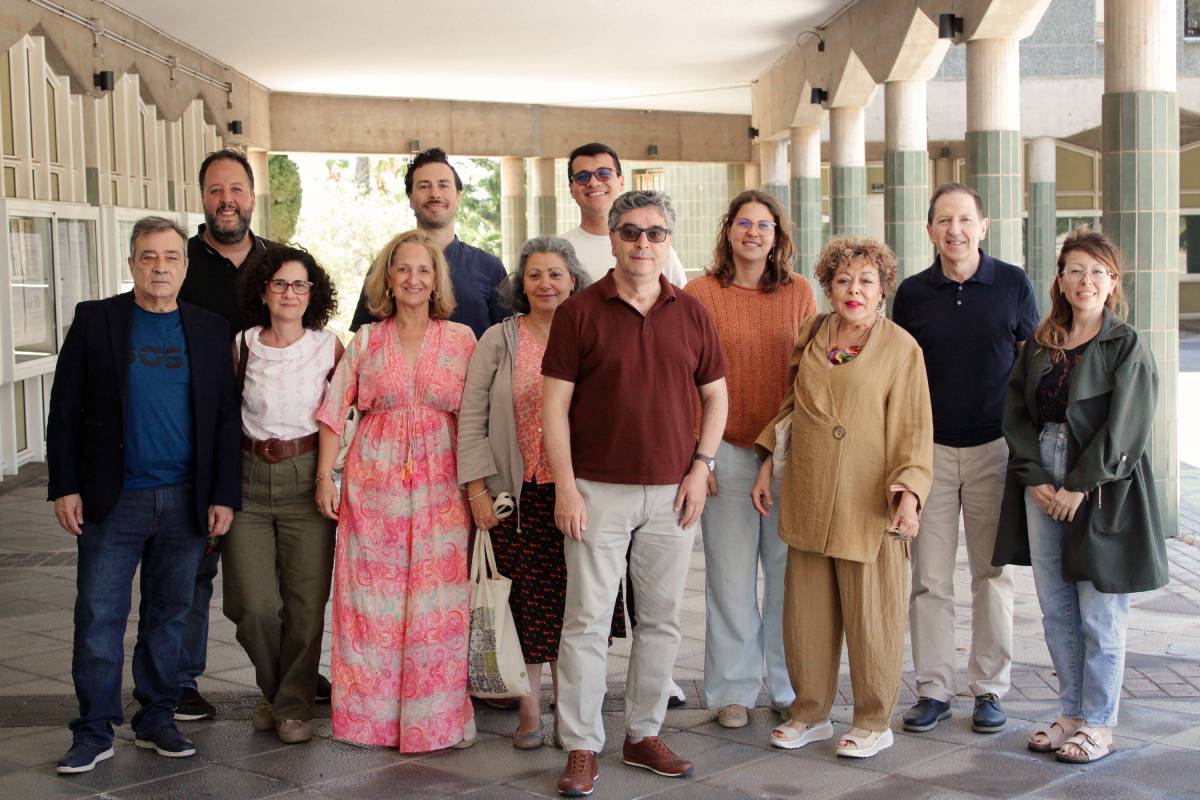
In the late 1980s, when several European universities had begun to invest in interdisciplinary humanities institutes, Spain still lacked similar initiatives. Inspired by French models, a group of professors from the University of La Laguna began meeting around the historian Eduardo Aznar Vallejo to build an innovative project within the Spanish university system. What began in the late 1980s and early 1990s as the Center for Medieval and Renaissance Studies (CEMYR) would eventually become, in 2008, the current institution. University Institute of Medieval and Renaissance Studies (IEMYR), a pioneer in introducing this way of understanding research in the Humanities.
The director of the institute, Juan Manuel Bello León, who participated in that founding stage, recalls that the initiative arose after observing the operation of several French centers: “At that time, interdisciplinary humanities institutes had been created in several European universities. They didn't exist in Spain; the one in La Laguna was the first, the one that paved the way,” he explains. The proposal was promoted by the emeritus professor Eduardo Aznar Vallejo, who began to bring together researchers from different fields with a shared interest in the Middle Ages. Among those who participated alongside him were José Gómez Soliño, Dulce González Doreste, Dolores Corbella, Antonio Tejera Gaspar or Berta Pico Graña, teachers who would eventually shape CEMYR.
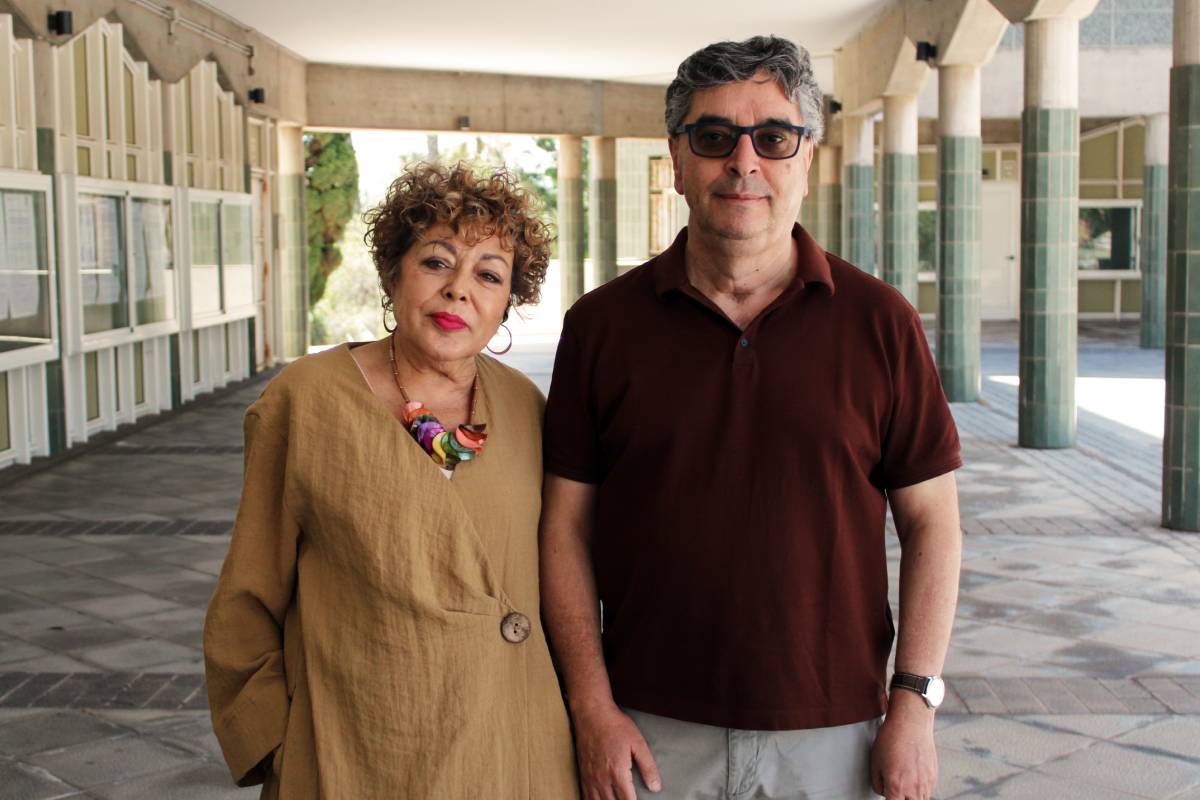
Dulce González Doreste and Juan Manuel Bello León, the current director of the institute and his predecessor in the position.
From its inception, the project aimed to bring together specialists from diverse disciplines. History, Art History, Archaeology, Law, and Philology coexisted in the same research space with the goal of studying the medieval and Renaissance world from multiple perspectives. “We realized that this line of research was lacking at the University of La Laguna, which focused primarily on medieval studies from any point of view: Biology, Art, or Law,” recalls the director. This interdisciplinary approach continues to be, more than three decades later, one of the institute's defining characteristics.
Juan Manuel Bello recalls that, in the early years, one of the main tasks was to explain why it was important to maintain a line of medieval studies in the Canary Islands. In a university context accustomed to focusing on disciplines such as biomedicine, astrophysics, or engineering, defending the relevance of medieval research from a territory far removed from the major European academic centers was not always easy. “It is true that the Canary Islands, chronologically speaking, entered the medieval world very late,” he acknowledges. But this circumstance, he maintains, does not limit the field of work for Canarian researchers: “That doesn't prevent us, as Canarian researchers, from also working on medieval authors or on historical problems related to Cologne, London, or Burgos.”.
The connection with the Canary Islands was, in fact, another pillar of the project from its inception. Its founders were committed to taking academic activities out of the university and bringing them to different parts of the archipelago, holding one of the seminar sessions in a different municipality each year. For Bello, this outreach effort is one of the project's main contributions to Canarian society: "I believe we have reached Canarian society, and that our main contribution to our community is precisely our outreach activity." This work is further complemented by research on the territory itself, from history and philology to art history and cartography: "We work on the history of the Canary Islands, its philology, its art history, and its cartography," he adds.
The consolidation of the project led to the fact that, through the decree By order of the Government of the Canary Islands 119/2008 of May 27, the former CEMYR was transformed into a university institute in 2008. The change responded to the need to provide the center with a structure capable of promoting official master's and doctoral programs, developing highly specialized research and attracting funding from national and international calls.
After the model promoted by the University of La Laguna was created, other universities followed suit. in the image and likeness Teaching and research centers have attempted to maintain the spirit and objectives of the Laguna center. Today, there are institutes with similar characteristics at universities such as León, Salamanca, and Barcelona, with which the Tenerife institution maintains a close collaborative relationship.
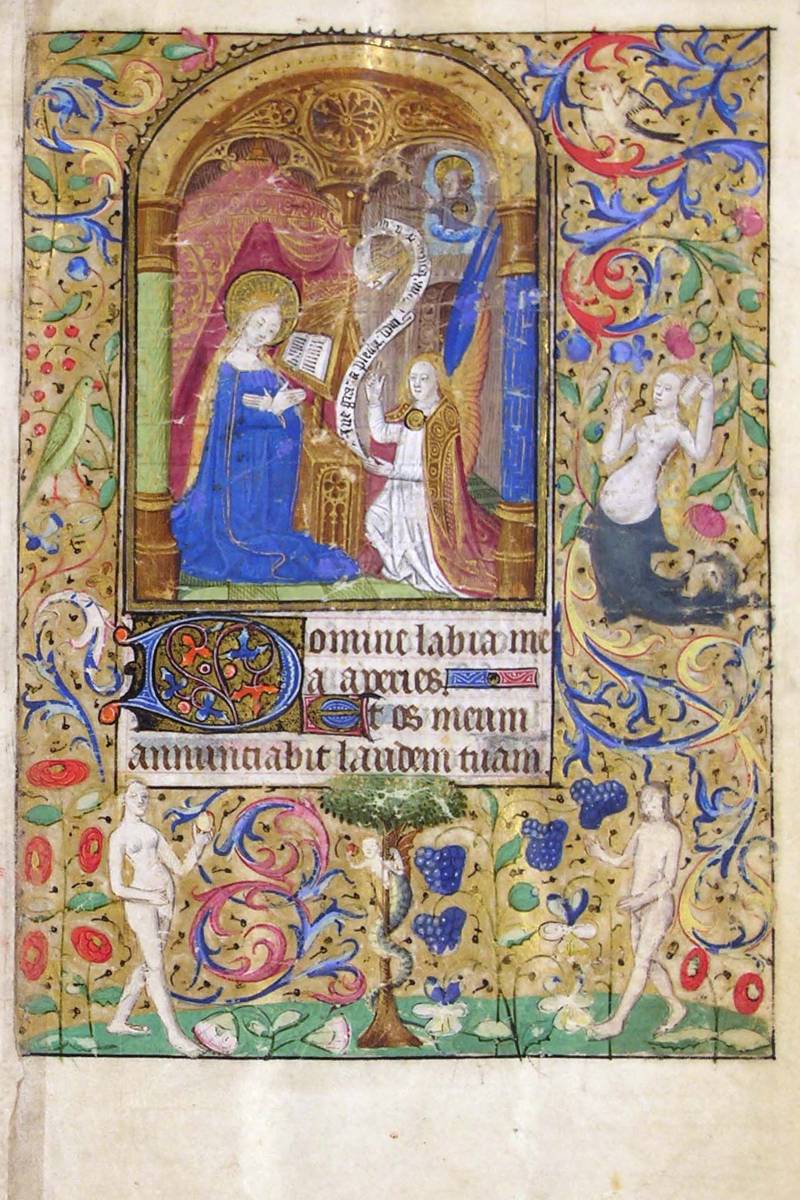
Page from the Book of Hours of the University of La Laguna (ULL) used for the cover. It is the most valuable piece in the University Library and one of the most beautiful examples of Gothic architecture preserved in the Canary Islands. Image courtesy of the ULL Rare Book Collection.
Main lines of action
The activities of the IEMYR encompass three main areas: teaching, research, and university outreach. Although its members teach in the various degree programs at the University of La Laguna, the institute complements this training through courses and activities specifically aimed at students in the final years of their undergraduate and postgraduate studies.
The other two pillars of the institute's activity, research and university extension, are developed throughout the year and materialize mainly in two initiatives that are held periodically: the IEMYR Seminar and the Course of Medieval and Renaissance Studies. The first, held continuously since 1991 and taking place in the spring, has brought together more than 200 national and international specialists at the University of La Laguna. “The cream of the crop has come (if we can use that expression), the best Spanish, European, and, in some cases, American specialists,” the director emphasizes. Meanwhile, the Course on Medieval and Renaissance Studies, held in the first semester of each academic year and aimed at university students and the general public, seeks to introduce participants to the topics that will later be addressed in the spring seminar. Alongside these events, the institute promotes competitive research projects, as reported in the scientific journal. CEMYR Notebooks and carries out extensive outreach work through conferences and other academic initiatives.
Research groups
Inspired by the model of European research centers that emerged in the second half of the 20th century, which promoted the integration of multiple areas of knowledge, the IEMYR brings together eight interdisciplinary groups with more than twenty specialists. Its director, Juan Manuel Bello, emphasizes the distinctly multidisciplinary nature of their work, based on collaboration among experts from different disciplines and universities. This approach fosters the exchange of perspectives and strengthens the projects promoted by the institute. After almost four decades, the IEMYR has established a leading academic community comprised of renowned teams.
Roberto González Zalacaín. Photo: Emeterio Suárez
Juan Manuel Bello coordinates, together with Roberto González Zalacaín, the group Castile and the Sea in the Late Middle Ages (GICYEM). Since its inception, this team has spearheaded a renewal of studies on the medieval maritime world, moving away from a conception focused almost exclusively on naval history and the Early Modern period to align its analyses with the main European historiographical trends. Thanks to various projects funded under the National R&D&I Plan, the group has developed different lines of research focused on the maritime and social history of the Crown of Castile between the late Middle Ages and the beginning of the Early Modern period. This work has been strengthened by close collaboration with research teams from European universities specializing in this field.
The emeritus professor Dulce González Doreste has led the group since its creation Studies on the construction of the feminine ideal. Texts and contexts (FEMITEX), dedicated to the analysis of so-called catalogues of illustrious women. These works bring together biographical sketches of prominent women from mythology, the Bible, and various historical sources, presented according to certain categories or virtues, and constitute a valuable source for understanding the construction of female role models throughout history.
The research carried out by FEMITEX has focused on studying the representation and historical projection of these archetypes. Among its main contributions, the national project stands out. Feminine archetypes in medieval French treatises on the education of women: origin, evolution, function and lexicon, whose results were later compiled in the work Female stereotypes from classical antiquity to the 16th century.

Maravillas Aguiar Aguilar
The work of the group LATIN-ARABIC. Texts and contexts of Greek, Latin and Arabic scientific knowledge, coordinated by the professor Maravillas Aguiar Aguilar, This research group focuses on the transmission of scientific knowledge during the Middle Ages and the Renaissance through Greek, Latin, and Arabic traditions. Its members investigate, in particular, medieval Arabic scientific and technical literature, with special attention to the construction and use of astronomical instruments. They also analyze Arabic and Latin sources on medicine, geography, and cartography to delve into the processes of continuity and transformation of scientific knowledge between the medieval and Renaissance periods. This interest in the circulation of knowledge and in written scientific production in Europe during the Age of Discovery has led to several national research projects, as well as seminars organized within the IEMYR (Institute of Studies of the Middle Ages and the Renaissance).
The group falls into this same category. The history of medicine in its Greek and Latin texts (HMSTGL), coordinated by Professor Justo Pedro Hernández González. Although he is not currently engaged in research, his work was focused on the study of medical literature from Antiquity and contributed to expanding the Institute's lines of research in the field of the history of science.
In the field of Philology, the group's activity stands out. Lexicography and History (LexHis), which has the professor Alejandro Fajardo Aguirre As head of this department, her work focuses on analyzing the historical evolution of the Spanish lexicon and its lexicographical traditions, combining philological analysis of sources with tools specific to digital lexicography. Her main lines of research encompass medieval Spanish, Atlantic and American lexicon, contacts between Spanish and Portuguese, the history of dictionaries, and the development of corpora, databases, and search platforms, contributing to the consolidation of a research line with an international reach at the University of La Laguna.
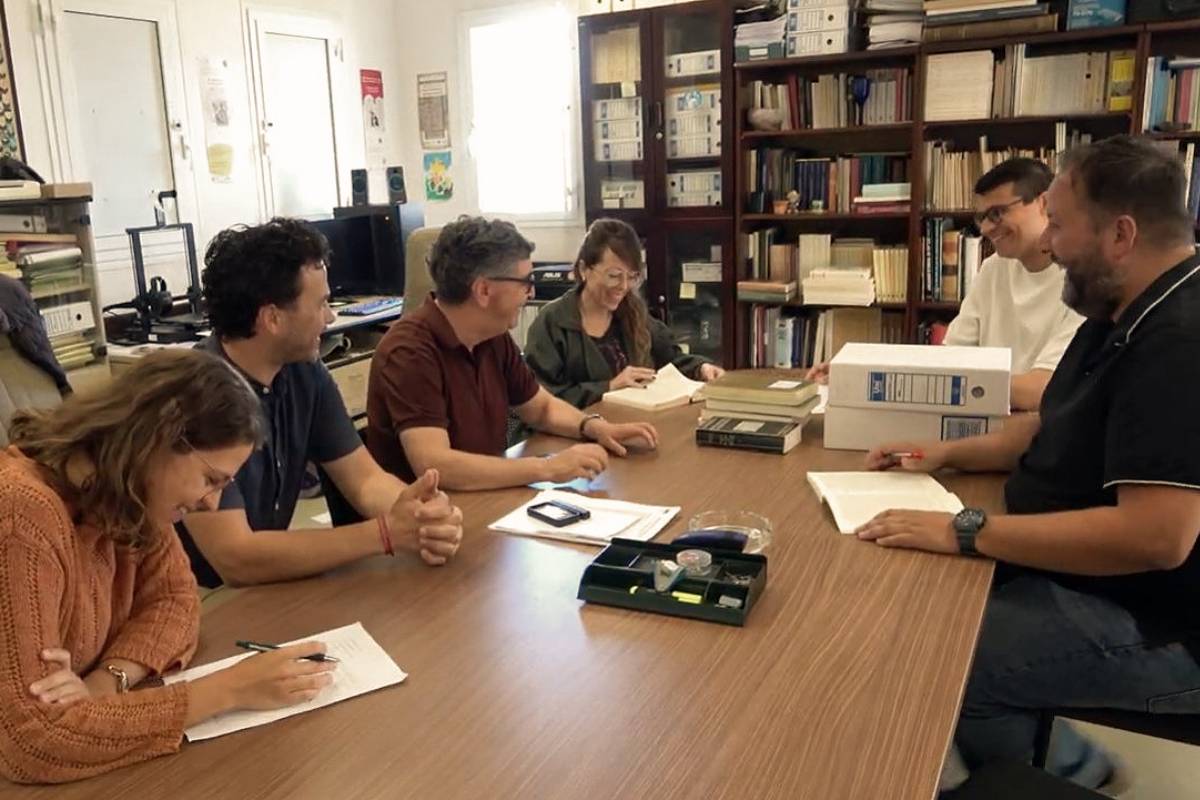 Among its most notable initiatives are CORDICan (Documentary Corpus of the Canary Islands), This interdisciplinary project, a collaboration between historians and philologists, aims to integrate the Canary Islands' documentary heritage into leading national and international studies. To achieve this, the team is working on the digital edition of documents produced between the 16th and 19th centuries, making a large open-access documentary corpus available to the research community and the general public.
The group also carries out its activities in the field of linguistics. TRADyLAT: Lexicological studies, linguistics, metrics and text translations, led by the professor Francisca del Mar Plaza Picón. Their research focuses on Latin phraseology and lexicology, particularly in the fields of botany, pharmacology, astronomy, cosmology, and meteorology. The group also delves into the study of Latin metrics, with special attention to the metrical doctrines of early medieval authors. Another of their main lines of research involves the analysis of didactic and scientific-technical treatises from the Middle Ages and the Renaissance, paying special attention to classical sources and the study of processes of scientific and intellectual continuity and discontinuity through Latin texts of classical and Arabic tradition.
The group Palingests. Celebration and spectacle in popular culture in its Atlantic context: Literature, Art, Cinema and Theatre It is directed by the researcher José Antonio Ramos Arteaga. The group was created as an open forum for initiatives developed within the Humanities, with the aim of rescuing, studying, and disseminating the textual heritage of the Canary Islands in its broadest sense. Its object of study encompasses written texts, the performing arts, film, and documentary. The group's research activity is structured around three main lines of work. The first focuses on the recovery of textual heritage through the critical editing of original sources. The second addresses the arts in the Canary Islands from an Atlantic perspective, moving beyond exclusively regional or national approaches to situate the archipelago's cultural production within the transnational and transatlantic exchange networks that have shaped its history. The third adopts an interdisciplinary approach that integrates Cultural Studies to analyze the relationships between high culture and popular culture, also incorporating postcolonial, feminist, and anthropological perspectives.
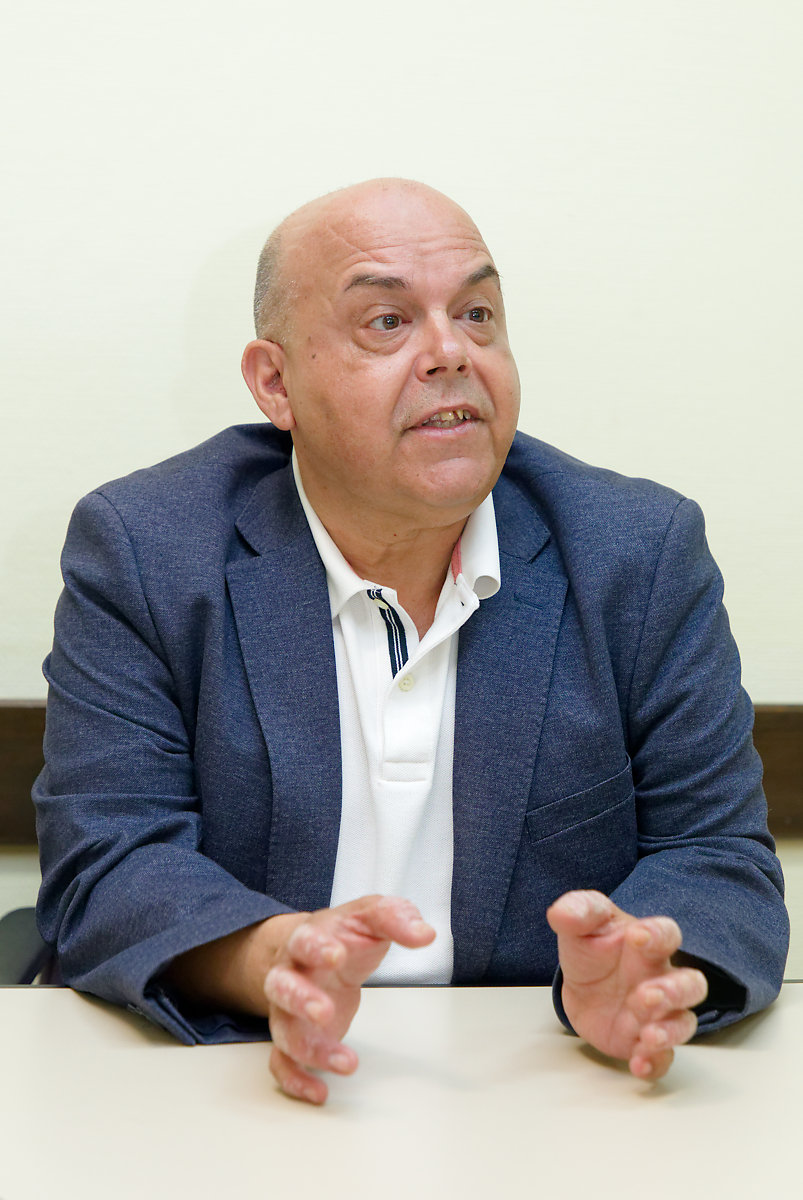
José Antonio Ramos Arteaga. Photo: Emeterio Suárez.
Among the group's main achievements, its leader highlights the publication of First treasure of theater in the Canary Islands, carried out in collaboration with the Institute of Canarian Studies. second edition This work is currently in the publication process, following the completion of a research project funded by the Government of the Canary Islands. In addition to its scientific output, PALINGESTOS actively participates in conferences and academic meetings, and its members are involved in national research projects. Among them are Literary almanacs in 19th-century Spain: cataloging, study, editing and criticism, funded by the National Research Plan of the Ministry of Science, Innovation and Universities.
The group Archaeology, History and Heritage (ARQHISPA), coordinated by the researcher Esther Chávez Álvarez, Her research focuses on the study of Phoenician, Punic, and Roman civilizations in the Mediterranean and Atlantic Africa, while also paying special attention to the aboriginal populations of the Canary Islands. Her investigations highlight the cultural interactions between these territories and encompass historical and archaeological analysis, as well as the technical, management, and outreach aspects of archaeological heritage.
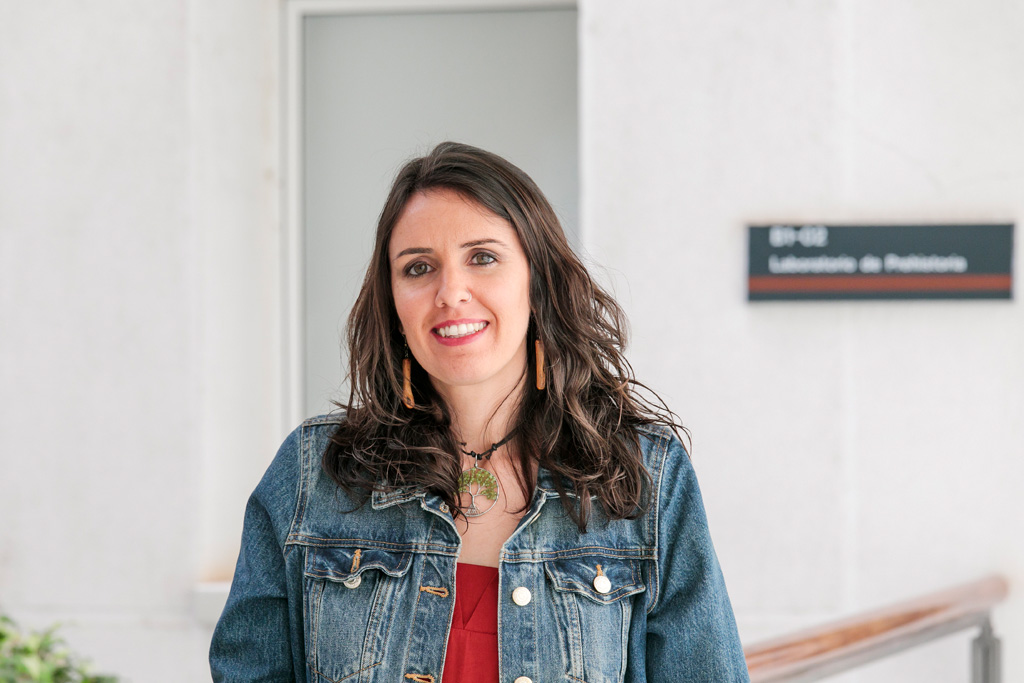
Paloma Vidal Matutano. Photo: Emeterio Suárez.
Currently, the group is developing two research projects funded through competitive calls from the Ministry of Science, Innovation and Universities, both led by the researcher Paloma Vidal Matutano. These projects analyze, on the one hand, the basketry and rope making of the aboriginal populations of the Canary Islands and, on the other hand, the use and management of woody resources during the pre-Hispanic and colonial periods of the archipelago.
Magazine CEMYR Notebooks
The Institute's research work is also reflected in CEMYR Notebooks, The journal, a scholarly publication founded in 1993, a few years after the establishment of the Seminar on Medieval and Renaissance Studies, initially focused on the papers and presentations given at the annual seminar. However, adapting to new scientific evaluation criteria spurred its transformation. Since then, the journal has broadened its scope to include original research and has established itself as a leading specialized publication. “Today, it is a very well-positioned journal within the field of the Humanities,” emphasizes its editor, Juan Manuel Bello, who also underscores the significant expansion of its reach through digital publication: “The digital edition allows us to reach many more people and disseminate both the annual seminar proceedings and research articles and special issues,” he explains. He adds, “It’s a lot of work for the editorial committee, but it’s an essential tool for the institute because it allows us to maintain a consistent presence and publicize our work.”.
In December 2025, the IEMYR hosted the meeting of the leading academic association in the field, the Spanish Society for Medieval Studies. The meeting brought together more than 50 specialists from Spain and Europe at the University of La Laguna. “Twenty or thirty years ago, it would have seemed unthinkable that a meeting of this kind could be held in the Canary Islands,” Bello points out. The event, promoted by the institute with the support of the Ministry, the Rector's Office, and other institutions, had a significant impact, given that the Society boasts thousands of members, a prominent international presence, and a wide reach throughout the Spanish-speaking world, from Mexico to Patagonia.
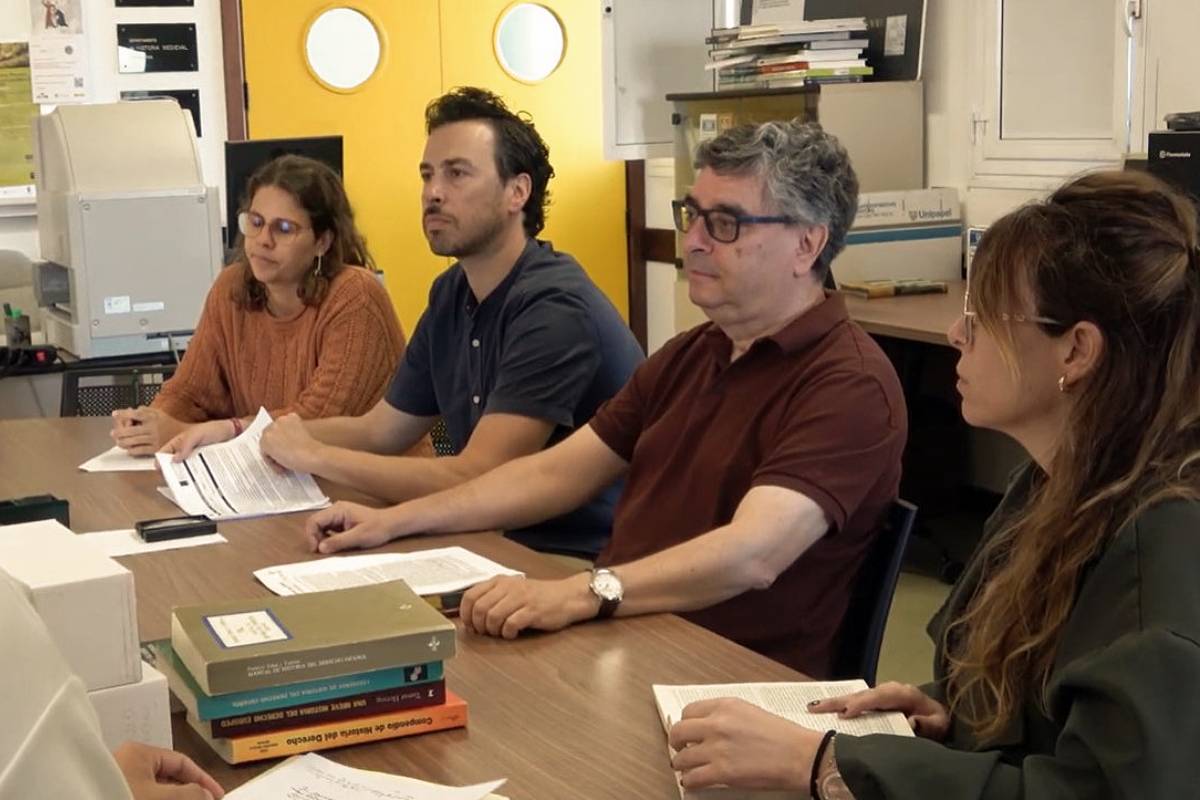
On the other hand, the IEMYR has also organized numerous cultural events, lecture series, book and art exhibitions, as well as theatrical performances. These performances, an essential part of the annual seminars, are presented by the Philology Theatre Group of the University of La Laguna, directed by José Antonio Ramos Arteaga, which adapts medieval or Renaissance works related to the theme of each edition.
 Consolidate research and generational renewal
Looking ahead, the university institute's primary objective is to consolidate its position in research and teaching: "We have teaching pretty much secured; where we're encountering more difficulties is in research, which is a widespread problem in the Humanities," he states. According to Juan Manuel Bello, the institute's greatest hope is that the various research groups could obtain sufficient funding to consolidate their work through competitive projects. "There was a time when we were more than thirty people; now we're a bit fewer," he notes, before emphasizing that "the most important thing is to provide a solid foundation for the young researchers who are joining.".
Among its goals is also maintaining medieval and Renaissance studies as part of the high-quality offerings of the University of La Laguna and reinstating a European inter-university Doctoral Program that allows students to complete their specialized studies at a renowned institution. In addition, there is a commitment to reviving the Master's Degree in European Medieval Studies, a program originally developed by the institute itself, which once boasted a student body and a well-established track record.
The institute also intends to continue two of its most emblematic initiatives, the IEMYR Seminar and the Course in Medieval and Renaissance Studies, activities that have been part of its identity for over three decades. Furthermore, it is working to expand its collaborative network to other Atlantic regions, such as Cape Verde, the Azores, and Madeira, and to consolidate the international standing it has built over the years.
“But above all, the important thing is to consolidate the skills of the young people who are entering the field and to promote the study of medieval civilization in all its areas,” says Bello. Although numerous undergraduate and master's theses related to these topics continue to be submitted, he acknowledges that it is more difficult to sustain this research due to a lack of support and funding. Even so, he remains optimistic: “We don't know if we will fully succeed, but I do perceive that there is still interest from students and society.”.
Looking ahead, the director is confident that the more than 200 medievalists from Europe, America and Africa who have visited the University of La Laguna thanks to the institute's activities represent only the beginning of a trajectory destined to consolidate the IEMYR as a center of reference in the field of Humanities.
Scientific Culture and Innovation Unit of the University of La Laguna (Cienci@ULL)

 Spanish
 English
 French