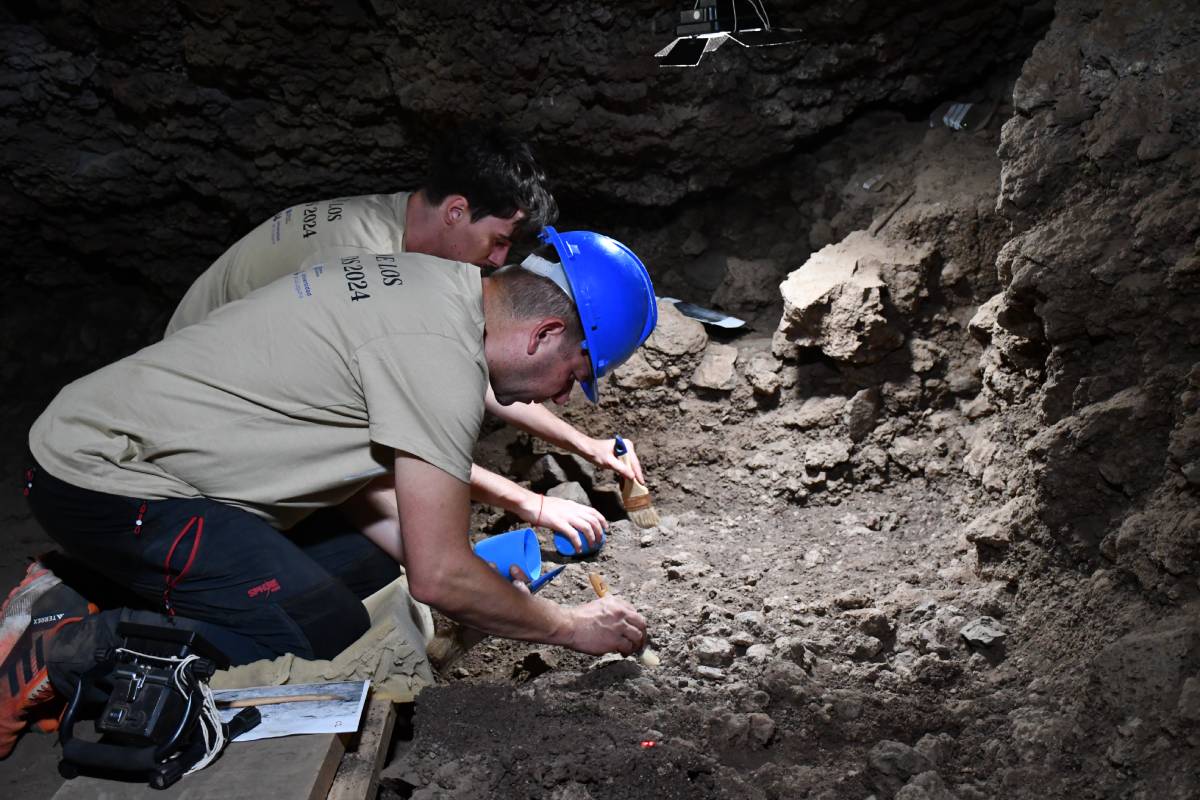
The Cave of Los Cabezazos, located in the Agua de Dios Ravine, in the municipality of Tegueste, preserves an exceptional record for understanding the life of the Guanche populations. Research published in Journal of Archaeological Science: Reports It reconstructs its use over approximately nine centuries, from the 6th-7th centuries to the 15th century, and provides new evidence about the changes in the uses of this site over time.
He job, A study, authored by a team from the universities of La Laguna, Valencia, Basel, Milan, and the Autonomous University of Barcelona, presents 24 new radiocarbon dates obtained from the remains of domestic animals. These results make the Cueva de Los Cabezazos (Cave of the Heads) “the aboriginal site in Tenerife with the most extensively dated archaeological sequence to date,” according to [the authors/researchers]. Salvador Pardo, first author of the article and researcher at the University of La Laguna.
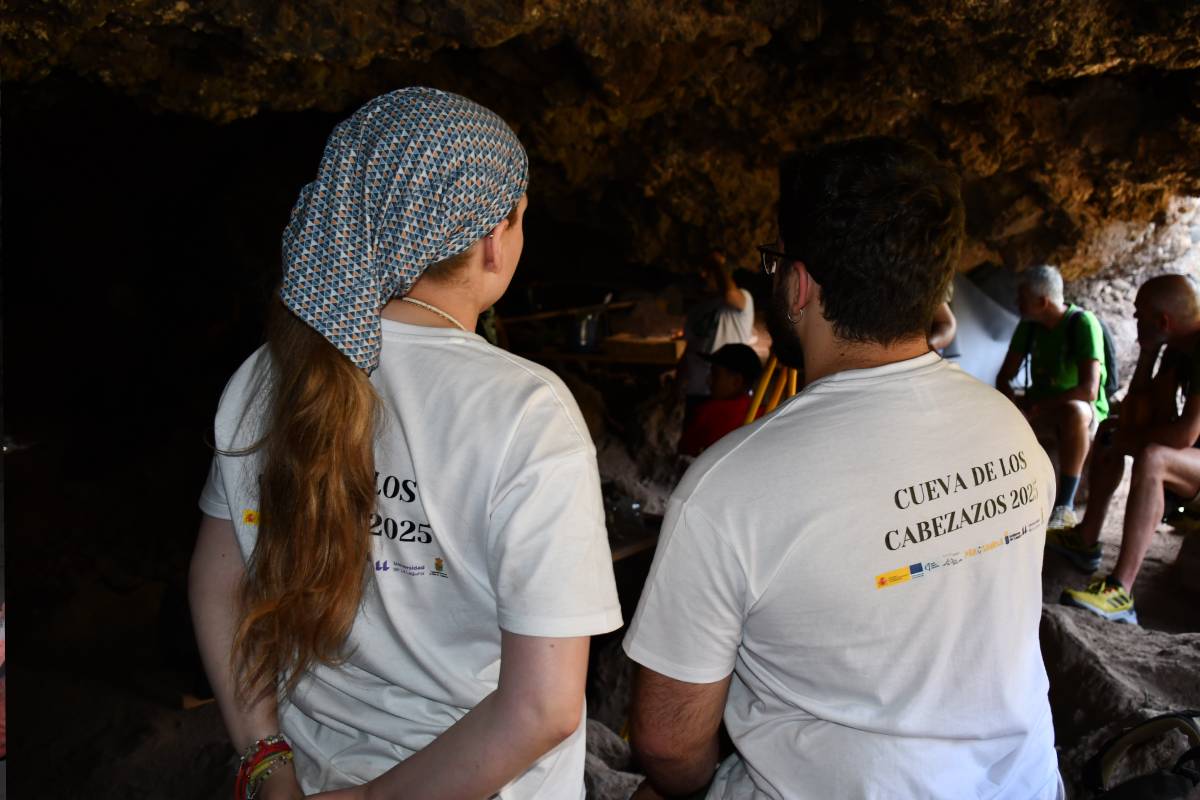
The research is part of the work resumed in 2023 by the ULL research group "Island Societies and their Interaction with the Environment" in a cave known to Canarian archaeology since the excavations of Luis Diego Cuscoy in the 1970s. The new interventions, financed by the General Directorate of Culture and Cultural Heritage of the Government of the Canary Islands and the Ministry of Science, Innovation and Universities, allow that legacy to be reviewed with current techniques and to reconstruct with greater precision when and how the cave was used.
 To establish this chronology, the team analyzed bone remains of sheep, goats, and pigs using radiocarbon dating. They then integrated the dates into statistical models that take into account the position of the samples within the different layers of the site. This combination allows them to pinpoint the sequence of occupations and assess the consistency of the results.
The oldest evidence points to a possible start of use of the cave in the late 6th century, while the most recent deposits date to the 15th century with contact with the European population. Taken together, the record allows us to trace a long history of use prior to the Castilian conquest of the island.
One of the main findings is the identification of changes in the cave's function. The oldest levels, located in the inner section, contain abundant ceramics, stone tools, and bone implements linked to domestic activities. In later phases, especially from the 13th century onward, the deposits near the entrance show evidence consistent with its use as a stable.
This interpretation is supported by the composition of the archaeological materials and the presence of deposits of the type fumier, associated with the accumulation and burning of livestock waste. However, the absence of a preserved stratigraphic connection between the two excavated sectors makes it impossible to determine whether domestic and livestock activities coexisted.
The study also compares the results with available dates for other sites in Tenerife. “This analysis reinforces the importance of the Barranco de Agua de Dios as one of the documented centers of stable settlement on the island from the 6th-7th centuries and offers a more solid basis for investigating the territorial organization of the Guanche communities,” says Paloma Vidal, co-director of the project.
Ongoing work on the recovered materials will allow for a deeper understanding of their diet, livestock practices, use of plants, and relationship with the environment. New Carbon-14 dating of the sequence provides the necessary framework for studying how these practices changed over the centuries.

 Spanish
 English
 French