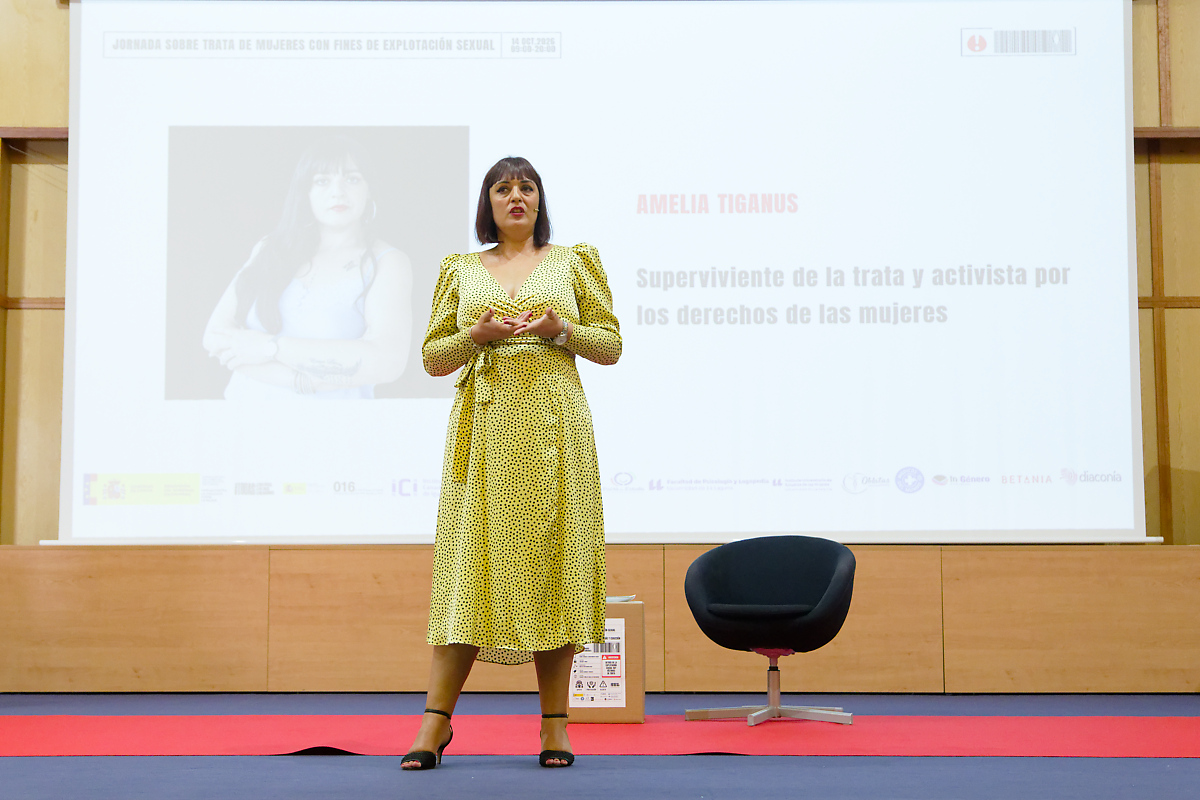
The University of La Laguna hosts today, October 14th, the Conference on trafficking in women for sexual exploitation, a meeting that brings together institutional representatives, researchers, professionals and social entities to address the causes of this form of violence, its recruitment mechanisms and the necessary responses to protect the victims.
The event, held in the Aula Magna of the César Manrique General Lecture Hall on the Guajara Campus, began with an opening ceremony in which the Vice-Rector for Culture and University Extension, Isabel León, emphasized the responsibility of public universities in research and knowledge transfer regarding social issues such as human trafficking. She also highlighted the importance of collaboration between the academic community, institutions, and specialized organizations to promote data-driven decision-making based on the experience of those who work directly with victims.
During the opening, emphasis was also placed on the need to strengthen institutional coordination, improve the detection of possible cases, and guarantee the protection and support of affected women, especially in the face of new forms of recruitment that are developing through digital environments.
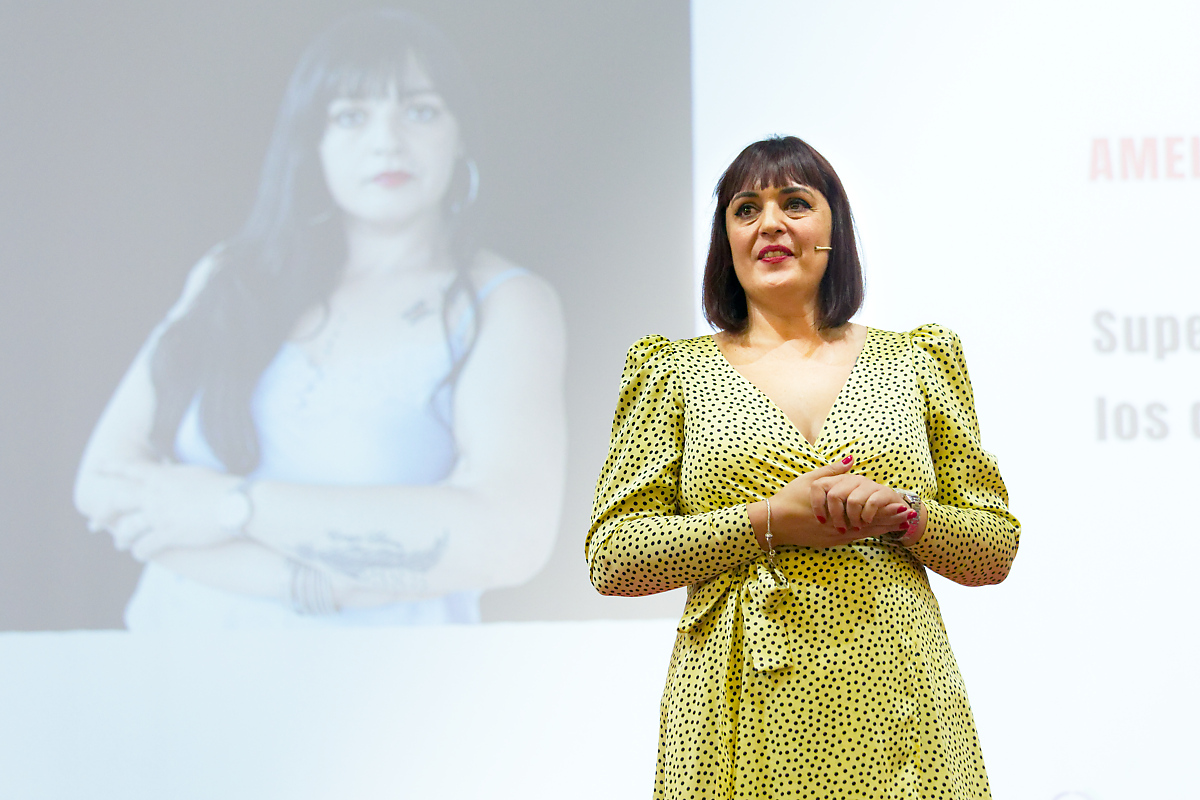
Amelia Tiganus, during her presentation on the Guajara campus.
From personal experience to social transformation
The first conference, entitled From experience to knowledge: the voice of survivors in public policy, The presentation was given by Amelia Tiganus, who drew on her personal history to analyze the social, economic, and psychological mechanisms that foster sexual exploitation. The activist emphasized the role of survivors not only as witnesses to the violence they have suffered, but also as voices capable of contributing knowledge to public policy.
Recalling the sexual assaults she suffered during her childhood and adolescence, she lamented that the adults around her did not recognize the signs of suffering she displayed: “Those cries for help that I made…There was no one around me, no adult who knew how to see that they were nothing more than indicators of deep suffering.”.
Tiganus also addressed the recruitment strategies of pimps, who can exploit women's emotional and economic needs and present themselves as figures of protection. In this context, she explained the concept of "learned helplessness" to challenge the prejudices that blame victims for not leaving situations of violence. She also reminded the audience that exploitation involves not only the harm suffered, but also the lost life opportunities: "They not only stole my life through all the harm they did to me, but also through all the good things I was unable to experience.".
The activist called for a shift in focus from women in prostitution to those who sustain the system of sexual exploitation, especially pimps and men who pay for sex. Questioning whether payment implies desire or consent, she made a statement that drew enthusiastic applause from the audience: “She doesn’t want it, that’s why you pay. It’s simple.”.
She also reflected on how the segregated education of boys and girls perpetuates gender inequalities and shapes emotional relationships. In this regard, she addressed the so-called “rape culture,” which blames victims of sexual assault while rendering perpetrators invisible. Using an example of consent that she employs in her workshops with teenagers, she questioned the normalization of fear in sexual relationships: “How can we enjoy sexuality while feeling fear? It’s incompatible.” In contrast, she advocated for comprehensive sexuality education based on desire, reciprocity, and respect.
In closing her remarks, Tiganus emphasized the importance of the support she received during her recovery and championed the power of survivors to drive social change. “Nothing gives my life more meaning than transforming my experience into something revolutionary,” she stated, before inviting the audience to get involved in building a more just society.
Investigation, prevention and support for victims
The program continues in the morning with a presentation by the sociologist and researcher from the University of La Laguna Alba Cabrera, which will address trafficking for sexual exploitation in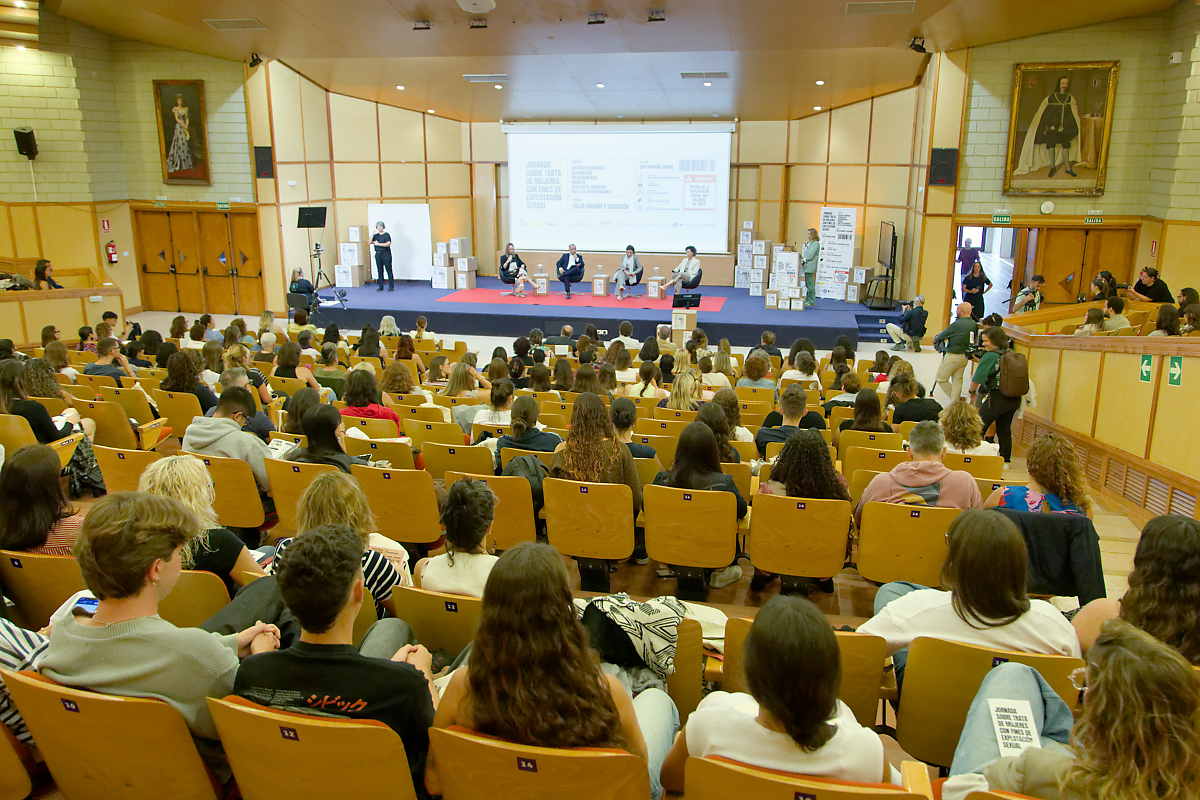 The Canary Islands from the perspective of structural inequalities. In statements prior to the conference, Cabrera warned that “reports from her research group point to an increase in Canarian and Spanish women affected by trafficking and highlighted economic vulnerability as one of the factors requiring special attention.” She also argued that public policies must address both the protection of women and the demand for prostitution.
The following presentations will delve into new forms of digital recruitment, the ethnic-racial dimension of sexual exploitation, and the detection and healthcare of victims, with the participation of professionals from Diaconía, Ingénero, and Doctors of the World.
In the afternoon, the program will address coordination between state security forces and specialized organizations, as well as community prevention, trauma care, and comprehensive support resources. Among the participants is Celia Pontiga from Betania, who explained before the meeting that identifying potential victims can require months of monitoring and actions outside of normal business hours. The organization works to detect situations of exploitation and offers psychological, medical, legal, and social support, in addition to residential resources to facilitate the recovery of survivors.
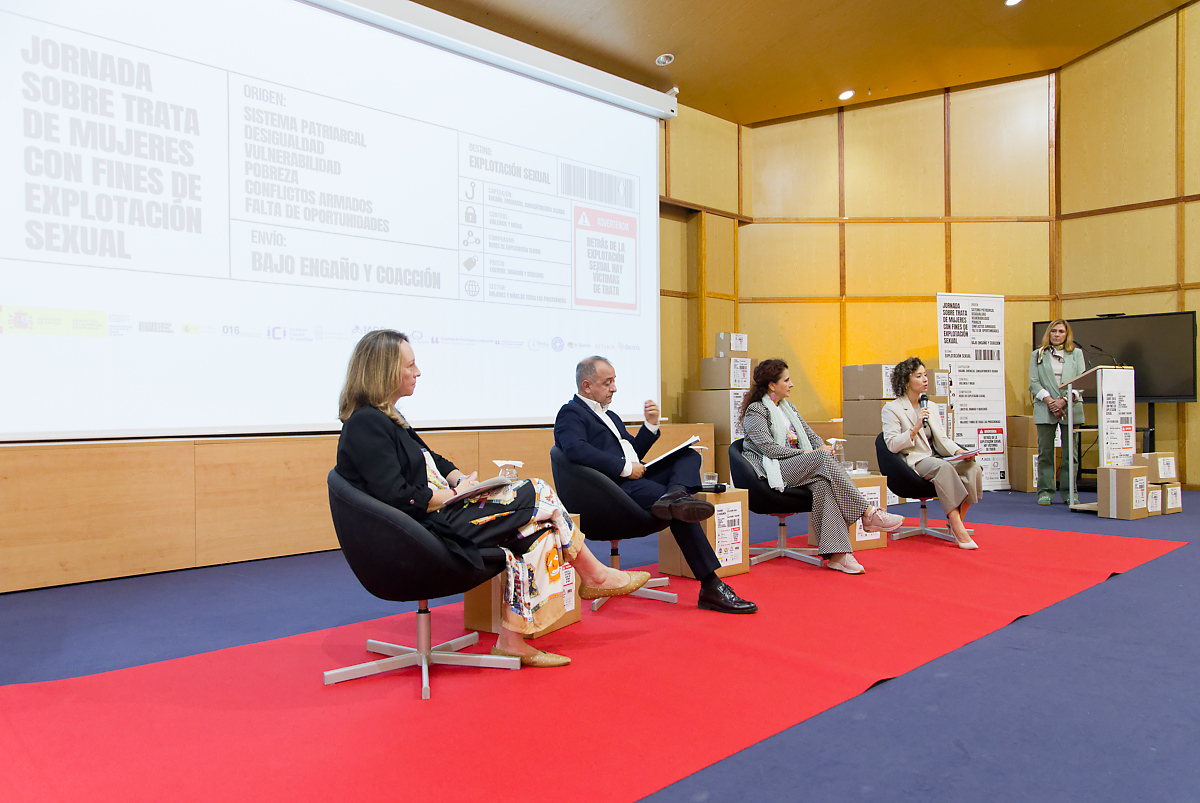 This conference, organized with the participation of the Government Sub-delegation, the Faculty of Psychology and Speech Therapy, the Canary Islands Institute for Equality, and the University Institute for Women's Studies at the University of La Laguna, aims to foster the exchange of knowledge and experiences among the academic, institutional, and social spheres, with the goal of improving the prevention, detection, and response to trafficking in women for sexual exploitation. This challenge requires going beyond simply identifying victims and also addressing the inequalities and structures that enable their exploitation.

 Spanish
 English
 French