Agriculture has played a vital role in the development of societies for thousands of years. Ensuring food production facilitated the establishment of the first human settlements and civilizations. Its importance remains so to this day, although the sector has undergone a profound transformation to meet new social, economic, and environmental needs.
Agriculture is an activity that involves millions of people worldwide and must address challenges such as adapting to climate change, soil degradation, water scarcity, and the need to move towards more sustainable production models. In the face of these challenges, scientific research is essential for generating knowledge and developing solutions that contribute to the future of agriculture and ensure food security.
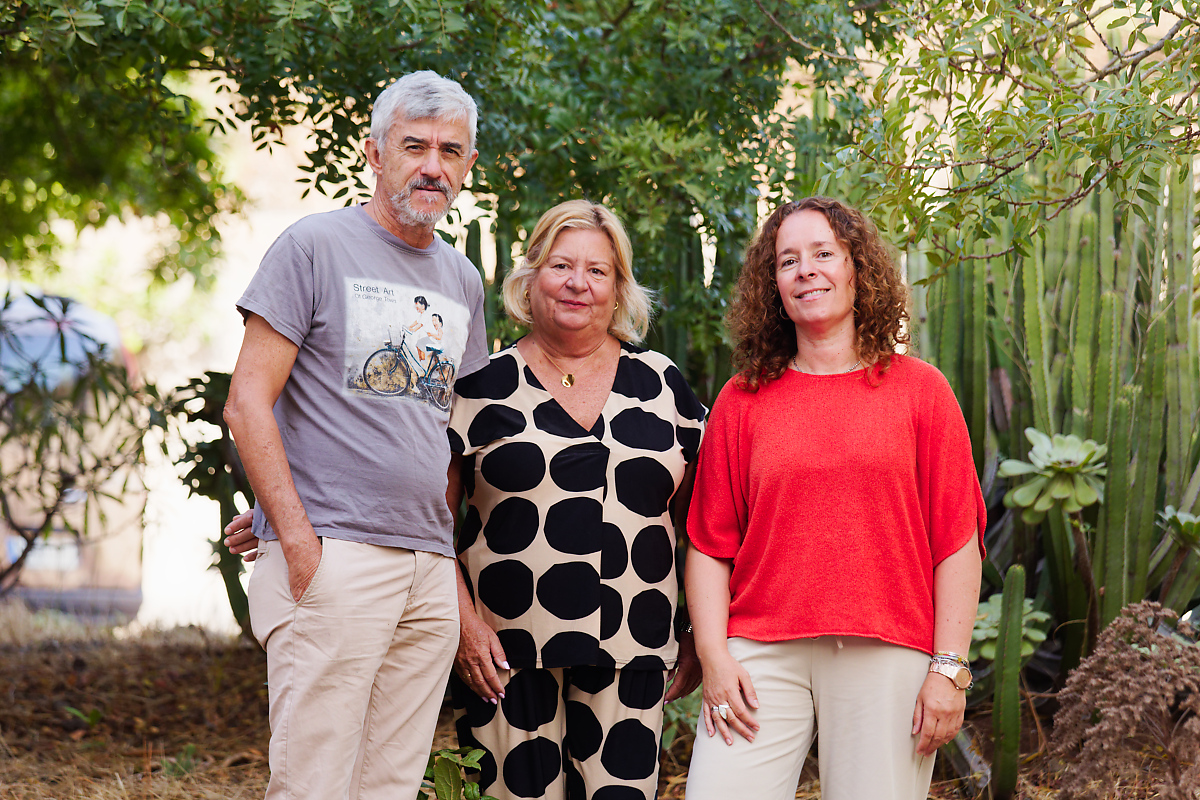
The search for answers to these challenges does not stem solely from knowledge generated in laboratories and research centers. The experience accumulated over generations by those who have worked the land also constitutes a valuable source of information for science. This relationship between research and peasant knowledge has marked a significant part of the career of the agricultural engineer and geographer, and associate professor in the area of Plant Production at the University of La Laguna., Antonio César Perdomo Molina.
Much of his work has focused on recovering and valuing traditional knowledge passed down through generations, knowledge that in many cases had never been written down. “Listening to, systematizing, and valuing all the knowledge of the farmer has always been my way of doing research,” the engineer points out. “Since I began my research, I’ve observed that those who work the land know the environment better than anyone else and that there is a wealth of peasant knowledge from which much valuable information can be extracted to continue researching and to improve farming,” Perdomo Molina explains.
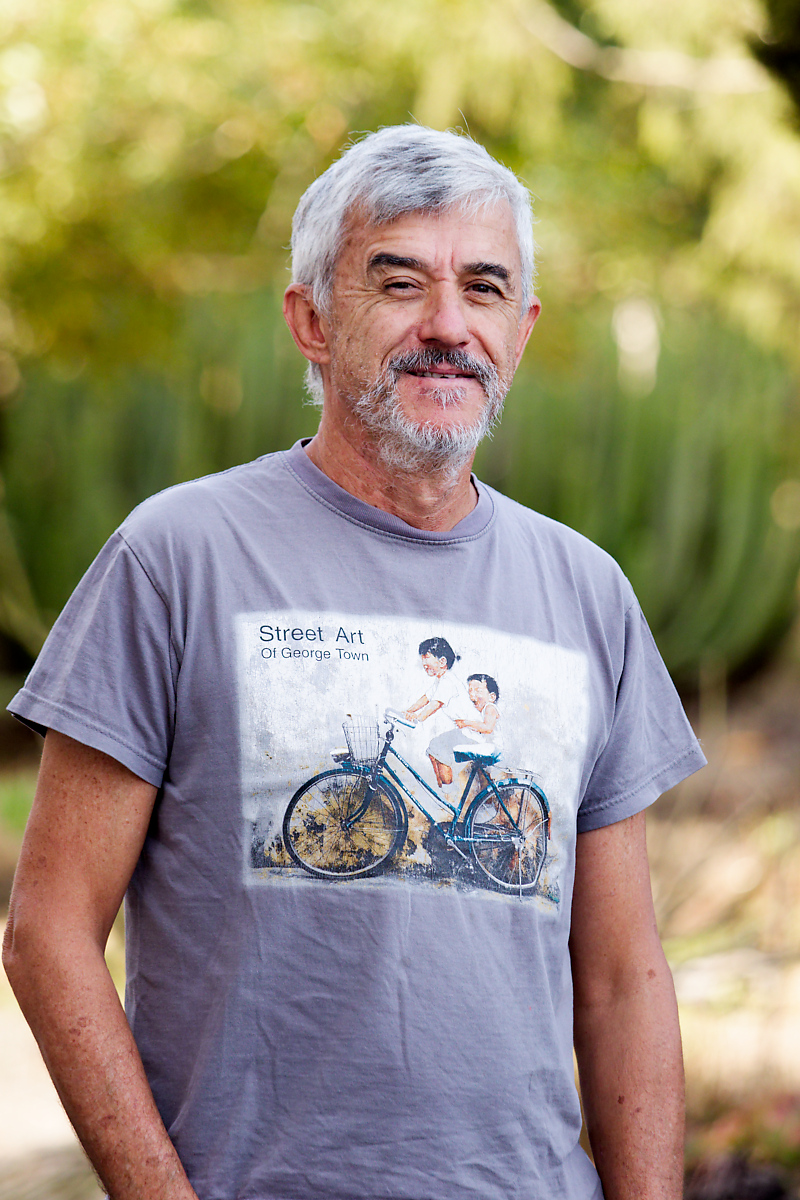
Antonio César Perdomo Molina.
The scientific value of peasant knowledge
This has been relevant in developing research on traditional local varieties in the Canary Islands, which have different agronomic characteristics than improved varieties. Several studies have shown that they can achieve similar yields and are even “more resistant to pests, since each cultivated individual of the traditional variety has a different genetic makeup, unlike improved varieties, which have almost the same genome, making them more vulnerable to pests and diseases,” explains Perdomo Molina. These results highlight the importance of conserving diverse and genetically heterogeneous crops, which offer greater stability and resistance to pests and diseases.
Perdomo points out that much of this traditional knowledge has been passed down practically and has never been systematized as it is in the scientific field. However, he adds that many of these farming practices, which at first glance may seem like mere folk beliefs, conceal an agronomic explanation. As an example, he cites the old custom of "threatening" fruit trees that produce a poor harvest, a widespread practice in many areas that consists of lightly tapping the tree while announcing that it will be cut down if it doesn't bear fruit again. Although traditionally interpreted as a symbolic act, the researcher explains that this type of intervention can stimulate flowering and fruiting, demonstrating that the experience accumulated over generations gave rise to effective techniques long before a scientific explanation existed.
This work to recover traditional varieties was also continued through the Macaronesian Agricultural Germbank Project, a European initiative in which Perdomo Molina participated and which promoted the creation of infrastructure dedicated to the conservation of the archipelago's agricultural biodiversity. Among its main results is the implementation of the Tenerife Agricultural Biodiversity Conservation Centre (CCBAT), Integrated into the National Network of Germplasm Banks, as well as the strengthening of the La Palma Agrobiodiversity Center and the creation of the Canary Islands Seed Network. The latter brings together people involved in agriculture, technical staff, and volunteers with a common goal: to keep traditional varieties alive and in cultivation, promoting their exchange and preventing their disappearance.
The Scavenger
Knowledge transfer has also led to initiatives with a significant social impact. One example is La Rebusca, a project spearheaded by Perdomo Molina, which connects farmers with surplus produce, volunteers, and social organizations to recover fruits and vegetables that would otherwise be lost in the fields. The initiative arose in response to food waste and aims to give a second life to products that, despite being in good condition, do not reach the market for commercial or aesthetic reasons. In this way, food and agricultural resource losses are reduced while supplying fresh produce to soup kitchens and social organizations.
The project also integrates students from the Agricultural Engineering degree program at the University of La Laguna through service-learning activities, in which students participate in harvesting days and reflect on food waste and the social function of agriculture. Since its launch, a dozen activities have been carried out. rummages, Thanks to these efforts, more than 5,500 kg of food have been recovered and distributed to social organizations. For Perdomo Molina, this initiative demonstrates that the university can become a bridge between research, the agricultural sector, and the public, generating benefits for both farmers and people in vulnerable situations.
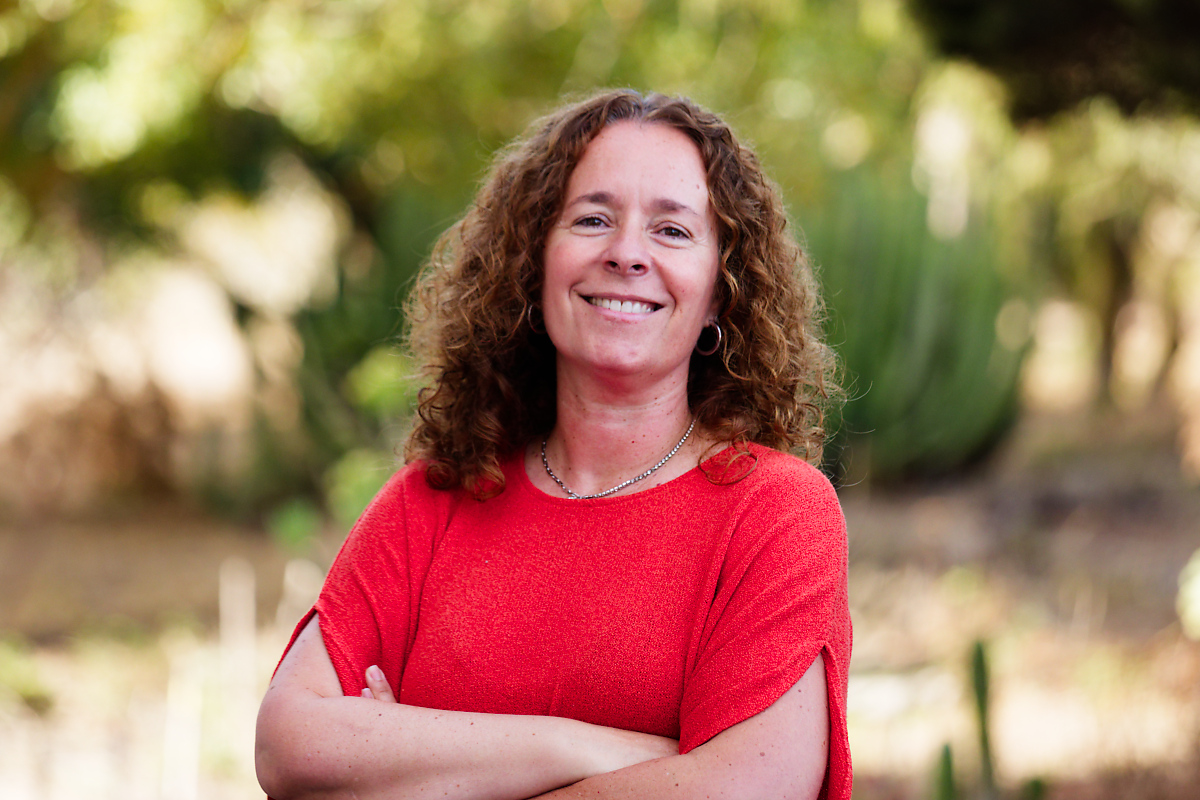
Cristina Giménez Mariño.
Integrated management for more sustainable agriculture
Collaboration between researchers and those working in the field is also essential when seeking new solutions to some of the problems affecting crops. This is the argument put forward. Cristina Giménez Mariño, a contracted PhD professor in the area of Plant Physiology, whose research focuses on the search for natural products of plant and fungal origin that can be used as biopesticides to combat pests and diseases.
The researcher advocates for integrated pest management, a strategy that combines different tools to improve the control of these organisms and in which collaboration between science and the agricultural sector is essential. “A single tool or research study is not a panacea; we must combine different research efforts and, above all, not overlook the knowledge and work of the agricultural sector, which are fundamental to obtaining very interesting results,” explains Giménez Mariño.
Within this integrated management approach, their research focuses on identifying natural compounds capable of combating insects and microorganisms that cause pests and diseases in crops. To this end, they study plant species with properties of interest and organisms associated with them, such as endophytic fungi, which live inside plants without harming them. These fungi are isolated and cultivated to obtain extracts that are subsequently tested against different pests and pathogens. “In the laboratory, we have all the parameters controlled, but in the field it is more complicated,” notes Giménez Mariño, since factors such as temperature, humidity, and sunlight can affect the effectiveness of these products when applied to crops.
For Giménez Mariño, moving towards more sustainable agriculture does not mean replacing one tool with another, but combining the rational use of certain chemical products with strategies such as biological control, natural products or the practices developed by farmers themselves.
This coordination of strategies is evident in the control of the potato tuber moth, a pest present in the Canary Islands for over two decades, whose behavior can vary considerably between harvests. Among the tools studied to combat it is a small parasitoid wasp capable of developing inside the moth larvae and preventing them from completing their life cycle. “Although very high levels of parasitism have been achieved under laboratory conditions, its effectiveness in the field is lower, so its use is combined with other measures, such as natural extracts or pheromone traps for the moths,” explains the researcher, who has collaborated on these integrated management programs with the Canary Islands Institute of Agricultural Research (ICIA). Among other collaborations, the Canary Islands company Bioagrológica, specializing in the breeding of natural enemies for the control of agricultural pests, and the Technical Service of Agriculture and Rural Development of the Island Council of Tenerife stand out.
Another example highlighted by Giménez Mariño is found in some banana plantations where biological control is used to combat lepidopteran pests. The researcher explains that by reducing pesticide use and opting for integrated pest management, it is not only possible to control the pest but also to encourage the growth of beneficial insects and other organisms already present in the crop at very low levels. Weeds, traditionally removed from plantations as they are considered unwanted plants, also contribute to this. If kept under control, they can serve as a refuge for these organisms.
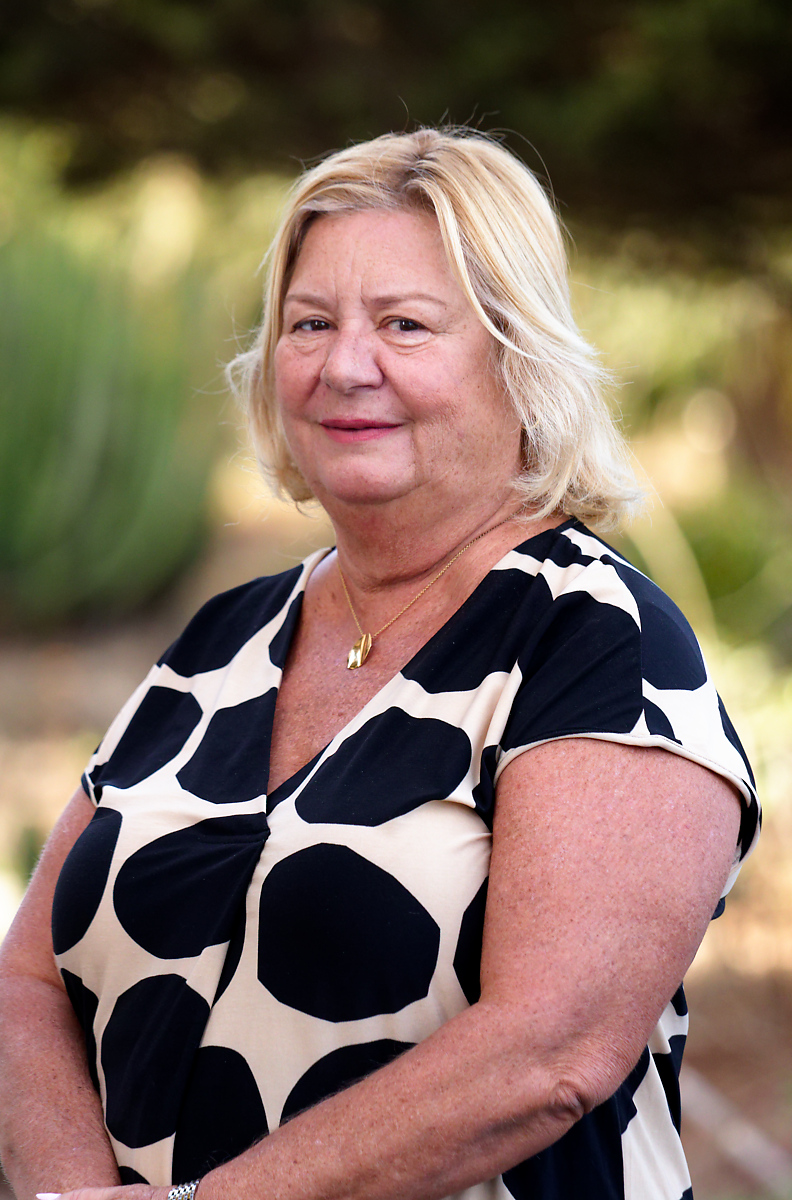
Carmen Concepción Jiménez Mendoza.
Sowing on volcanic soil
The pursuit of more sustainable agriculture also involves understanding the characteristics of the land and reviving practices that, as Antonio Perdomo points out, embody the knowledge accumulated over generations by those who have worked the land. In the Canary Islands, this relationship is especially important due to the volcanic origin of the soils and the archipelago's diverse climate. Carmen Concepción Jiménez Mendoza, a tenured professor in the area of Soil Science and Agricultural Chemistry at the University of La Laguna, has dedicated part of her career to studying these soils and the traditional agricultural systems developed to take advantage of their particularities.
“Volcanic soils are characterized by having very specific and unique components that give them andic properties,” explains the researcher. These properties, associated with their formation from volcanic materials, give them characteristics of special interest for agriculture, such as a high capacity to retain phosphorus and water. “They are soils capable of maintaining moisture, even in August,” notes Jiménez Mendoza.
The diverse climate of the Canary Islands means, however, that these soils have different characteristics depending on the island, altitude, and slope. In the humid northern areas, Andisols predominate, favored by the influence of the trade winds and the sea of clouds, the well-known donkey's belly, which provides the necessary moisture for its formation even during the driest months.
On drier islands like Fuerteventura and Lanzarote, conditions are different and have fostered the development of traditional agricultural systems adapted to water scarcity. Among these, the sandy soils stand out, which consist of a layer of hot coals to conserve moisture. One of the most representative examples is found in La Geria, where this system allows for dryland farming and the production of some of the characteristic wines of the island of Lanzarote.
Alongside sand mulching, other traditional systems have allowed for maximizing the use of available water in the driest areas. This is the case with gavias, plots surrounded by small earthen walls that collect and channel runoff water towards the crops, or jable, a layer of marine sand transported by the wind that helps retain moisture and protect the soil from the heat. The group's research RESUA Researchers in Soil and Water Resources have studied the temperature and humidity in these systems and verified their capacity to buffer against extreme conditions. “In August, while temperatures in bare soils could reach up to 40ºC, in sandy soils they remained consistent throughout the day,” explains Jiménez Mendoza. Furthermore, these agroecosystems are capable of restoring saline soils and reducing erosion problems, acting as a strategy to combat desertification.
However, these traditional systems are insufficient to meet the water needs of Canary Island agriculture. Water scarcity and aridity, exacerbated by climate change, are making it increasingly necessary to resort to unconventional water resources such as desalinated and reclaimed water. The latter has seen a considerable improvement in quality thanks to advances in treatment systems. Jiménez Mendoza highlights the case of the Valle Guerra wastewater treatment plant, where the RESUA group has studied its use in banana plantations with very favorable results. "In fact, this system is being replicated in other treatment plants on the island, such as those in Punta del Hidalgo, Santa Cruz, and Güímar," he notes.
Looking ahead, Jiménez Mendoza believes that maintaining viable agriculture in the Canary Islands will require combining these traditional practices with new solutions capable of addressing the growing water scarcity. “The resources we will have to use for irrigation will have to be unconventional,” the researcher points out, emphasizing the need to guarantee the quality of reclaimed and desalinated water to avoid negative effects on the soil. At the same time, she advocates for the preservation of traditional agricultural systems such as the sand-bedded fields, gavias (terraced fields), and terraced fields characteristic of islands like La Gomera, which for generations have allowed crops to be adapted to the specific conditions of each territory.
Canary Island agriculture thus faces the challenge of continuing production in a territory constrained by water availability, aridity, and the unique characteristics of its soils. In this challenge, scientific research and the accumulated knowledge of those who work the land are not separate paths, but rather complementary tools for conserving available resources, adapting crops, and moving towards more sustainable agriculture.
(This report is part of the InvestigaULL Commemorations Calendar, a science outreach project promoted by the University of La Laguna)
Scientific Culture and Innovation Unit (Cienci@ULL)

 Spanish
 English
 French