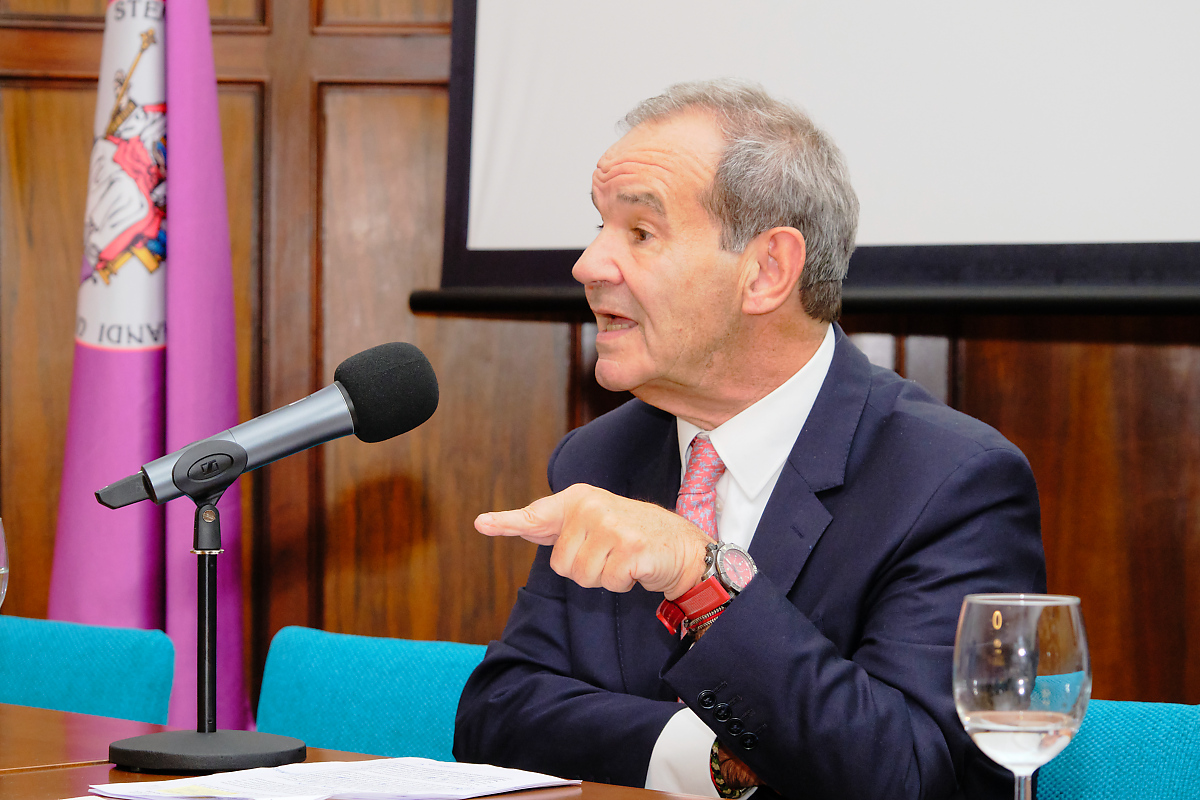
Campus America, the international event organized by the University of La Laguna that is taking place these days, has today featured the participation of Andrés Allamand, He has been a lawyer, a consultant for the Inter-American Development Bank, and the Minister of Foreign Affairs of Chile. An expert in multilateral cooperation, he currently heads the Ibero-American General Secretariat (SEGIB), an international organization that supports cooperation among its 22 member countries.
The speaker expressed strong conviction in the capacity of universities to lead not only in the scientific field, but also in addressing the major challenges facing society, including the defense and preservation of the Spanish language. “Only universities can save education as a whole, because they are where future educators are trained.” He also pointed out that the Spanish language has never been as threatened as it is now, especially with the rise of AI and the hegemonic role of English-language science, and that the role of universities is crucial in this regard.
The SEGIB has thirty Ibero-American cooperation programs and networks currently in place, the speaker affirmed, highlighting their effective operation. “We don’t want to be a strident international organization, because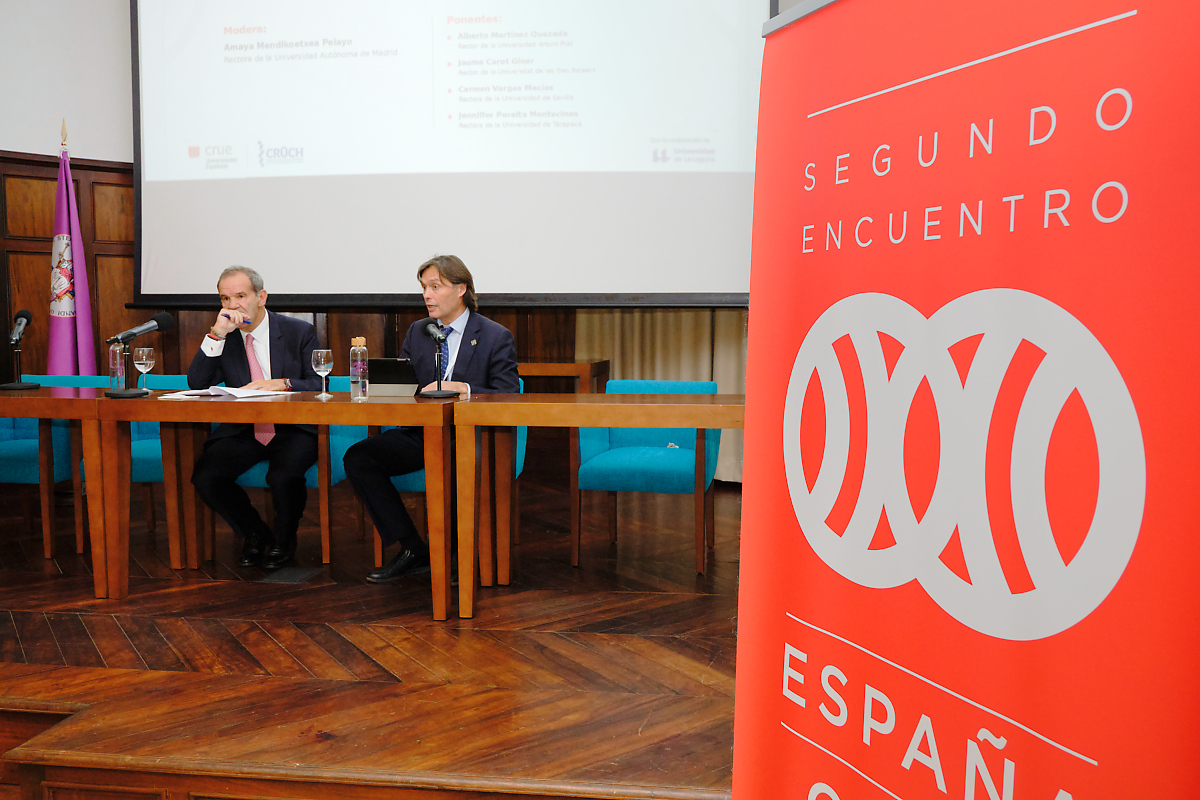 "We think that with a certain amount of reserve everything works better," at the cost, he acknowledged, of being less well known.
Allamand stated that there is a high demand for mobility among Chilean students, and also indicated that in scientific cooperation, it is much more appropriate to move together toward shared missions, rather than isolated projects. Understanding and disseminating culture in a context of diversity is another challenge for universities, while also noting that there have been insufficient efforts to publicize the steps universities are taking in innovation. “Universities must generate a new narrative that connects with society,” the speaker said.
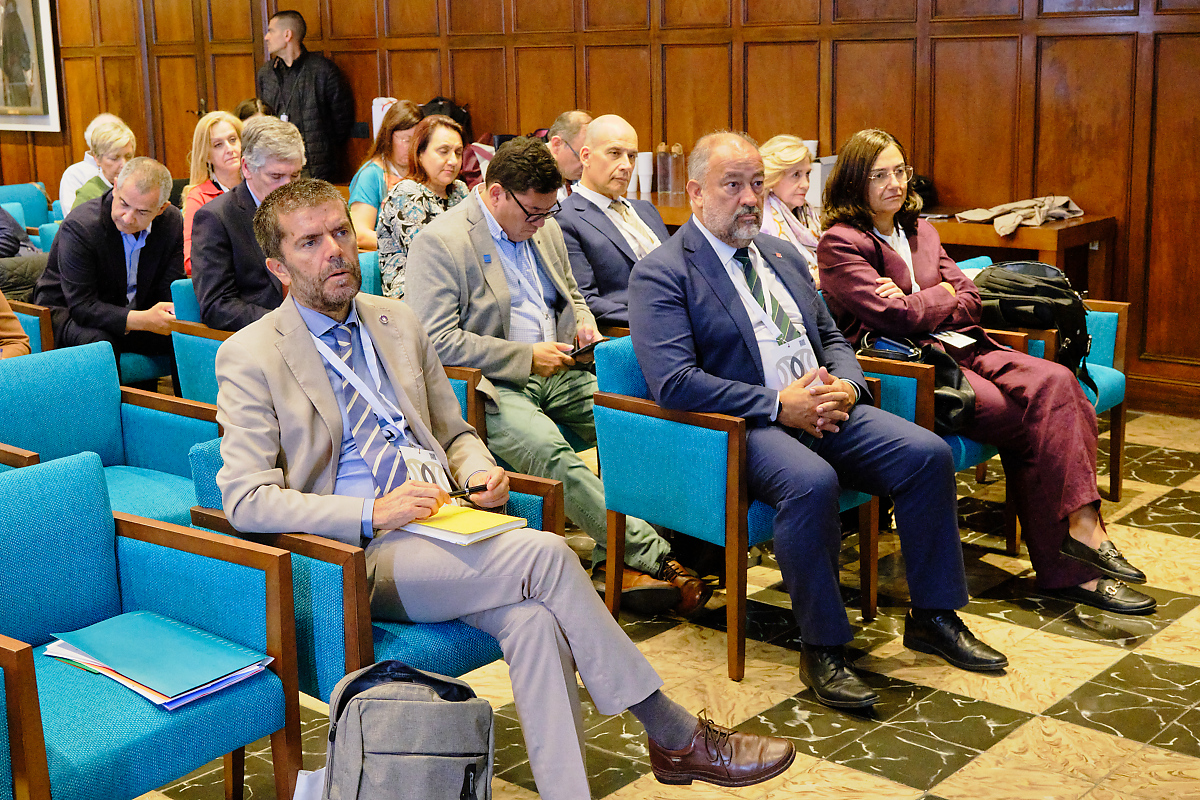 Allamand's intervention is part of the II Summit of Rectors and Rectors of Chile and Spain, which is taking place within the framework of Campus America, and where several working groups have addressed common challenges, such as The sessions will focus on strategic issues such as curricular transformation and lifelong learning, research, innovation and knowledge transfer with social impact, scientific diplomacy, artificial intelligence and the role of higher education institutions in building a more integrated, open and internationally connected Ibero-American knowledge space.

 Spanish
 English
 French