
Representatives from the business sectors of Chile and the Canary Islands met yesterday, October 29, within the framework of Campus América, to discuss the different realities, experiences, and challenges facing business projects in both regions, specifically regarding water management, smart tourism, and the so-called "blue economy." This meeting, entitled "Chile-Canary Islands: Alliances for a Sustainable Future," began with the presentation of two international entrepreneurial ventures, one originating on each side of the Atlantic, followed by a panel discussion with professionals and institutional representatives.
The aim of the day was to analyze different sectors in order to transform knowledge and business relationships into joint projects. In this regard, the session focused on the importance of building stable ties, simplifying access to financing, and promoting concrete initiatives that allow for the verification of the results of this cooperation.
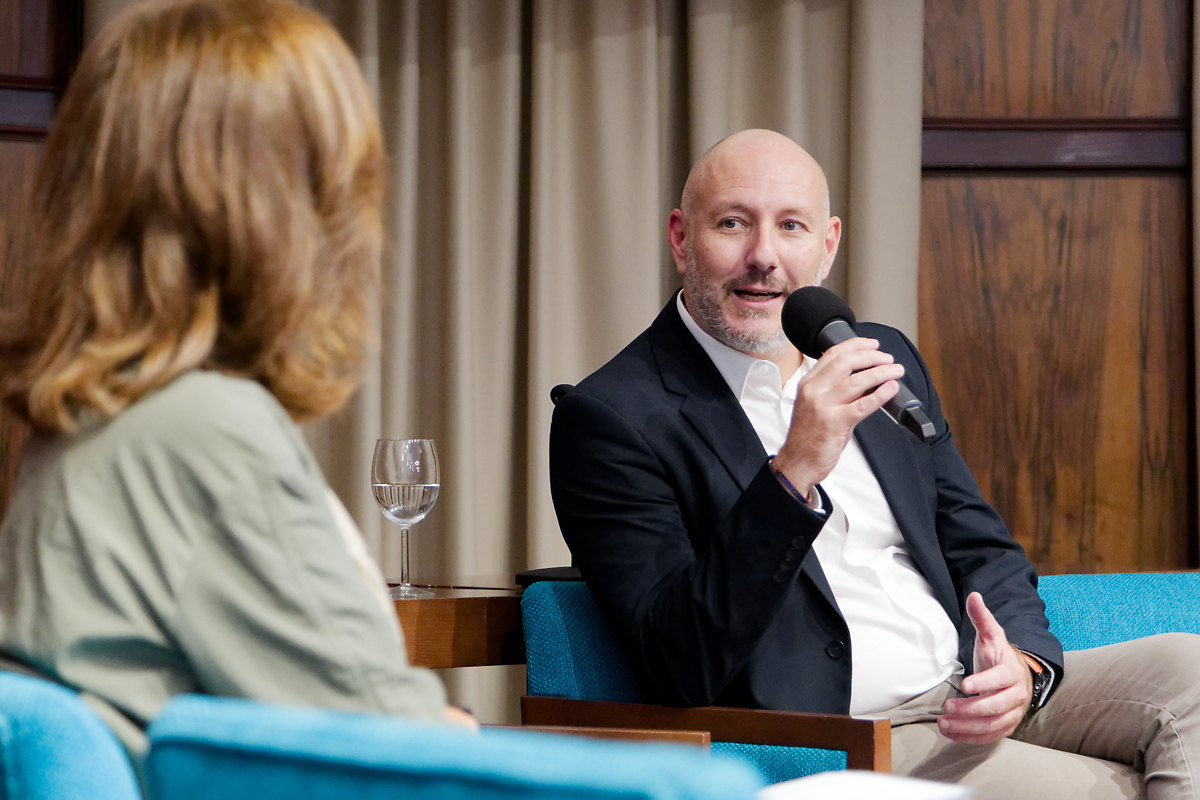
Manuel Ruiz de la Rosa
Two success stories: Canary Islands-Chile
The session began with a presentation by Manuel Ruiz de la Rosa, co-founder and CEO of ECOS, and Antonio Arancibia, CEO of Movizzon, who discussed the role of innovation and customer relationships in their companies' growth. The panel was moderated by María Ángeles Osorio Iturmendi, executive director of the Chile-Spain Foundation.
Ruiz de la Rosa traced the origins of ECOS to his desire to continue researching the marine environment and conservation. "More than a market need, it was a personal necessity," he explained. He highlighted the company's collaboration with universities and technology centers to develop solutions such as underwater pipelines that reduce environmental impact and construction costs. Chilean entrepreneur Arancibia explained that an unsatisfactory user experience led him to create a system that uses artificial intelligence to replicate navigation routes on mobile devices. The tool detects errors from the customer's perspective and generates alerts that allow companies to resolve issues.
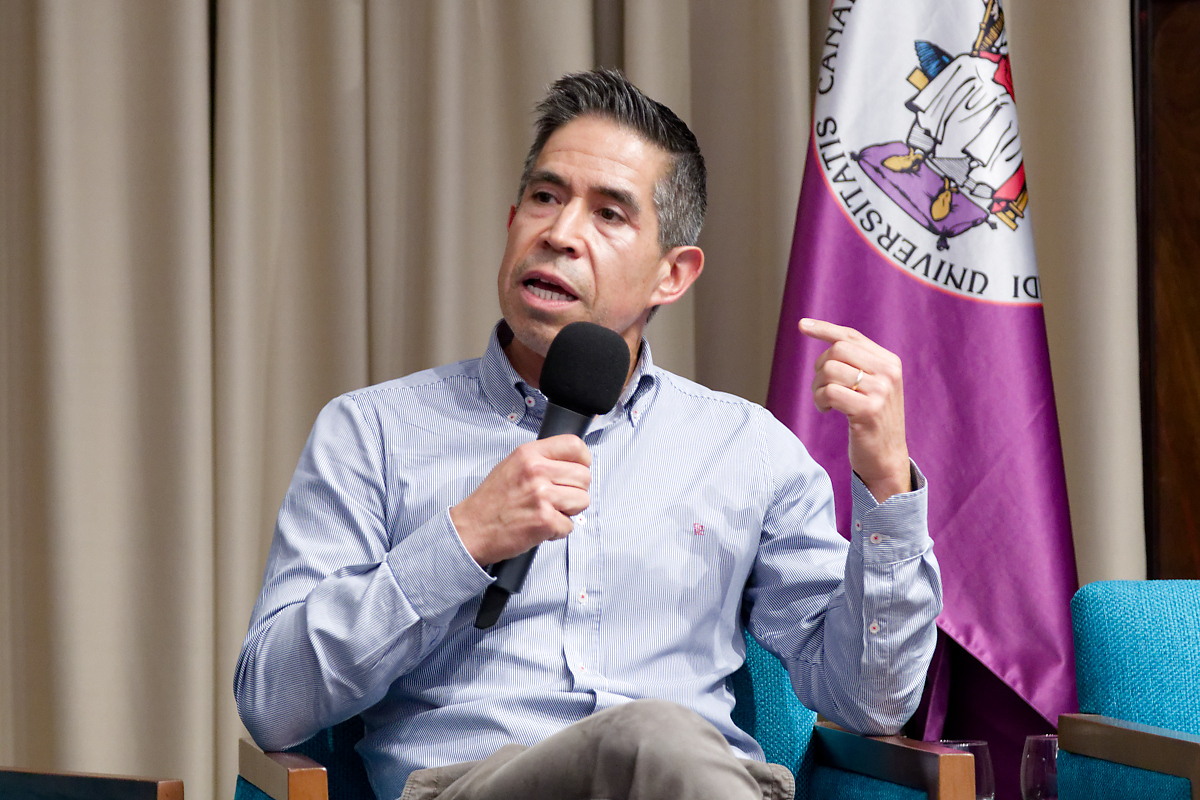
Antonio Arencibia.
Both have indicated that their international expansion has relied on supporting their clients in other markets, adapting their operations through subsidiaries, relocated staff, or local partners. Ruiz de la Rosa added that scientific publications have also generated recruitment opportunities abroad.
Regarding funding, Arancibia highlighted the initial support from the Production Development Corporation (CORFO), a Chilean public agency that promotes entrepreneurship and innovation. Both called for simpler procedures and timelines appropriate to the projects, and advocated for training that combines technical knowledge with curiosity, initiative, and the ability to experiment.
Cooperation opportunities between Chile and the Canary Islands
Following these experiences, the panel "Chile–Canary Islands: Alliances for a Sustainable Future" broadened the discussion to include possibilities for cooperation between sectors. Silvia Rodríguez Pérez, Deputy Director of Internationalization at Gesplan, moderated the meeting, which included Oswaldo Brito, member of the Board of Directors of the Canary Islands Technological Excellence Cluster and CEO of Proyectran; Ricardo Tavío, President of the Canary Islands Engineering and Consulting Association, IncoLAB; Héctor Escobar, Director of the Chilean-Canary Islands Chamber of Commerce and Tourism, CAMCHICAN; Mónica Zalaquett, Executive Secretary of the Federation of Tourism Companies, FEDETUR; Mauricio Pilleux, representative of CHILETEC and CEO of CoderHub; and María Ángeles Osorio.

Silvia Rodríguez and Oswaldo Brito.
One of the areas that demonstrated the greatest capacity to bring together contributions from technology companies, engineering firms, government agencies, and sector organizations was smart tourism. In this regard, Oswaldo Brito highlighted the potential of artificial intelligence and automation to improve marketing, visitor experience, and destination management. He also emphasized the importance of developing data spaces with protocols that regulate access and use, so that information can support decision-making by businesses and government agencies.

Oswaldo Brito and Ricardo Tavío.
Tavío then broadened this perspective to include water and energy management, two essential resources for tourism and other productive sectors. He pointed out that the experience accumulated in the Canary Islands in desalination, energy efficiency, and water reuse offers opportunities for collaboration with Chile, especially in areas with water scarcity and high demand for water supply for the population, agriculture, and mining.

Monica Zalaquett.
From the Chilean tourism sector, Zalaquett has raised the need to review the indicators used to evaluate destination development. "Currently, our indicator is the value generated by tourism," he stated. He explained that the objective should incorporate longer stays and spending that benefits the entire tourism value chain, along with environmental conservation and an assessment of the impact on host communities. In this regard, he identified the Canary Islands' data and tourism flow management as an experience of interest to Chile. He also suggested reciprocal cooperation based on Chilean expertise in large-scale destinations, such as Patagonia.

Mauricio Pilleux.
In his turn to speak, Mauricio Pilleux linked these possibilities to the capacity of artificial intelligence to analyze large volumes of information, identify visitor profiles, and adapt offerings. He emphasized that these applications must incorporate ethical criteria and data protection mechanisms. Furthermore, he highlighted disaster management as another area of exchange, based on the technologies and procedures that both regions have developed to address fires and other natural hazards.
Trust and continuity to solidify alliances
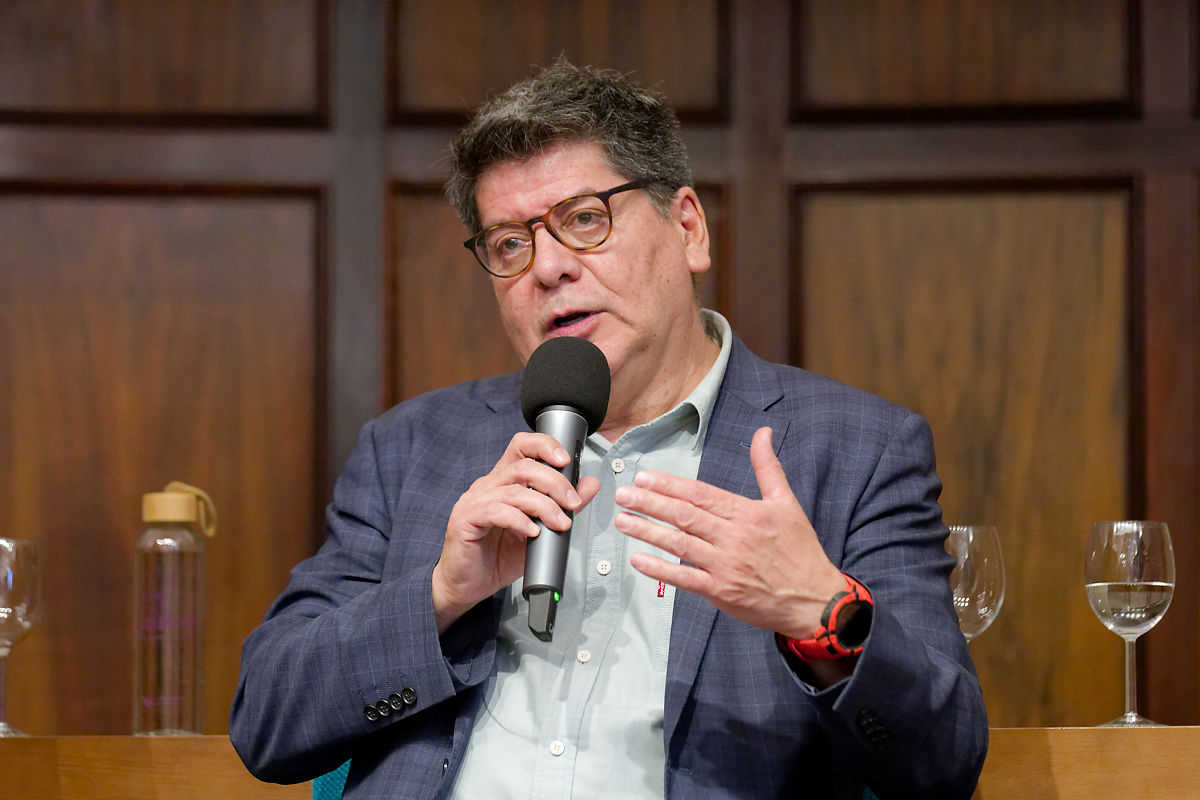
Hector Escobar.
The conditions necessary to sustain the collaboration occupied another part of the dialogue. "The cornerstone of this relationship is building trust," stated Escobar, who advocated for a long-term commitment that allows ties to be maintained even when a specific project does not achieve the expected results. He noted that meetings, business missions, and academic exchanges contribute to this mutual understanding, and called for greater visibility for the Canary Islands among Chilean institutions that support innovation and entrepreneurship.
For his part, Tavío identified the recognition of companies' experience and accreditations as a practical difficulty when they participate in projects in other countries. On the same topic, Pilleux added the need to define from the outset the responsibilities of the partners, the conditions for using the information, and the intellectual property rights of joint developments. He explained that technological cooperation can be organized without transferring all the data from one territory to another, through systems that allow for the sharing of queries and results.

Angeles Osorio.
The director of the Chile-Spain Foundation, Ángeles Osorio, continued to propose extending the meeting through business missions in both directions, with agendas focused on specific sectors. Among these, she highlighted water, smart tourism, and activities related to the sea. She also suggested launching a pilot project in the blue economy to evaluate results and connect ocean protection with research, entrepreneurship, and the development of new solutions. Furthermore, she emphasized the importance of recurring exchanges as a prerequisite for these contacts to translate into lasting collaborations.
The meeting concluded with proposals to continue the exchange through business missions, pilot projects, and collaborations in sectors of common interest. These initiatives have fulfilled one of Campus America's objectives: to connect the academic, scientific, and business capabilities of the Canary Islands and Latin America and to foster cooperative relationships that will extend beyond the meeting itself.

 Spanish
 English
 French