An investigation of Department of Physical Medicine and Pharmacology Researchers from the University of La Laguna, along with pharmaceutical researchers from Tenerife and Madrid, have analyzed 18 scientific studies to evaluate the analgesic and anti-inflammatory properties of 13 plant species endemic to the Canary Islands. The aim was to understand the available evidence on their therapeutic potential and to determine which species and plant parts have been studied. The review, published in the journal Ars Pharmaceutica, It notes that all the species analyzed exhibit analgesic or anti-inflammatory activity and, in some cases, the experimental results exceed those obtained with certain reference drugs.
The study highlights the medicinal potential of a portion of the islands' plant biodiversity, but also reveals that the available scientific literature remains limited. The authors believe the results support some of the therapeutic uses traditionally attributed to these plants and emphasize the need for further research to more precisely determine their mechanisms of action and potential pharmacological applications.
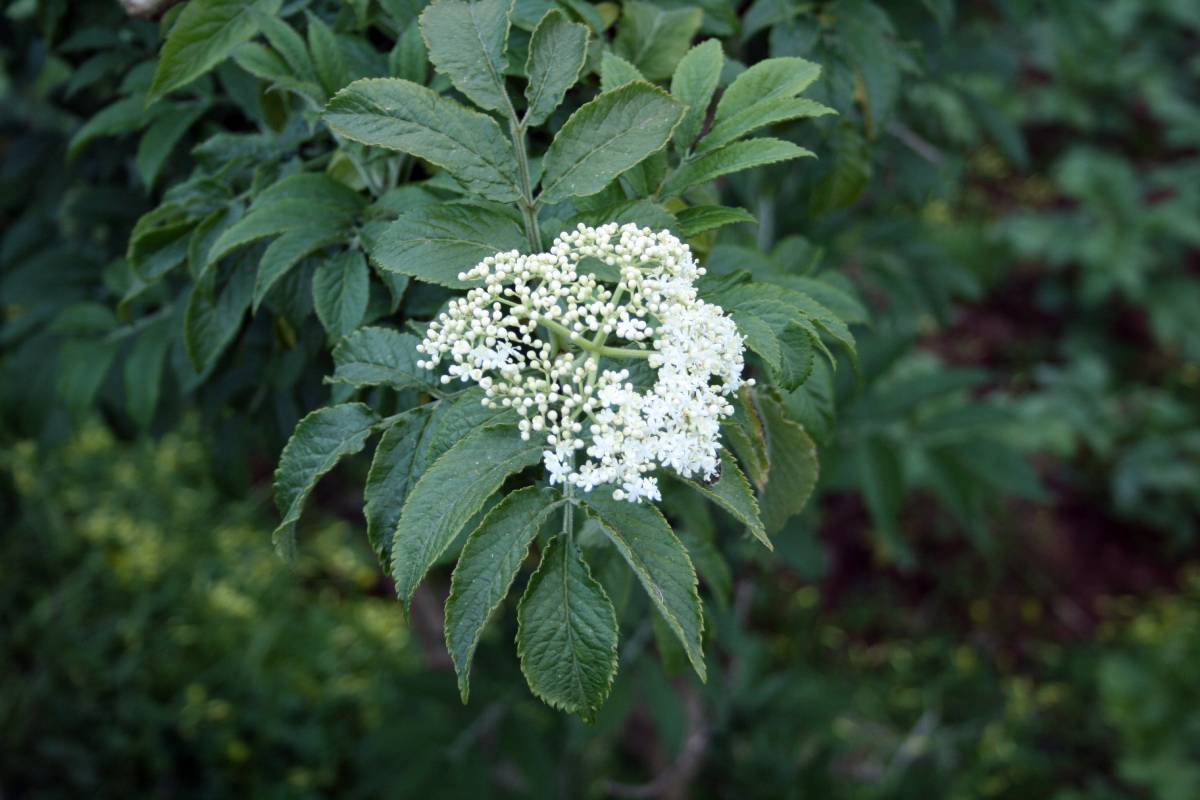
Among the most significant results is the behavior of Sambucus palmensis, The Canary elderberry. In one of the animal trials, its aqueous extract achieved a pain inhibition of 89.04% %, compared to 73.97% % recorded with ibuprofen. Also Smilax canariensis, known as Canary sarsaparilla, showed better results than one of the drugs used as a reference: a methanolic extract achieved an effectiveness of 76.67 %, compared to 59.56 % for piroxicam.
Another species that showed relevant results was Sideritis candicans var. eriocephala, known as chahorra or chagorro. The chloroform fraction studied produced a pain inhibition of 73.24 %, higher than the 37.94 % obtained with ibuprofen in the same assay. For its part, the aqueous extract of Neochamalea pulverulenta, known as holy wood, achieved an inhibition of 95.90 % in one of the doses studied, a result close to the 100 % recorded with ibuprofen.
The results were not the same for all species or for all trials. In some cases, the observed activity was lower than that of the reference drugs or was not statistically significant. For example, extracts of Hypericum canariense y Hypericum glandulosum They reduced pain in certain trials, but did not surpass the effectiveness of ibuprofen. Hypericum reflexum, Some extracts showed analgesic activity, although they did not reach the results of the reference drug.
The review also points out differences in how these species are used. Infusions appear as one of the main forms of application in folk medicine. Furthermore, 69.2% of the analyzed endemic species have more than one usable part of the plant. Among the species studied are the dragon tree (Dracaena draco), the giant reed (Ferula linkii), different species of Hypericum, the chahorra (Sideritis canariensis), the mocán ( ), the mocán ( ),Visnea mocanera) and other endemic plants of the archipelago.
The collected trials employed various experimental models to evaluate the ability of plants or their extracts to reduce pain. These included the Siegmund, Writhing, formalin, Tail-Flick, and Hot-Plate tests. The researchers conclude that, based on the data obtained, it is possible to state that some species exhibit activity at both the peripheral and central levels, although the experimental results do not yet allow for their use as medical treatments.

 Spanish
 English
 French