The 3rd International Technical Conference on Sustainable Viticulture 2026 will bring together specialists, researchers, institutional representatives, and professionals from the sector in Spain, Brazil, and Portugal from November 12-14 in La Gomera to share experiences and analyze new strategies related to regenerative production, technological innovation, and adaptation to climate change. It is promoted by... Chair of Agritourism and Wine Tourism of the Canary Islands from the Canary Islands Institute of Agri-Food Quality and the University of La Laguna, in coordination with the Cabildo of La Gomera and with the endorsement of the International Organization of Vine and Wine (OIV).
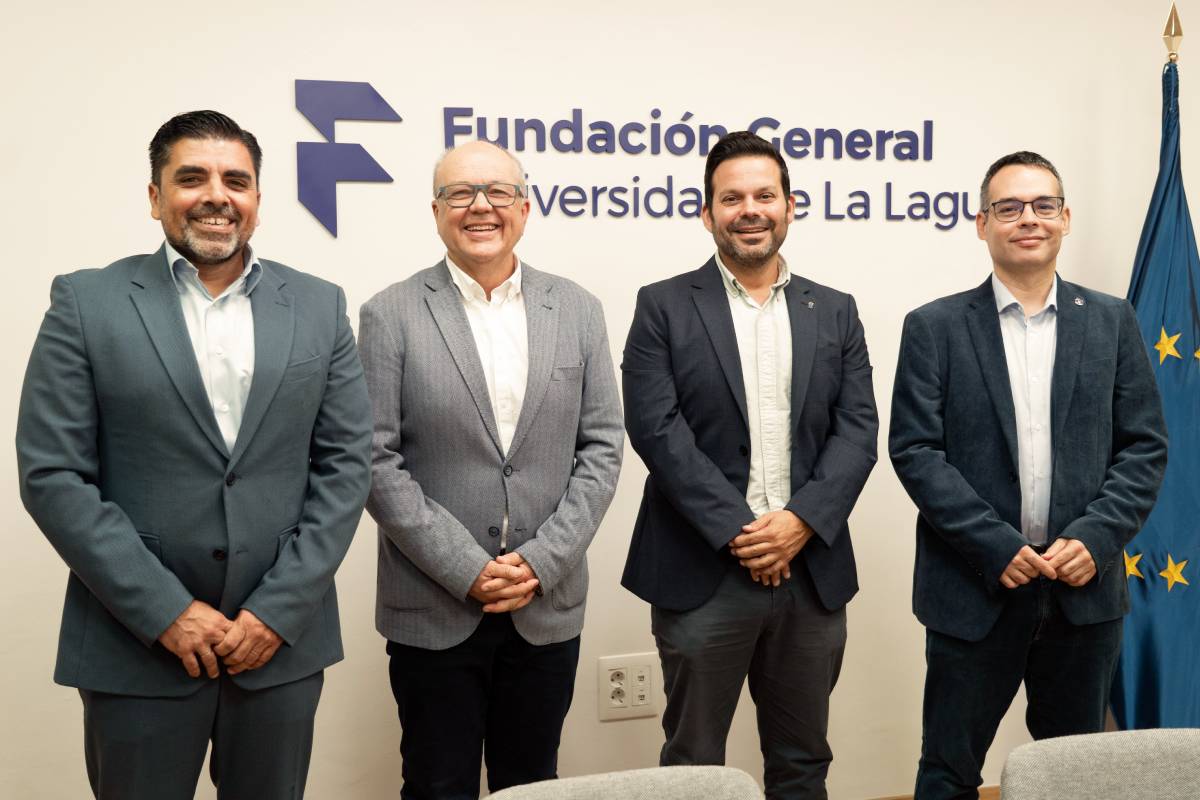
The program was presented at the General Foundation of the University of La Laguna, with the participation of Jesús Enrique de las Heras Roger, director of the organizing chair; Héctor Cabrera Martín, fourth vice president and island councilor for the Area of Territorial Policy, Environment and Primary Sector of the Cabildo of La Gomera; Eduardo García Cabello, deputy councilor for the Primary Sector of the Government of the Canary Islands; and Julio Antonio Brito Santana, managing director of the university foundation.
Jesús de las Heras Roger emphasized the importance of creating these kinds of forums to advance the transformation of the wine sector. “These conferences allow us to share experiences and scientific knowledge from different wine-producing regions, while also providing the sector with tools and proposals to address the current challenges facing viticulture. Sustainability, research, and innovation must be part of a joint strategy to guarantee the future of this industry.”.
For his part, Héctor Cabrera Martín emphasized the importance of La Gomera as a leading territory for the exchange of experiences in viticulture. “Holding this international meeting on our island provides an opportunity to showcase the value of our primary sector and the work of those who keep alive an activity closely linked to the land. Viticulture is part of our productive and cultural heritage, and moving towards more sustainable models is essential to addressing the challenges facing the sector.”.
Deputy Minister Eduardo García Cabello emphasized the importance of continuing to promote measures that facilitate the sector's adaptation to new environmental and production challenges. “Climate change poses significant challenges for Canary Islands winemaking, which we must address by investing in research, innovation, and the adoption of more sustainable farming practices. This involves strengthening the adaptive capacity of our farms, ensuring their viability, and improving the competitiveness of our wines,” he stated.
For his part, Julio Brito Santana highlighted the role of collaboration in promoting knowledge transfer initiatives. “Cooperation between academia, government agencies, and industry professionals is essential for research to have real-world applications in the region. At the General Foundation of the University of La Laguna, we are committed to initiatives that connect scientific knowledge with the needs of the productive sectors and contribute to generating new development opportunities,” he stated.
An international perspective
The biennial event will feature international experiences from Spain and Brazil. Among the scheduled presentations are those of brothers Mario and Alejandro Rodríguez Mendoza, owners of Bodegas Montoro, who will share their expertise in heroic viticulture in La Gomera, and Mauricio Bonafé, agricultural manager of the Aurora Wine Cooperative, who will present initiatives developed in Brazil related to regenerative agriculture, research, climate change, and empowering cooperative members.
The conference will also pay special attention to the specific challenges of viticulture in the Canary Islands. A round table discussion entitled “Regenerative Viticulture in the Canary Islands: Challenges, Opportunities and Future of the Sector” will bring together representatives from wineries in Tenerife, Lanzarote and the Regulatory Council of the Protected Designation of Origin for Wines of La Gomera to analyze the possibilities for implementing and developing these practices in the archipelago.
Another important issue will be the phytosanitary situation of the Canary Islands vineyard, with a session dedicated to the actions developed for the eradication of phylloxera in the Canary Islands, in which representatives of the Ministry of Agriculture, Livestock, Fisheries and Food Sovereignty of the Government of the Canary Islands will participate.
Research, innovation and new technologies
The scientific and technological dimension will play a prominent role in this edition. On Saturday, November 14, the International Forum of Scientific Communications will be held, featuring research from Spain, Portugal, and Brazil on traditional varieties, bioactive compounds, conservation of viticultural heritage, the circular economy, and new tools for monitoring production processes.
The program will conclude with a session dedicated to emerging non-thermal technologies and biotechnologies applied to winemaking, led by Antonio Morata Barrado, Professor of Food Science and Technology at the Polytechnic University of Madrid. Participants will also have the opportunity to explore different expressions of the archipelago's heroic viticulture through a tasting of Canarian wines.
Recognition to the Alhóndiga Canary Foundation
As part of the planned activities, on Thursday, November 12, a reception and welcome cocktail will take place at the Cabildo of La Gomera, during which the Sustainable Viticulture 2026 award will be presented to the Alhóndiga de Tacoronte Canary Foundation, in recognition of its connection with the sustainable wine sector.

 Spanish
 English
 French