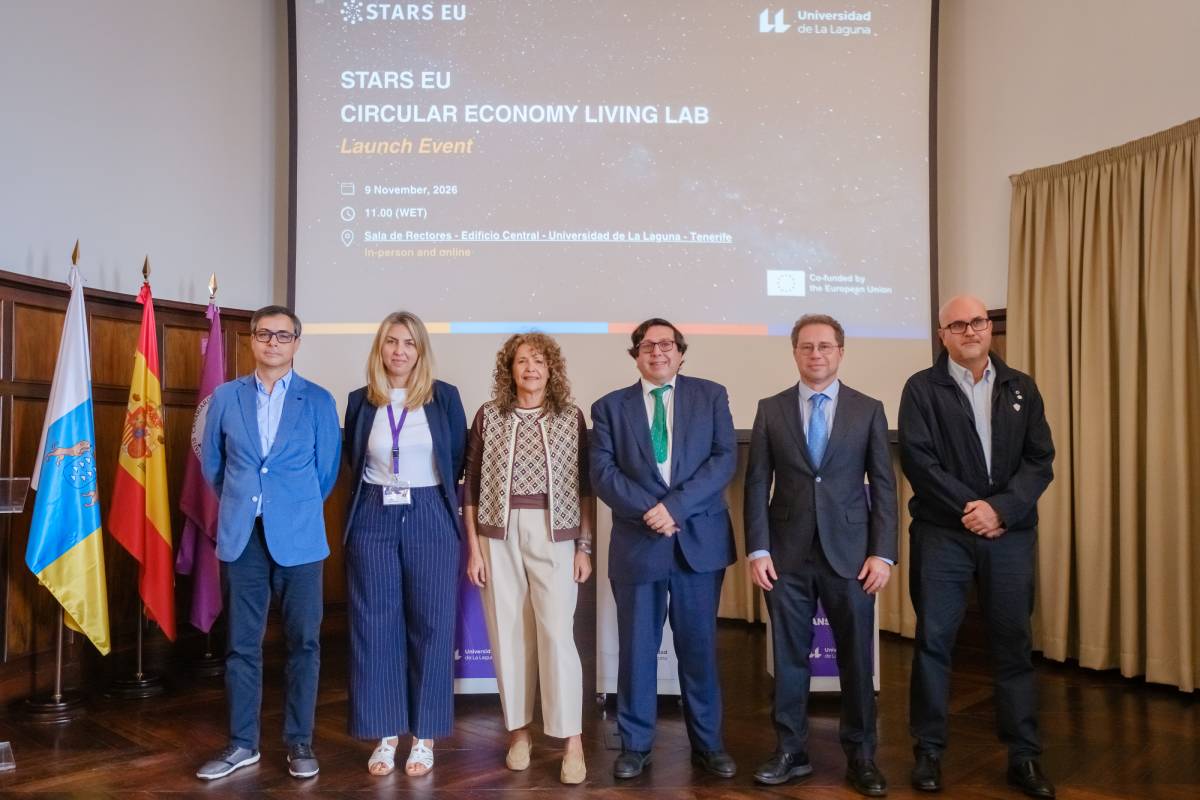
The STARS EU alliance, which includes the University of La Laguna along with eight other European academic institutions, presented today, Monday, November 9, its new Circular Economy Living Lab (CELL), a space for collaboration and innovation that will connect universities, companies, public administrations and other regional agents to address the challenges and opportunities of the circular economy, especially focused on three key sectors for the Canary Islands: construction, tourism and agriculture.
The new Living Lab aims to foster cooperation across different sectors to develop strategic solutions that contribute to more sustainable production and consumption models. It seeks to translate European objectives for transitioning to a circular economy into initiatives that have a real impact on the territories of the various European regions where the STARS EU alliance universities are located.
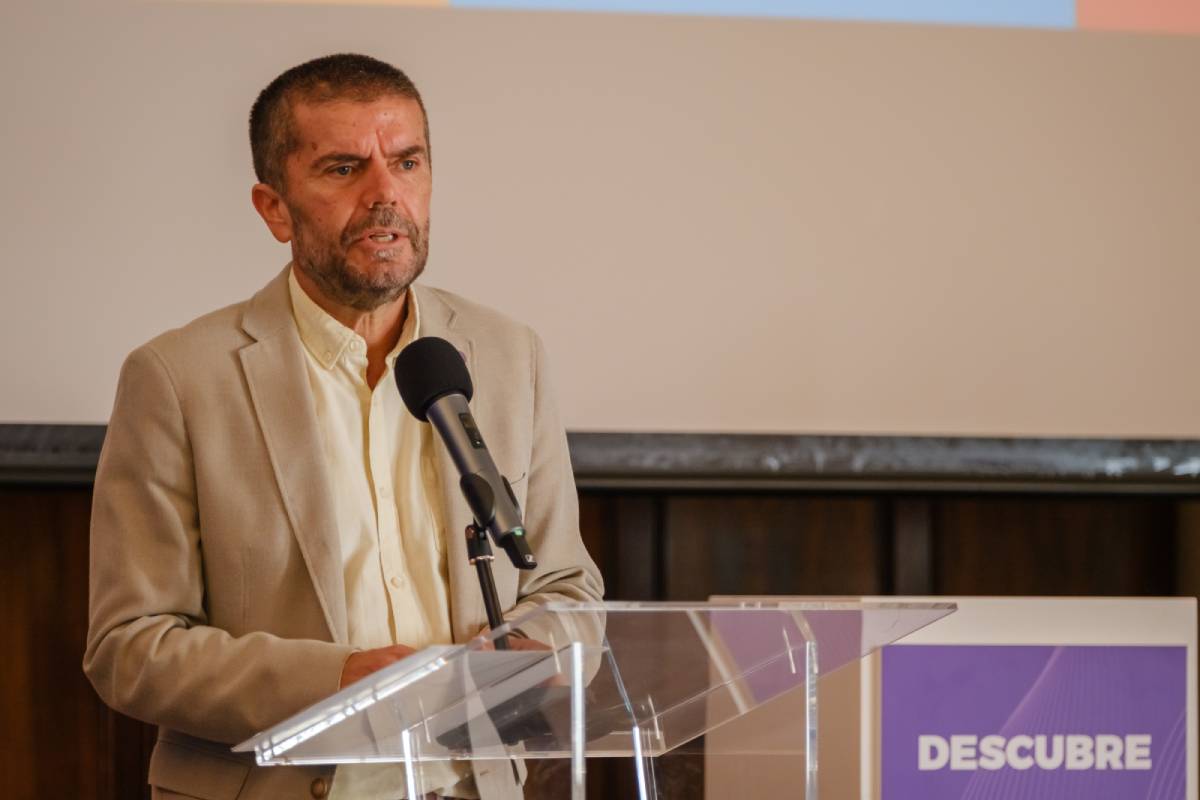
Francisco García.
The rector of the University of La Laguna, Francisco García, welcomed the meeting, explaining that STARS EU does not focus exclusively on the classic functions of academia such as teaching and research, but is also focused on finding solutions to the social, economic and environmental challenges that regions must face.
In the case of the Canary Islands, tourism is a priority because it represents 30.1% of GDP. “Ignoring this would be blind; but ignoring that it is a sector that needs to be reshaped would also be foolish. We must ensure that it is economically, ecologically, and socially sustainable,” the rector pointed out, adding that the Canary Islands have always been a perfect laboratory for testing innovative ideas and, therefore, are the ideal environment for an initiative like this CELL, which also aligns with one of the aims of STARS EU: regional development.
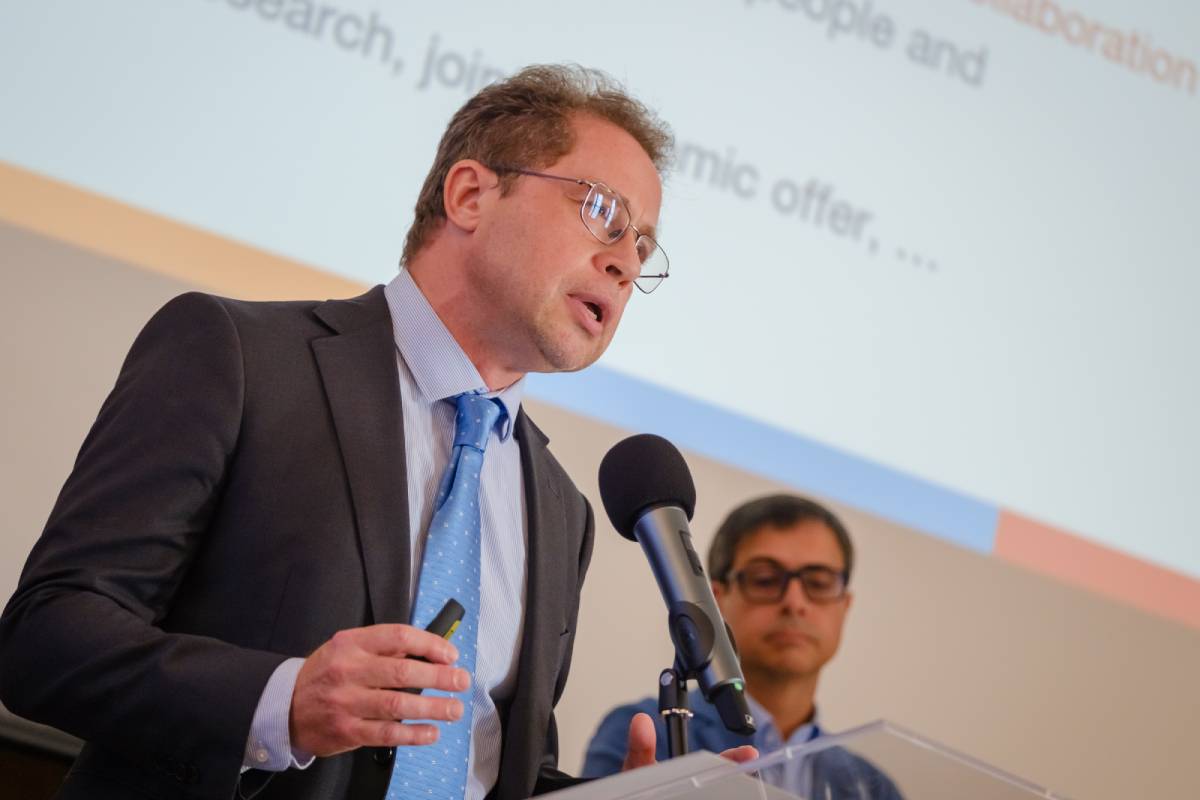
José Sigut.
Connecting ecosystems and regions
In the first part of the presentation, José Sigut, the STARS EU coordinator at the University of La Laguna, introduced the concept of the Circular Economy Living Lab (CELL). He defined it as an open and interregional innovation space, conceived as a laboratory in real-world environments, where universities, companies, public administrations, and civil society can work together on the co-creation, experimentation, and implementation of circular economy solutions adapted to the challenges of island and outermost regions.
This initiative promotes a practical working model based on learning by doing, the development of pilot projects, and the transfer of knowledge and technology. Its first phase involves creating an active network of stakeholders and developing initiatives in three strategic areas: circular tourism, sustainable construction, and bioeconomy and regenerative agriculture. These sectors will be the focus of the pilot projects planned for spring 2027, which will allow the proposals to be applied to real-world contexts and advance towards sustainable solutions with a real-world impact.
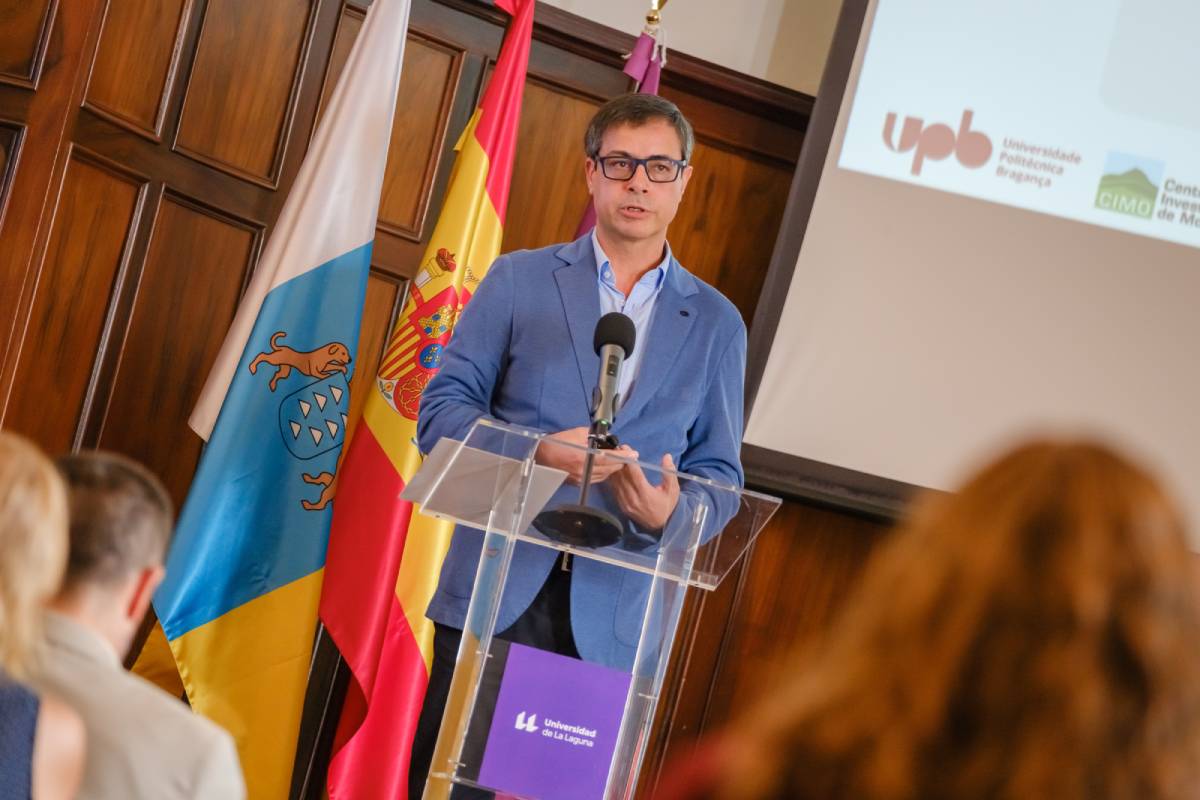
Artur Gonçalves.
The second speaker was Artur Gonçalves, from the Prolitécnica University of Braganza (Portugal), who presented the circular economy as a structural economic strategy for island regions that goes far beyond environmental protection or waste management. Its implementation represents an opportunity to strengthen economic autonomy, reduce dependence on foreign markets, and improve the resilience and competitiveness of territories particularly vulnerable to global crises, supply chain disruptions, and high energy costs.
In the case of the Canary Islands, this shift in model is especially relevant for sectors like tourism, whose activity exerts considerable pressure on limited resources such as water, energy, materials, and land. He advocated for the need to move towards a circular economy model that connects the various productive sectors and transforms the resources and waste from some activities into raw materials and opportunities for others. Among the opportunities, he highlighted the transformation of organic waste from the tourism sector into compost for agriculture and biogas, as well as the reuse of materials and equipment in the hotel industry.
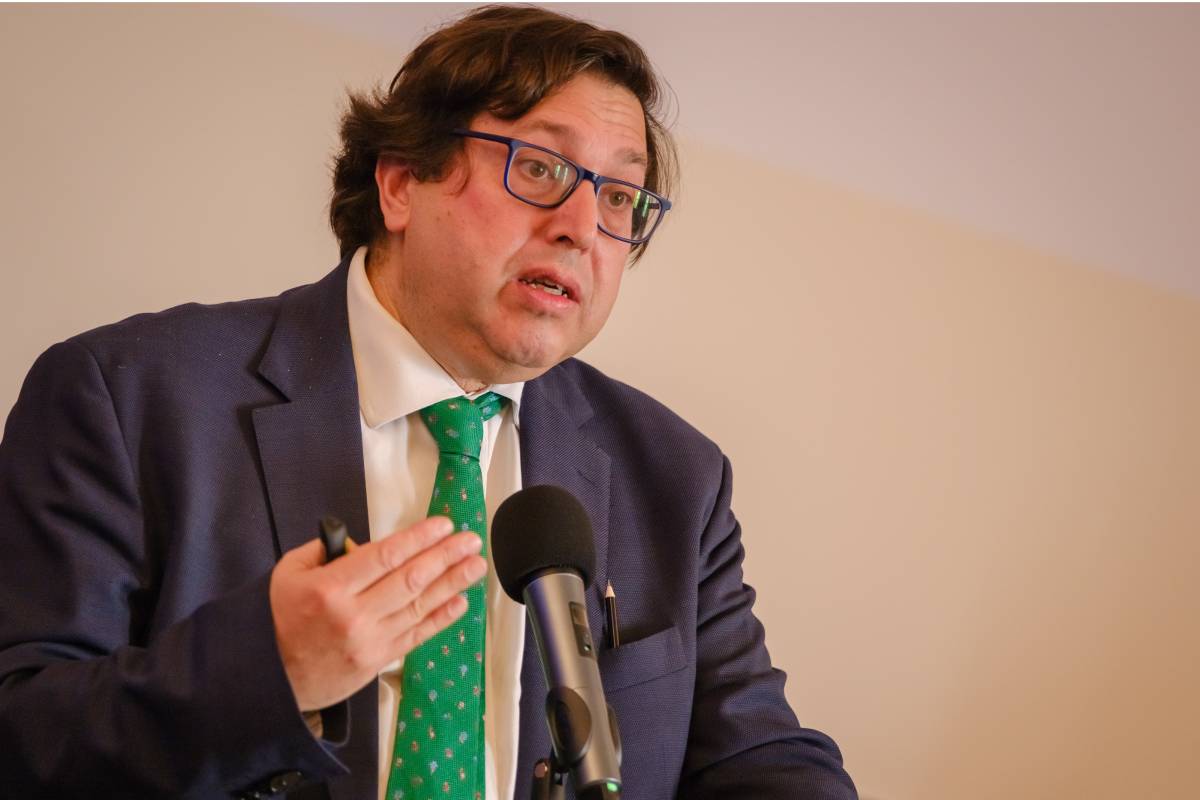
Juanma Revuelta.
Juanma Revuelta, CEO of the Finnova Foundation, addressed the opportunities offered by the future European Circular Economy Law (Circular Economy Actto transform this new regulatory framework into innovation, financing, and projects with economic impact in the territories. The circular economy is emerging not only as an environmental priority but also as a strategic instrument to strengthen European competitiveness, guarantee greater security of supply of critical raw materials, and reduce dependence on resources from third countries.
This European regulation, whose proposal is expected in November 2026, aims to foster a single market for secondary raw materials, facilitate business activity, and accelerate the transition to more efficient production models. Revuelta emphasized the European funding opportunities available to promote circular economy initiatives through programs such as LIFE, Horizon Europe, and Interreg MAC, which are especially relevant for the Canary Islands and the Macaronesian regions. She also highlighted the role of Living Labs as environments for experimentation and collaboration, from which to form European consortia, combine funding instruments, and transfer innovative solutions to the production sector.
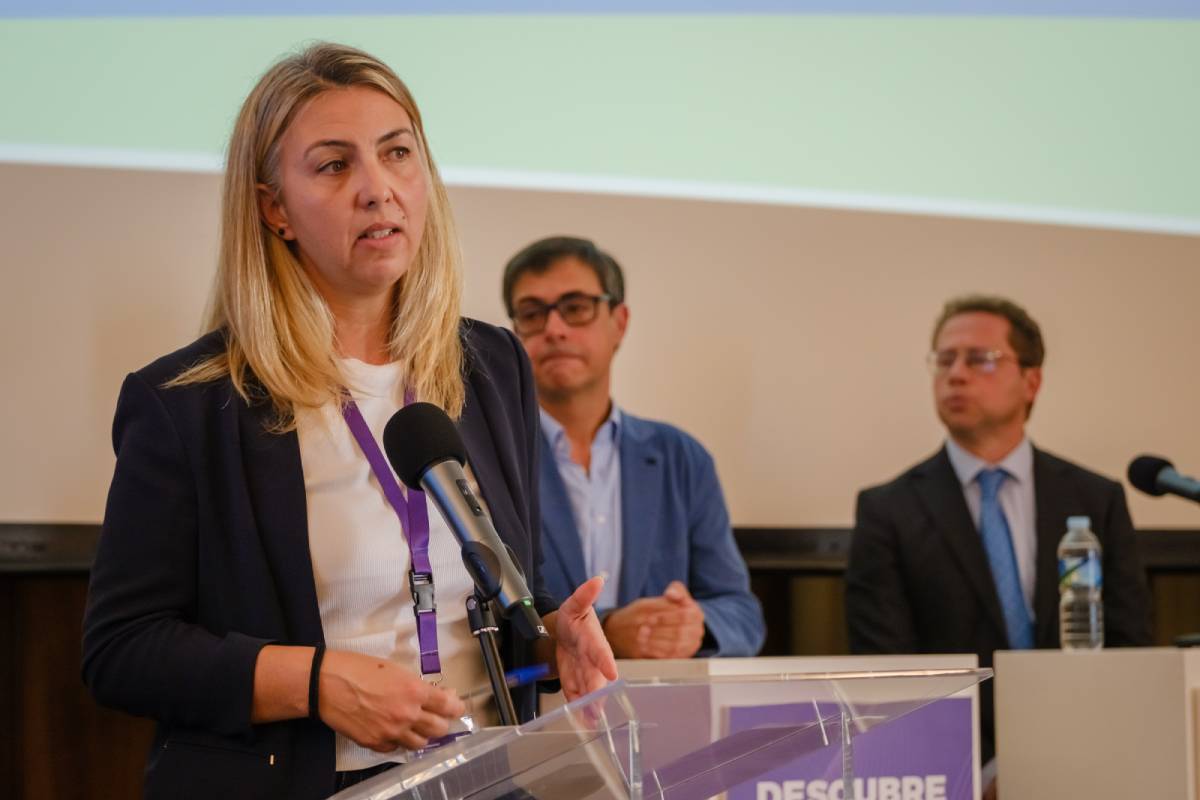
Silvia Castro.
The impact of the circular economy
The second part of the event focused on showcasing successful circular economy projects. Silvia Castro, from the Knowledge Transfer Office at the University of La Laguna, presented the InnoVamos project, funded by the Interreg MAC 2021–2027 program. This project aims to strengthen innovation capacity and technological development in the Canary Islands, the Azores, Madeira, and West African countries by creating a cross-border open innovation ecosystem. Its main lines of action include modernizing university knowledge transfer structures, connecting scientific output with business demands, and promoting technology-based companies and research spin-offs.
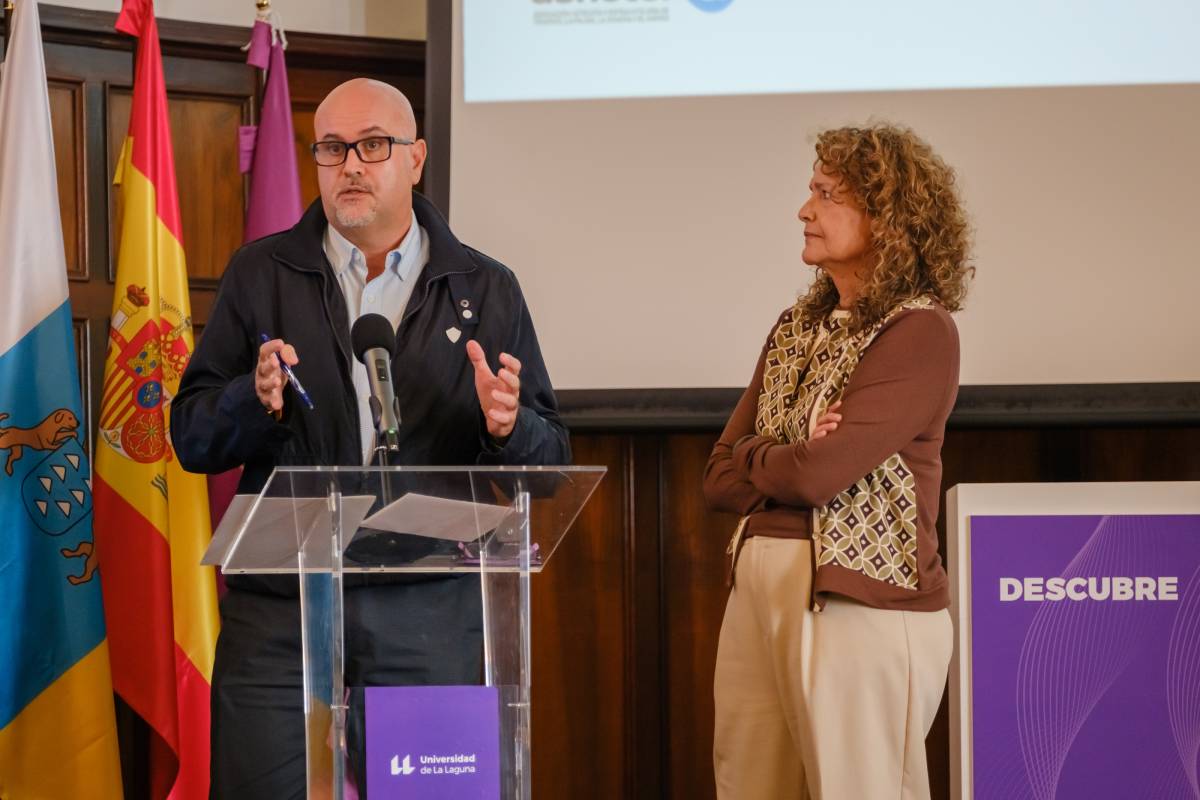
Juan Pablo González and Noemí Padrón.
Noemí Padrón, an economist specializing in tourism and the circular economy at the University of La Laguna, and Juan Pablo González, managing director of ASHOTEL, presented the Circular Tourism Communities (CTC) project, which focuses on converting organic waste from hotel kitchens into reusable compost for the agricultural sector. To date, 40 hotels have participated, and four collaborative networks have been established in Adeje, San Miguel, Arona, and La Laguna. In 2026, the project collected approximately 3,600 tons of bio-waste, which yielded 1,600 tons of high-quality compost—enough to fertilize 115 hectares annually.

 Spanish
 English
 French