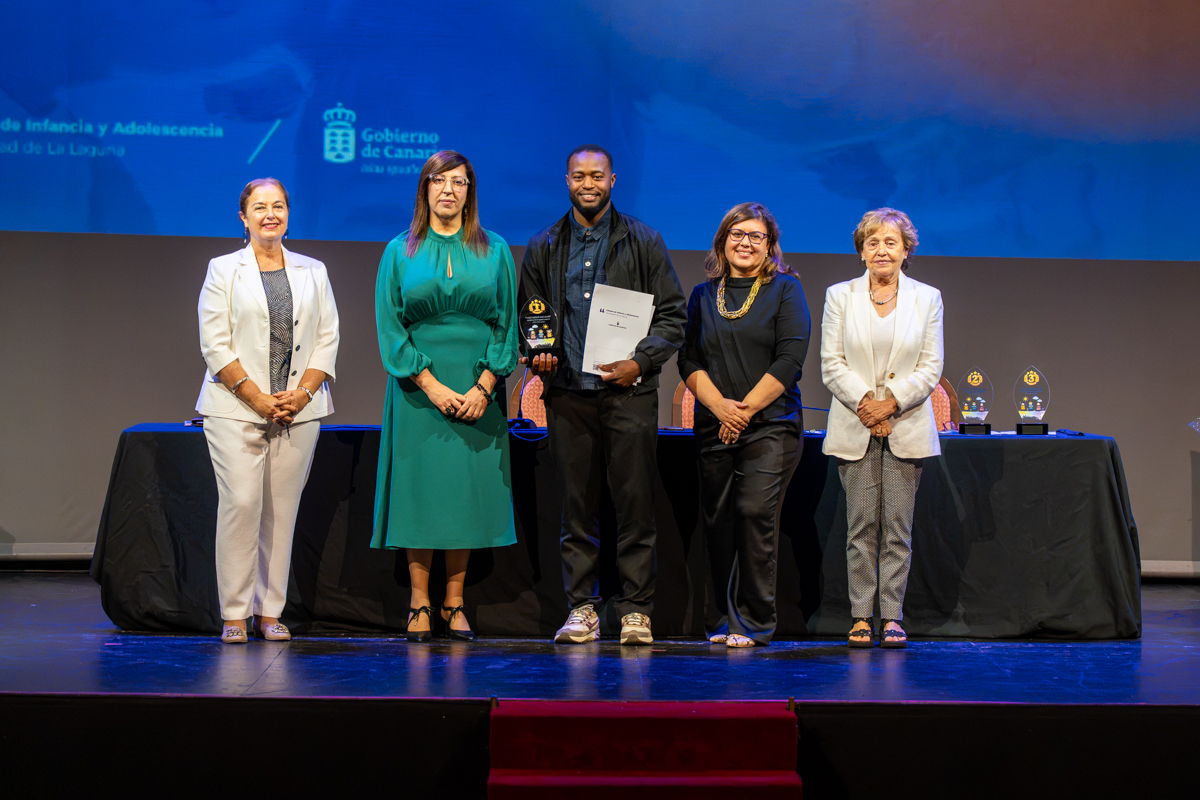
The Institutional Chair of Childhood and Adolescence The University of La Laguna, in collaboration with the Directorate General for the Protection of Children and Families of the Government of the Canary Islands, held the awards ceremony for the third edition of its annual prizes last Monday, November 16, at the Teatro Leal. This initiative aims to promote university research on childhood and adolescence. The competition, open to students of the two public universities in the Canary Islands, saw its highest participation ever, with nearly 40 entries and six winning projects.
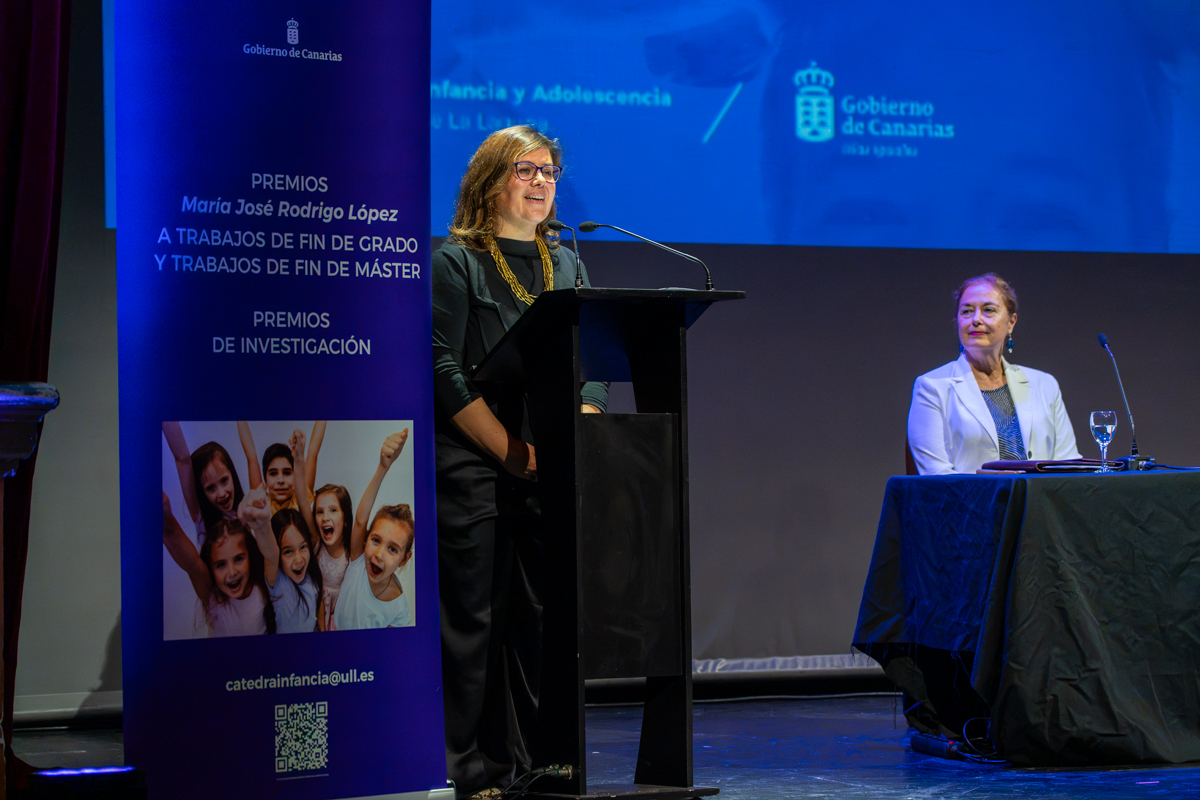
María Aránzazu Calzadilla, director of the Chair.
As part of the Children's Week celebrations, these awards include the 'María José Rodrigo López' prizes for the best final degree projects (TFG) and final projects.
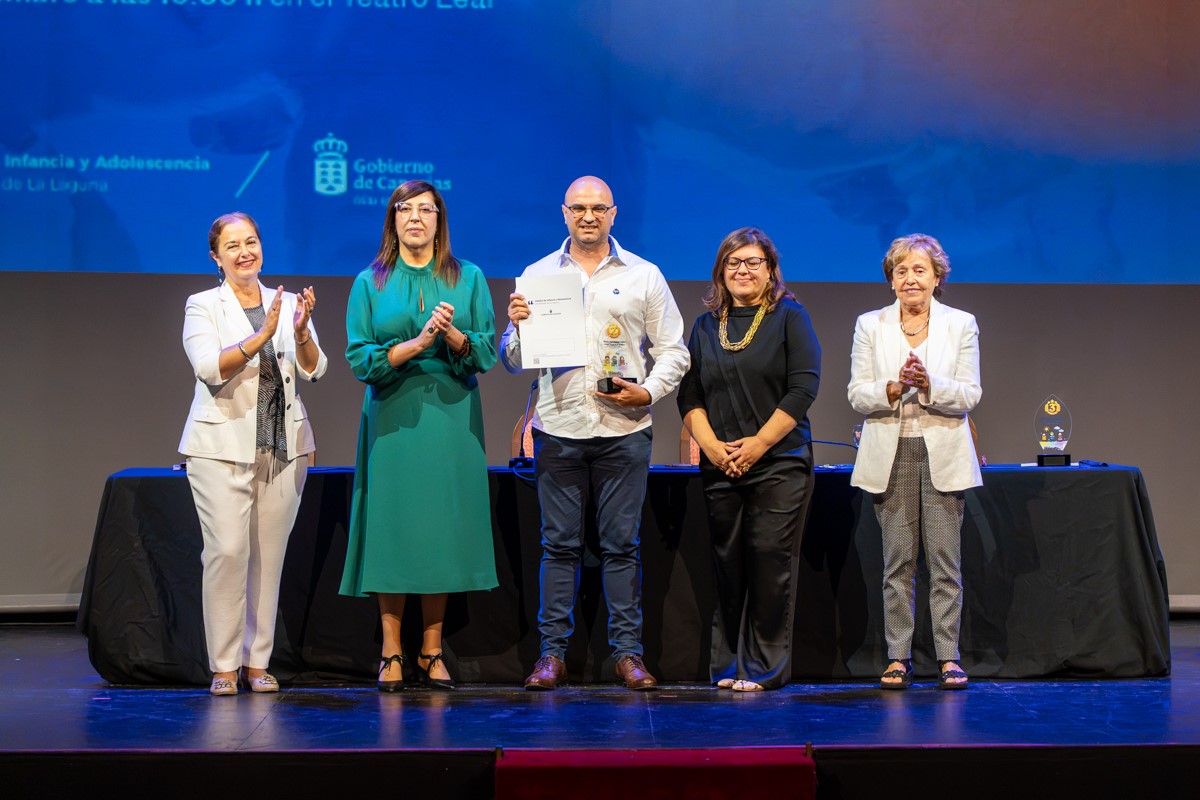
Juan Jesús Robayna.
Master's theses (TFM), as well as a research prize for doctoral students, which was not awarded this year. The initiative was launched in 2024, during the chair's first year of operation, with the dual purpose of strengthening ties between the two public universities in the archipelago and fostering student interest in researching issues that contribute to understanding and improving the lives of children and adolescents.
The Chair's director, María Aránzazu Calzadilla, highlighted the increased participation since the awards' inception and the high quality of the submitted works. The requirement of having achieved an outstanding grade to be eligible for these awards, coupled with the high caliber of the proposals, made the selection process very competitive this year, she explained.
The meeting was attended by the Director General of Child and Family Protection of the Government of the Canary Islands, Sandra Rodríguez, and the Vice-Rector of Culture and Extension
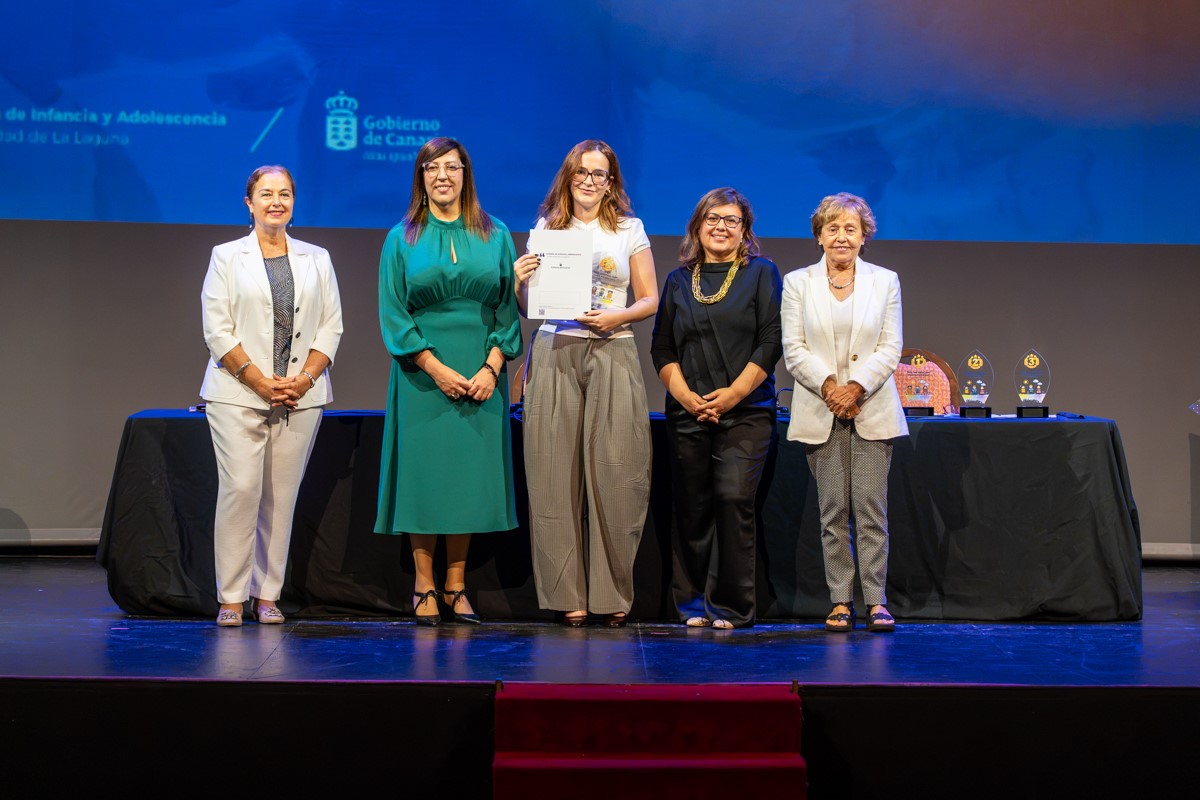
The award-winning Nayade Alvarez.
Isabel León, a student at the University of La Laguna.
The awards ceremony included the screening of several videos in which the award winners presented their research, as well as a musical performance by Ciro Moreno García, cellist of the Tenerife Youth Philharmonic Orchestra.
Childhood from different perspectives
Cultural heritage as an element of identity, the protection of children in armed conflict, health, and educational innovation are some of the themes addressed by the award-winning works. These perspectives, from very different disciplines, converge on a common interest in better understanding childhood and contributing to children's well-being.
In the final degree project category, the first prize went to Raquel Suárez Jiménez for her work 'Local Heritage and Sense of Belonging in Childhood: A Proposal on Artisanal Fishing in Agaete'. The second prize was awarded to Gabriela Piñero Rodríguez for 'Transfer of Minors to the European Union from Armed Conflict Zones: Gray Areas', while Náyade Álvarez Dorta received the third prize for 'Assessment of Muscle Strength Using Handgrip Dynamometry in Adolescent Women with Eating Disorders'.
Regarding the master's theses, Walter Patricio Gomes Vieira received first prize for 'Acute respiratory infections and anemia in schoolchildren aged 9 to 13 years on the island of Santiago, Cape Verde'. The second prize went to Juan Jesús Robayna Caballero for 'Transcranial direct current stimulation in pediatric and adolescent populations with ADHD: a systematic review', and the third to Alberto Rodríguez Díaz for 'Proposal for educational innovation based on the use of a virtual laboratory and artificial intelligence tools for teaching biology'.
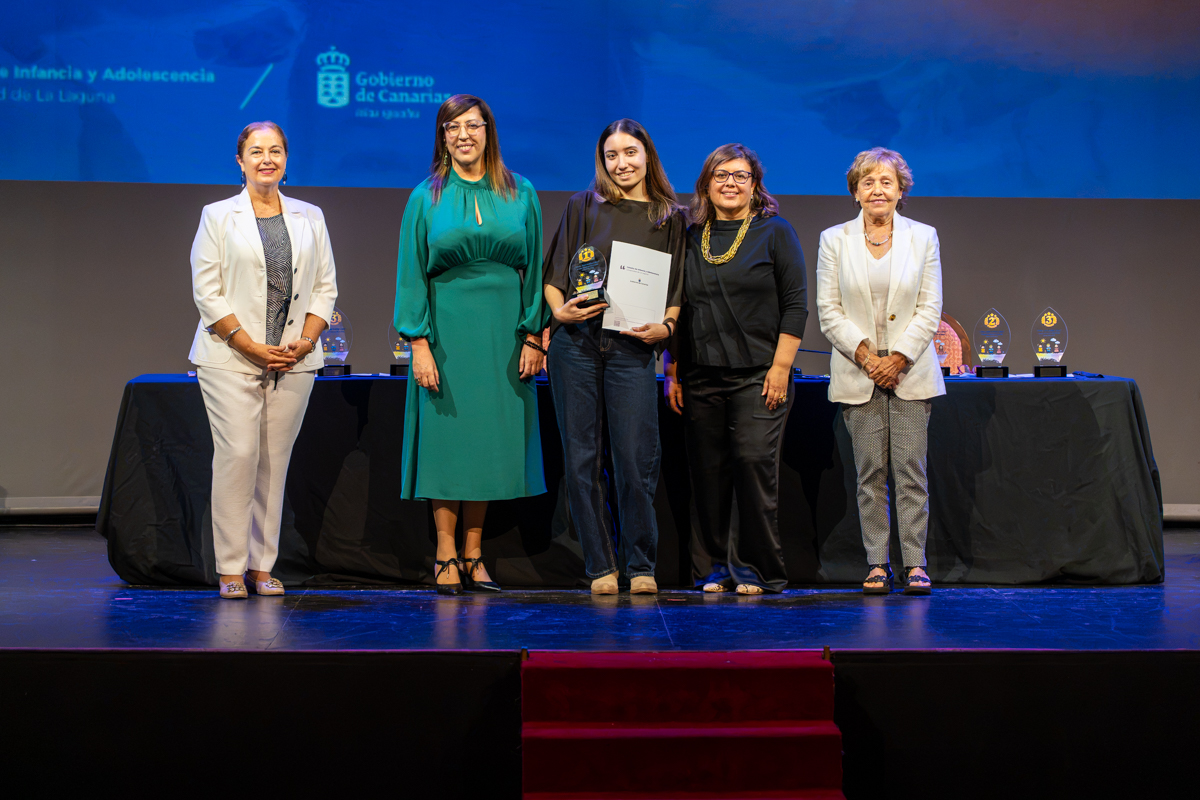
Raquel Suárez.
The day also included the conference 'The evolution of the concept of childhood and its relationship with the protection of children', given by Beatriz Triana Pérez, retired tenured professor of Developmental and Educational Psychology at the University of La Laguna. During her presentation, she addressed the historical evolution of childhood as a sociocultural construct, from its invisibility in ancient societies to the recognition of children as subjects of rights and active agents in decisions that affect them.
Despite the scientific and legislative advances achieved, Triana stressed that the needs of children are still not being met equitably.
in all cultures and social contexts. This fact, along with new family realities and the danger of unprotected exposure to the digital world, makes it necessary to promote new initiatives that guarantee the full well-being of children.

 Spanish
 English
 French