
Before 3D printing revolutionized the pharmaceutical field, the research group Galenic Development of Medicines The University of La Laguna had already been researching how to improve the quality of medicines for years. Created in the 1990s by Professor Matías Antonio Llabrés Martinez, The group began by focusing its work on the study and characterization of molecules, later evolving towards the development of drug delivery systems, pediatric formulation, quality control and, more recently, the manufacture of medicines using 3D printing.
Currently, the group is coordinated by Professor José Bruno Celso Fariña and has a team of researchers including Ana Santoveña, Javier Suárez, Eduardo Díaz-Torres, María Isabel Soriano, Cecilia Nieves Monzón, Love Rayco Cáceres, María Magariños, Iria Seoane, Alba Marsella, María Magdalena Rodríguez, María Esther Sánchez, Alexis Manuel Oliva y María Magdalena Echezarreta.

José Bruno Fariña.
In its early years, the group focused its research on characterizing molecules using various analytical techniques, especially liquid chromatography. Over time, it expanded its work to include the development of drug delivery systems, focusing on biodegradable ocular implants that incorporate active ingredients. “The implants were designed to be administered via the eye, release the active ingredient, and then biodegrade,” explains Ana Santoveña, a professor in the group. This line of research was funded by a national project and another from the Carlos III Health Institute. That phase laid the foundation for research that no longer only studied the contents of a drug but also sought to understand how it could be administered and released more effectively.
In recent years, the group has also worked on the pharmaceutical development of medications for children. Sometimes they have received requests from hospitals, while other times the research team itself has driven the development of these formulations for children. “We have developed liquid formulations for oral administration, and we have also developed tablets for the treatment of tuberculosis,” says Santoveña.
At this point, the pharmaceutical company considers it important to clarify the difference between an active ingredient and a medication, two concepts that are often confused. While the active ingredient refers to the molecule that performs the pharmacological action, the medication includes the excipients and other components necessary for its administration. “Our group doesn't print the active ingredient or the molecule itself, but rather the pharmaceutical form that contains it,” she explains.
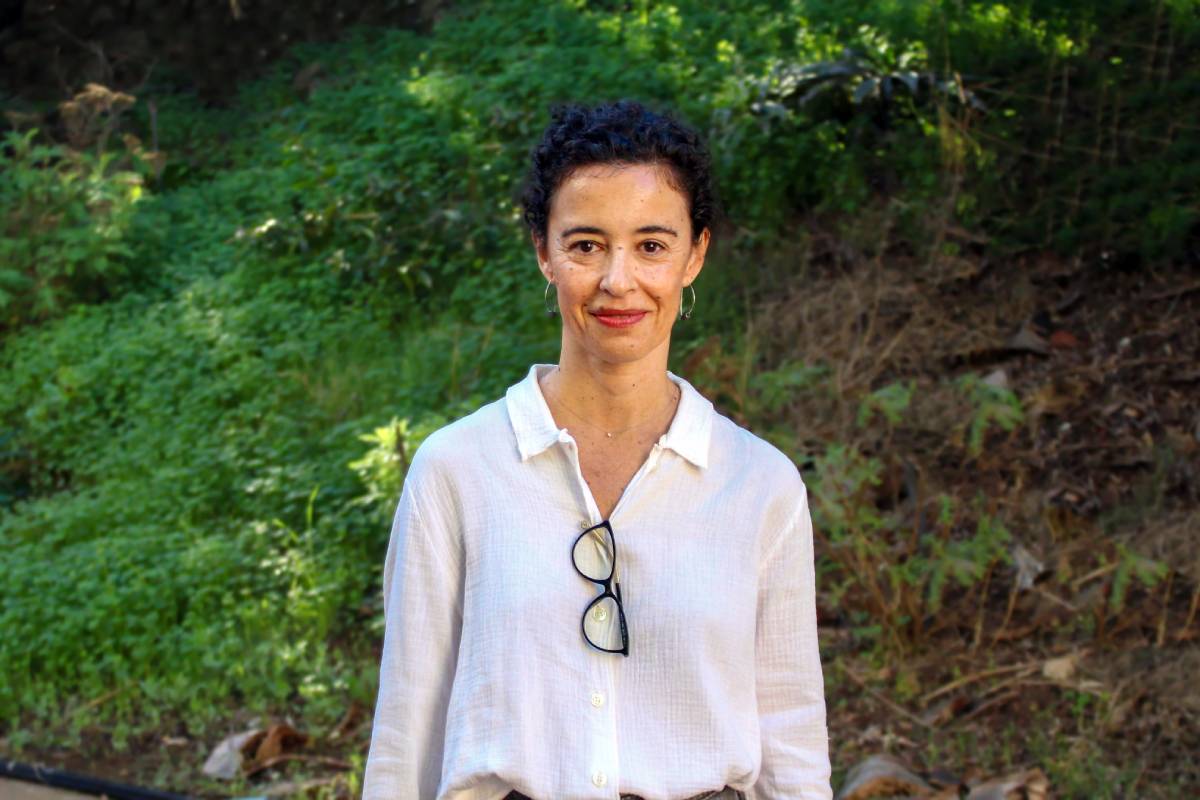
Ana Santoveña.
New needs, the pediatric population
Ana Santoveña and Javier Suárez, a tenured professor with the research group, explain that the need to develop specific medications for children stems from the fact that many commercially available drugs were designed primarily for adults. The implementation of European regulations on pediatric medicines in 2007 spurred the pharmaceutical industry to give greater consideration to children when developing new medications. “From then on, there was a push to ensure that any new medications to be authorized also considered their potential use in the pediatric population,” they explain.
Why is this need? Primarily because clinical trials in children present greater challenges, as they are a particularly vulnerable population. Furthermore, the pediatric population encompasses different developmental stages. "A newborn is not the same as a young child or an adolescent nearing adulthood," they explain. They add, "There are significant anatomical and physiological differences between these stages that must be considered when developing a drug.".
The pharmaceutical form also matters. “A child who cannot yet swallow properly cannot receive a conventional tablet, so they may need a liquid solution or an orally dispersible form that disintegrates quickly in the mouth,” they explain.
Therefore, Santoveña and Suárez point out that, although advances in the development of pediatric medications have partially reduced some of these shortcomings, it remains essential to adapt dosages and pharmaceutical forms to the characteristics of each patient. In this regard, the researchers emphasize that, although the group works primarily with pediatric patients, this need can also arise in geriatric patients, people with rare diseases, or any patient who cannot find a suitable pharmaceutical form for their needs.

Javier Suárez.
Quality control of medicines
In parallel, the research team began working on quality control of medicines marketed in middle-income countries. This line of research began in Mauritania and, over time, has also extended to Cape Verde.
One of the most outstanding projects in this field was the project “Establishment of a system for quality assurance of medicines used in the treatment of AIDS and neglected tropical diseases (ISACAM)”The program focuses on detecting counterfeit and substandard medicines. Counterfeit medicines may contain substances other than those declared, lack the indicated active ingredient, or have a different composition than the medicine supposedly being marketed. Substandard medicines, on the other hand, are those that do not meet established quality standards. For example, a medicine that declares it contains 500 mg of paracetamol, but whose actual amount of active ingredient may be lower or higher.
In this regard, Suárez explains that this project, funded by the Interreg-MAC program and completed in 2023, required them to travel to Mauritania on several occasions. “There, we collected drug samples to later transport to our laboratory and carry out the corresponding analyses,” he explains. “This work required significant administrative effort and coordination with the Mauritanian Ministry of Health, cooperatives, pharmacies, and hospitals where the medications to be analyzed were collected,” he adds.
Once transferred to the University of La Laguna laboratory, the samples were analyzed to verify compliance with quality standards. The objective was not only to identify medications that failed the controls and determine whether they should be withdrawn from the market, but also to train healthcare professionals in Mauritania to perform these checks independently in the future. To this end, the group developed standard operating procedures, which were then sent to local professionals in French and Spanish to facilitate their performance of these quality controls.

Love Rayco Cáceres.
3D printing, a new way to manufacture medicines
The experience accumulated in the characterization of active ingredients, the development of delivery systems, and the formulation of medicines has led the group to one of its most innovative lines of research: 3D printing. “This technology allows us to fill a gap that still exists in the development of personalized medicines,” Santoveña and Suárez point out.
Although a liquid solution might seem like a suitable pharmaceutical form for oral administration, sometimes the characteristics of the active ingredient itself prevent its formulation in this way. In these cases, 3D printing allows for the development of solid pharmaceutical forms with different doses, sizes, and geometries.
One of its applications is the production of orodispersible dosage forms, that is, medications that are administered in the oral cavity and disintegrate in a matter of seconds. "This avoids potential difficulties swallowing tablets, as well as problems arising from the patient chewing the medication and not receiving the correct dose," they explain.
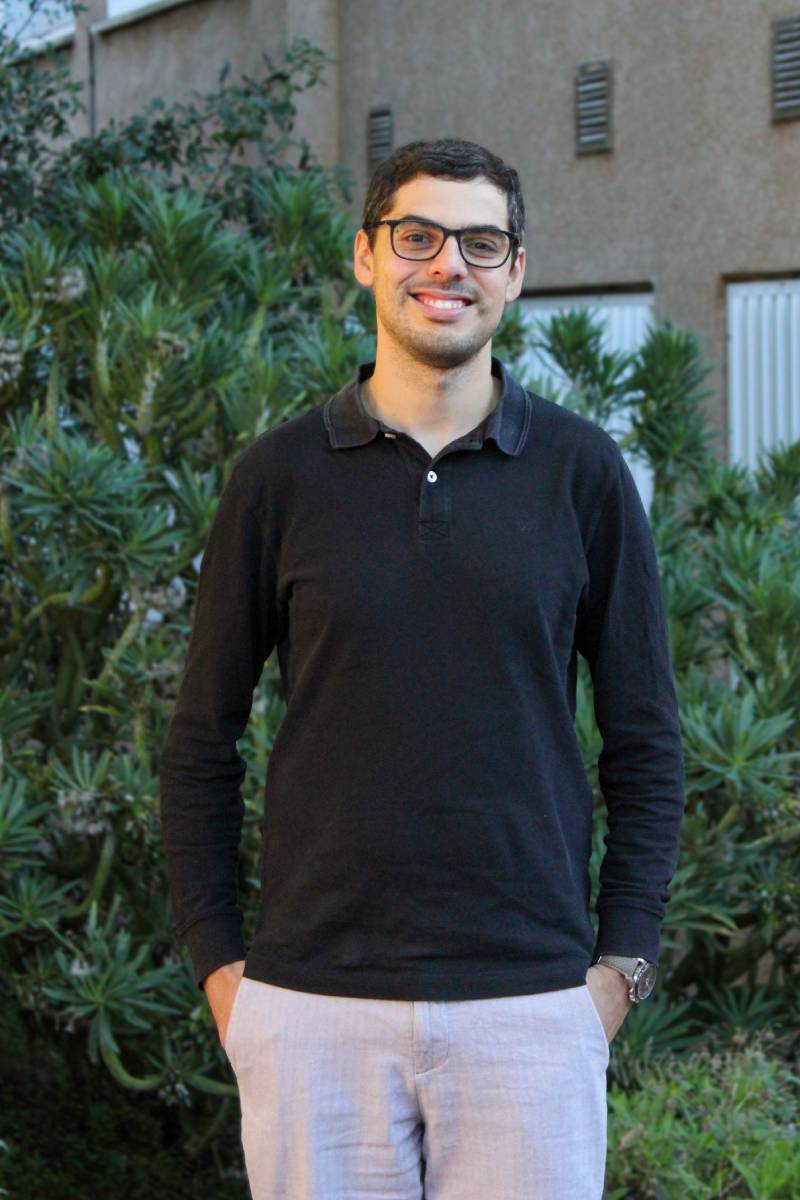
Eduardo Díaz-Torre
3D printing also ensures that each dosage unit contains the declared amount of active ingredient. “Sometimes we encounter manually prepared suspensions where, although the instructions indicate 5 ml should be administered, that amount doesn't actually contain the required dose of active ingredient,” they explain. This technological advancement allows for better control of this aspect, as each dosage unit is manufactured by monitoring every parameter of the printing process to prevent the dispensing of pharmaceutical forms that do not meet the required quality standards.
This technology allows the manufacture of solid dosage forms by layering material. A semi-solid mass containing the active ingredient and excipients is prepared. This mass must have specific mechanical properties to flow correctly and be printable. The material is drawn into a syringe and deposited through a nozzle until the desired structure is achieved.
In this sense, the group from the Laguna institution has developed the patent, Pressure measuring piston for 3D printing platforms in semi-solid mass extrusion (P202031276), This represents a very important contribution to the development of their 3D printing platform. Its main author is Assistant Professor Eduardo Díaz-Torres, along with other team members.
“When the 3D printer arrived at the lab, we found that it didn't have any system to control the pressure exerted by the plunger,” says Santoveña. So, Díaz-Torres proposed incorporating a strain gauge to measure this pressure, which allows them to identify the range in which the pressure remains constant and the material flows correctly, being deposited continuously and stably. This way, they can detect potential problems during printing: “If the nozzle gets clogged because the material has dried, there's a pressure change. The same thing happens if a bubble appears inside the material,” he explains.
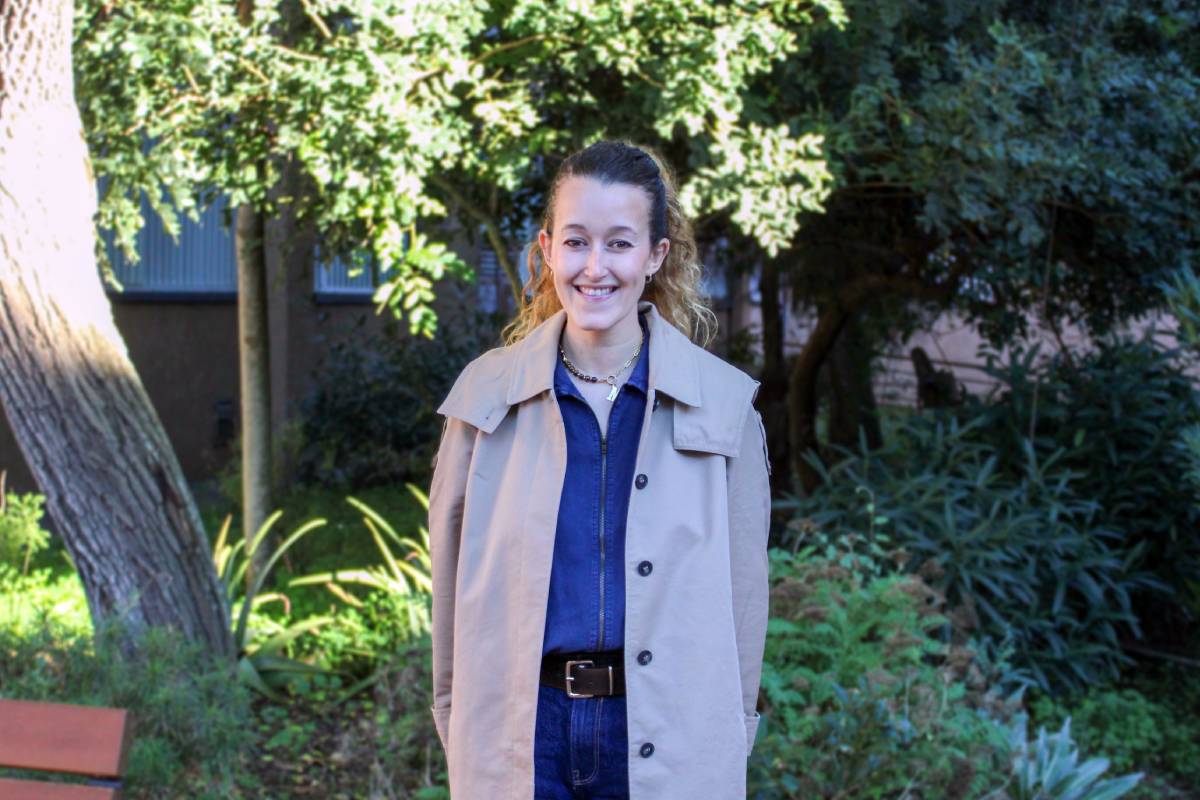
María Magariños.
Therefore, the system helps identify the appropriate printing conditions and control the weight of each pharmaceutical unit, and thus the amount of active ingredient it contains. “The patent was quickly licensed to FABRX Ltd., the company that owns our printing platform. This company currently markets the system,” says Santoveña. The researcher also indicates that the patent has been presented at various international conferences, where it has generated significant interest.
Digitization of drug manufacturing
3D printing is not the group's only current focus. Another of its lines of work centers on the digitization of the processes for manufacturing and controlling individualized medications, especially those intended for the pediatric population.
Currently, the research staff is developing two projects related to this objective. One of them received funding in the 2023 Knowledge Generation Projects call and is entitled “Development of process analytics technology on a 3D printing platform to obtain individualized medicines”It is scheduled to be completed in December 2028 and its principal investigator is Ana María Santoveña.
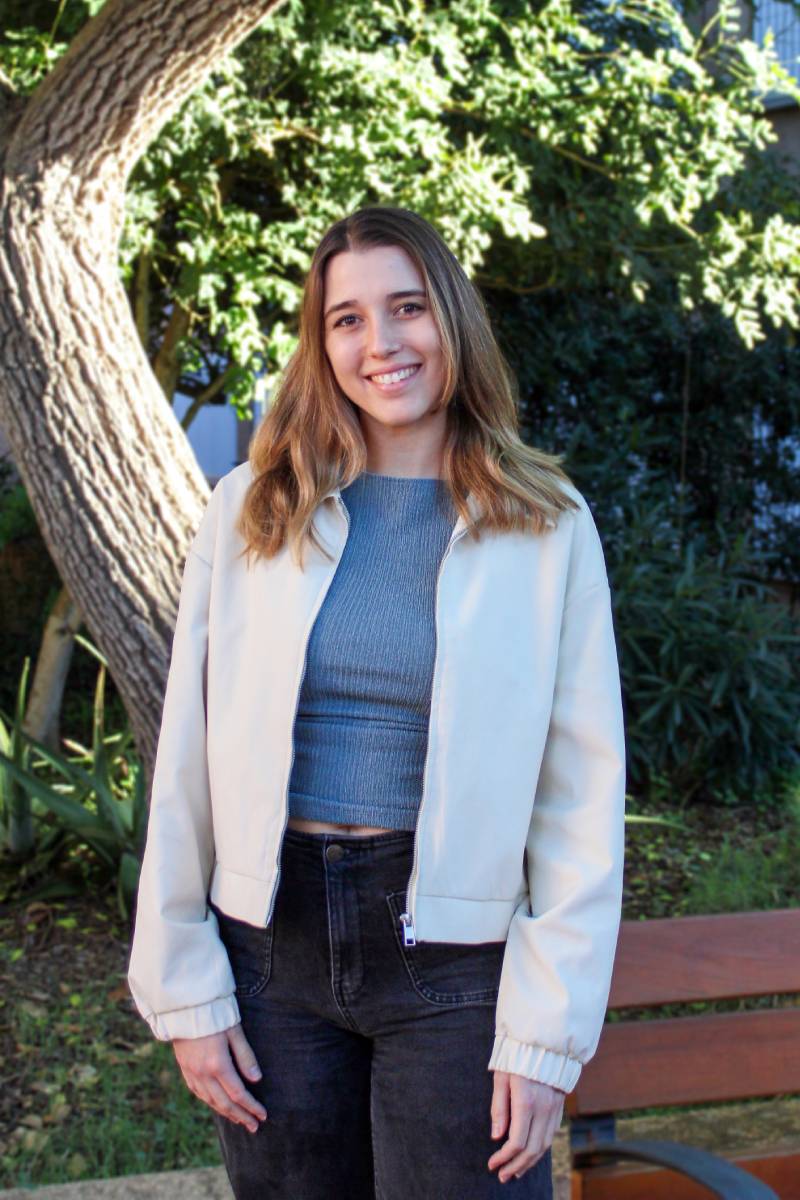
Alba Maresella.
The other project, titled “Digitization of the development and control of individualized pediatric medicines in primary and hospital care (P3DIATRICS)”, received funding under the Caja Canarias 2023 call and will end in April 2027.
This latest project is not limited to 3D printing, but also encompasses the manual manufacturing procedures currently used in hospitals and compounding pharmacies, as these facilities typically do not have 3D printers. The goal of this initiative is to digitize the procedures routinely performed in pharmaceutical laboratories for the production of individualized medications.
«The idea is to incorporate tools such as QR codes and other digital systems that allow us to record and control each stage of the manufacturing process: from weighing the active ingredient to its solubilization or dispersion, mixing, etc.,” explain Santoveña and Suárez, who are in charge of the P3DIATRICS project. All of this would improve the traceability of the process and allow us to control the manufacturing parameters that influence the quality of the final medicine.
Research activity also continues through the training of new PhDs. In recent years, the group has supervised three doctoral theses related to the 3D printing (that of Eduardo Díaz-Torres), the quality control of medicines (the one by Amor Rayco Cáceres) and the formulation and adaptation of medicines for the pediatric population, in which 3D printing was also used (that of María Magariños).
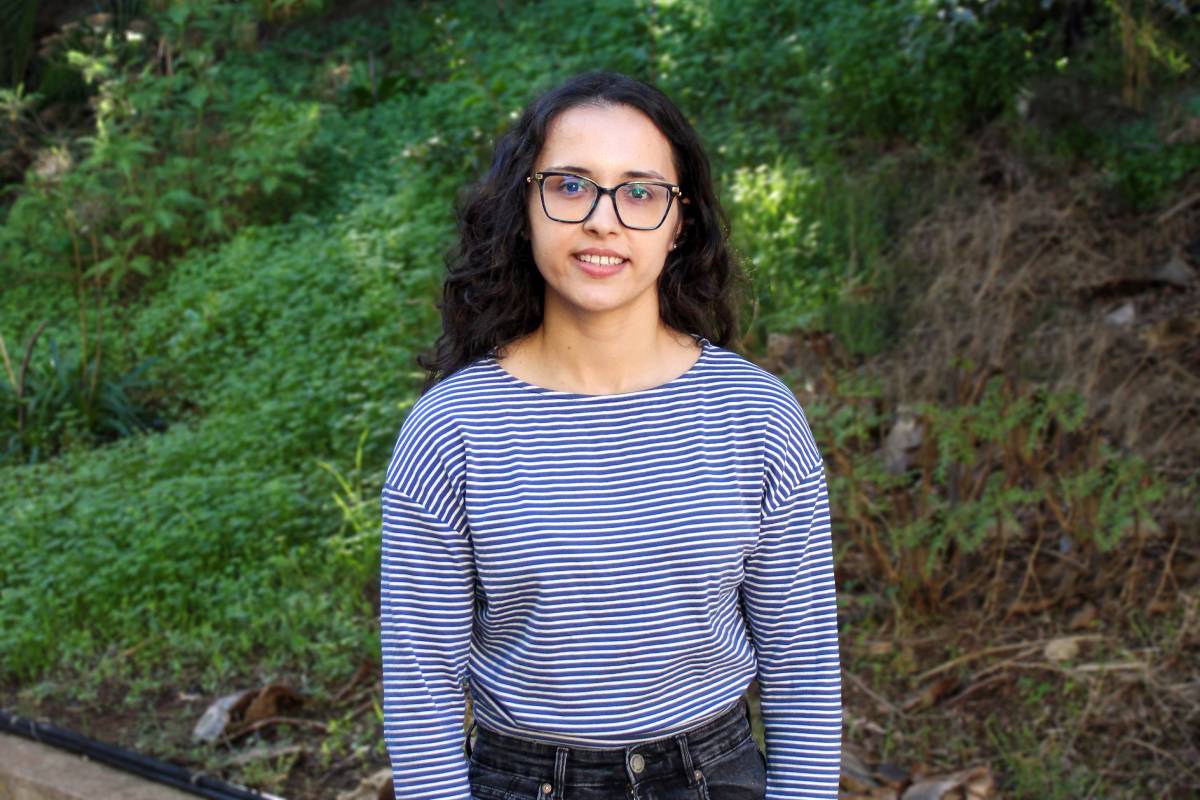
María Magdalena Rodríguez.
Currently, the group has two other doctoral theses in progress, co-supervised by Suárez and Santoveña. One of them is that of the doctoral candidate. Alba Marsella, One is primarily focused on the digitization of the drug manufacturing process. The other, on María Magdalena Rodríguez, addresses the development of a 3D printed formulation for the treatment of tuberculosis.
The Pharmaceutical Development research group at the University of La Laguna has followed a path marked by the search for solutions to various problems in pharmaceutical practice. Its initial research focused on active pharmaceutical ingredients, but over time the group has broadened its lines of work to include the development of new technologies applied to the manufacturing and quality control of medicines, including personalized medicines.
Scientific Culture and Innovation Unit (Cienci@ULL)

 Spanish
 English
 French